How Much Does Auto Insurance Cost in Waukegan in 2026?
As of 2026, drivers in Waukegan, Illinois, can expect to pay an average of $1,845 per year for full coverage auto insurance or approximately $720 per year for a state-minimum liability policy. These rates fluctuate based on individual...
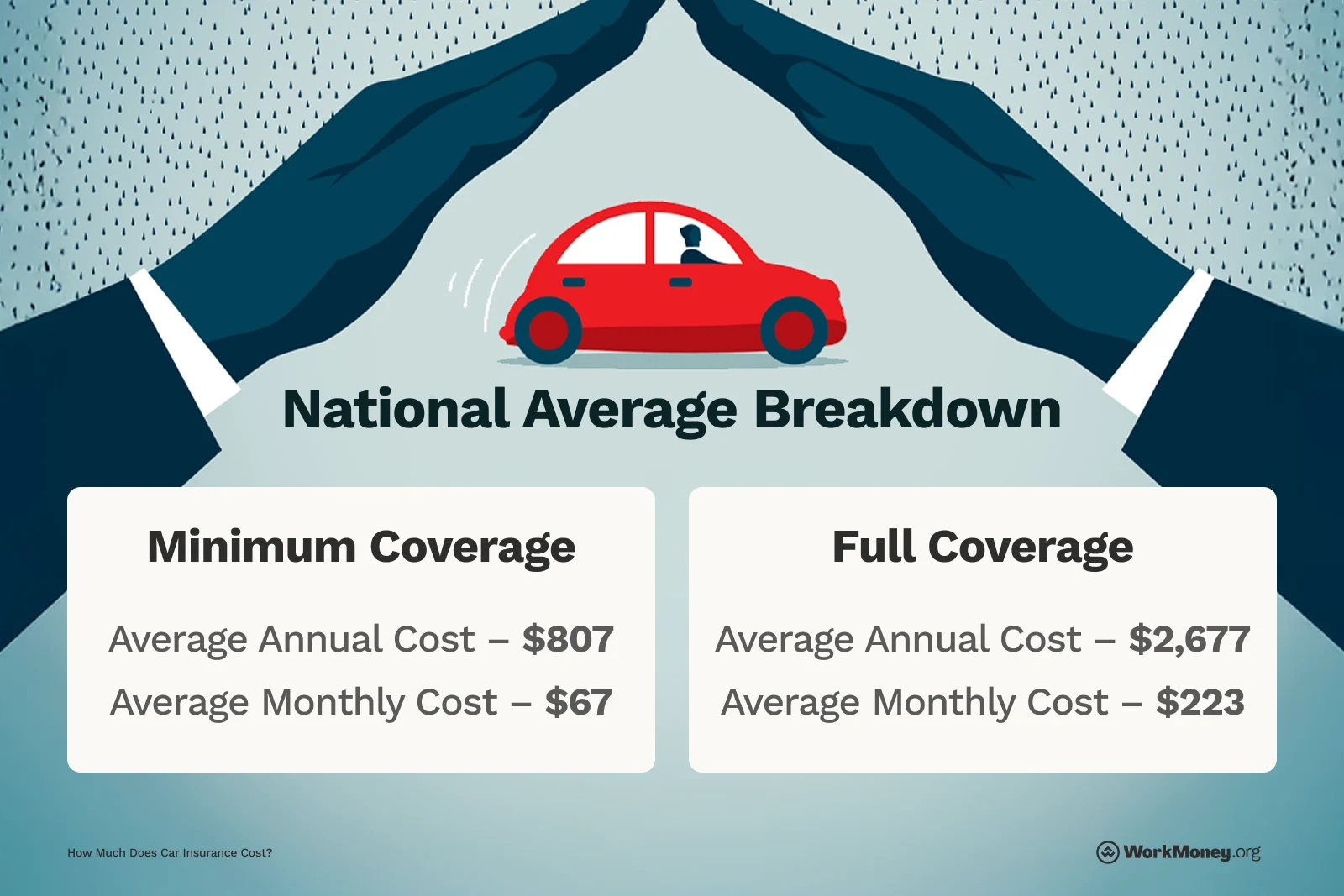
As of 2026, drivers in Waukegan, Illinois, can expect to pay an average of $1,845 per year for full coverage auto insurance or approximately $720 per year for a state-minimum liability policy. These rates fluctuate based on individual driving records, vehicle types, and specific Lake County risk factors.
Contents
Waukegan, the county seat of Lake County, presents a unique insurance landscape. Located between the major metropolitan hubs of Chicago and Milwaukee, Waukegan experiences high traffic density and specific weather-related risks that influence premiums. Understanding the breakdown of these costs is essential for any resident looking to balance legal compliance with financial protection.
Factors Influencing Waukegan Auto Insurance Rates
Several variables contribute to why Waukegan drivers might see higher or lower rates than the Illinois state average. Because Waukegan is an urban center with a diverse population and significant industrial and commercial corridors, insurance carriers view the area through a specific risk lens.
Geographic and Demographic Impacts
Waukegan's proximity to Lake Michigan introduces unique environmental factors. Harsh winters with lake-effect snow lead to increased accident rates during the first and fourth quarters of the year. Furthermore, the city’s layout—featuring busy thoroughfares like Grand Avenue (Route 132) and Belvidere Road (Route 120)—contributes to a higher frequency of localized collisions compared to rural parts of Lake County.
Credit Score and Insurance History
In 2026, Illinois remains a state where insurance companies are permitted to use credit-based insurance scores to help determine premiums. Drivers in Waukegan with "Excellent" credit often pay up to 40% less than those with "Poor" credit. Carriers argue that credit history is a statistical predictor of claim frequency, making it a pivotal factor in your final quote.
Vehicle Theft and Vandalism Rates
While Waukegan has seen various urban renewal projects, certain ZIP codes still experience higher rates of property crime than the national average. Insurance companies factor in the likelihood of vehicle theft or vandalism when calculating the "Comprehensive" portion of a full-coverage policy. Living in a secured complex or having a vehicle equipped with advanced anti-theft technology can mitigate these costs.
Average Cost Comparison by Provider in Waukegan
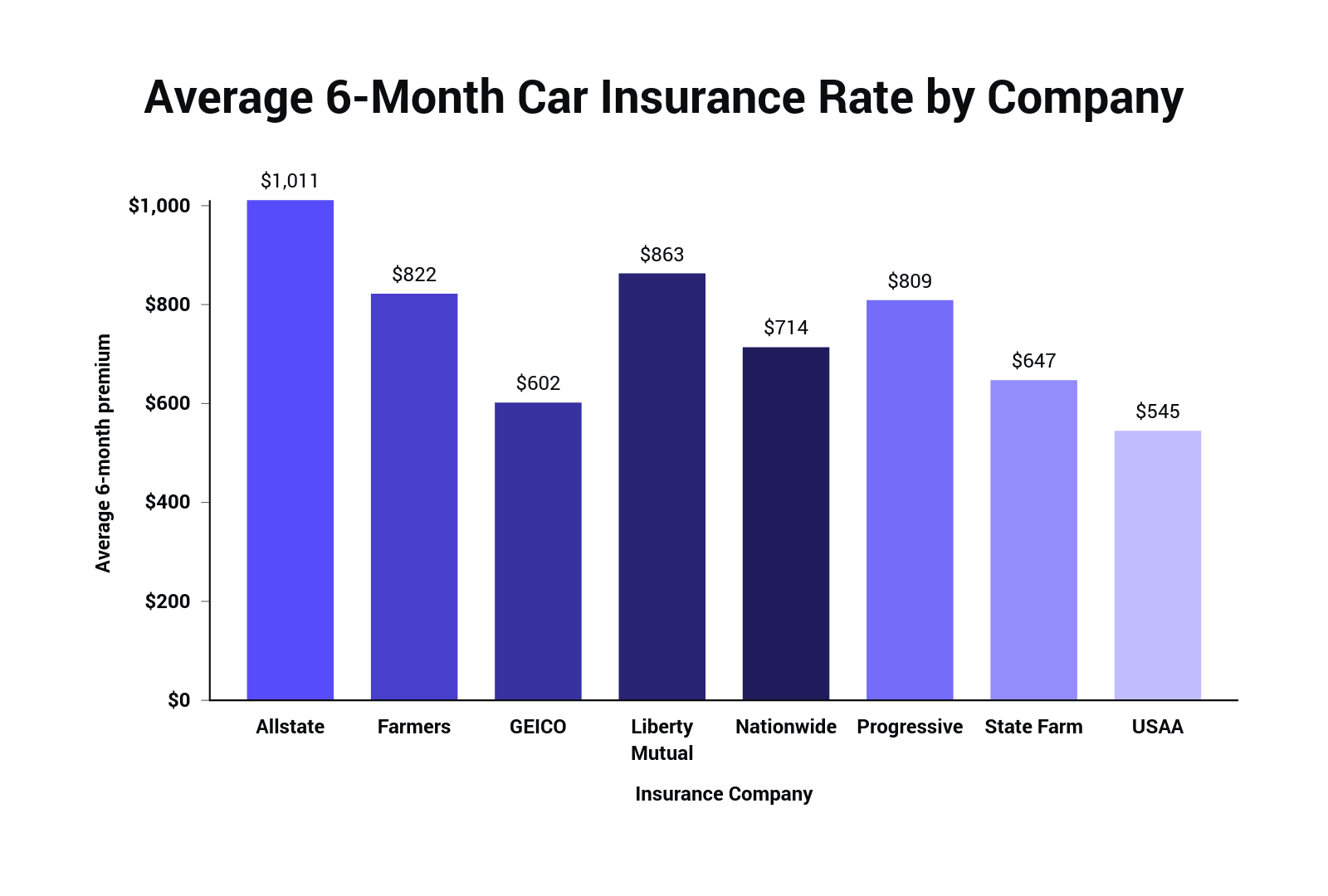
The insurance market in 2026 remains competitive, with several national and regional carriers vying for Lake County residents. Below is an estimate of annual premiums for a 35-year-old driver with a clean record.
| Insurance Carrier | Estimated Annual Full Coverage | Estimated Annual Minimum Liability |
|---|---|---|
| State Farm | $1,620 | $610 |
| Progressive | $1,780 | $745 |
| Allstate | $2,050 | $890 |
| Erie Insurance | $1,540 | $580 |
| Geico | $1,810 | $710 |
| Travelers | $1,920 | $760 |
Note: These figures are averages. Individual quotes will vary based on specific driver profiles and the "Insurance Score" used by the Illinois Department of Insurance approved filings.
Illinois Minimum Insurance Requirements
To drive legally in Waukegan, you must satisfy the Illinois mandatory insurance laws. As of 2026, these requirements provide a baseline of protection but often fall short of covering the total costs of a major accident involving modern, high-value vehicles or significant medical expenses.
The state-mandated minimums are:
- $25,000 for bodily injury or death of one person in an accident.
- $50,000 for total bodily injury or death of two or more people in an accident.
- $20,000 for property damage to another person’s assets.
In the legal and insurance industries, this is often referred to as 25/50/20 coverage. While this is the most affordable way to stay "street legal," many Waukegan financial advisors recommend 100/300/100 limits to protect personal assets from lawsuits following an at-fault accident.
Full Coverage vs. Liability Only
Deciding between full coverage and the state minimum is the most significant factor in your monthly premium.
What is Full Coverage?
"Full coverage" is not a specific policy type but a combination of Liability, Collision, and Comprehensive insurance. In Waukegan, collision coverage is vital due to the high volume of traffic on the I-94 corridor. Comprehensive coverage protects against non-collision events, such as a tree limb falling on your car during a summer storm or damage from lake-effect hail.
When to Choose Liability Only
If you are driving an older vehicle that is paid off and has a market value of less than $3,000, the cost of collision and comprehensive premiums might exceed the potential payout. In such cases, Waukegan residents often opt for liability-only policies to save money. However, this leaves the driver responsible for all repairs to their own vehicle regardless of who is at fault.
How Age and Driving Record Affect Waukegan Prices
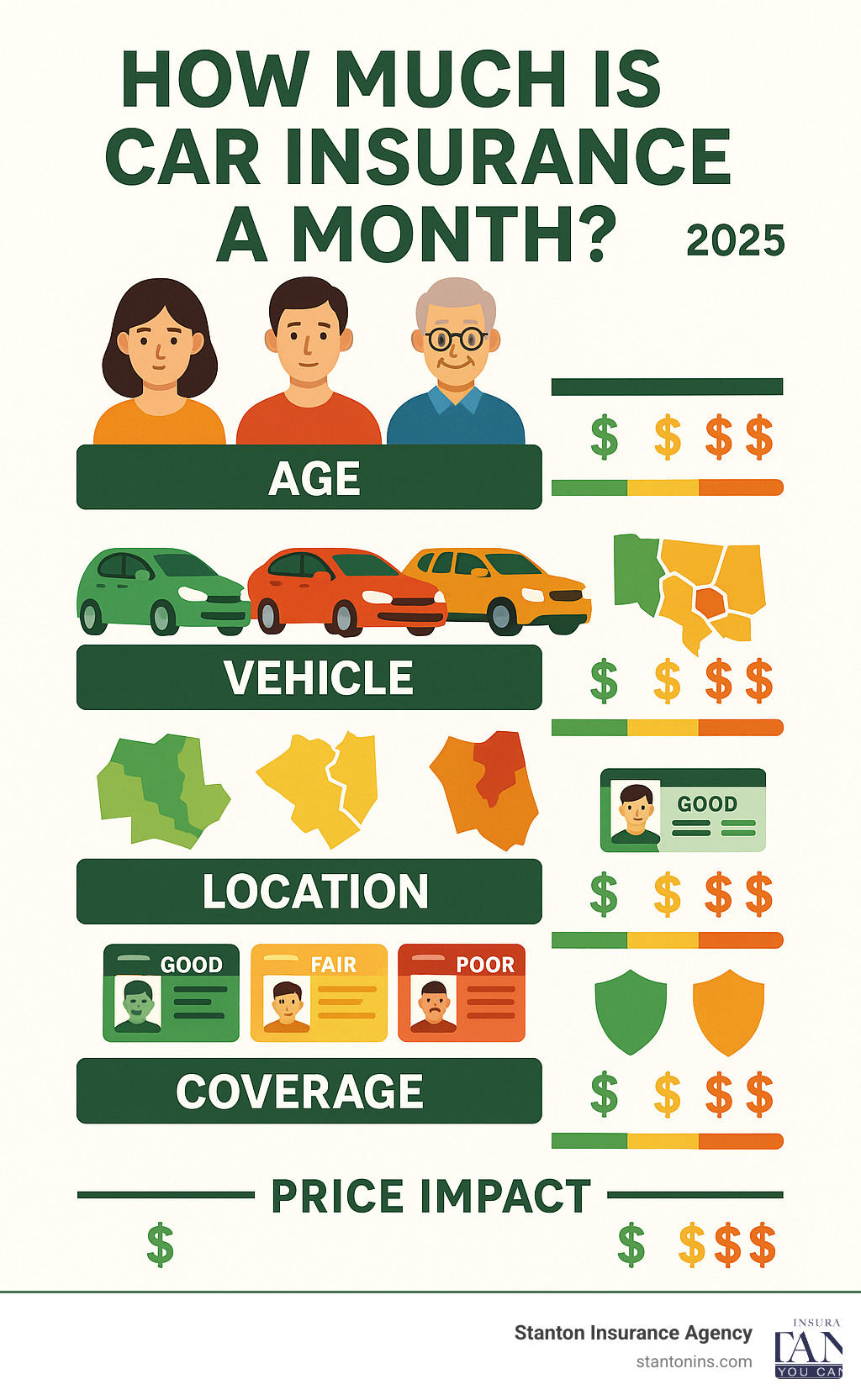
Age remains one of the most powerful predictors of insurance costs. In Waukegan, teen drivers represent the highest risk category for carriers.
- Teen Drivers (16-19): A 16-year-old in Waukegan can expect a policy to cost upwards of $4,500 per year if they are on their own policy. Most families choose to add teens to a household policy to leverage multi-car discounts.
- Young Adults (20-25): Rates typically begin to drop significantly once a driver reaches age 25, provided they have maintained a clean record.
- Seniors (65+): While seniors often benefit from "mature driver" discounts, rates may begin to creep upward again after age 75 due to statistical increases in reaction-time-related incidents.
The Cost of Violations
A single speeding ticket in Waukegan can increase your premium by 15% to 20% for three years. More severe infractions, such as a DUI or "Driving Under the Influence," can cause rates to double or lead to a non-renewal of the policy. In these instances, drivers may be required to file an SR-22 certificate with the Illinois Secretary of State to prove financial responsibility.
Strategies to Lower Your Auto Insurance in Waukegan
Despite the rising costs of vehicle repairs and medical care in 2026, there are several actionable ways to reduce your annual spend without sacrificing necessary protection.
Telematics and Usage-Based Insurance (UBI)
Most major carriers in Illinois now offer programs that track your driving habits via a smartphone app or a plug-in device. If you are a low-mileage driver or someone who avoids hard braking and late-night driving in Waukegan, you could see discounts of 10% to 30%. This is particularly beneficial for commuters who use the Metra Union Pacific North line and leave their cars parked during the week.
Bundling and Multi-Policy Discounts
Waukegan homeowners can save significantly by "bundling" their auto insurance with their homeowners or renters insurance. Carriers like State Farm and Allstate, both of which have a massive corporate presence in Illinois, offer some of the most aggressive bundling discounts in the Midwest.
Increasing Your Deductible
Raising your deductible from $500 to $1,000 can reduce your comprehensive and collision premiums by as much as 15%. This is a viable strategy for Waukegan residents who have an emergency fund capable of covering the higher out-of-pocket cost in the event of a claim.
Professional and Academic Discounts
Students attending the College of Lake County or local high school students with a "B" average or higher are often eligible for Good Student Discounts. Additionally, members of certain professional organizations or unions—common in Waukegan’s healthcare and manufacturing sectors—may qualify for group rate reductions.
Frequently Asked Questions
Is auto insurance more expensive in Waukegan than in Chicago?
Generally, no. While Waukegan is more expensive than rural towns like Antioch or Gurnee, it is typically cheaper than Chicago proper. Chicago drivers face higher rates of theft, vandalism, and traffic congestion, which results in a higher "territory rating" from insurance actuaries.
Does Illinois require Uninsured Motorist coverage?
Yes. Illinois law requires that your policy includes Uninsured Motorist (UM) Bodily Injury coverage. This is critical in Waukegan, where a notable percentage of drivers may be operating vehicles without valid insurance despite state mandates. This coverage ensures that your medical bills are paid if you are hit by an uninsured driver.
How does the Waukegan weather affect my insurance?
Insurance companies look at "catastrophic loss" data for the region. Waukegan's history of severe winter weather and occasional spring flooding means that "Comprehensive" coverage is more expensive here than in Southern Illinois. Comprehensive claims for hail damage or sliding into a snowbank are common in Lake County.
What should I do if I can’t find affordable insurance in Waukegan?
If you are a high-risk driver and have been denied coverage by private carriers, you may be eligible for the Illinois Automobile Insurance Plan. This is a state-mandated plan designed to provide coverage for those who cannot obtain it in the voluntary market, though it is usually much more expensive.
Do I need to inform my insurer if I commute to Chicago?
Yes. If your daily commute involves driving from Waukegan to Chicago (roughly 40 miles each way), you must disclose this mileage. Underestimating your annual mileage to save on premiums is considered "soft fraud" and can lead to a denied claim if the insurer discovers the discrepancy after an accident.
Final Recommendation for Waukegan Drivers
To secure the most accurate and affordable rate in Waukegan for 2026, you should compare quotes from at least three different carriers every 12 to 18 months. Because the Illinois insurance market is highly reactive to legislative changes and local accident data, the company that was the cheapest last year may not be the most competitive today.
Prioritize companies with strong local claims offices in Lake County to ensure that if you do have an accident on Sheridan Road or the Amstutz Expressway, you can receive prompt, localized service. Always verify the financial stability of a carrier through A.M. Best before committing to a policy.
Disclaimer: This article provides general information and does not constitute legal or financial advice. Insurance rates are subject to individual underwriting and state regulatory changes.
Image Gallery