State Farm Auto Insurance with No Deductible for Hurricane Losses
State Farm provides hurricane-related vehicle protection through its Comprehensive coverage. While most policies include a deductible, you can opt for a $0 deductible Comprehensive plan in many states. This selection ensures that damag...
State Farm provides hurricane-related vehicle protection through its Comprehensive coverage. While most policies include a deductible, you can opt for a $0 deductible Comprehensive plan in many states. This selection ensures that damage from wind, flooding, or falling debris during a hurricane is covered without any out-of-pocket costs when filing a claim in 2026.
Contents
Understanding Hurricane Coverage in State Farm Auto Policies
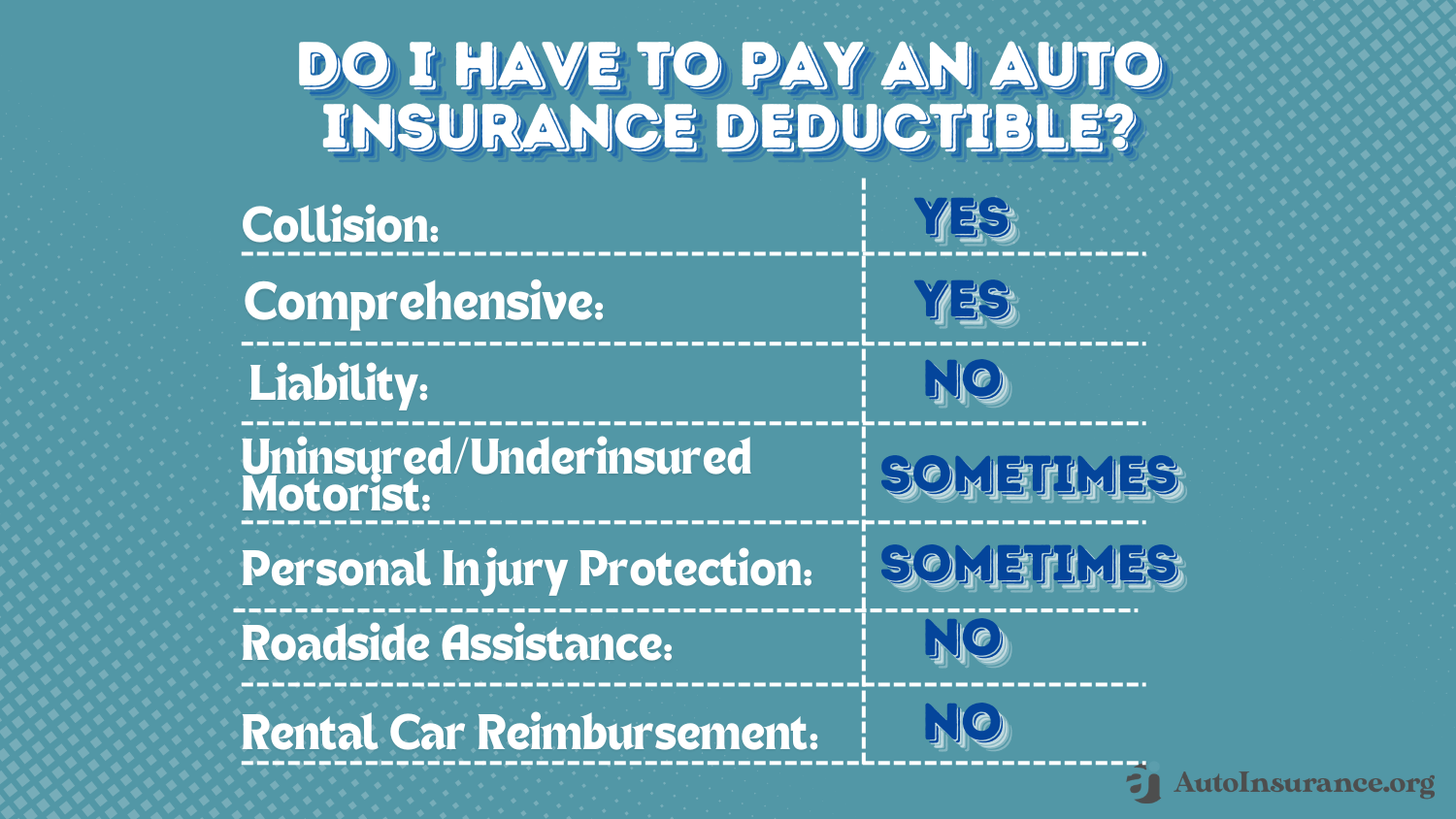
When discussing hurricane protection for a vehicle, it is essential to distinguish between the various types of auto insurance. Hurricanes present a unique set of risks, including high-velocity winds, torrential rain leading to flooding, and flying projectiles. Under a standard State Farm auto policy, these risks are not covered by Liability or Collision insurance. Instead, they fall exclusively under Comprehensive Coverage.
Comprehensive coverage, often referred to as "other than collision," protects your vehicle against events outside of your control. In the context of a hurricane, this includes:
- Flood Damage: If a storm surge or heavy rainfall causes water to enter the engine or interior.
- Wind Damage: If high winds dent body panels or strip paint.
- Falling Objects: If a tree, branch, or utility pole falls onto the vehicle.
- Projectiles: If roof shingles or other debris strike the car.
To achieve a "no deductible" status for these events, a policyholder must specifically select a $0 deductible for their Comprehensive coverage. While many drivers choose a $500 or $1,000 deductible to lower their monthly premiums, State Farm allows the flexibility to eliminate this out-of-pocket expense entirely.
The Availability of $0 Deductible Options
As of 2026, State Farm continues to offer $0 deductible Comprehensive coverage in the majority of U.S. jurisdictions. However, the availability of this specific option can be influenced by state insurance regulations and the specific risk profile of the region.
The Trade-off: Premium vs. Deductible
Choosing a no-deductible policy is essentially a form of self-insurance in reverse. By paying a higher monthly or six-month premium, you transfer the entire financial risk of a hurricane loss to State Farm. For drivers in hurricane-prone regions like the Gulf Coast or the Atlantic seaboard, this is often a strategic financial move. During the aftermath of a major storm, liquidity is often tight; not having to produce $500 or $1,000 to initiate vehicle repairs can be a significant relief.
State-Mandated Zero Deductibles (Glass)
It is important to note that some states have "Full Glass" laws. In states like Florida, Kentucky, and South Carolina, State Farm is required by law to provide windshield repair or replacement with no deductible, provided the driver has Comprehensive coverage. While this does not cover the entire car for hurricane damage without a $0 Comprehensive deductible, it does ensure that the most common form of storm damage—a cracked windshield from flying debris—is handled without cost.
Binding Moratoriums: The Timing of Your Coverage
One of the most critical aspects of securing a no-deductible policy for hurricane season is the timing of the application. State Farm, like all major insurers, utilizes binding moratoriums.
A binding moratorium is a temporary suspension of an agent's authority to write new policies or increase coverage (such as lowering a deductible) when a storm is imminent. Typically, once the National Weather Service issues a hurricane watch or warning for a specific geographic area, State Farm will "close the books" for that region.
If you attempt to change your Comprehensive deductible from $500 to $0 while a named storm is churning in the Atlantic and headed toward your coast, you will likely find that the system is locked. To benefit from a no-deductible hurricane claim, the policy must be in place before the moratorium is triggered. In 2026, it is recommended to review and adjust these limits at the start of the hurricane season (June 1st) rather than waiting for a specific threat.
Comparing Deductible Tiers for Hurricane Risk
The following table illustrates how different deductible levels affect a policyholder's financial responsibility following a major hurricane event, assuming a vehicle sustains $8,000 in flood and wind damage.
| Feature | $0 Deductible Plan | $500 Deductible Plan | $1,000 Deductible Plan |
|---|---|---|---|
| Out-of-Pocket Cost | $0 | $500 | $1,000 |
| State Farm Payout | $8,000 | $7,500 | $7,000 |
| Monthly Premium | Highest | Moderate | Lowest |
| Ideal For | Low liquidity/High risk | Balanced budget | High liquidity/Low risk |
| Glass Replacement | $0 Cost | $0 (in certain states) | $0 (in certain states) |
How to Verify and Update Your Deductible
To ensure your State Farm policy is set to a $0 deductible for hurricane losses, you should follow a structured verification process.
- Review the Declarations Page: This document, available via the State Farm mobile app or website, lists your specific coverages. Look for "Comprehensive" and the dollar amount listed next to it.
- Contact a Local Agent: State Farm operates through a vast network of captive agents. Speaking with an agent in your specific coastal community is beneficial because they understand local flood zones and state-specific endorsements.
- Adjust Coverage Limits: If you currently have a deductible and wish to move to $0, you can request this change through the app. Be prepared for a premium increase, which will be prorated for the remainder of your current policy term.
- Confirm Modern Endorsements: Ask about any 2026-specific updates to "Emergency Roadside Service" or "Car Rental and Travel Expenses" coverage, as these are often utilized alongside hurricane claims if your vehicle is rendered inoperable.
Filing a Hurricane Claim in 2026
In the event of a hurricane, State Farm deploys "Catastrophe Teams" (CAT teams) to the hardest-hit areas. These are specialized adjusters trained to handle high volumes of storm-related claims efficiently.
Documentation Requirements
To expedite a no-deductible claim, documentation is vital. If safe to do so, take high-resolution photographs of your vehicle in its original location after the storm. Document the high-water mark if the vehicle was flooded. Because you have a $0 deductible, the adjuster will calculate the total cost of repairs and State Farm will issue a payment directly to the repair facility (or to you, depending on the lienholder status) for the full amount of the estimate.
Total Loss Scenarios
If the hurricane damage is severe—common with flooding—State Farm may declare the vehicle a total loss. In a no-deductible scenario, you would receive the Actual Cash Value (ACV) of the vehicle without any deductions. If you had a $1,000 deductible, that amount would be subtracted from your total loss settlement.
Common Pitfalls to Avoid
- Assuming Liability is Enough: Many drivers carry only the state-mandated liability insurance. Liability does not cover your own vehicle's damage from a hurricane. Without Comprehensive coverage, you have no protection against storm losses, regardless of the deductible.
- Neglecting the Interior: If a hurricane breaks a window and rain ruins the electronics and upholstery, this is covered under Comprehensive. However, personal items inside the car (like a laptop or luggage) are typically covered by Homeowners or Renters insurance, not auto insurance.
- Misunderstanding "Hurricane Deductibles": Some people hear about "Hurricane Deductibles" in the context of home insurance (which are often percentages of the home's value) and assume auto insurance works the same way. In auto insurance, it is a flat dollar amount. You can explicitly set this amount to zero with State Farm.
Frequently Asked Questions
Does State Farm cover engine damage caused by driving through a flooded street during a hurricane?
If you have Comprehensive coverage, damage from flooding is generally covered. However, if you intentionally drive into deep water, the claim could be scrutinized for "intentional acts" or negligence. It is always safer to wait for the storm to pass and waters to recede before attempting to move the vehicle.
Can I change my deductible to $0 after a hurricane is named?
Generally, no. State Farm usually implements a binding moratorium once a hurricane watch or warning is issued for your area. This prevents people from buying "instant" coverage for a known imminent threat. You must have the $0 deductible in place before the storm becomes an active threat to your region.
Will filing a hurricane claim with a $0 deductible raise my rates?
In many states, insurance companies are prohibited from raising rates for claims caused by "Acts of God," such as hurricanes, as long as you were not at fault. However, if you have a high frequency of Comprehensive claims over a short period, it may impact your overall risk tier during renewal in 2026.
Is the $0 deductible option more expensive in Florida or Louisiana?
Yes. Because the statistical likelihood of a Comprehensive claim is significantly higher in hurricane-prone states, the premium "jump" from a $500 deductible to a $0 deductible will be more expensive in these regions compared to inland states like Kansas or Ohio.
What if my car is hit by a neighbor’s flying fence during a hurricane?
This is still considered a Comprehensive claim. Because the damage was caused by wind-blown debris (an Act of God), it falls under your Comprehensive coverage. If you have the $0 deductible option, State Farm will pay for the repairs in full.
Practical Recommendation
For vehicle owners in coastal regions or areas prone to severe flash flooding, the $0 deductible Comprehensive coverage from State Farm is a highly effective risk-management tool for 2026. While it results in a higher monthly premium, it eliminates the financial friction of a deductible during the chaotic period following a natural disaster. Ensure you review your policy and make any necessary adjustments before June to avoid being locked out by a binding moratorium.
Image Gallery