Exploring the Penthouse Philadelphia: A Guide to Luxury Vertical Living
Exploring the penthouse Philadelphia market requires an understanding of the city’s high-end residential landscape, where premium listings are primarily concentrated in the Rittenhouse Square, Logan Square, and Waterfront districts. Na...
Exploring the penthouse Philadelphia market requires an understanding of the city’s high-end residential landscape, where premium listings are primarily concentrated in the Rittenhouse Square, Logan Square, and Waterfront districts. Navigating these top-tier properties involves evaluating floor-to-ceiling panoramic views, bespoke architectural finishes, and the specialized lifestyle services—such as 24/7 concierge and private elevator access—that define the pinnacle of urban living in the region.
Contents
The Landscape of Philadelphia Luxury Real Estate
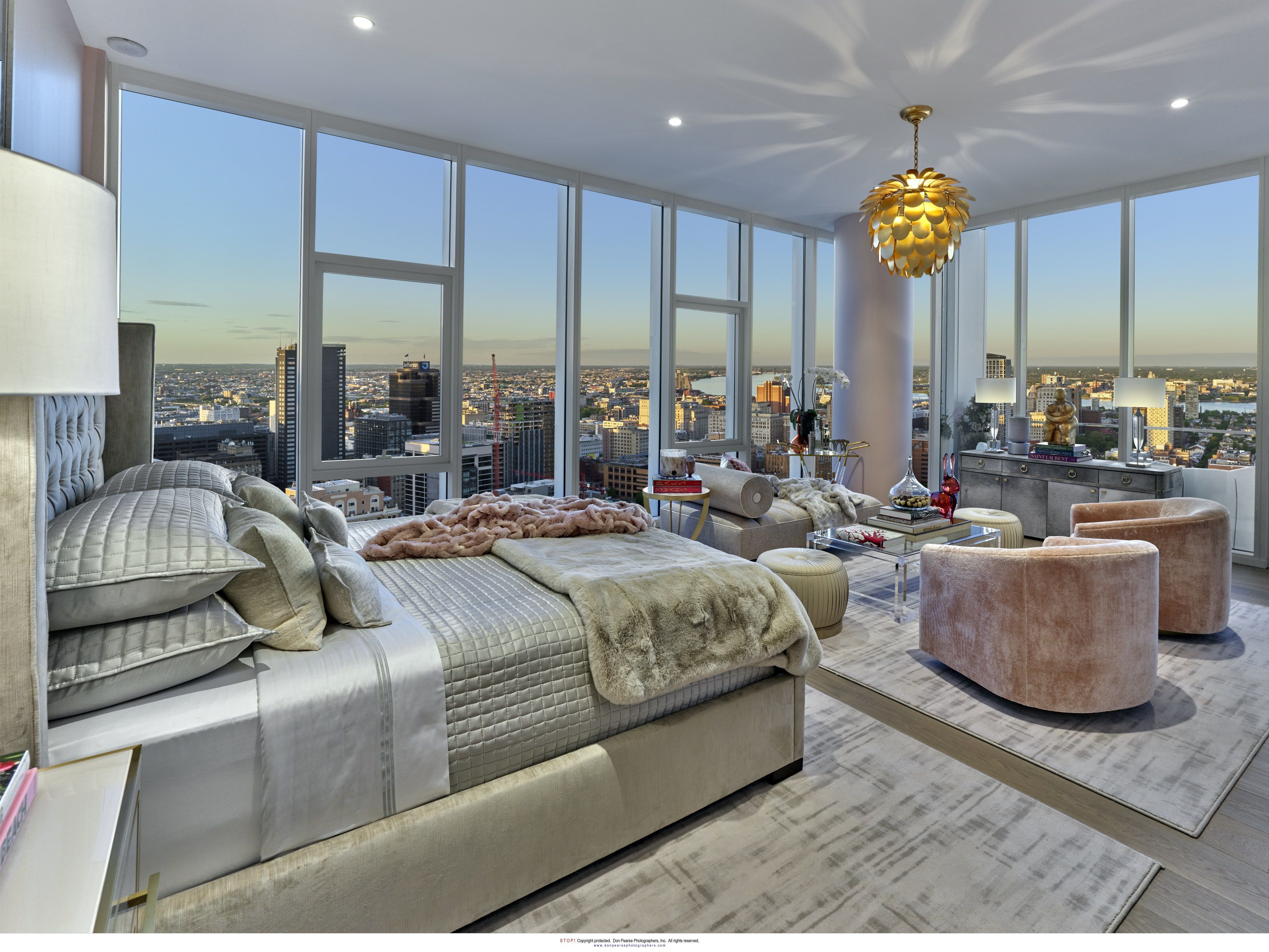
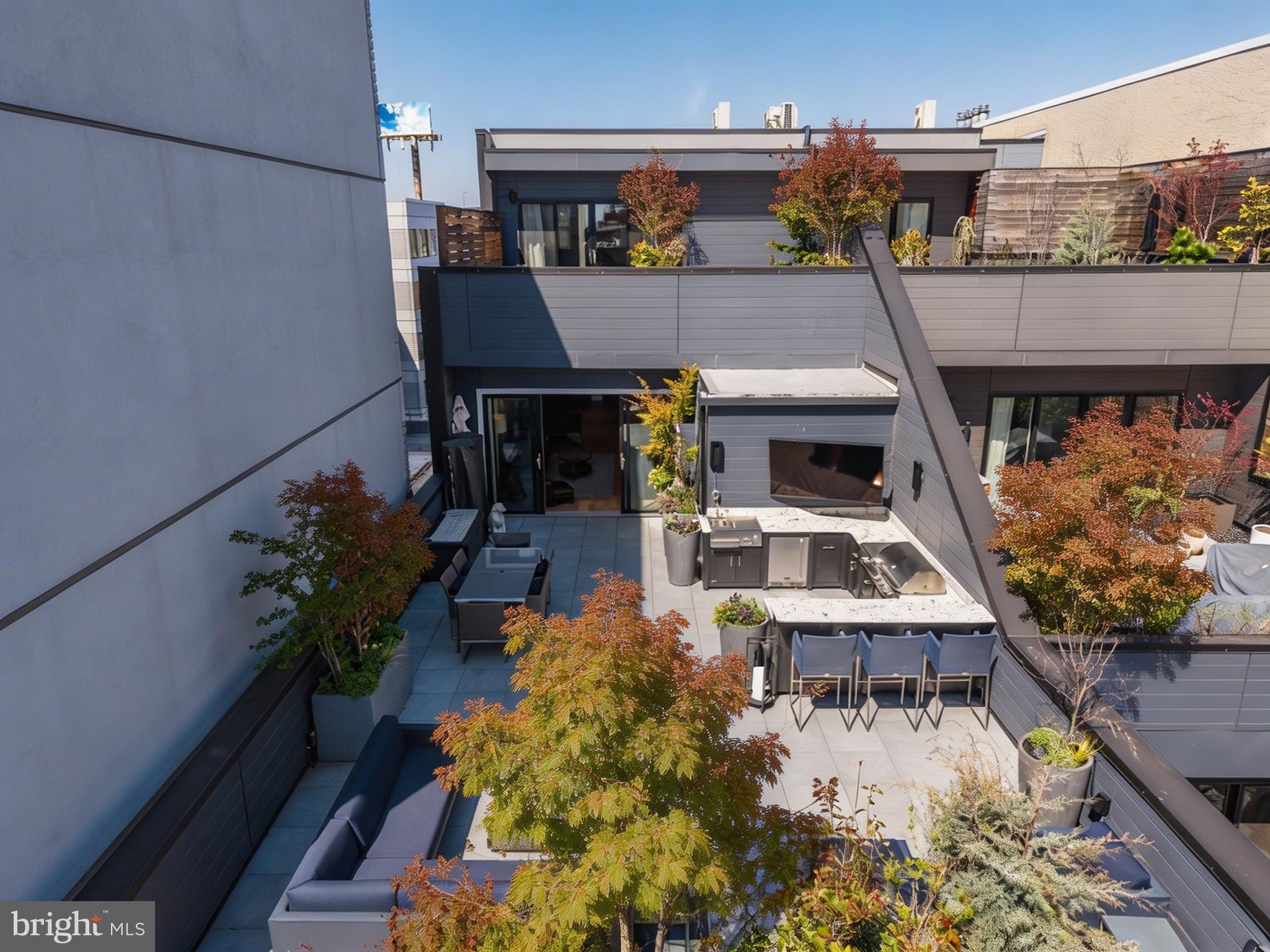
Philadelphia’s luxury market has evolved significantly over the last decade, transitioning from traditional brownstone prestige toward high-rise vertical living. The term "penthouse" in Philadelphia now refers to a distinct class of real estate that occupies the uppermost floor or floors of a luxury condominium tower. Unlike standard units, these residences often feature expansive outdoor terraces, private rooftop access, and significant square footage that can exceed 5,000 square feet.
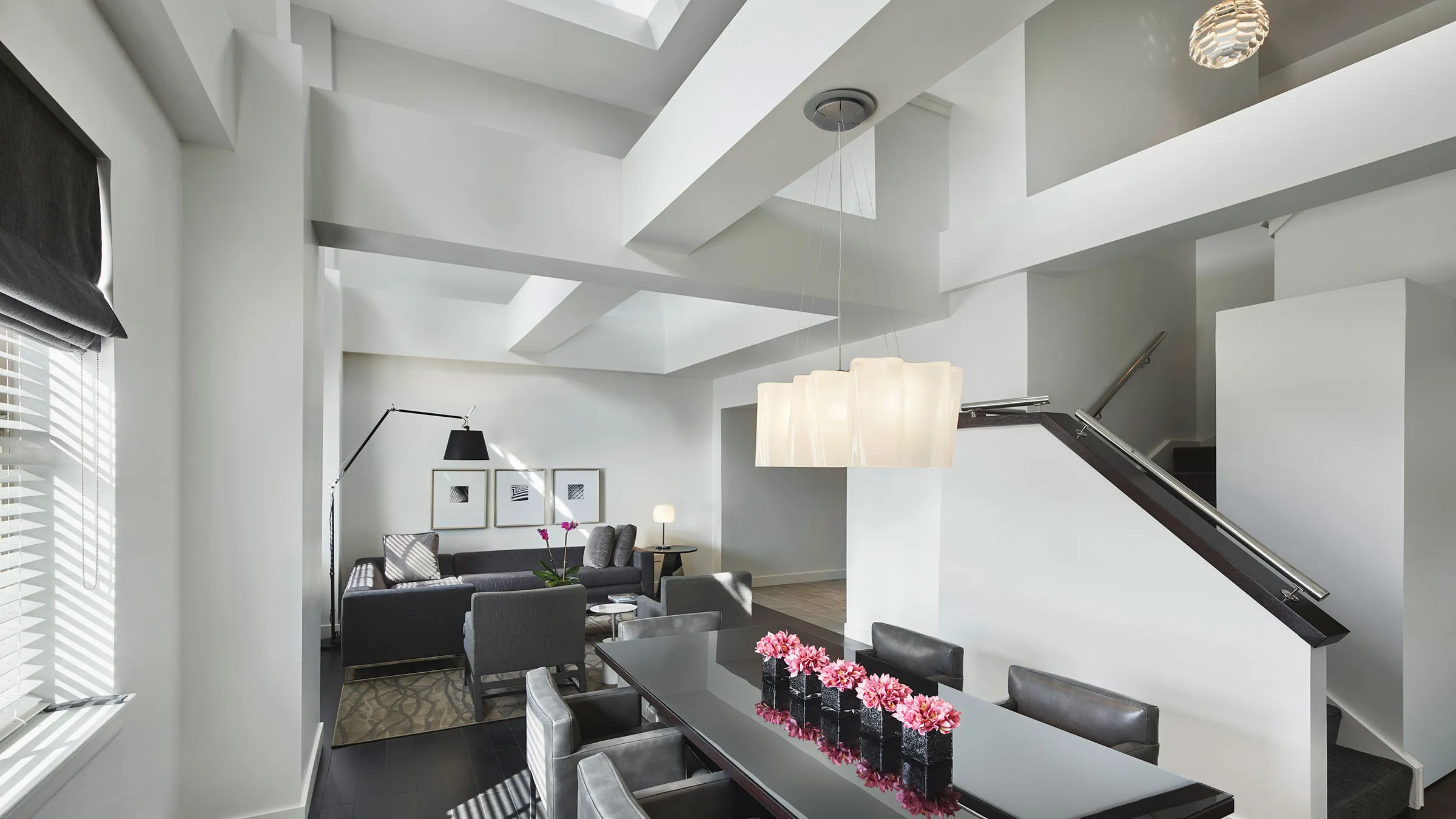
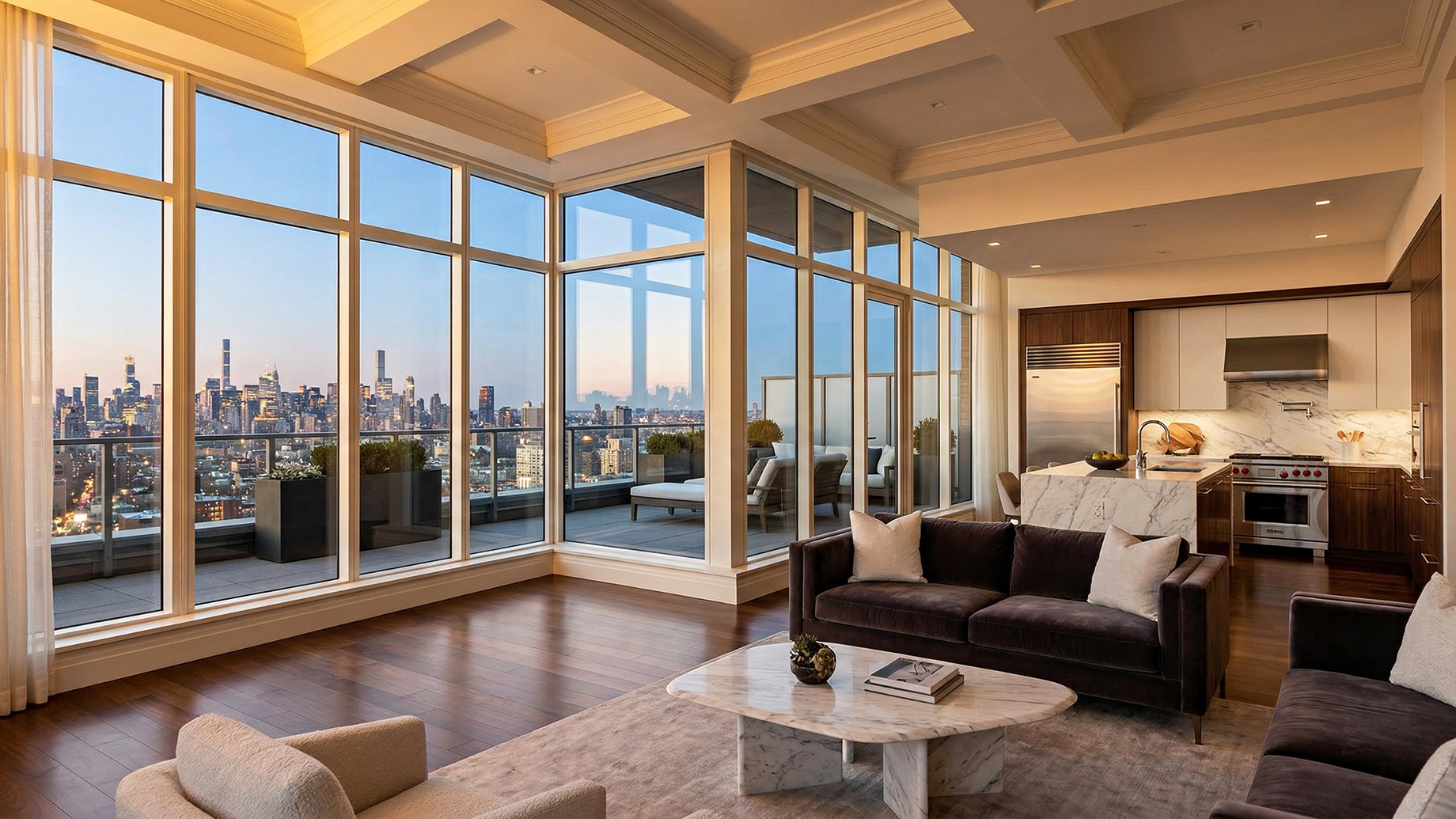
Most elite penthouses are situated in purpose-built luxury towers that offer amenities comparable to five-star hotel services. When exploring these properties, it is essential to distinguish between a "top-floor unit" and a true "penthouse," the latter typically characterized by premium ceiling heights, superior appliance packages, and custom architectural layouts that maximize the city's unique skyline.
Key Neighborhoods for Penthouse Living
In 2026, the geographic focus for ultra-luxury penthouses remains relatively stable, centered on established affluent zones.
- Rittenhouse Square: This area represents the traditional heart of Philadelphia wealth. Penthouses here are often found in historic luxury high-rises or ultra-modern glass towers. Properties in this district are highly sought after due to their immediate proximity to the park, upscale dining, and boutique retail.
- Logan Square: Known for cultural institutions and the Benjamin Franklin Parkway, Logan Square offers newer construction with expansive views of the Schuylkill River and the Philadelphia Museum of Art. These penthouses often emphasize modern, minimalist design.
- Old City and Waterfront: Recent developments along the Delaware River have introduced a new wave of waterfront penthouses. These units typically emphasize natural light and unobstructed views of the bridges and river activity, attracting buyers seeking a contemporary aesthetic away from the density of Rittenhouse.
Technical and Operational Considerations
When evaluating a penthouse in Philadelphia, prospective residents and investors must look beyond aesthetics. The technical specifications of these properties influence long-term maintenance and utility costs, which can be substantial given the square footage and specialized systems.
Infrastructure and Building Management
High-end buildings in Philadelphia are governed by Homeowners Associations (HOAs) with rigorous bylaws. When exploring these units, one must verify the "capital reserves" of the building, which cover future infrastructure repairs like HVAC overhauls, exterior facade maintenance, or elevator modernizations.
Comparing Luxury Tiers
The following table outlines the distinctions between different levels of luxury vertical living in Philadelphia.
| Feature | Standard Condo | Luxury High-Rise | Ultra-Luxury Penthouse |
|---|---|---|---|
| Average Ceiling Height | 8–9 ft | 9–10 ft | 12+ ft |
| Concierge Services | Limited/Remote | 24/7 Doorman | Full-Service/Private Staff |
| Outdoor Space | None/Shared | Small Balcony | Private Terrace/Roof |
| View Quality | Variable | Cityscape | Panoramic/360-degree |
| Parking | On-street/Public | Assigned Garage | Private/Valet Reserved |
Navigating the Acquisition Process
Acquiring a penthouse in Philadelphia involves a different set of expectations than a standard real estate transaction. Because these properties are often "pocket listings" or maintained with high levels of privacy, formal market transparency can be limited.
- Verification of Financial Position: Due to the price points, sellers and building management companies often require verified proof of funds or pre-qualification letters from private banks before granting access for a showing.
- Due Diligence on Governance: Review the meeting minutes of the condo board for the last 24 months. Look for indicators of upcoming special assessments, which are one-time fees charged to owners for large-scale building repairs that are not covered by regular dues.
- Appraisal Challenges: Penthouses are "unique" assets. Appraising them is notoriously difficult because there are often few comparable sales within the same building. Rely on specialized luxury brokers who possess data on off-market transactions and private sales.
- Tax Considerations: Philadelphia tax laws regarding real estate, including the Real Estate Transfer Tax, should be discussed with a certified public accountant. High-value property taxes can be a significant portion of the ongoing carrying costs.
Common Pitfalls to Avoid
A common mistake when exploring luxury penthouses is prioritizing interior finishes over building infrastructure. While marble flooring and high-end cabinetry are visual highlights, the underlying mechanical systems—such as individual climate control units or specialized glass window insulation—are what determine your comfort and long-term costs.
Another frequently overlooked element is the "pet and guest policy." In ultra-exclusive buildings, the rules regarding elevator usage for service workers, delivery timing, and guest access can be strictly codified in the building’s rules and regulations. Reviewing these documents is as important as reviewing the floor plan.
Frequently Asked Questions
What is the price range for a premier penthouse in Philadelphia? Pricing for true penthouses varies wildly based on square footage and location, but in 2026, entry-level luxury penthouses generally start above $3 million, with flagship properties in the most desirable towers often exceeding $8 million to $12 million.
Are there tax incentives for living in a penthouse? Generally, no. Most tax incentives in Philadelphia are geared toward historic preservation or specific neighborhood development zones. Luxury penthouses typically occupy the highest assessment brackets. Consult with a legal advisor regarding your specific tax liability.
How do I gain access to see a penthouse that is not listed publicly? Luxury brokers often maintain "pocket listings" to protect seller privacy. To access these, you must establish a relationship with a high-end real estate brokerage firm that specializes in Philadelphia’s luxury segment. They act as your gateway to properties that never reach the open market.
Do penthouses come with private elevators? In some, but not all, of Philadelphia’s ultra-luxury buildings, direct elevator access to the unit is a standard feature. Always verify this as part of the building’s security and access specifications before purchase.
What is the difference between an HOA fee and a condo fee? In the context of Philadelphia high-rises, these terms are often used interchangeably to describe the monthly dues paid for the maintenance of common areas, staff, and building services. Ensure your budget accounts for the specific breakdown of these fees, as they can fluctuate based on building services.
Next Steps for Interested Buyers
If you are seriously exploring the penthouse Philadelphia market, begin by auditing your "must-have" requirements versus "nice-to-have" features. Prioritize location and building reputation above internal cosmetic finishes, as the latter can be customized, while the former is permanent.
Schedule a consultation with a luxury real estate professional who has active, recent experience with high-rise transactions in the Rittenhouse or Logan Square districts. Request a portfolio of building bylaws and financial statements before committing to a private showing. By taking these systematic steps, you ensure that your transition into the city's elite vertical living spaces is both secure and soundly invested.
Image Gallery