The Medical Finality: Did Elvis Presley Die in the Baptist Memorial Hospital?
Elvis Presley, the cultural icon and global music sensation, was pronounced dead at the Baptist Memorial Hospital in Memphis, Tennessee, on August 16, 1977. His passing marked a definitive turning point in American popular culture, ini...
Elvis Presley, the cultural icon and global music sensation, was pronounced dead at the Baptist Memorial Hospital in Memphis, Tennessee, on August 16, 1977. His passing marked a definitive turning point in American popular culture, initiating a complex, decades-long legacy of historical investigation, medical scrutiny, and the preservation of his Graceland estate.
Contents
The question of where Elvis Presley died often arises due to the distinction between his home, Graceland, and the medical facility where his death was officially certified. While the events leading to his collapse occurred within his private residence, the formal pronouncement of death took place at the Baptist Memorial Hospital. Understanding the sequence of these events requires a look at the emergency response protocols of the 1970s and the subsequent medical reporting that followed.
The Sequence of Events: August 16, 1977
On the morning of August 16, 1977, Elvis Presley was found unresponsive on the bathroom floor of his master suite at Graceland. At approximately 2:33 p.m., after emergency medical services were called to the scene, he was transported by ambulance to the Baptist Memorial Hospital in downtown Memphis.
Upon arrival, a team of medical professionals attempted extensive resuscitation efforts. Despite these interventions, medical personnel were unable to revive him. He was officially pronounced dead at 3:30 p.m. by the attending physicians. This timeline is supported by official records from the Shelby County medical examiner and contemporary reporting, which clarified that while he was beyond medical intervention upon arrival, the hospital served as the location for the final, formal declaration of his passing.
Understanding Baptist Memorial Hospital
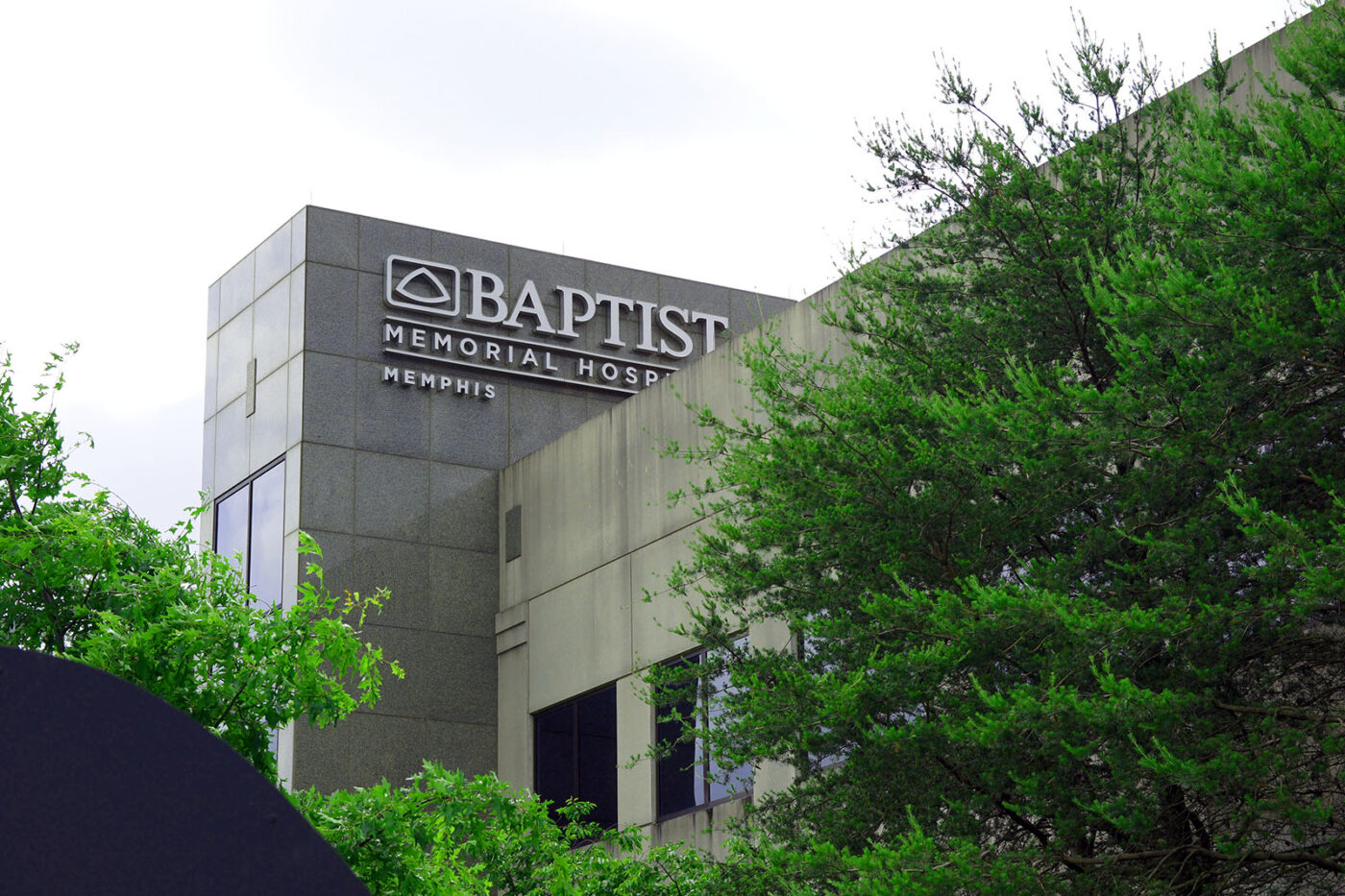
Baptist Memorial Hospital, often referred to as Baptist Memorial Hospital-Memphis, was a major medical hub in the Mid-South region during the 1970s. As a non-profit, faith-based organization, it provided tertiary care for a wide range of patients. At the time of Presley's arrival, the hospital was recognized for its extensive emergency services and critical care capabilities.
The facility’s role in the conclusion of Presley's life is a matter of historical fact, though it is frequently conflated with his home environment. Graceland, located on Elvis Presley Boulevard, served as his primary residence, and the initial medical crisis unfolded there. The transition to the hospital was a standard emergency medical procedure, ensuring that all possible lifesaving measures were attempted in a controlled, clinical environment before the state could legally verify a death.
The Role of Medical Verification in High-Profile Cases
When a public figure of Presley’s stature dies, the verification process becomes a matter of intense public and legal interest. In 1977, the process followed strict regulatory requirements in Tennessee regarding the declaration of death. A patient must be examined by a licensed physician who verifies the absence of vital signs and documents the time, location, and circumstances to the best of their knowledge.
Steps in Formal Pronouncement
- Scene Assessment: Paramedics or private medical staff at the residence perform an initial check.
- Transportation: If a pulse is present or the situation is ambiguous, transport to a hospital is standard.
- Clinical Evaluation: Doctors at the facility conduct a secondary, authoritative assessment.
- Pronouncement: The official time of death is recorded based on the hospital’s arrival and the subsequent declaration by the medical team.
- Autopsy and Certification: A coroner or medical examiner determines the cause of death for the death certificate, which remains a public record.
This sequence ensures that there is a clear, institutional record of the event, distancing the cause of death from speculation that often arises when deaths occur in private, guarded settings.
Historical Context and Public Legacy
The location of Elvis Presley's death is inextricably linked to the broader history of Memphis as a city and the impact of the Presley estate. Following his death, the Baptist Memorial Hospital faced an overwhelming surge of public attention. For years afterward, fans and journalists alike sought details regarding his final hours at the facility.
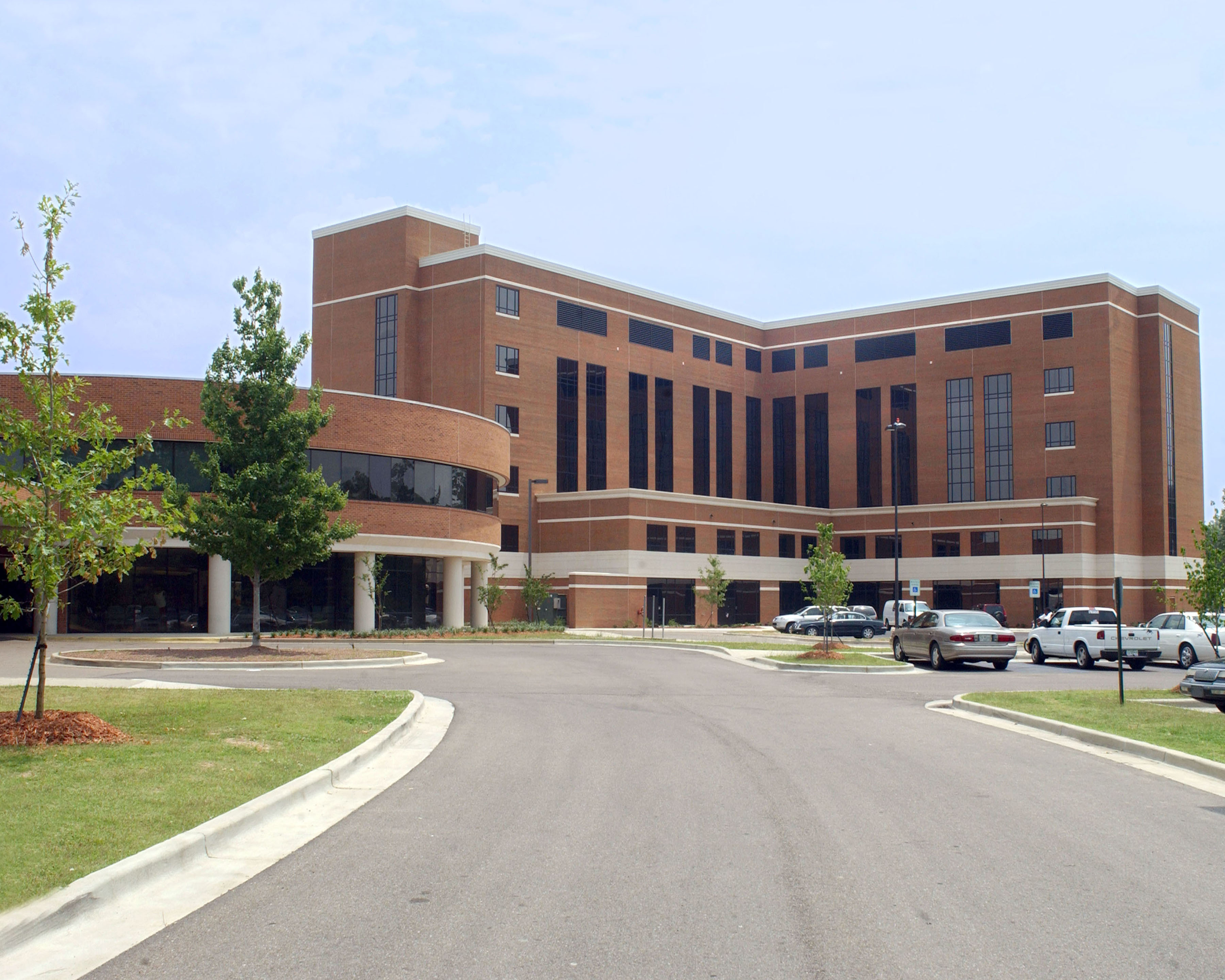
The hospital eventually underwent significant restructuring, and the original buildings associated with the 1977 event have since seen extensive redevelopment. Today, the legacy of that day is preserved in historical archives, biographies, and the public memory, which often centers on the shift from the private life at Graceland to the public, clinical reality of the hospital’s emergency ward.
Key Factors in Historical Accuracy
| Factor | Detail |
|---|---|
| Date of Death | August 16, 1977 |
| Location of Collapse | Graceland (Master Suite) |
| Location of Pronouncement | Baptist Memorial Hospital, Memphis |
| Time of Pronouncement | 3:30 p.m. Central Daylight Time |
| Attending Authorities | Medical staff of Baptist Memorial Hospital |
Addressing Common Inquiries
Where exactly did the medical intervention occur?
The medical intervention occurred in two stages: primary stabilization efforts by paramedics at Graceland, followed by intensive, final resuscitation attempts by the emergency room staff at Baptist Memorial Hospital.
Is the original hospital building still standing in its 1977 form?
No. The Baptist Memorial Hospital system has undergone massive expansions, renovations, and site shifts since 1977. The specific facilities where Presley was treated have been integrated into modern medical campus structures, changing the physical appearance and internal layout of the site significantly.
Why was he transported to the hospital if he was already deceased?
In cases of cardiac arrest or unexplained medical emergencies, EMS protocols mandate transport unless "obvious death" criteria (such as rigor mortis or decapitation) are met. Because Presley was being treated with medication and had an active medical support system, protocol required professional evaluation at a hospital to confirm the biological status definitively.
Did the hospital release any confidential medical data?
The hospital, like all medical institutions, was bound by patient privacy standards of the era. While the cause of death was eventually made public by the coroner’s office to appease intense media scrutiny, the hospital itself maintained strict institutional confidentiality regarding specific treatment notes and internal medical charts.
How does the location impact his biography?
The location serves as a critical boundary between the man’s private, sequestered life at Graceland and the global, public end of the "King of Rock and Roll." It marks the transition from private tragedy to the historical record.
Professional Advice and Record Verification
For those conducting genealogical, historical, or academic research into this event, it is essential to consult official state records rather than anecdotal reports. The Tennessee Department of Health maintains vital records, and the Shelby County Medical Examiner's office provides the authoritative context regarding the certification of deaths. When researching the medical history of public figures, prioritize peer-reviewed biographies and documented court records over tabloid-style reporting, which often conflates timelines for dramatic effect.
In the 2026 climate, digital archives have made it easier than ever to access primary-source information regarding 20th-century historical figures. If you are investigating the timeline of an event from this era, ensure that the primary documents, such as death certificates or official coroner's reports, serve as your anchor for the facts. Avoid secondary summaries that contain speculative narratives regarding the quality of care or the circumstances of transport, as these are often devoid of the actual medical records that guide clinical practice.
The events at the Baptist Memorial Hospital in August 1977 represent a foundational moment in American cultural history. By understanding the distinction between his home life and his final clinical status, one gains a clearer view of the professional procedures that concluded the life of one of the world's most famous performers.
Image Gallery