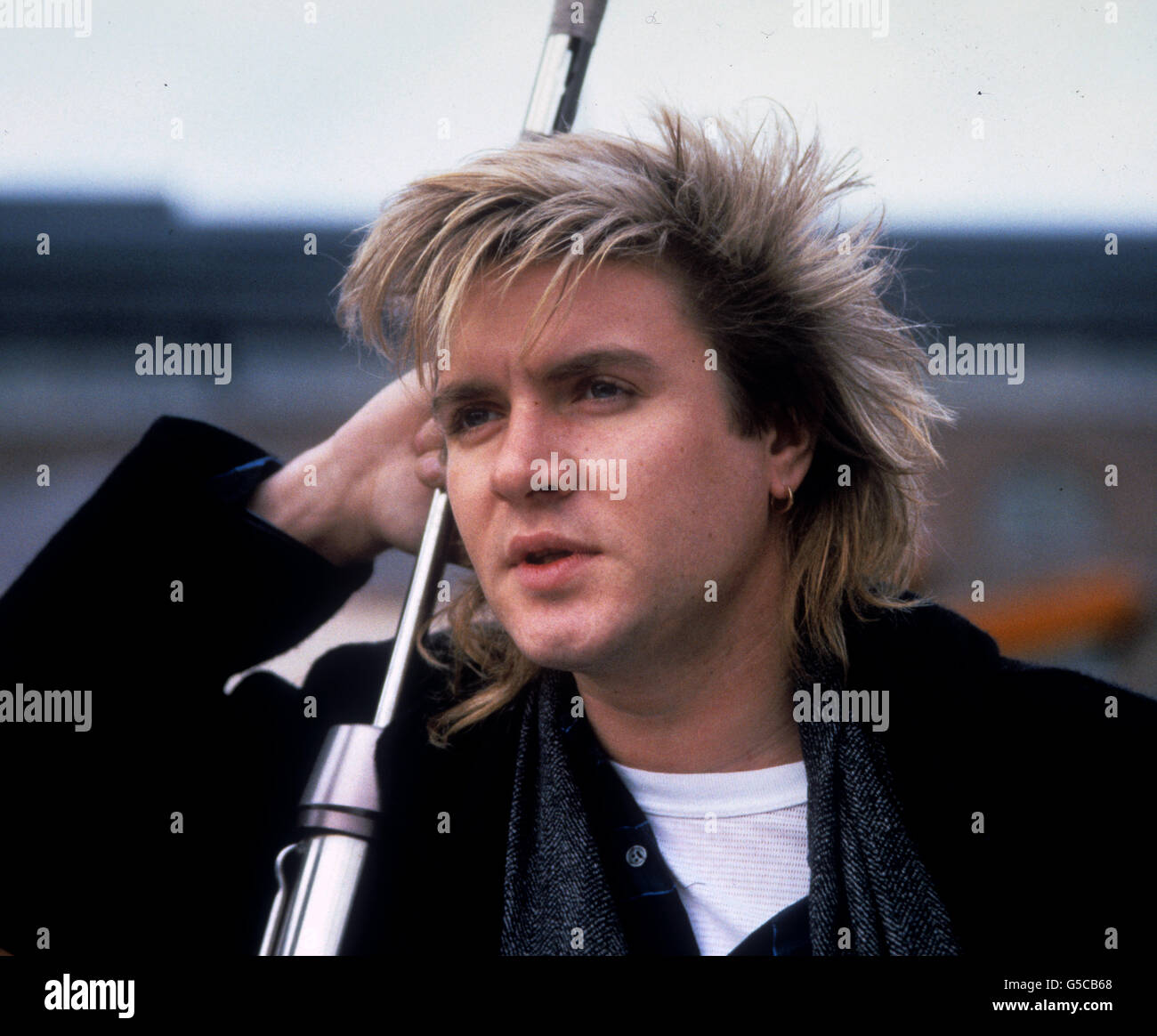
Simon Le Bon: The Defining Voice and Creative Force of Duran Duran
Simon Le Bon stands as the quintessential frontman of the New Romantic era, serving as the lead singer, primary lyricist, and enduring face of the English new wave band Duran Duran since 1980. Beyond his status as a global pop icon, Le...
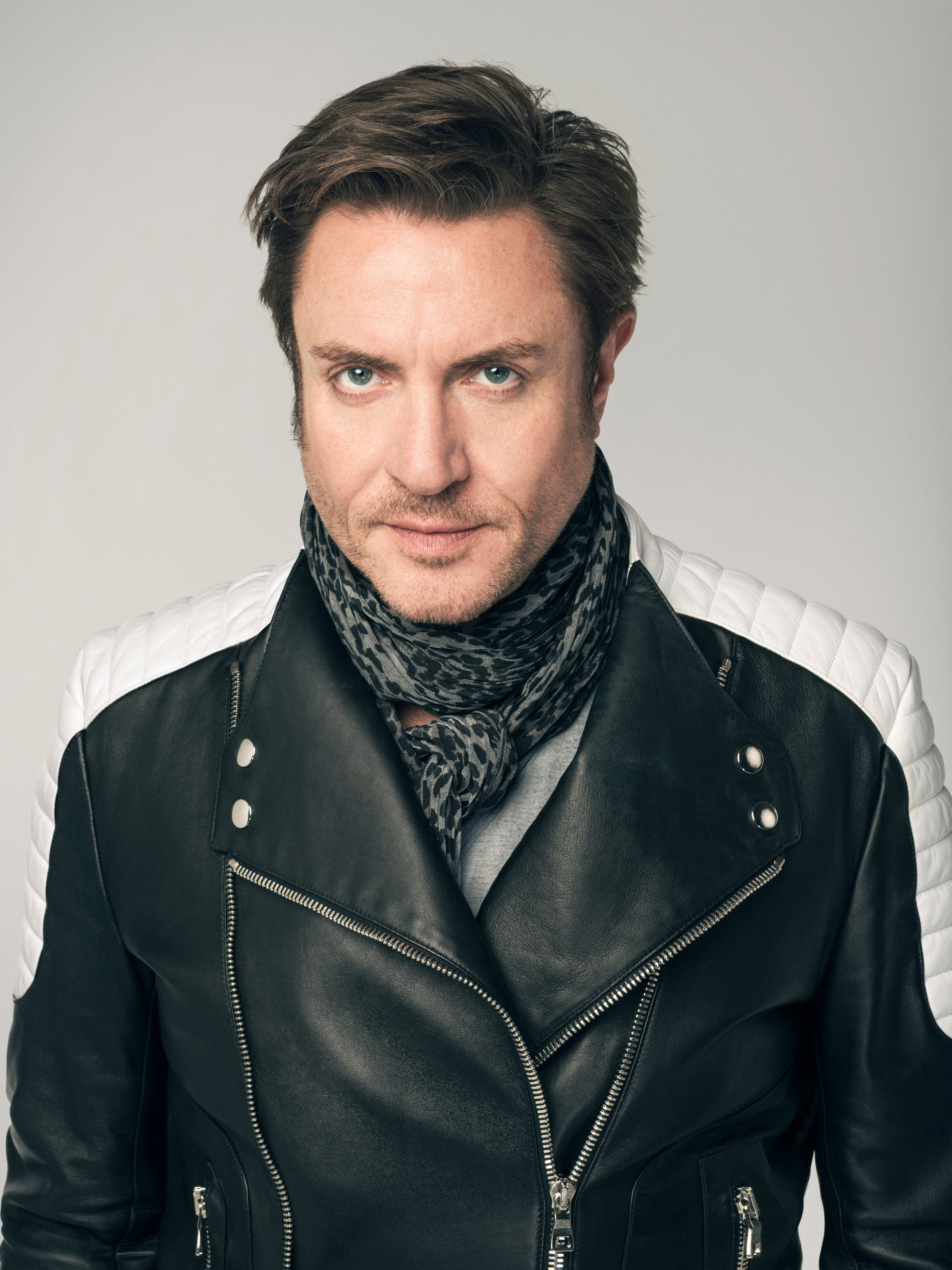
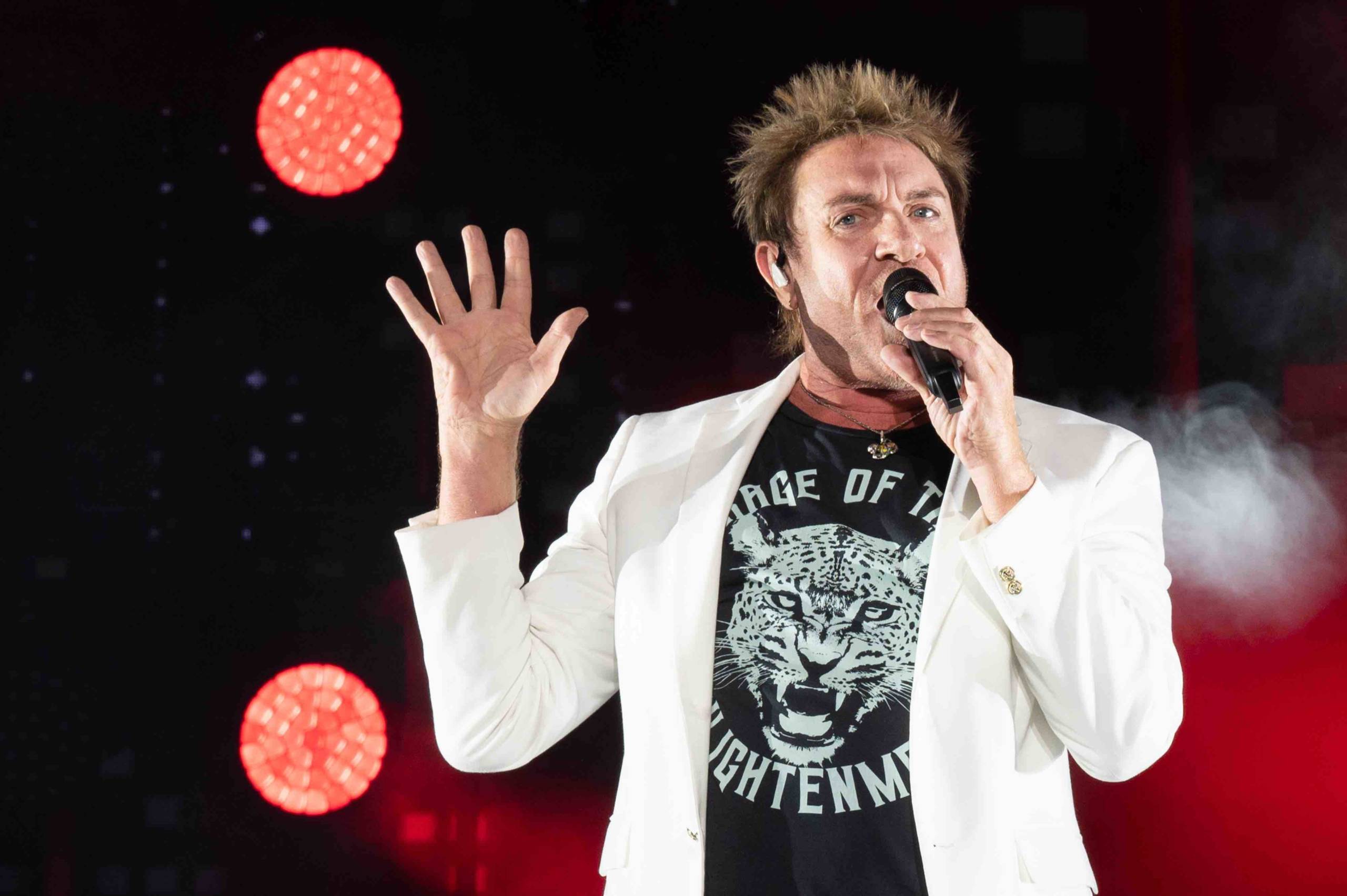
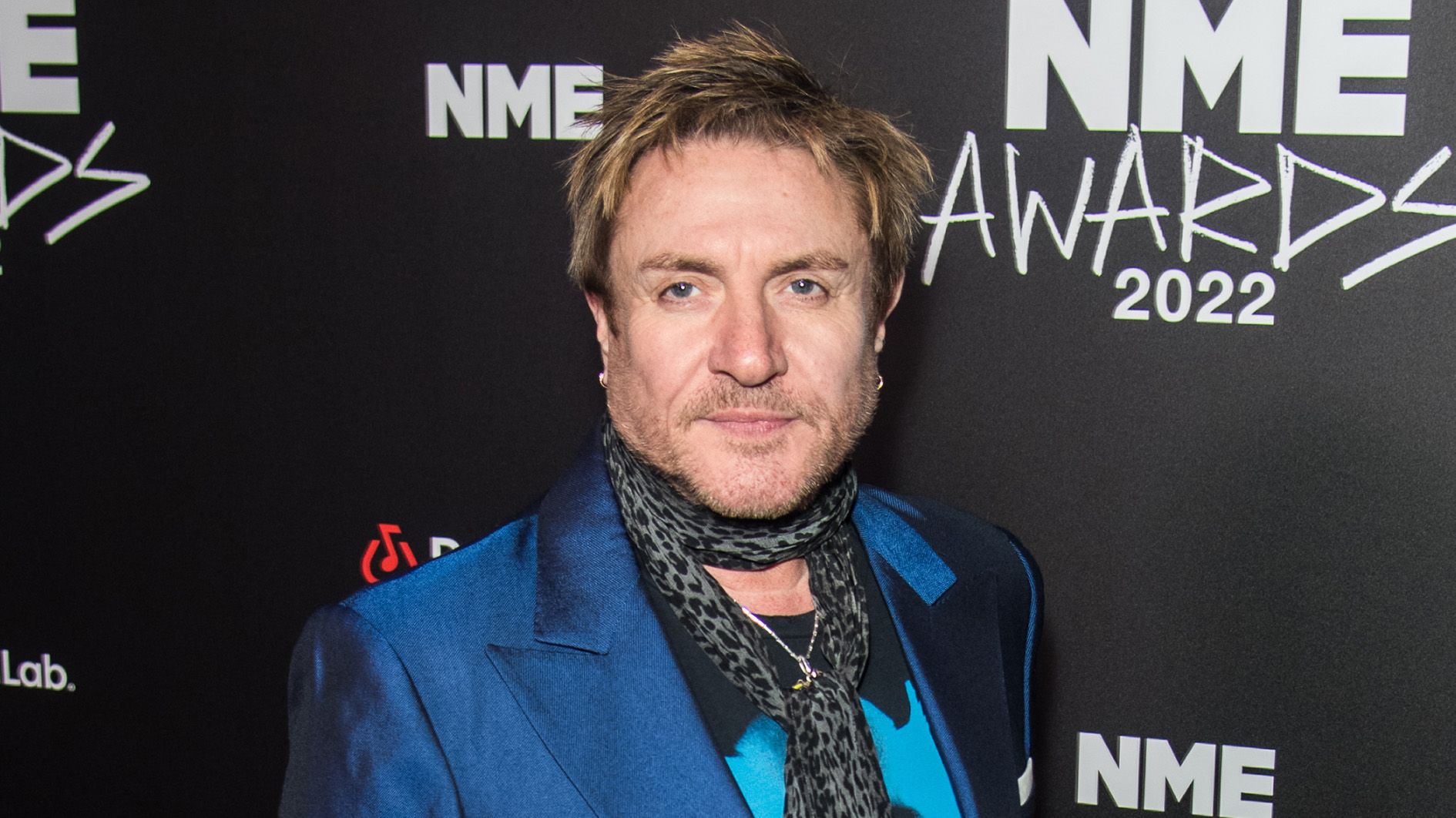
Simon Le Bon stands as the quintessential frontman of the New Romantic era, serving as the lead singer, primary lyricist, and enduring face of the English new wave band Duran Duran since 1980. Beyond his status as a global pop icon, Le Bon has steered the band through four decades of shifting musical landscapes, maintaining a consistent creative partnership with core members while navigating the complexities of fame, artistic evolution, and the rigorous demands of the modern music industry.
Contents
Origins and Integration into Duran Duran
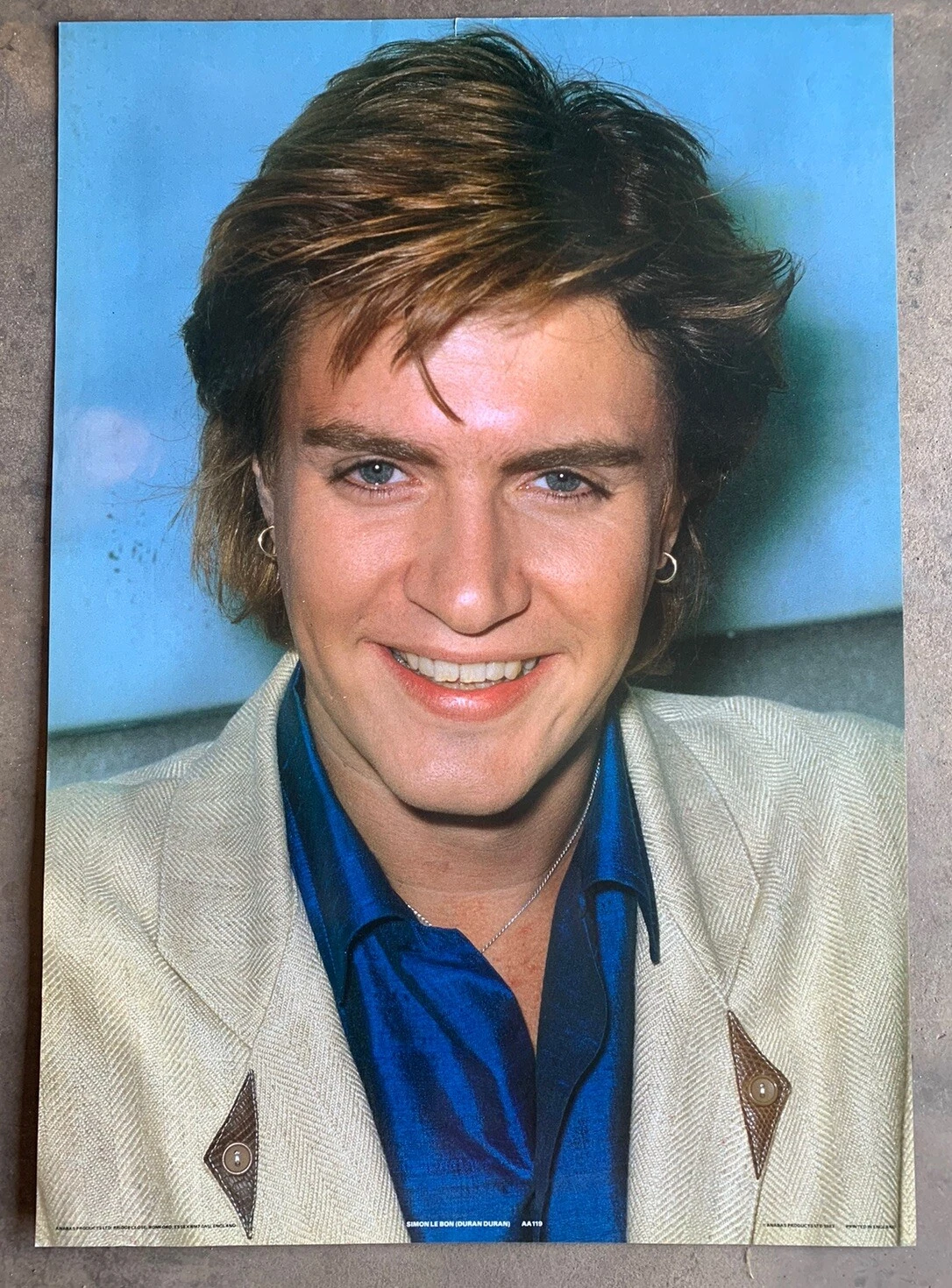
Born in 1958 in Bushey, Hertfordshire, Simon John Charles Le Bon pursued an early interest in drama and performance at the University of Birmingham before answering an advertisement to audition for a local group. Duran Duran, already established in the Birmingham club scene, was seeking a replacement lead vocalist. Upon his arrival, Le Bon brought a blend of literary lyricism and a distinctive vocal range that would eventually define the band’s signature sound.
His integration in 1980 marked the final piece of the puzzle for the classic lineup. Within a year, the band released their self-titled debut album, which captured the transition from post-punk intensity to the polished, synthesizer-driven pop that would dominate the 1980s. Le Bon’s contribution was not merely vocal; his approach to songwriting—often drawing on surrealist poetry and cinematic imagery—provided the conceptual foundation for the band’s meteoric rise.
Artistic Evolution: From New Romantic to Alternative Rock
Throughout the 1980s, Le Bon became the focal point of the "Second British Invasion" of the United States. His ability to project both a traditional rock-star persona and a softer, avant-garde sensibility allowed Duran Duran to transcend the disposable nature of many contemporary acts.
During the 1990s, when many of their peers struggled to adapt to the rise of grunge and alternative rock, Le Bon and his collaborators shifted their focus toward experimental production and sophisticated song structures. Albums such as The Wedding Album (1993) demonstrated his vocal maturity, moving away from the exuberant high-register deliveries of his youth toward a more measured, textured performance style. This transition proved vital for the band’s longevity, as it allowed them to maintain a dedicated fanbase while adapting to the sonic demands of the late 20th and early 21st centuries.
The Business of Longevity and Creative Control
Operating as a successful band in the 2020s requires more than musical talent; it demands rigorous management of intellectual property, touring logistics, and digital fan engagement. Simon Le Bon has remained a central figure in the band’s operational decision-making, ensuring that the legacy of Duran Duran remains protected even as they explore new platforms and partnerships.
Key Factors in Band Sustainability
The persistence of the original partnership between Le Bon, Nick Rhodes, John Taylor, and Roger Taylor is a rarity in the music industry. Several structural factors have enabled this:
- Shared Creative Vision: Maintaining a balance between the band’s classic "Duran" sound and contemporary production techniques.
- Diversified Revenue Streams: Moving beyond album sales to high-production concert tours, festival headlining, and strategic brand collaborations.
- Adaptive Digital Presence: Utilizing real-time data to gauge market interest in specific territories, ensuring that tour routing is both economically viable and optimized for fan density.
- Intellectual Property Management: Retaining control over their extensive back catalog, which remains a consistent source of royalty income and licensing potential.
Comparative Timeline of Major Eras
| Era | Primary Focus | Industry Landscape |
|---|---|---|
| 1980–1985 | International Pop Stardom | MTV-era music videos and global touring |
| 1986–1995 | Artistic Reinvention | Transition to CD and post-Cold War touring |
| 1996–2010 | Cultivating Legacy | Digitization of archives and digital streaming |
| 2011–2026 | Legacy Sustainability | Global festivals, social media, and archival releases |
Technical Vocal Performance and Influence
Le Bon is often noted for a vocal style that balances theatricality with raw power. In the early years, his reliance on a high tenor range served as a melodic anchor for the band's dense, rhythmic, and synth-heavy compositions. As his voice has aged, he has adapted his delivery to include more baritone-inflected resonance, which has been particularly effective in their more recent, mid-tempo compositions.
For aspiring musicians, studying Le Bon’s career offers a lesson in vocal maintenance and adaptation. His ability to perform for over four decades without suffering the career-ending vocal injuries common to high-output rock singers is attributed to a disciplined approach to touring schedules and vocal warm-up routines. He has consistently prioritized the integrity of his voice over the convenience of a relentless touring pace, a standard that is now considered best practice for long-term musical careers.
Navigating Public Persona and Private Life
Despite being one of the most recognizable faces of the 1980s, Le Bon has maintained a relatively stable personal life. His long-standing marriage to model Yasmin Le Bon has often been cited by critics as a factor in his personal and professional stability. By avoiding many of the pitfalls of the "celebrity lifestyle" that defined his contemporaries, he has been able to focus his energy on the creative demands of Duran Duran. This distinction between his public persona and his personal reality has enabled a level of focus that is reflected in the band’s consistent output.
Frequently Asked Questions
How does Simon Le Bon approach songwriting within Duran Duran? Le Bon typically acts as the primary lyricist, often sketching out ideas based on rhythmic patterns provided by the band’s musicians. He views lyrics as a rhythmic instrument, prioritizing the phonetic flow and emotional resonance of words over literal storytelling.
Has Simon Le Bon pursued a solo career? While he has engaged in collaborative side projects, such as Arcadia (formed in 1985 during a hiatus for Duran Duran), he has never pursued a formal solo career. His primary identity and professional output remain inextricably linked to the collective efforts of Duran Duran.
What is the significance of the 2020s for the band? As of 2026, the band continues to operate as a legacy act with a modern outlook. They focus on maintaining the quality of their live performances, which are supported by sophisticated visual production and a catalog that bridges multiple decades, catering to both legacy fans and new audiences discovering the band via modern digital platforms.
How does the band handle the financial requirements of modern touring? Duran Duran operates as a self-managed corporate entity. By carefully controlling the production value of their tours and maintaining a high barrier to entry for their live experiences, they ensure that the financial returns justify the significant costs of high-end, global stage productions.
Is Simon Le Bon involved in the production side of the band? Yes, while he is primarily the frontman, he is deeply involved in the studio process. He collaborates closely with producers to ensure that his vocal performances are integrated effectively into the band's dense, multi-layered instrumentation, ensuring that the mix emphasizes both melodic clarity and rhythmic drive.
Conclusion and Next Actions
Simon Le Bon’s career provides a blueprint for how a performer can maintain relevance and creative integrity in an industry characterized by rapid obsolescence. For those interested in his work, the most effective way to engage with his impact is to examine the evolution of the band’s studio albums chronologically. Starting with the early, high-energy pop of Duran Duran (1981) and progressing to the mature, textured sound of their recent output allows for a comprehensive understanding of how Le Bon has adapted his voice and lyricism over forty-six years.
Fans looking to keep pace with the band's current activities should prioritize official channels, as the band frequently releases archival materials, remastered editions, and tour schedules that reflect their ongoing commitment to quality and historical documentation.
Image Gallery