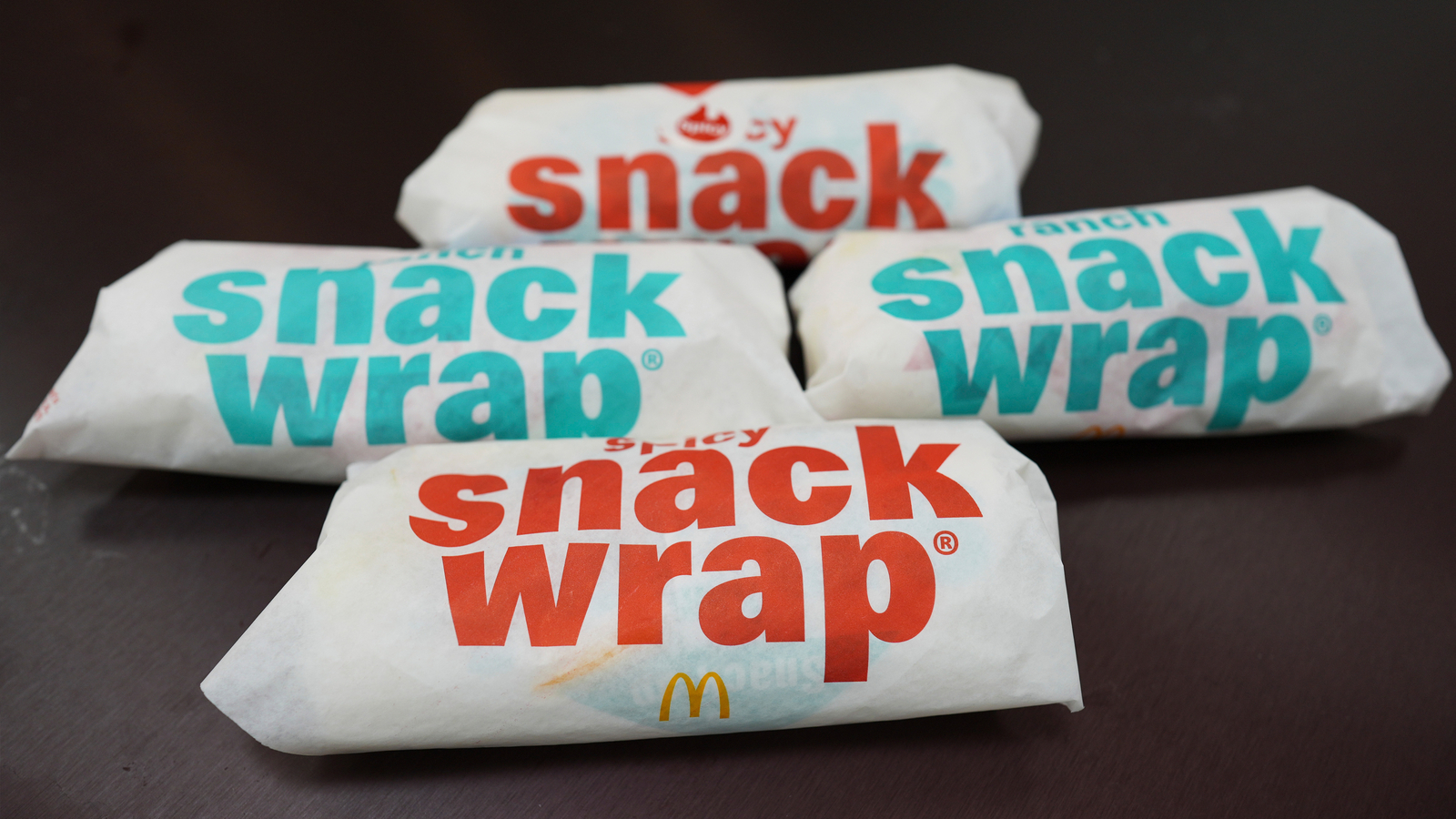
Understanding What the McDonald’s Snack Wrap Means for Us Travelers
For the modern traveler, the McDonald’s Snack Wrap represents more than just a menu item; it is a symbol of standardized convenience, familiar fuel in foreign territories, and the ongoing tension between global consistency and local cu...
For the modern traveler, the McDonald’s Snack Wrap represents more than just a menu item; it is a symbol of standardized convenience, familiar fuel in foreign territories, and the ongoing tension between global consistency and local culinary expectations. Its sporadic availability and regional variations turn a simple handheld meal into a litmus test for the reliability of fast-food infrastructure in the global travel ecosystem.
Contents
The Evolution of the Snack Wrap as a Travel Staple
The Snack Wrap, first introduced in the United States in 2006, was designed to bridge the gap between a full-sized meal and a light snack. For travelers, its form factor was revolutionary. It offered protein and carbohydrates in a portable, mess-free tortilla sleeve, making it an ideal choice for airport layovers, long road trips, and quick urban excursions.
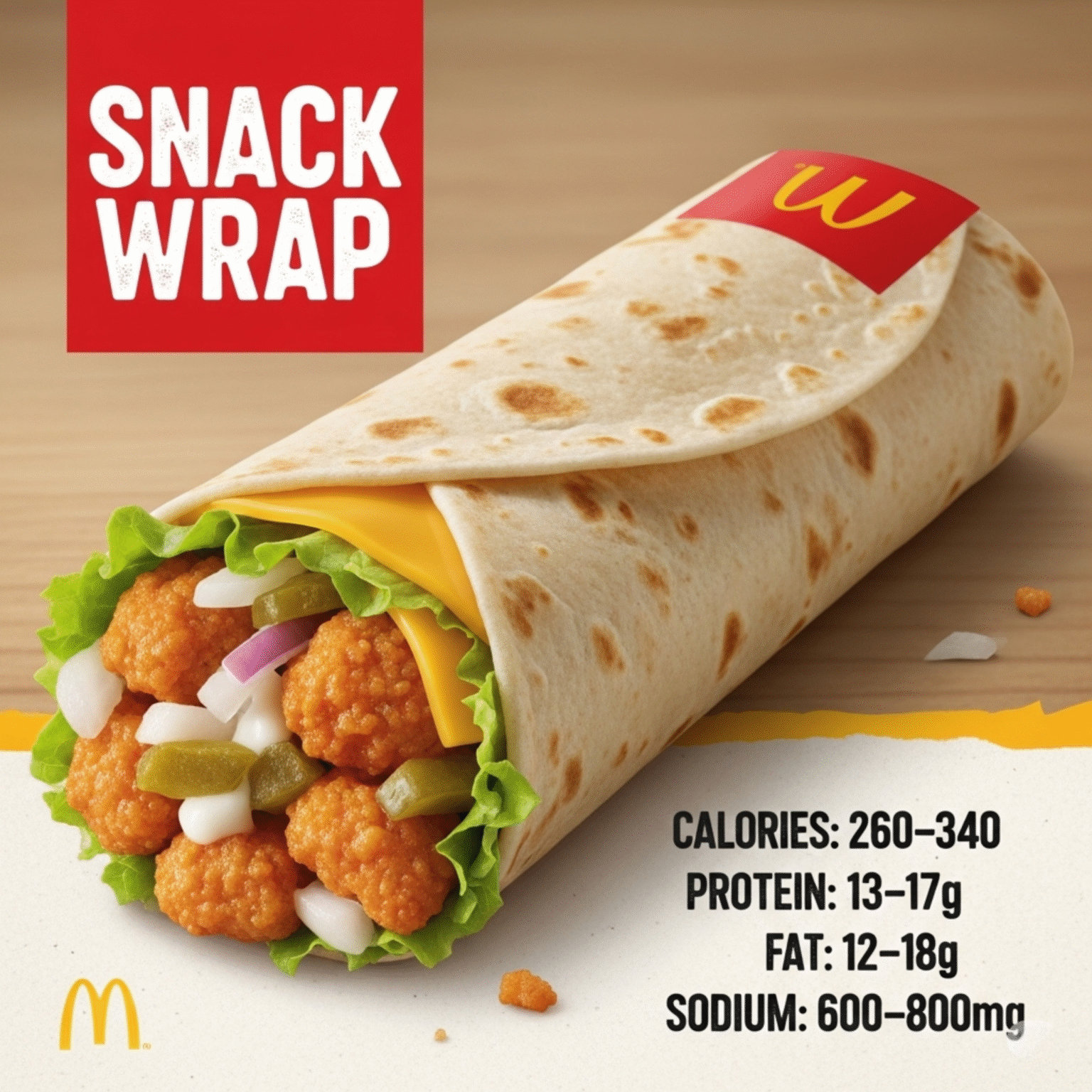
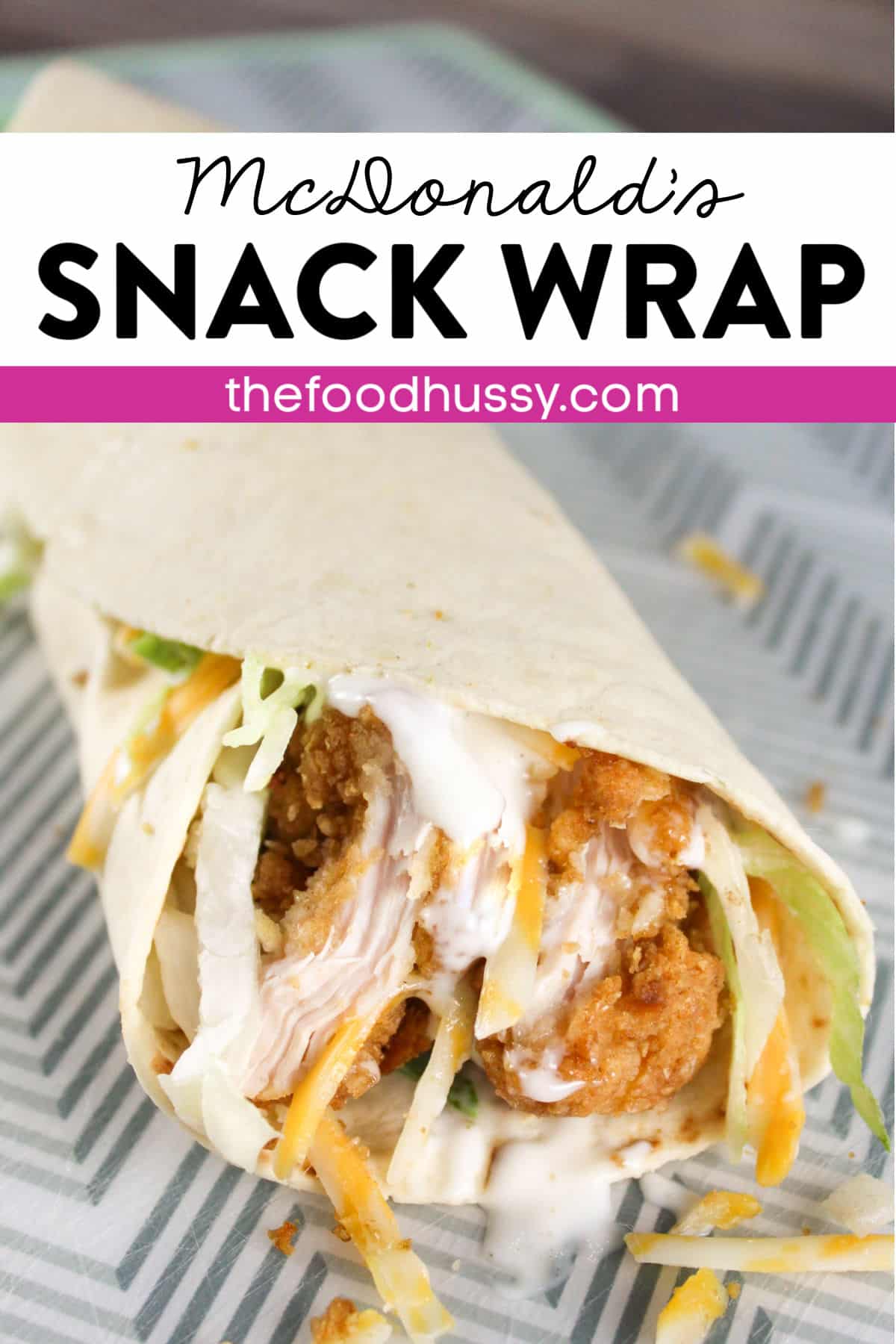
Unlike the burger, which requires two hands and often results in a trail of shredded lettuce and sauce, the wrap could be consumed while managing a suitcase, a passport, or a mobile boarding pass. By the late 2000s, it had become a reliable "known quantity" for weary travelers. When navigating a new city where language barriers or dietary uncertainties made local street food feel like a gamble, the Snack Wrap offered a predictable caloric baseline. You knew exactly what you were getting: a crispy or grilled chicken tender, a modest amount of shredded lettuce, shredded cheddar cheese, and a choice of dressing, all wrapped in a soft flour tortilla.
The Geography of Availability: Why It Matters
One of the defining characteristics of the Snack Wrap for the international traveler is its inconsistent global footprint. While McDonald’s is often cited as a benchmark for "globalization," the reality of their menu is one of radical localization.
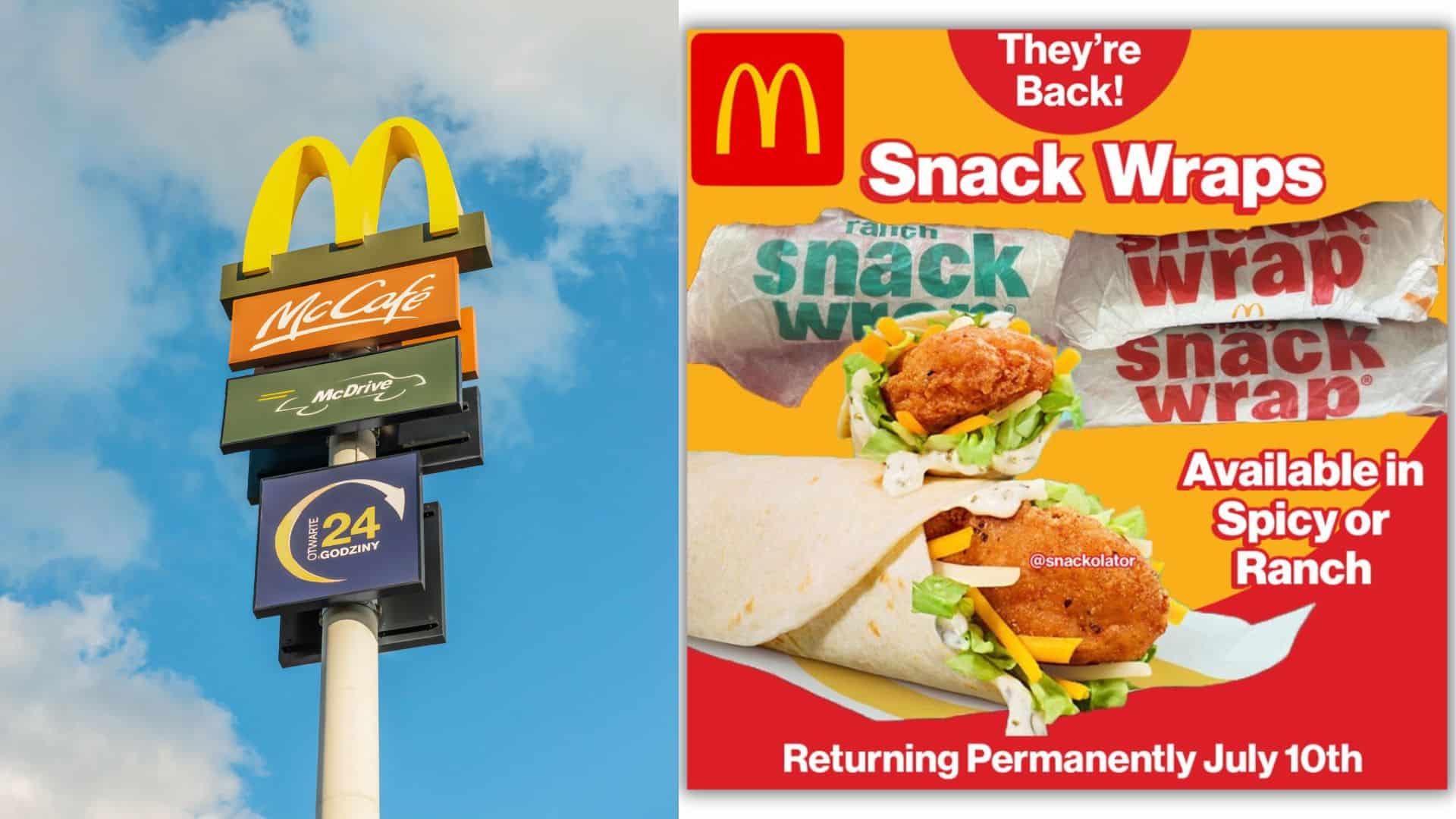
In some markets, particularly across Canada and parts of Europe, the wrap format—often rebranded or adjusted—persisted long after it was phased out of the primary U.S. market in 2016. For a traveler, this creates a unique psychological phenomenon: the "hunt for the menu item." When you are thousands of miles from home, encountering a Snack Wrap in a location where you least expect it provides a fleeting sense of comfort and home-market nostalgia. Conversely, the absence of the item in regions where it was once standard forces travelers to recalibrate their expectations regarding the "global" nature of fast-food chains.
Performance and Nutritional Predictability
Travelers often prioritize predictability over culinary adventure, especially during long transit days. When your body clock is disrupted by jet lag or an irregular schedule, the metabolic stability provided by a familiar, nutrient-controlled meal is high-value.
The Snack Wrap serves this purpose well because it is modular. By choosing between crispy or grilled chicken, or adjusting the sauce selection (such as ranch, honey mustard, or spicy buffalo), the traveler exercises a degree of control over their intake without the complexity of a full-menu ordering process. This is essential when navigating foreign point-of-sale systems or ordering kiosks that may not be fully localized to your native language.
Comparative Nutritional and Convenience Analysis
| Feature | Snack Wrap | Standard Burger | Side Salad |
|---|---|---|---|
| Portability | High (Single-hand) | Moderate (Requires tray/table) | Low (Requires fork) |
| Caloric Density | Moderate | High | Low |
| Ease of Transit | Excellent | Fair | Poor |
| Global Uniformity | Low (Varies by market) | High | Low |
The Psychological Aspect of "Safe" Food
Psychologically, food during travel acts as a tether to one’s identity. The Snack Wrap provides a "safe zone" for the traveler. When the environment is chaotic—think of the sensory overload of a crowded Tokyo train station or the logistical stress of a delayed flight in Frankfurt—the presence of a familiar chain restaurant serves as a cognitive break.
Ordering a familiar item reduces the "decision fatigue" that accumulates during travel. You do not need to analyze a menu, guess the ingredients, or worry about potential allergens as much as you would with an unknown regional dish. The Snack Wrap essentially functions as a "control" in an experiment of exploration. By ensuring one meal a day meets your expectations, you gain the mental bandwidth to take more risks with your dinners or local experiences.
Operational Challenges and Regional Variations
For the traveler looking to rely on this item, it is vital to understand that McDonald’s franchises operate with significant autonomy. In 2026, even if a specific market is known for having wraps, the local availability can be impacted by supply chain constraints, regional ingredient sourcing, or specific promotional cycles.
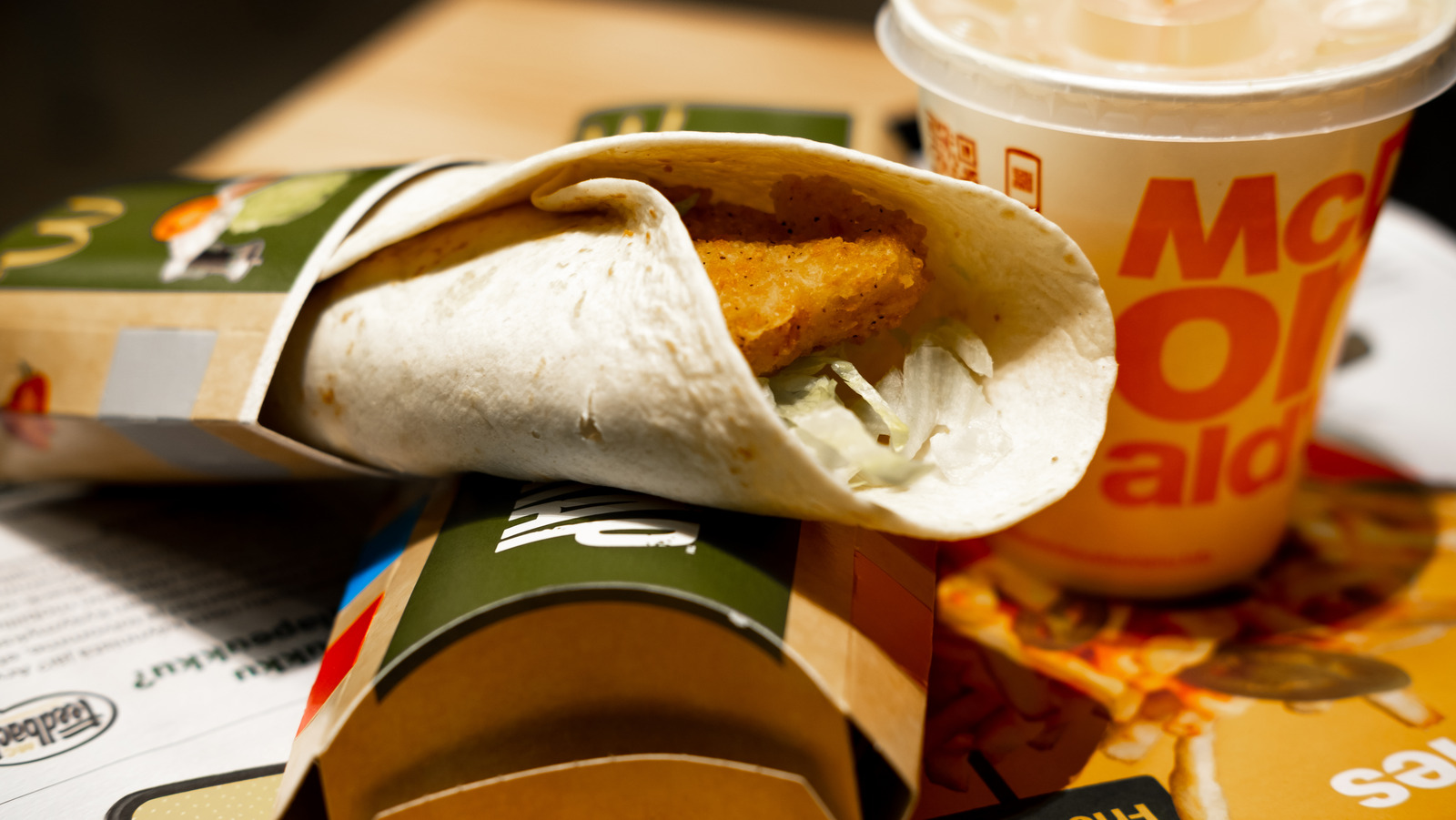
Travelers often report finding "McWraps" or similar iterations in international locations, but these are rarely identical to the original version sought by long-term travelers. Ingredients like the type of cheese, the thickness of the tortilla, or even the breading on the chicken vary based on local consumer preferences. The "snack" label itself is also relative; what is considered a light bite in one country may be perceived as a substantial meal in another, leading to differences in portion sizes and accompaniments.
Troubleshooting Your Meal Quest
If you are a traveler intent on finding a wrap-style item, follow these strategies to optimize your success:
- Check Local Aggregators: Before arriving at a major transit hub, use the official McDonald’s app for that specific country. Set your location to the airport or city center to view the current digital menu.
- Look for Promotional Cycles: Fast-food chains often rotate items. Check if the region is currently running a "chicken" promotion, as these are the times when wraps are most likely to appear on the menu.
- Identify Substitutions: In many markets, if a formal "Snack Wrap" is not present, local operators may be willing to package chicken tenders and a tortilla separately. While this requires manual assembly, it satisfies the need for the specific form factor.
- Language Apps: Keep a screenshot of the item name in the local language. Even if it is not on the menu board, a staff member may confirm if they have the ingredients to prepare it upon request.
Common Misconceptions
There is a common belief among travelers that if a product exists in one McDonald’s, it exists in all of them. This "universal catalog" fallacy leads to frustration. It is essential to recognize that McDonald’s acts more like a loose federation of local businesses than a monolithic entity. The removal of the Snack Wrap from the U.S. market in 2016 was a business decision based on operational speed and labor costs, not a universal failure of the product. The fact that it remained in other markets proves that the item is a viable product; its absence in your current location is simply a reflection of that specific market's operational strategy.
Frequently Asked Questions
Are Snack Wraps available in all McDonald’s locations globally? No. Availability is strictly determined by local franchisees and regional headquarters. You should verify availability through the local McDonald’s mobile application before planning your travel meals around it.
Is the recipe for a Snack Wrap consistent across different countries? No. Ingredient sourcing, such as the specific type of flour for the tortilla or the spice blend in the chicken breading, is localized to match regional tastes and supply chain capabilities.
Why did McDonald’s remove the Snack Wrap from the U.S. menu? The removal was primarily attributed to operational efficiency. The item required more complex assembly steps compared to burgers, which slowed down kitchen throughput during peak hours.
Can I order a custom version of a wrap in international locations? It depends on the staff and the kitchen's current policy. In many locations, if you order chicken tenders and ask for a side of tortilla or a customized bun-less order, they may accommodate you, but it is not a guaranteed menu feature.
Does the price of a Snack Wrap differ significantly by country? Yes. Pricing is adjusted for local cost-of-living, currency exchange rates, and regional demand. A wrap that is inexpensive in one country may be considered a premium item in another.
Final Recommendation for the Traveler
Do not tether your dietary stability exclusively to a single menu item. While the Snack Wrap is an excellent tool for managing transit-day stress and maintaining dietary consistency, treat it as a pleasant surprise rather than a travel requirement. Use the McDonald’s app to check for availability at your next destination, but maintain a list of secondary, locally-sourced "safe" snacks. This approach ensures that you remain flexible, allowing you to enjoy the convenience of a global brand when it is available while remaining open to the local culinary environment when it is not.
Image Gallery