Choosing Rubber or Carpet Car Mats for the Fleet: A Strategic Guide for Fleet Managers
Selecting the appropriate floor protection for a commercial fleet is a foundational decision that balances operational longevity, vehicle resale value, and driver safety. While often viewed as a minor accessory, floor mats serve as the...
Selecting the appropriate floor protection for a commercial fleet is a foundational decision that balances operational longevity, vehicle resale value, and driver safety. While often viewed as a minor accessory, floor mats serve as the primary defense against internal cabin degradation, moisture accumulation, and safety hazards, making the choice between rubber and carpet materials a critical component of professional fleet maintenance strategy in 2026.
Contents
Determining the ideal floor mat material depends heavily on the primary operating environment, the nature of the cargo or personnel being transported, and the long-term asset management goals for the vehicles. Rubber mats provide superior resistance to liquids, mud, and debris, making them indispensable for field-based roles, while carpeted mats offer a more professional, noise-reducing aesthetic suitable for executive transport and light-duty administrative use.
Evaluating Operational Environments and Duty Cycles
The most effective way to determine which material serves your fleet is to categorize your vehicles by their typical usage patterns. Fleet managers must account for "duty cycles"—the intensity and type of use a vehicle undergoes—to justify the procurement cost and replacement frequency of floor protection.
Heavy-Duty and Field Operations
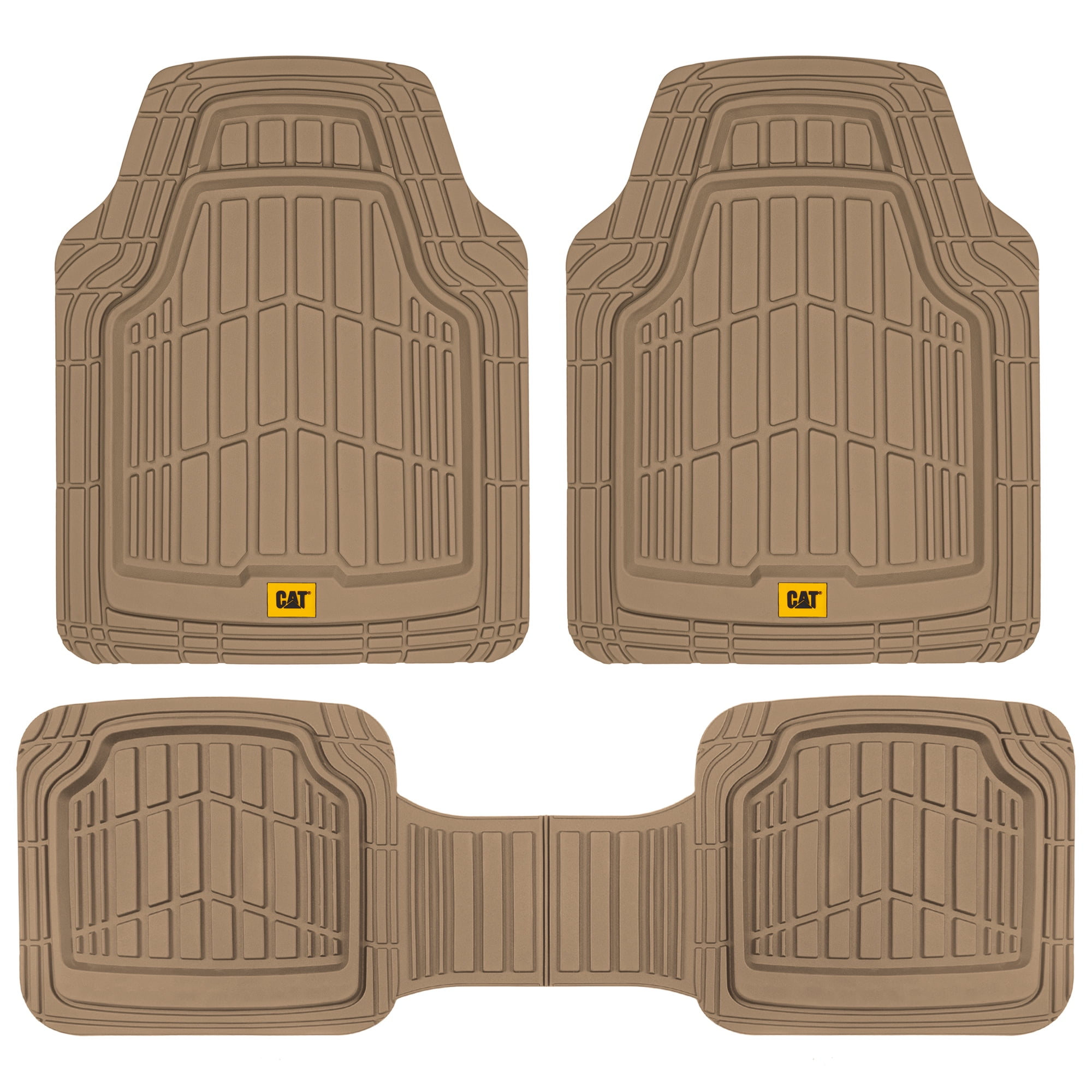
For fleets involved in construction, landscaping, utility services, or long-haul logistics, rubber mats are the industry standard. These environments introduce persistent contaminants: dirt, rock salt, chemical runoff, and moisture. Rubber mats—specifically high-walled, precision-fit designs—contain these elements, preventing them from penetrating the factory-installed carpet.
From an operational standpoint, rubber is significantly easier to clean. Fleet staff can remove these mats and spray them down with water, reducing labor hours associated with interior detailing. Furthermore, rubber is more durable against heavy work boots, which can fray or wear through carpeted materials in high-traffic commercial vehicles.
Executive, Sales, and Administrative Fleets
In environments where vehicle presentation is a priority—such as client-facing sales roles or high-end transportation services—carpet mats are frequently the preferred choice. High-quality automotive carpet (often nylon or high-density polypropylene) provides a quieter, more comfortable cabin experience. They effectively trap fine dust and maintain a clean appearance that aligns with corporate branding and interior aesthetics. While they require more intensive cleaning (vacuuming and periodic steam cleaning), they convey a level of luxury and attention to detail that heavy-duty rubber often lacks.
Technical Comparison: Durability and Safety Specifications
When comparing rubber and carpet, the primary technical considerations involve friction, moisture retention, and structural integrity.
Moisture and Corrosion Control
Rubber floor mats serve as a secondary floor barrier. This is critical in regions subject to harsh winters or significant rainfall. By trapping water, they prevent the oxidation of metal seat tracks and the growth of mold or mildew in the vehicle's sub-flooring. Carpet mats, by contrast, are porous. If a driver brings significant moisture into the vehicle, a carpet mat may absorb the liquid, transferring it to the floor pan where it can linger and eventually lead to rust or odors.
Safety and Retention Mechanisms
Safety is the most vital aspect of fleet interior equipment. Improperly installed floor mats can slide under the accelerator or brake pedals, presenting a significant liability. Regardless of the material chosen, the mat must feature OEM-approved retention clips. Rubber mats are generally heavier, which helps them stay in place, but they can become slippery when wet. Manufacturers often combat this with aggressive tread patterns or "nibs" on the underside. Carpet mats are lighter and often feature a high-friction backing to prevent shifting. Managers should prioritize custom-fit mats over universal-fit versions, as custom-molded options ensure maximum coverage and secure alignment with the vehicle’s specific geometry.
| Feature | Rubber Mats | Carpet Mats |
|---|---|---|
| Moisture Resistance | High (Impermeable) | Low (Absorbent) |
| Cleaning Effort | Low (Hose-down) | Moderate (Vacuum/Steam) |
| Aesthetic Value | Utilitarian | Premium/Comfort |
| Durability | High (Long-term) | Moderate (Subject to wear) |
| Primary Benefit | Floor Protection | Noise Reduction/Comfort |
Economic Impact and Lifecycle Management
A fleet manager’s budget is often constrained by Total Cost of Ownership (TCO) metrics. When selecting mat materials, consider the replacement cycle.
Rubber mats represent a higher initial capital expenditure but generally offer a lower TCO over a five-year vehicle lifecycle because they rarely require replacement unless damaged. Carpet mats are often provided with the vehicle at no additional cost, but they depreciate rapidly under commercial use. If a carpeted floor is ruined by mud or salt, the cost to replace the cabin carpet or remediate odors can be significantly higher than the cost of a premium rubber mat set.
When calculating costs for 2026, account for:
- Initial Procurement: Custom-fit rubber mats generally cost 30% to 50% more than mid-tier carpet sets.
- Maintenance Labor: Calculate the average hourly rate for fleet detailers. Rubber mats significantly decrease the time required for interior turnaround.
- Resale/Residual Value: A well-preserved vehicle floor significantly enhances the perceived value during fleet remarketing. Vehicles with intact, clean floor surfaces often command higher bids at auction.
Common Mistakes in Fleet Selection
Fleet managers frequently make errors by treating all vehicles in a fleet as having identical needs. The most common pitfall is the "one-size-fits-all" procurement strategy.
- Ignoring Retention Systems: Never purchase mats that lack a secure attachment mechanism. Using unsecured, heavy-duty mats in a fleet vehicle creates a risk of catastrophic pedal interference.
- Neglecting the Passenger Side: Many managers focus only on the driver’s side. However, in service fleets, the passenger area is often used for equipment, tools, or muddy gear, necessitating equal protection across the front cabin.
- Compromising on Fit: Never opt for "trim-to-fit" universal mats in commercial vehicles. These mats are prone to shifting and rarely provide the edge-to-edge coverage required to protect the carpet from high-volume commercial wear.
Frequently Asked Questions
Can I mix and match mats within my fleet?
Yes. It is standard practice to equip field vehicles with heavy-duty rubber mats while reserving carpeted mats for executive or administrative vehicles. This tailored approach optimizes both budget and vehicle utility.
Are all-weather rubber mats effective in all climates?
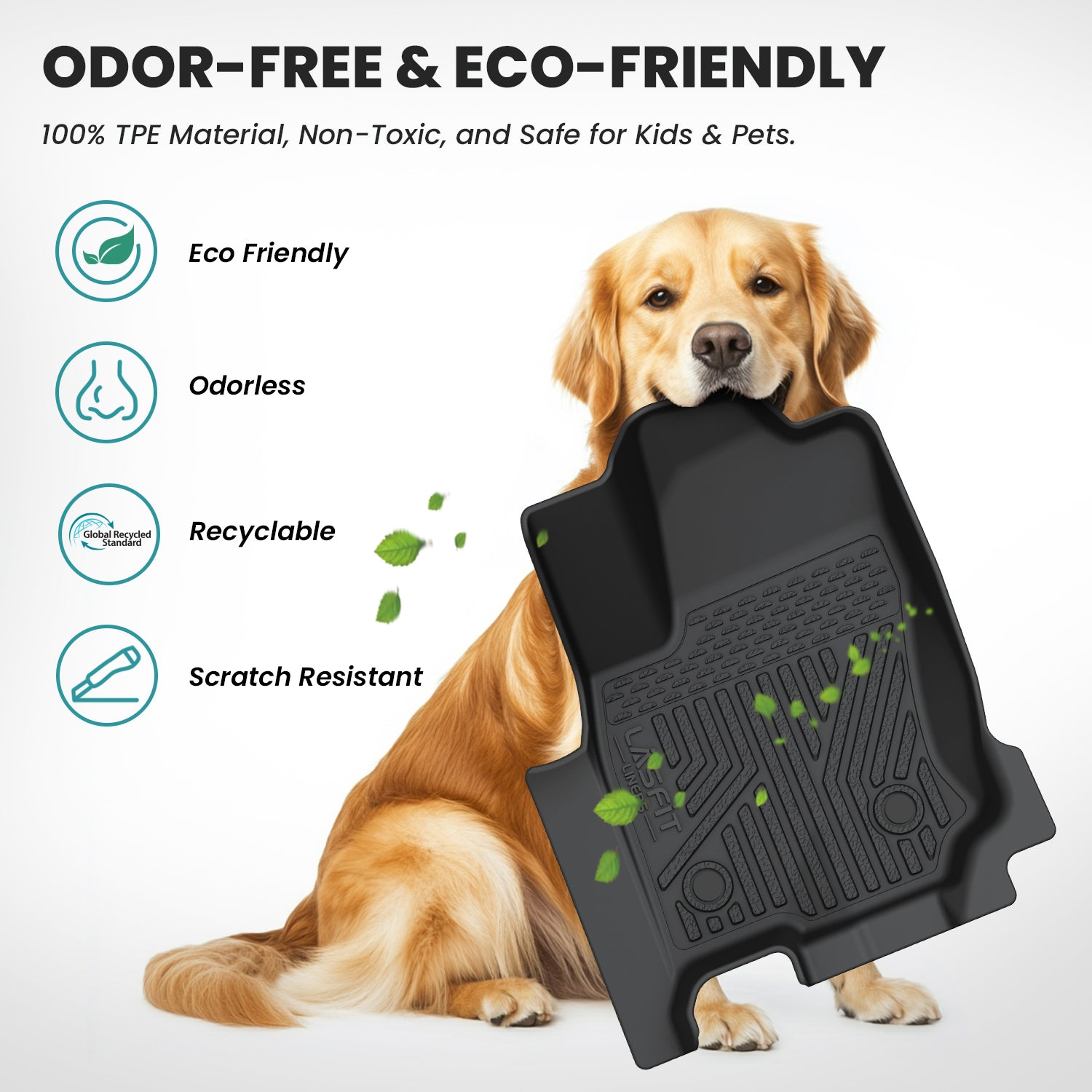
Yes. Rubber mats are effective in both hot and cold climates. In extreme heat, ensure you select high-grade, UV-stabilized rubber or thermoplastic elastomer (TPE) materials that will not curl or warp under the intense cabin temperatures of a parked vehicle.
How often should fleet floor mats be replaced?
Rubber mats should be inspected annually for signs of thinning or degradation, particularly near the driver’s heel area. If a hole develops, the mat can no longer protect the floor from moisture and must be replaced immediately. Carpet mats should be replaced as soon as they show signs of fraying or thinning.
Do I need floor mats in the cargo area?
If your fleet consists of vans or SUVs, cargo area protection is essential. Rubber or heavy-duty liners in the cargo area prevent scratches and spills from damaging the factory interior, which is vital for retaining vehicle value.
What is the advantage of TPE over traditional rubber?
Thermoplastic Elastomer (TPE) is a modern material often used in high-end floor liners. It is lighter than traditional rubber, more flexible in extreme cold, and often has a more precise, laser-scanned fit. It is usually the preferred material for modern fleet managers looking for a "fit-and-forget" solution.
Recommendation for Fleet Managers
The most sustainable approach for a mixed-use fleet is to standardize with custom-fit TPE liners for all field-based vehicles. These provide the best balance of safety, moisture protection, and ease of cleaning. For office or administrative vehicles, utilize high-quality automotive-grade carpet mats to maintain interior comfort and brand perception. Prioritize verified OEM-compatible hardware for all installations to ensure driver safety and compliance with safety protocols.
Image Gallery