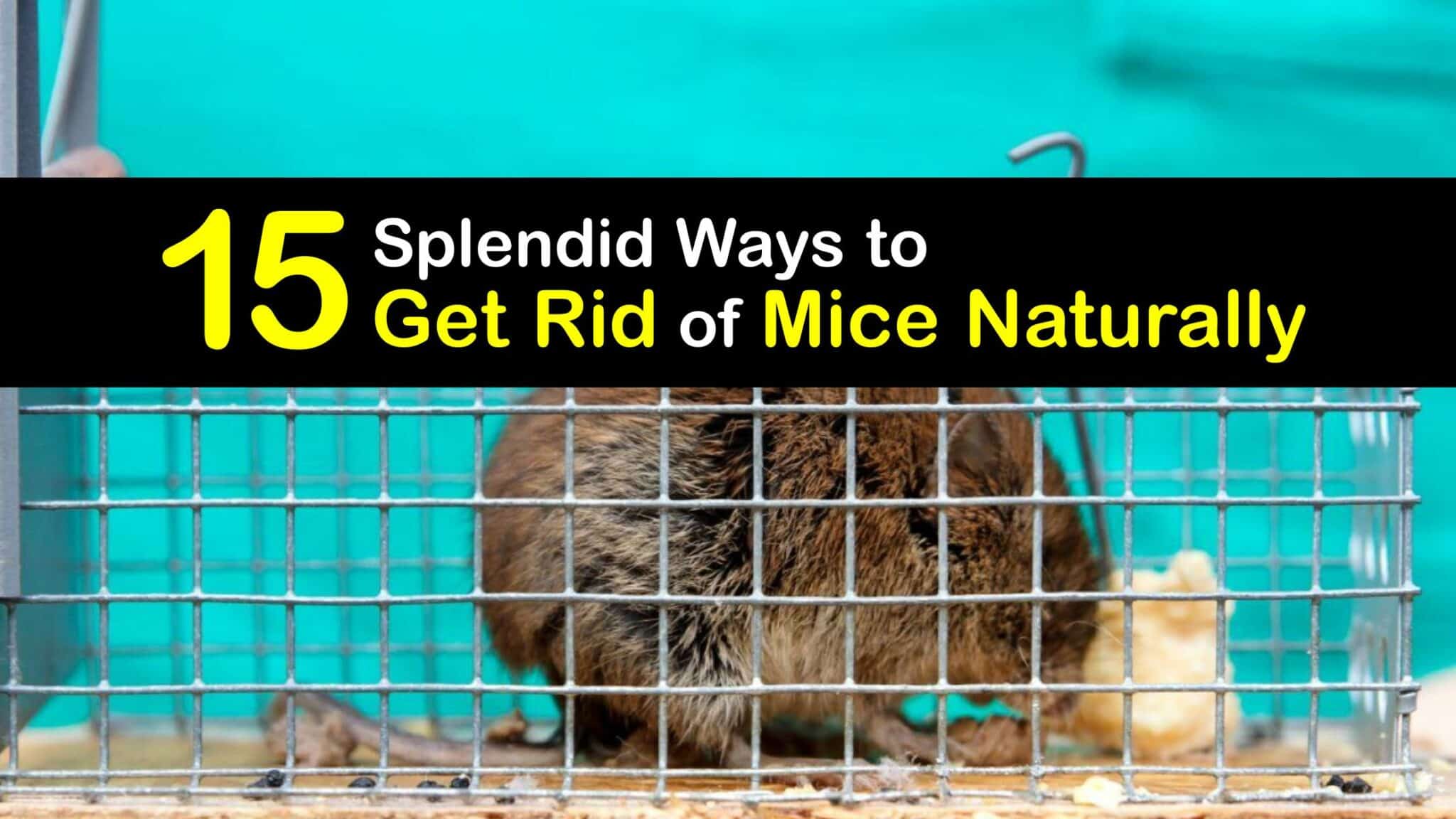
Why Mint Does Not Get Rid of Mice: The Myth vs. Reality of Natural Pest Control
While mint plants and peppermint oil may briefly irritate a rodent’s sensitive nose, mint does not get rid of mice or solve an active infestation. Rodents are highly adaptable creatures that quickly habituate to scents, prioritizing ac...
While mint plants and peppermint oil may briefly irritate a rodent’s sensitive nose, mint does not get rid of mice or solve an active infestation. Rodents are highly adaptable creatures that quickly habituate to scents, prioritizing access to food and warmth over mild olfactory discomfort. Lasting mouse control requires exclusion, sanitation, and trapping.
Contents
Many homeowners turn to natural remedies like peppermint oil, mint-scented trash bags, or planting mint around their foundations in hopes of a humane, chemical-free solution. However, as we head into 2026, professional pest control data and biological research continue to show that these "natural repellents" offer little more than a pleasant aroma for the humans living in the house. Relying on mint often provides a false sense of security, allowing a small mouse problem to escalate into a full-blown infestation that can damage your home's infrastructure and compromise your family’s health.
The Science of Smell: Why Peppermint Fails as a Repellent
Mice have an incredibly keen sense of smell, which they use to navigate, find food, and detect predators. Because of this sensitivity, it is theoretically possible to overwhelm their senses with strong essential oils. Peppermint oil contains high concentrations of menthol, which is a natural irritant to most mammals.
However, there is a massive gap between "irritating" a mouse and "eliminating" a mouse population. To a rodent, the smell of mint is an environmental nuisance, not a life-threatening hazard. In a laboratory setting, extremely high concentrations of peppermint oil—levels that would be nauseating or even toxic to humans and pets if inhaled constantly—might cause a mouse to avoid a specific small area. In a real-world home environment, these oils evaporate rapidly.
Once the initial "punch" of the scent dissipates, the mouse becomes accustomed to it. This biological process is known as sensory adaptation or habituation. If the mouse realizes that the minty area also contains a source of heat or a crumb of food, it will simply ignore the smell. Furthermore, mice are excellent at finding "scent-free" paths. They can travel behind walls, under floorboards, and through insulation where your mint spray or cotton balls cannot reach.
The Biological Drive: Survival Over Comfort
Mice are driven by three primary needs: food, water, and shelter. During the colder months of 2026, the drive to find a warm, dry place to nest is incredibly powerful. A mouse facing freezing outdoor temperatures is not going to be deterred by a sprig of mint or a few drops of oil on a cotton ball.
When a mouse enters your home, it is often a female looking for a safe place to give birth. A single female mouse can have up to ten litters a year, with about six to eight pups per litter. This exponential growth means that by the time you notice one mouse and try to "repel" it with mint, there may already be a dozen more nesting in your walls.
The biological imperative to reproduce and survive far outweighs any temporary discomfort caused by a fragrance. Mice have been known to chew through lead pipes, wood, and drywall; a refreshing herbal scent is hardly a barrier to a creature with that level of determination.
Common Myths About Natural Rodent Deterrents
The "mint myth" is part of a larger category of folklore-based pest control that rarely yields results. Homeowners often combine mint with other ineffective methods, which only delays the necessary professional or mechanical intervention.
- Mothballs: Many people believe the smell of naphthalene in mothballs will drive mice away. While toxic, mothballs do not contain enough gas to repel rodents in an open attic or basement. Furthermore, they are a significant health hazard to humans and pets.
- Ultrasonic Devices: These are marketed as high-tech solutions that emit sounds humans can't hear but mice hate. Multiple studies, including those by the FTC, have shown that these devices have little to no long-term effect on rodent behavior.
- Dryer Sheets: Like mint, the scent of dryer sheets is pleasant to humans but is ignored by mice once they realize the sheets are harmless. In fact, mice have been caught using dryer sheets as nesting material.
- Cayenne Pepper: While capsaicin can irritate a mouse if they touch it and then groom themselves, it does not stop them from entering a home. It is also messy and loses its potency quickly.
The Dangers of Relying on Ineffective Methods
Choosing to use mint instead of proven pest control methods isn't just ineffective; it can be dangerous. Mice are vectors for various diseases and can cause significant physical damage to a property.
Health Risks
Mice carry pathogens such as Hantavirus, Salmonellosis, and Leptospirosis. These diseases are spread through their droppings, urine, and saliva. When you use mint, you are not removing the mice; you are simply making their environment smell better while they continue to defecate behind your appliances and in your pantry. As droppings dry, they can become airborne, posing a respiratory risk to everyone in the household.
Structural Damage
Mice have incisors that never stop growing. To keep them at a manageable length, they must constantly gnaw on hard materials. This includes your home’s electrical wiring. It is estimated that a significant percentage of "house fires of unknown origin" are actually caused by rodents chewing through wires, leading to shorts and sparks. By the time a mint-based approach is deemed a failure, the structural damage to your insulation and wiring may already be extensive.
Proven Alternatives: What Actually Works in 2026
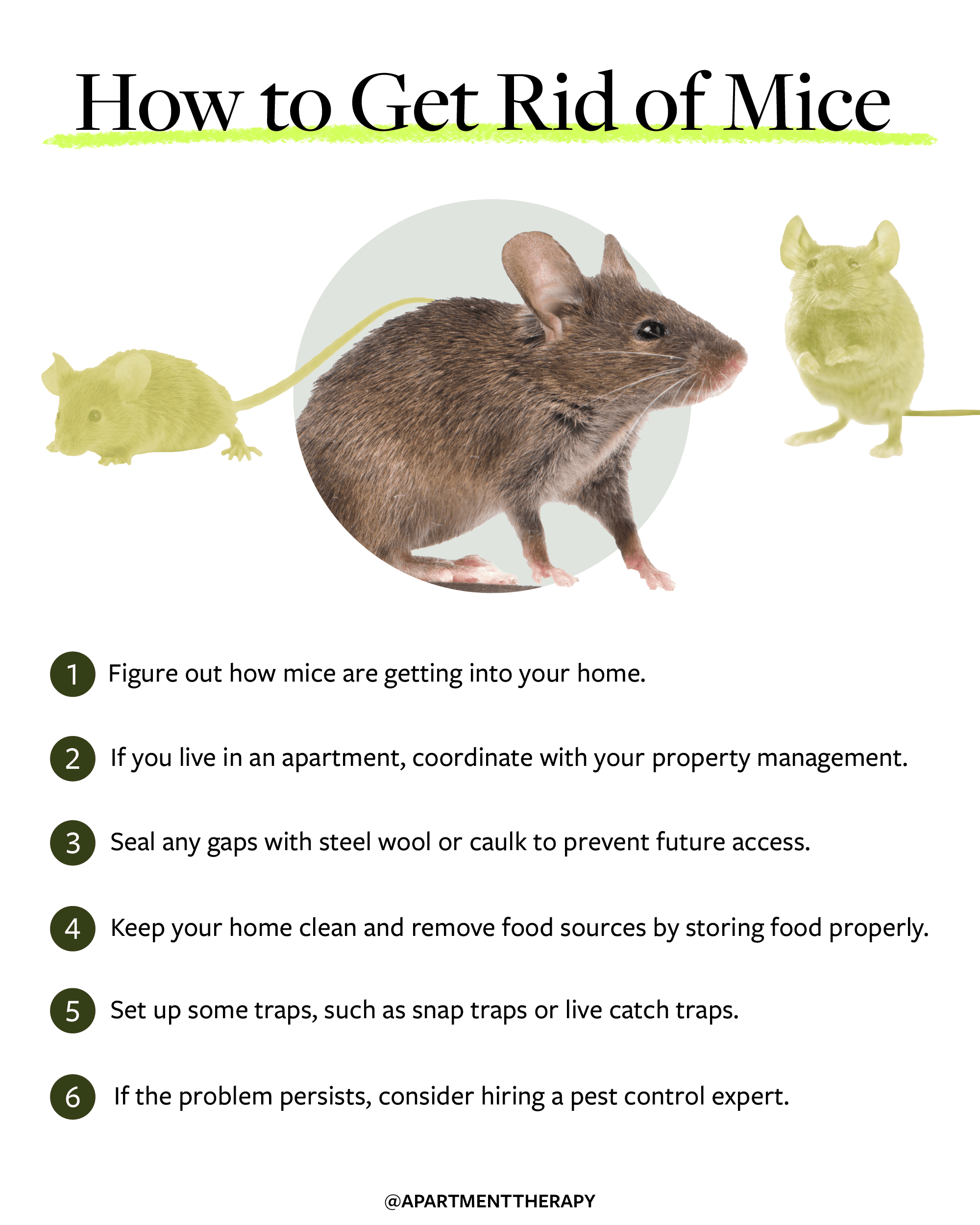
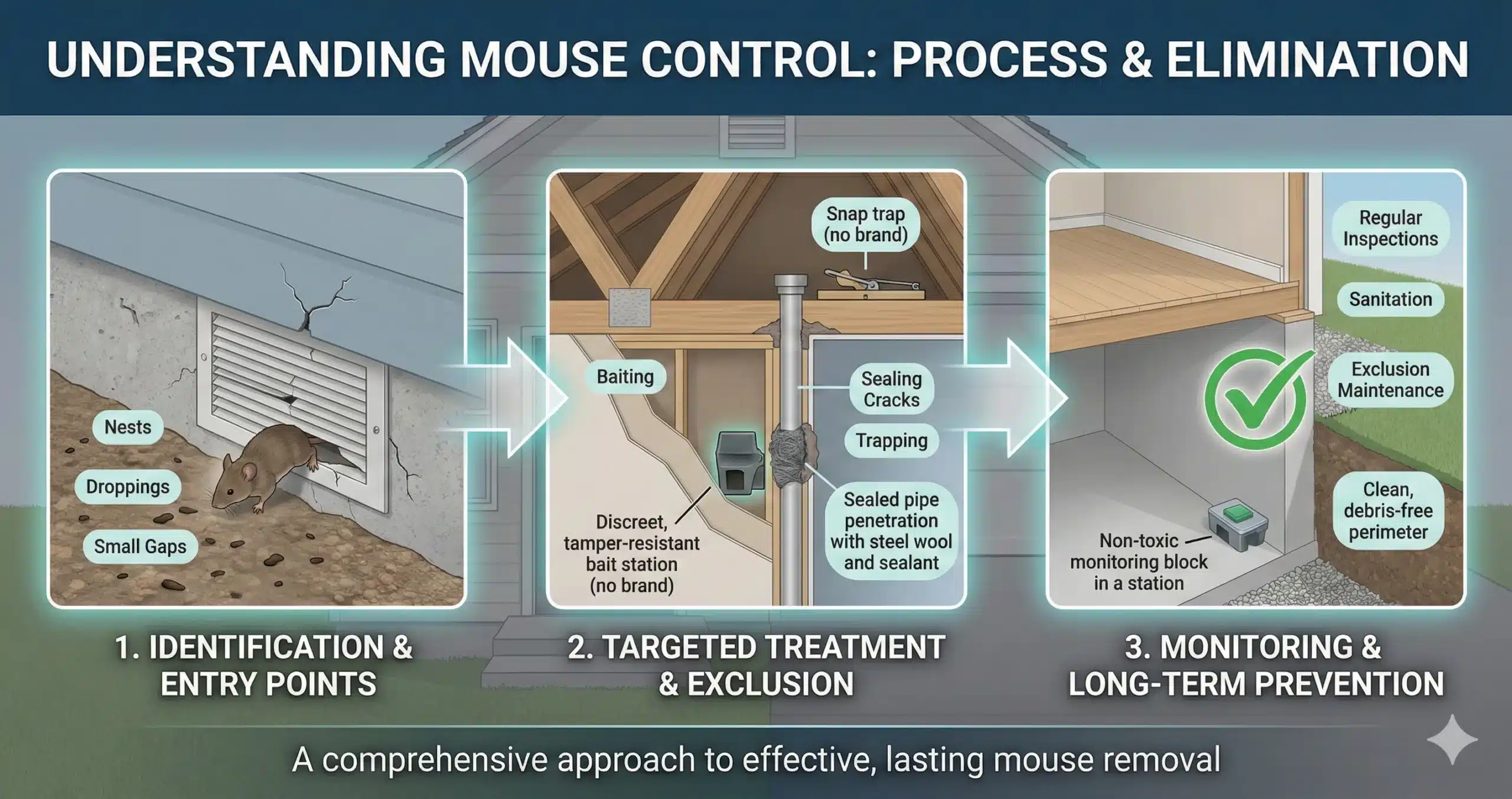
If you want to solve a mouse problem, you must move away from repellents and toward a three-pronged strategy: Exclusion, Sanitation, and Population Control.
1. Exclusion (Rodent-Proofing)
The most effective way to get rid of mice is to keep them from entering in the first place. This is a physical solution, not a chemical or olfactory one.
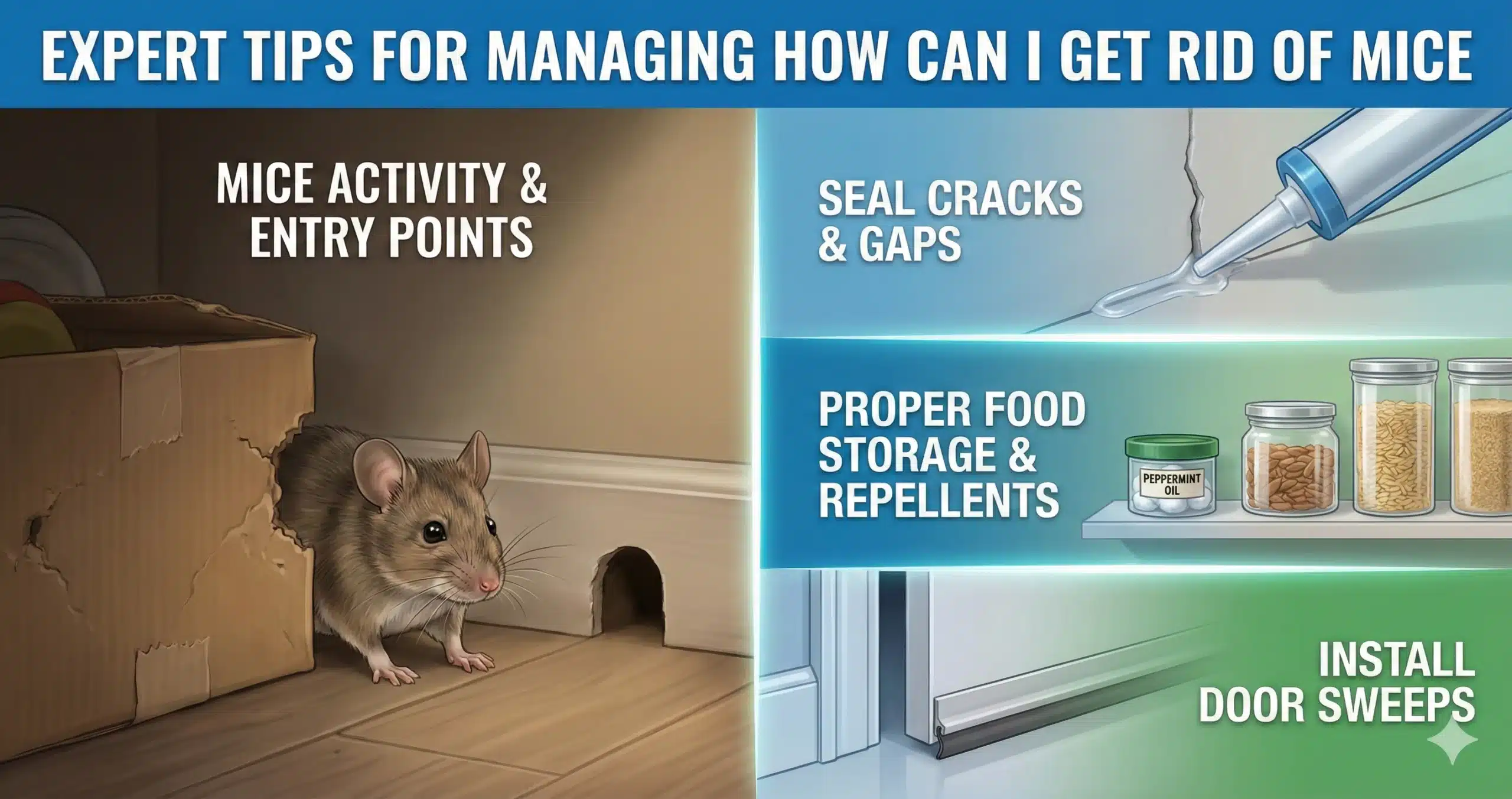
- Inspect the Foundation: Mice can fit through a hole the size of a dime. Check for gaps around utility pipes, vents, and door sweeps.
- Use Proper Materials: Do not use plastic, wood, or expanding foam alone, as mice can chew through them. Use stainless steel wool or hardware cloth embedded in caulk or mortar.
- Check High and Low: Mice are excellent climbers. Inspect rooflines, soffits, and chimney flashings.
2. Sanitation
A mouse will only stay where it can eat. Eliminating food sources is critical.
- Airtight Containers: Move all flour, sugar, cereal, and pet food into glass or heavy-duty plastic containers with locking lids.
- Deep Cleaning: Clean behind the stove and refrigerator, where grease and crumbs accumulate.
- Waste Management: Ensure your indoor and outdoor trash cans have tight-fitting lids and are cleaned regularly.
3. Population Control (Trapping)
Once mice are inside, they must be removed. In 2026, there are several options ranging from traditional to high-tech.
- Snap Traps: These remain the "gold standard" for quick, humane kills. They are inexpensive and highly effective when placed along walls where mice travel.
- Electronic Traps: These deliver a high-voltage shock that kills the mouse instantly. They are often enclosed, making them safer for use around pets.
- Live Traps: If you prefer a non-lethal approach, live traps can work, but you must release the mouse at least a mile away from your home, or it will simply find its way back in. Note that relocated mice often have low survival rates in the wild.
| Method | Effectiveness | Speed of Results | Safety for Pets | Primary Drawback |
|---|---|---|---|---|
| Mint/Peppermint Oil | Very Low | None | High | Does not actually remove mice. |
| Exclusion (Steel Wool) | Very High | Immediate (Prevention) | High | Requires time and labor to find all holes. |
| Snap Traps | High | Fast | Moderate (Use bait stations) | Requires handling/disposing of dead mice. |
| Professional Baiting | Very High | Moderate | Low (Requires locked stations) | Potential for secondary poisoning of wildlife. |
| Ultrasonic Devices | Low | None | High | Mice habituate to the sound within days. |
When to Call a Professional
If you have tried trapping and exclusion but still see signs of mice—such as fresh droppings, scratching sounds at night, or chewed packaging—it is time to contact a licensed pest control professional. By 2026, many professionals use integrated pest management (IPM) techniques that minimize chemical use while maximizing structural defenses.
A professional can identify entry points that a homeowner might miss, such as gaps in the subfloor or hidden voids in the attic. They also have access to more potent tracking powders and industrial-grade sealants that provide a long-term solution.
FAQ
Does peppermint oil kill mice on contact? No. Peppermint oil is not a contact pesticide for mammals. While it might be irritating if it gets in their eyes or nose, it will not kill them or stop them from moving through an area once they are motivated by food or shelter.
Can I use mint plants in my garden to keep mice away from my house? While planting mint is a great way to have fresh herbs, it will not create a "barrier" that mice won't cross. Mice frequently live in gardens and fields where many aromatic plants grow. In fact, thick mint patches can provide cover and nesting spots for small rodents.
Why do some people swear that mint worked for them? This is usually a case of correlation not equaling causation. Often, people apply mint at the same time the weather changes, or after they have also done some cleaning or sealed a single hole. The mice may have left for other reasons, or they may still be there, just living more quietly in a different part of the house.
Are there any natural scents that actually work? Research into predator scents (like the urine of foxes or bobcats) shows some efficacy in repelling rodents, but these are generally impractical and unpleasant for use inside a human home. For domestic use, there is currently no "natural scent" that provides a reliable solution to a mouse infestation.
Is it safe to use peppermint oil around pets? While mint is generally safer than synthetic poisons, concentrated essential oils can be toxic to cats and dogs if ingested or if they get on their skin. Always use caution when diffusing or applying essential oils in a household with animals.
Next Steps for Homeowners
If you are currently using mint to fight a mouse problem, the most important next step is to stop relying on it and begin a physical inspection of your home. Start by purchasing a high-quality flashlight and examining the perimeter of your house for any gap larger than a pencil. Seal those gaps with permanent materials like steel wool and caulk. Simultaneously, set at least a dozen snap traps in areas where you have seen activity. Effective pest control is an active process of exclusion and removal, not a passive one of fragrance and hope.
Image Gallery