Professional Mold Remediation in Janesville, Wisconsin: Process, Costs, and Local Standards
Mold remediation in Janesville, Wisconsin, involves a multi-step professional process designed to identify, contain, and eliminate fungal growth while addressing underlying moisture issues. In 2026, standard protocols prioritize high-e...
Mold remediation in Janesville, Wisconsin, involves a multi-step professional process designed to identify, contain, and eliminate fungal growth while addressing underlying moisture issues. In 2026, standard protocols prioritize high-efficiency particulate air (HEPA) filtration, physical removal of contaminated materials, and structural drying to ensure long-term indoor air quality and property safety.
Contents
Understanding the Mold Challenge in Janesville’s Climate
Property owners in Janesville face specific environmental challenges that contribute to mold growth. Located in Rock County, Janesville experiences a humid continental climate characterized by significant seasonal temperature swings and high humidity levels during the summer months. These conditions, combined with the city's proximity to the Rock River, can lead to elevated moisture levels in basements, crawl spaces, and attics.
As of 2026, local remediation experts note that many residential mold issues in Janesville stem from two primary sources: basement seepage during spring thaws and attic condensation during the frigid Wisconsin winters. When warm, moist air from the living space escapes into a poorly ventilated attic, it hits cold roof sheathing, leading to frost and subsequent mold growth. Understanding these local patterns is the first step in effective remediation, as simply cleaning the mold without addressing the building envelope's performance will result in recurrence.
The Professional Mold Remediation Process
Professional mold remediation is not merely "cleaning" mold; it is a specialized construction and environmental discipline. In Janesville, reputable contractors adhere to the IICRC S520 Standard for Professional Mold Remediation, which is the gold standard for the industry. This process ensures that mold spores are not cross-contaminated into unaffected areas of the home.
1. Assessment and Moisture Mapping
The process begins with a thorough inspection. Professionals use moisture meters and thermal imaging cameras to locate hidden pockets of dampness behind drywall or under flooring. Because mold requires moisture to thrive, identifying the water source is the highest priority. If the source—whether a leaking pipe, a foundation crack, or high humidity—is not repaired, remediation will fail.
2. Containment and Negative Air Pressure
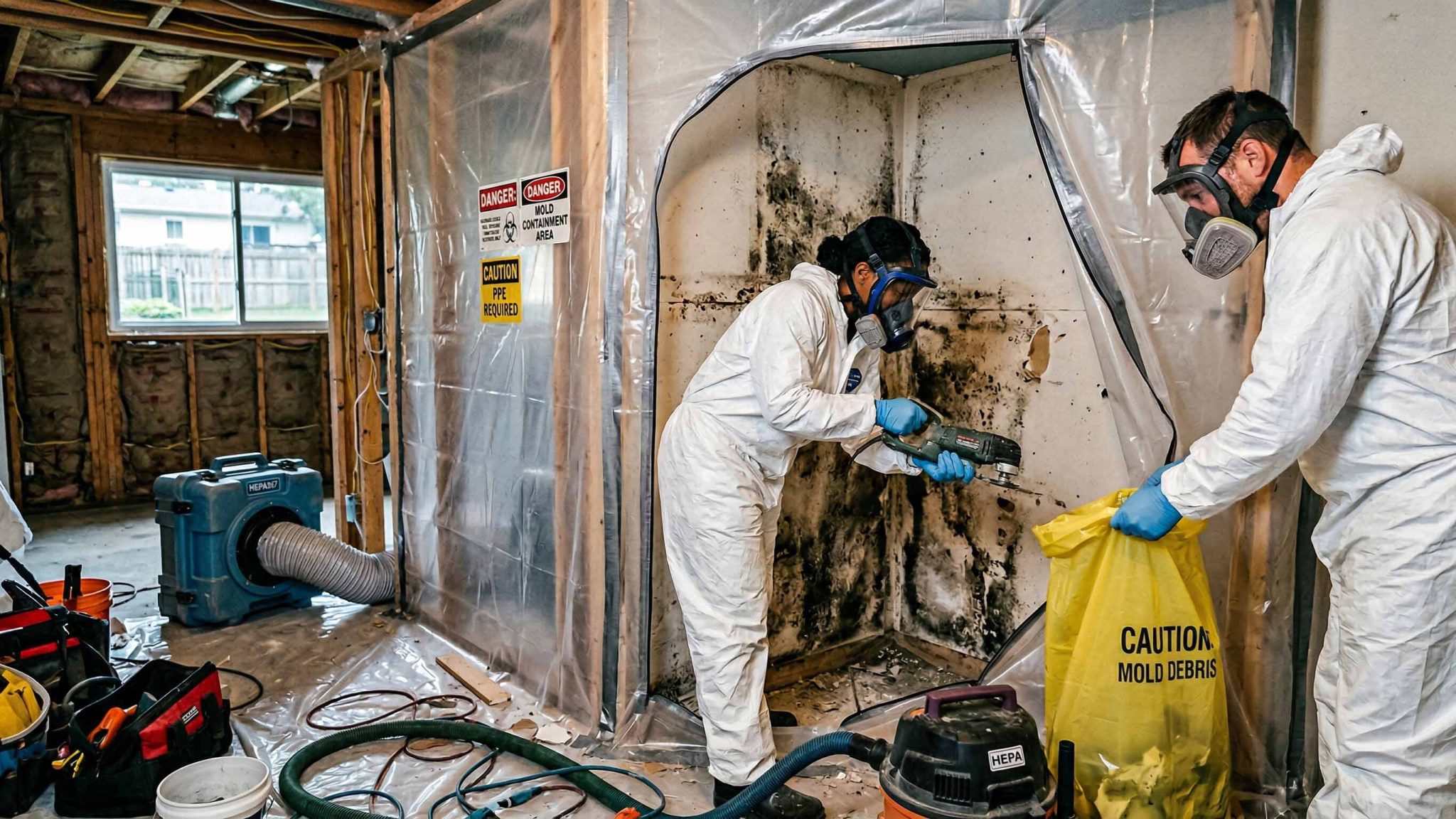
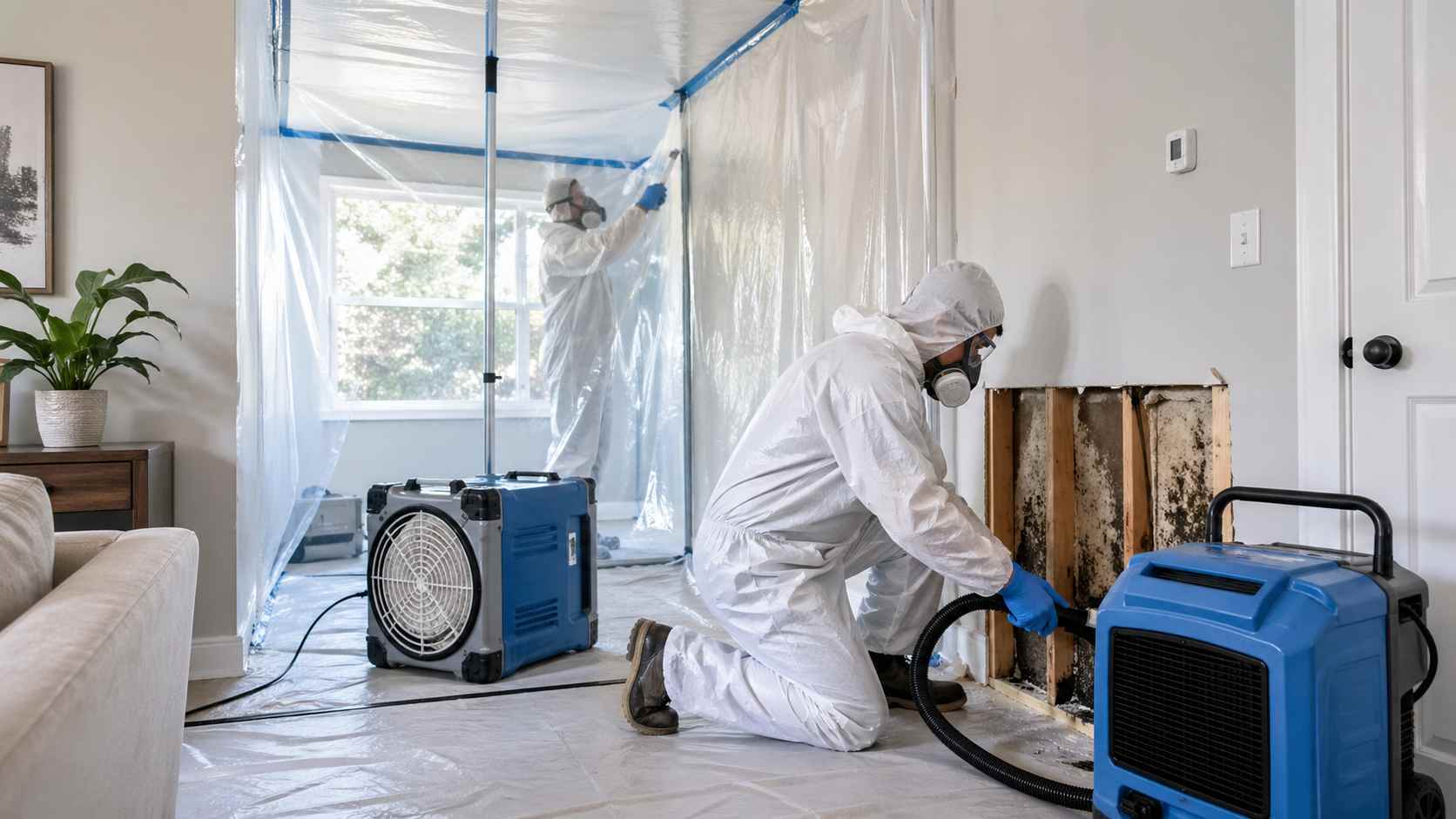
Before any demolition or cleaning begins, technicians establish containment. Using heavy-duty polyethylene sheeting, they seal off the affected area from the rest of the building. To further prevent spore migration, "negative air" machines equipped with HEPA filters are utilized. These machines pull air from the work zone and exhaust it outside, ensuring that any disturbed spores are captured rather than circulated throughout the HVAC system.
3. HEPA Air Scrubbing
Even before physical removal starts, air scrubbers begin cleaning the air. In a typical Janesville basement remediation, these units may run for the duration of the project and for 24 to 48 hours after completion. This process is critical for removing the microscopic "mycotoxins" and spores that can cause respiratory irritation for sensitive occupants.
4. Removal of Infested Materials
Porous materials that have significant mold penetration—such as drywall, insulation, and carpeting—usually cannot be salvaged. These materials are carefully removed, double-bagged, and disposed of. Non-porous or semi-porous materials like structural framing (studs and joists) are kept and cleaned using specialized techniques.
5. Media Blasting and Antimicrobial Treatment
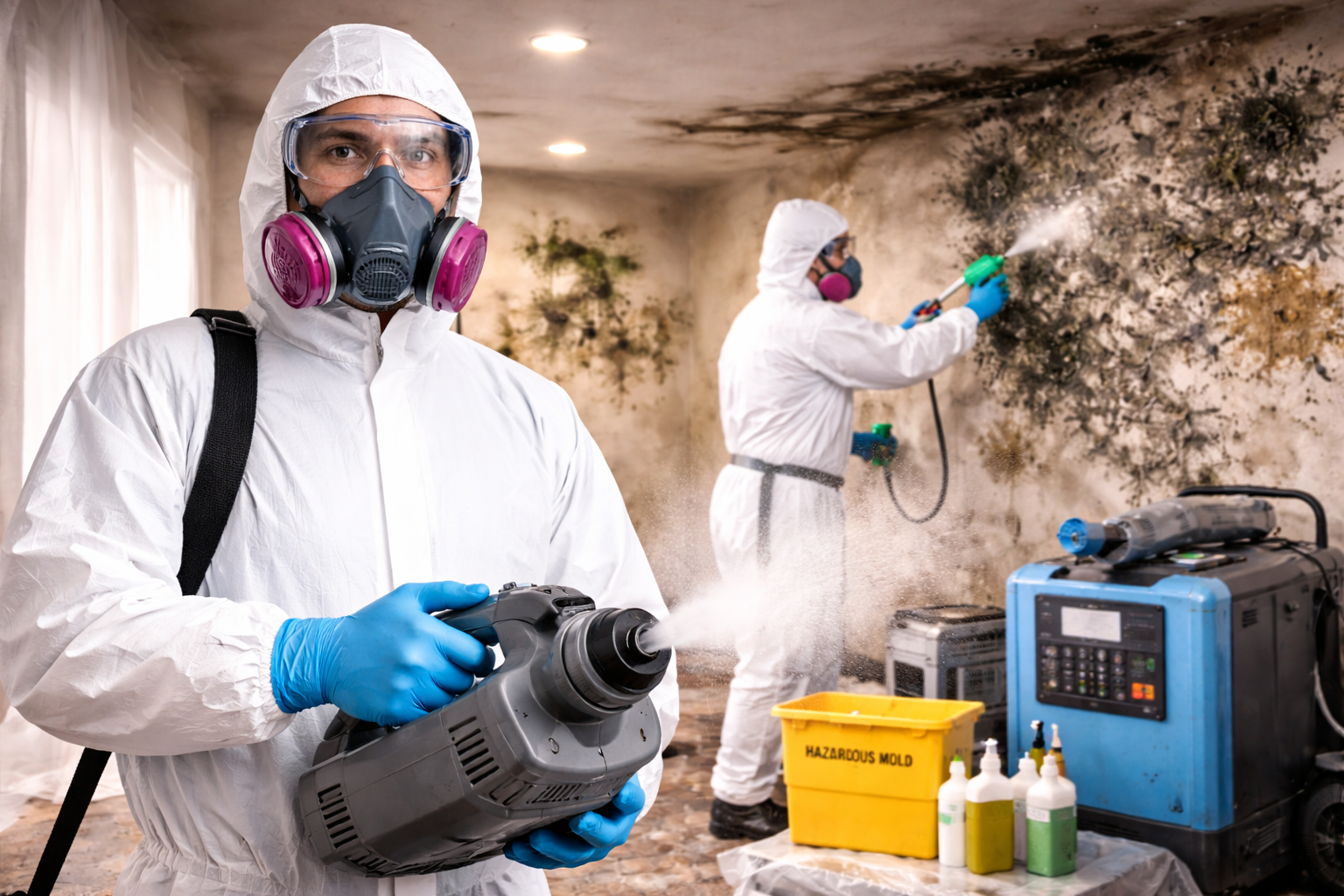
For stubborn growth on wood framing, professionals often use "media blasting" (using dry ice or crushed glass) to physically strip the mold from the wood fibers without damaging the structure. Following the mechanical removal, an EPA-registered antimicrobial solution is applied to kill any remaining spores and provide a fungistatic coating that inhibits future growth.
Mold Remediation Cost Factors in Janesville (2026)
The cost of mold remediation in Janesville can vary significantly based on the square footage of the affected area and the complexity of the containment required. In 2026, labor rates in Southern Wisconsin and the cost of specialized filtration equipment are the primary drivers of pricing.
| Remediation Level | Typical Area Size | Estimated Cost Range (2026) | Common Scenarios |
|---|---|---|---|
| Level 1 (Minor) | Under 10 sq. ft. | $500 – $1,200 | Small bathroom leak, window sill mold. |
| Level 2 (Moderate) | 10 – 30 sq. ft. | $1,500 – $3,500 | Isolated basement corner, small laundry room leak. |
| Level 3 (Major) | 30 – 100 sq. ft. | $4,000 – $7,000 | Large basement section, attic mold, crawl space. |
| Level 4 (Extensive) | Over 100 sq. ft. | $8,000 – $20,000+ | Whole-house flooding, long-term HVAC contamination. |
Several factors can increase these estimates:
- Access Issues: Working in tight crawl spaces often requires additional labor and safety equipment.
- Material Types: Removing mold from lath-and-plaster walls found in Janesville’s historic districts is more labor-intensive than modern drywall removal.
- Testing Fees: Independent third-party air quality testing, often recommended for peace of mind, typically adds $400 to $800 to the total project cost.
DIY vs. Professional Remediation
The Environmental Protection Agency (EPA) generally suggests that if the moldy area is less than about 10 square feet (roughly a 3-foot by 3-foot patch), a homeowner can often handle the job themselves. However, this advice comes with significant caveats for Janesville residents.
If the mold is the result of sewage backup or if the water damage has been present for more than 48 hours, professional intervention is highly recommended regardless of size. Homeowners attempting DIY cleanup often make the mistake of using bleach on porous surfaces. Bleach contains a high percentage of water; while it may turn the surface of the mold white (bleaching the color out), the water can soak into the material and actually feed the roots (hyphae) of the mold, leading to a more aggressive return.
Professionals use surfactants and professional-grade biocides that are specifically formulated to break the surface tension of porous materials, ensuring the "roots" are neutralized. Furthermore, homeowners rarely have the equipment to verify that the air is clean after the visible mold is gone.
Selecting a Qualified Contractor in Rock County
Wisconsin does not currently require a specific state license for mold remediation contractors, which makes the selection process critical for Janesville residents. To ensure high-quality work, look for the following credentials:
- IICRC Certification: Ensure the firm has technicians certified as Applied Microbial Remediation Technicians (AMRT).
- Pollution Liability Insurance: Standard general liability often excludes mold. A professional contractor should carry specific environmental or pollution insurance.
- Local References: Janesville is a community where reputation matters. Ask for references from recent projects in Rock County.
- Detailed Estimates: Avoid "ballpark" figures given over the phone. A reputable company will provide a written scope of work detailing containment, removal, and cleaning steps.
Preventive Measures for Janesville Homeowners
Once remediation is complete, preventing a recurrence is a matter of moisture management. Given the local climate, Janesville property owners should focus on several key areas:
- Sump Pump Maintenance: Because of the high water table near the Rock River, ensure your sump pump has a battery backup. A failed pump during a spring rainstorm is the leading cause of basement mold in the area.
- Dehumidification: Maintain indoor relative humidity below 50%. In Janesville’s humid summers, a high-capacity basement dehumidifier is often a necessity rather than an option.
- Gutter and Downspout Management: Ensure downspouts terminate at least 6 to 10 feet away from the foundation. Clogged gutters lead to water pooling against the foundation, which eventually seeps into the basement.
- Attic Ventilation: Ensure soffit and ridge vents are not blocked by insulation. Proper airflow prevents the temperature differentials that lead to condensation and "frost-mold" cycles.
Frequently Asked Questions
Is mold remediation covered by homeowners insurance in Wisconsin?
Coverage depends entirely on the "source of loss." Most policies in Janesville will cover mold remediation if it results from a "sudden and accidental" water discharge, such as a burst pipe. However, mold resulting from long-term seepage, high humidity, or lack of maintenance is typically excluded unless a specific "mold rider" was added to the policy.
How long does the remediation process typically take?
For a standard residential project in Janesville, the process usually takes between 3 to 5 days. Day 1 involves setup and containment; Days 2 and 3 involve removal and cleaning; Days 4 and 5 focus on drying and final air scrubbing before clearance testing.
What are the health risks of living with mold?
According to the Wisconsin Department of Health Services, mold can cause nasal stuffiness, throat irritation, coughing or wheezing, and eye or skin irritation. People with chronic lung illnesses or weakened immune systems may develop more severe infections. If you suspect mold is affecting your health, consult a medical professional before beginning remediation.
Should I test for mold before hiring a remediator?
If mold is visible, testing is often an unnecessary expense, as the protocol for removal remains the same regardless of the species. Testing is most useful when there is a musty odor but no visible growth, or for "clearance testing" after remediation to prove the air quality has returned to normal levels.
Can I stay in my house during the mold remediation?
In most cases, yes, provided the containment is set up correctly. However, if the remediation is extensive or involves the HVAC system, it may be more comfortable for sensitive individuals, children, or the elderly to relocate for a few days due to the noise of the air scrubbers and the potential for odors from cleaning agents.
Final Recommendation
If you discover mold in your Janesville property, the most critical action is to stop the water source immediately. Once the moisture is controlled, contact a certified professional to assess the extent of the growth. Ignoring the problem will only lead to higher costs and increased structural damage. For property owners in Rock County, professional remediation is an investment in both the health of the occupants and the long-term market value of the real estate.
Image Gallery