Why Your Jeep Wrangler Displays a Gas Cap Message: Causes and Solutions
If your Jeep Wrangler displays a "gASCAP" or "Gas Cap" message on the instrument cluster, it indicates that the vehicle’s Engine Control Module (ECM) has detected a leak in the Evaporative Emission (EVAP) system. This is most commonly...
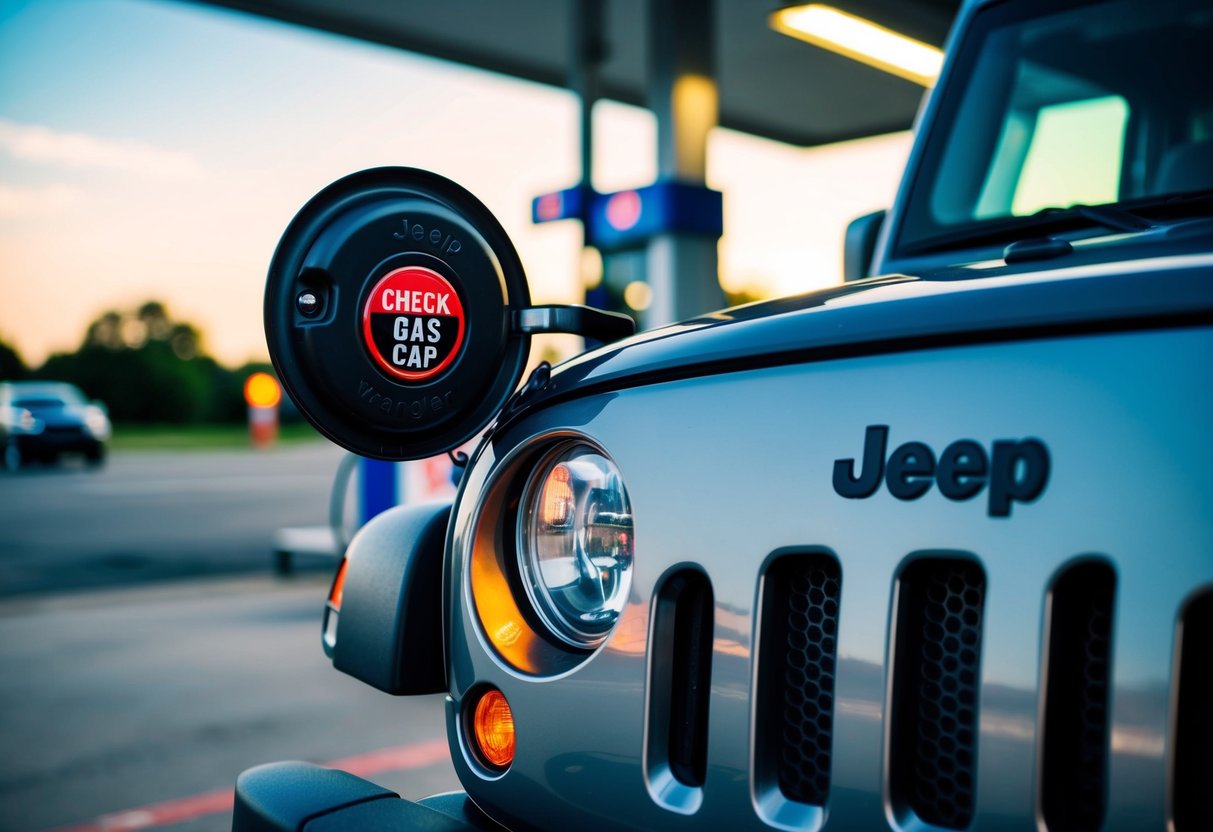
If your Jeep Wrangler displays a "gASCAP" or "Gas Cap" message on the instrument cluster, it indicates that the vehicle’s Engine Control Module (ECM) has detected a leak in the Evaporative Emission (EVAP) system. This is most commonly caused by a loose, damaged, or incorrect fuel cap that prevents the fuel system from maintaining proper pressure.
Contents
The "Gas Cap" message is a specific diagnostic warning designed to alert drivers to a potential vacuum leak before the more general "Check Engine" light (CEL) illuminates. While it may seem like a minor annoyance, the message serves a critical role in vehicle emissions compliance and fuel efficiency. As of 2026, many Jeep Wrangler models, particularly the long-running JK and JL generations, continue to use a sensitive EVAP monitoring system that triggers this specific warning. Understanding why this happens requires a look at how the Jeep’s computer monitors pressure and what components beyond the cap itself can trigger the alert.
Understanding the Jeep Wrangler EVAP System
To comprehend why the gas cap message appears, one must first understand the Evaporative Emission (EVAP) system. The primary purpose of this system is to trap gasoline vapors before they escape into the atmosphere. Gasoline evaporates easily, and these vapors contain hydrocarbons that contribute to smog.
The EVAP system consists of the fuel tank, a charcoal canister that absorbs vapors, various rubber hoses, and a series of valves (the purge valve and the vent valve). The system operates as a closed loop. When the engine is running, the ECM periodically performs a self-test to ensure the loop is airtight. It does this by creating a slight vacuum or using a dedicated pump to pressurize the system. If the sensor detects that the system cannot hold this pressure—meaning air is leaking in or vapors are leaking out—it identifies the most likely culprit: the fuel filler cap.
In the Jeep Wrangler, the software is programmed to prioritize the "Gas Cap" message if the leak detected is of a certain magnitude, typically associated with a large leak or a "no flow" state at the filler neck. If the issue is not resolved, the system will eventually log a Diagnostic Trouble Code (DTC) such as P0457 (Loose Fuel Cap) or P0455 (Large EVAP Leak) and turn on the Check Engine light.
Immediate Steps to Take
When the message first appears, do not panic. The vehicle is safe to drive, but you should address the issue promptly to prevent fuel evaporation and ensure you can pass upcoming emissions inspections.
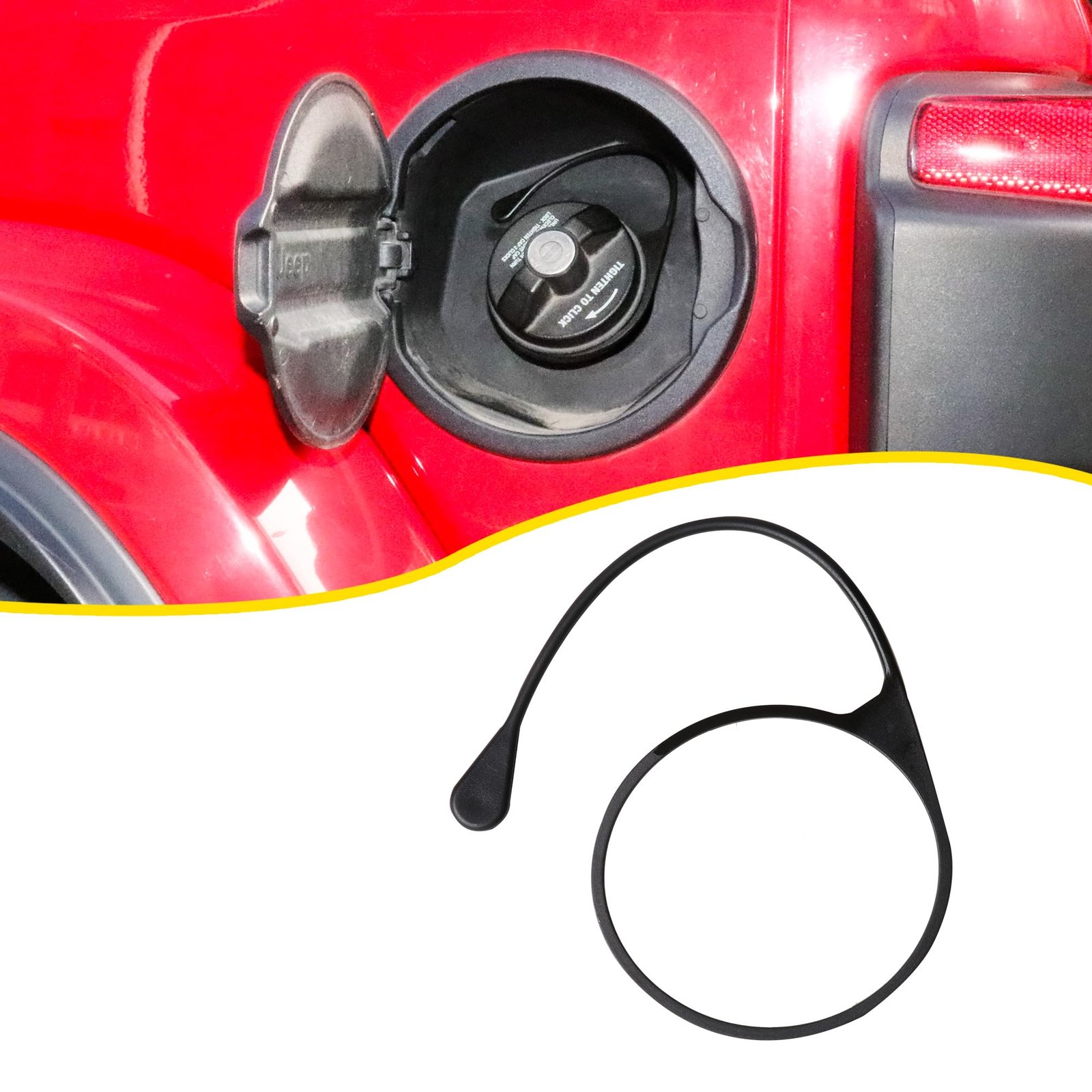
- Tighten the Cap: Pull over safely. Remove the gas cap entirely and inspect the threads for debris. Reinstall it and turn it until you hear at least three distinct clicks. On newer Jeep models, you may only need one click, but ensuring it is seated squarely is vital.
- Inspect the Seal: Look at the rubber O-ring or gasket on the underside of the cap. If it is cracked, dry-rotted, or flattened, it will not create a vacuum-tight seal.
- Drive for Several Cycles: The "Gas Cap" message will not disappear the instant you tighten the cap. The ECM needs to run a "Ready Monitor" test, which usually requires a specific set of driving conditions (often between 1/4 and 3/4 tank of fuel and a mix of city and highway driving). It may take 20 to 50 miles for the system to re-verify the seal and clear the message.
Common Causes of the Gas Cap Indicator
While a loose cap is the most frequent cause, several other factors can trigger this specific warning in a Jeep Wrangler.
Damaged or Aged O-Rings
In 2026, many JK and early JL Wranglers are reaching an age where rubber components naturally degrade. The rubber gasket on the fuel cap is subjected to constant fuel fumes and temperature fluctuations. Over time, the rubber loses its elasticity. Even if the cap feels tight, microscopic cracks in the O-ring can allow enough pressure to escape to trigger the sensor.
Faulty Aftermarket Gas Caps
Jeep Wranglers are notoriously sensitive to non-OEM (Original Equipment Manufacturer) parts within the emissions system. Many owners purchase locking gas caps or decorative aluminum caps to prevent fuel theft or customize their rigs. However, many aftermarket caps do not meet the exact pressure specifications required by the Jeep ECM. If you recently replaced your cap and the message appeared shortly after, the aftermarket part is likely the culprit.
Debris in the Filler Neck
Wranglers are off-road vehicles. Mud, dust, and sand can accumulate around the fuel door and filler neck. If a small amount of grit gets caught between the cap’s seal and the metal rim of the filler neck, it creates a "micro-gap." This gap is sufficient to fail the EVAP pressure test.
Advanced Troubleshooting: Beyond the Cap
If you have replaced the cap with a genuine Mopar part and the message persists, the problem lies deeper in the EVAP system.
The ESIM (Evaporative System Integrity Module)
In many Jeep models, the traditional leak detection pump is replaced by the ESIM. This is a small, white plastic component attached to the charcoal canister. It uses a weighted diaphragm and a switch to detect leaks using atmospheric pressure changes. If the ESIM becomes clogged with dust or the internal switch fails, it may report a "Gas Cap" error even if the cap is perfectly sealed. This is a common failure point for Jeeps driven in dusty or muddy environments.
Cracked Fuel Filler Neck
The filler neck is the metal or high-density plastic pipe that leads from the gas cap to the fuel tank. Because Wranglers often see heavy vibration and chassis flex during off-roading, the filler neck can develop hairline cracks or the welds at the tank junction can fail. A leak here mimics a loose gas cap perfectly because of its proximity to the sensor's pressure-drop calculations.
Deteriorated EVAP Hoses
There are several rubber lines connecting the fuel tank to the charcoal canister and the engine's intake manifold. These lines can be damaged by road debris, chewed by rodents, or simply dry-rot. A small hole in one of these hoses will trigger a "Small Leak" or "Gas Cap" message.
Diagnosing Diagnostic Trouble Codes (DTCs)
If the message remains, you should use an OBD-II scanner to check for stored codes. The specific code can help differentiate between a simple cap issue and a mechanical failure.
| Code | Meaning | Common Fix |
|---|---|---|
| P0457 | Loose Fuel Cap Detected | Tighten or replace the gas cap. |
| P0456 | EVAP System Very Small Leak | Replace ESIM or check for pinhole leaks in hoses. |
| P0455 | EVAP System Large Leak | Check filler neck, charcoal canister, or disconnected hoses. |
| P0440 | General EVAP System Malfunction | Inspect the entire system for circuit or vacuum issues. |
| P0441 | Incorrect Purge Flow | Replace the EVAP Purge Valve under the hood. |
Professional vs. DIY Solutions
Most gas cap issues are DIY-friendly. Replacing a cap costs roughly $25–$40 and takes seconds. Replacing an ESIM or a Purge Valve is also relatively simple, usually involving basic hand tools and 30 minutes of time.
However, if the "Gas Cap" message persists after these changes, a professional smoke test is required. A technician will inject UV-dyed smoke into the EVAP system under low pressure. Wherever smoke escapes is where the leak is located. This is often the only way to find a hairline crack in a plastic line hidden above the fuel tank or a leak in the charcoal canister itself.
Preventive Maintenance for the Fuel System
To avoid recurring EVAP issues in your Jeep Wrangler, follow these guidelines:
- Avoid Overfilling: When the gas pump clicks off, stop. "Topping off" can force liquid gasoline into the charcoal canister, which is designed only for vapors. This can ruin the canister and lead to persistent EVAP codes.
- Keep it Clean: After off-roading, spray out the fuel door area and the filler neck with water to ensure no grit interferes with the seal.
- Use Mopar Parts: For emissions-related sensors and caps, the Jeep ECM is calibrated for the specific resistance and seal-strength of OEM parts. Saving $10 on a generic cap often leads to $100 in diagnostic headaches later.
Frequently Asked Questions
Can I drive my Jeep with the "Gas Cap" message on?
Yes, the vehicle is safe to drive. The message indicates an emissions problem, not a mechanical failure that will leave you stranded. However, your fuel economy may slightly decrease, and you will not pass an emissions test until the issue is resolved and the computer resets.
How long does it take for the gas cap light to reset?
It typically takes between two and four drive cycles. A drive cycle usually involves starting the car when cold, driving to operating temperature, and maintaining a steady speed on a highway for several minutes. The computer will not run the EVAP test if the fuel tank is over 85% full or under 15% full.
Why did the Check Engine light come on after the Gas Cap message?
The Gas Cap message is an early warning. If the ECM continues to detect a leak over multiple drive cycles without seeing a "reset" (the cap being opened and closed), it assumes the problem is a persistent fault and triggers the Check Engine light to ensure the driver takes action.
Is the gas cap message covered under warranty?
In 2026, if your Jeep is still under its basic 3-year/36,000-mile warranty, it is covered. Furthermore, many emissions components are covered for longer periods (8 years/80,000 miles) under federal emissions warranties. However, a lost or physically broken cap is usually considered a wear-and-tear item or owner negligence.
Does a locking gas cap cause this message?
Frequently, yes. Many aftermarket locking caps do not provide the same airtight seal as the factory cap. If you require a locking cap, it is highly recommended to purchase the official Mopar Locking Fuel Cap, which is engineered to the correct specifications for the Wrangler's EVAP system.
Final Recommendation
If your Jeep Wrangler shows the "Gas Cap" message, your first action should be to inspect and tighten the cap. If the message persists for more than 50 miles, replace the cap with an original Mopar part. Should the warning remain after a new OEM cap is installed, the most likely culprit is a faulty ESIM (Evaporative System Integrity Module) or a small leak in the filler neck. Addressing these leaks early will prevent the frustration of a failed emissions inspection and keep your Wrangler running efficiently.
Image Gallery