Hartford as a City: An Overview of Connecticut’s Capital
Hartford, the capital city of Connecticut, serves as a major center for the American insurance industry and a historic hub of New England commerce and culture. Located on the Connecticut River, the city balances its identity as an esta...
Hartford, the capital city of Connecticut, serves as a major center for the American insurance industry and a historic hub of New England commerce and culture. Located on the Connecticut River, the city balances its identity as an established corporate headquarters with a rich legacy rooted in the American Colonial and Industrial eras, offering residents and professionals a distinct urban environment shaped by legislative activity and long-standing economic institutions.
Contents
The Historical and Economic Foundation
Founded in 1635 by settlers from the Massachusetts Bay Colony, Hartford is one of the oldest cities in the United States. Its early growth was facilitated by its strategic location on the Connecticut River, which allowed it to become a vital shipping and trade port. By the 19th century, the city transitioned into a powerhouse of manufacturing, famously serving as the home of Samuel Colt’s firearms industry and various machine tool innovators.
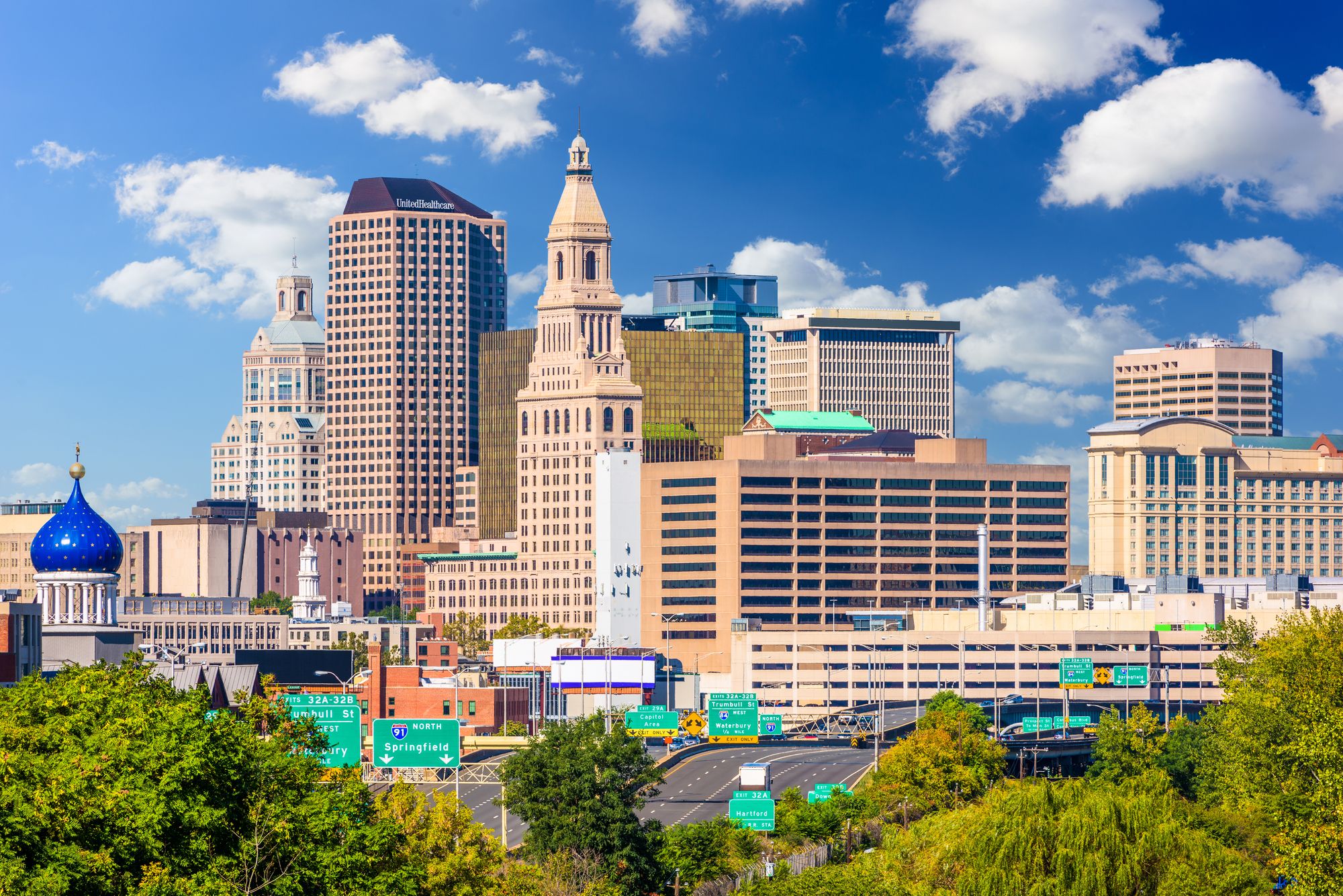
In the modern era, Hartford transitioned from a manufacturing base to the "Insurance Capital of the World." This reputation was solidified in the late 19th and early 20th centuries as major firms, including The Hartford and Travelers, established their headquarters in the city. As of 2026, this sector remains the backbone of the city’s economy, influencing everything from the local architecture—dominated by iconic steeples and corporate towers—to the demographic composition of the professional workforce.
Geographic and Urban Landscape
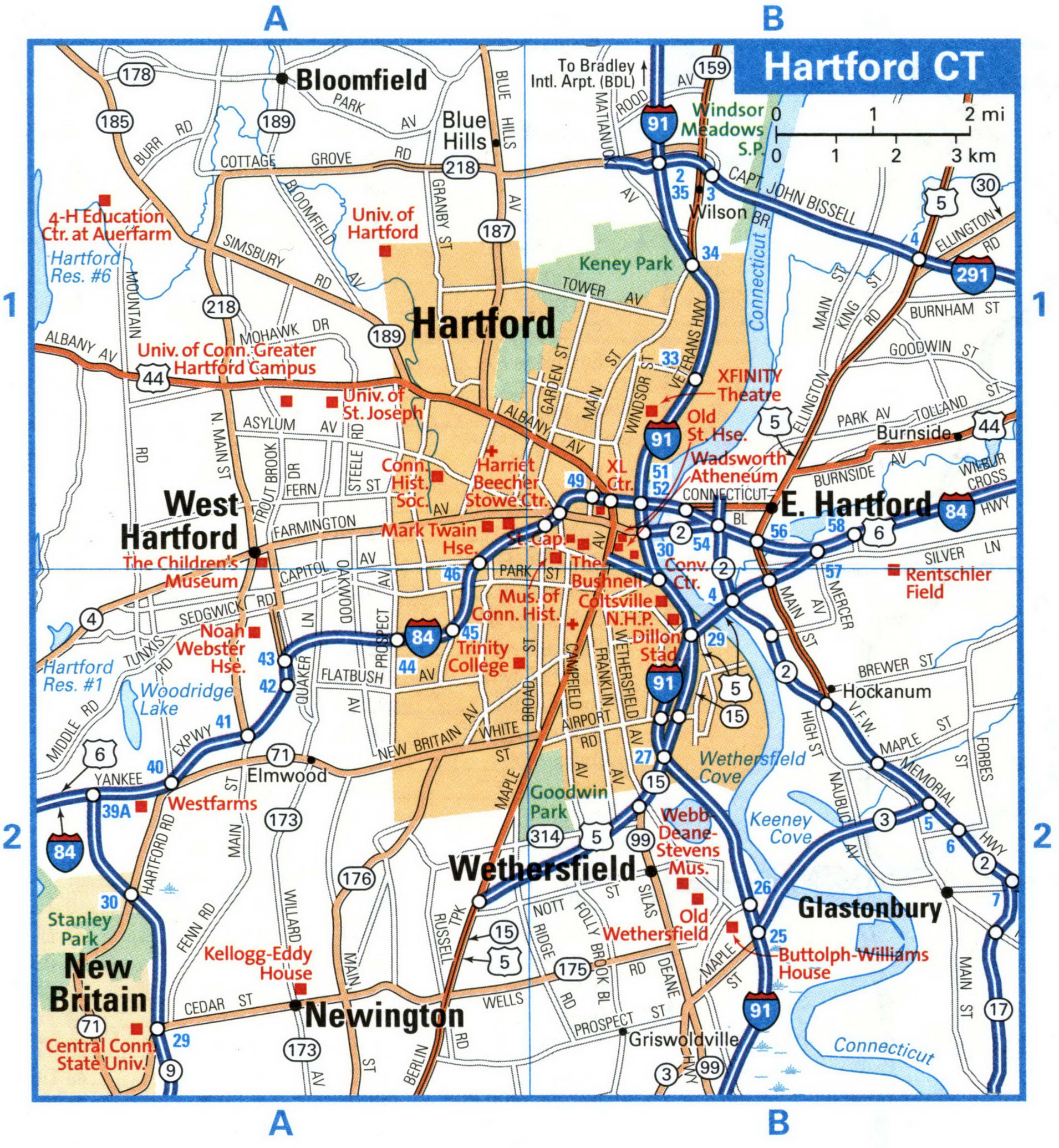
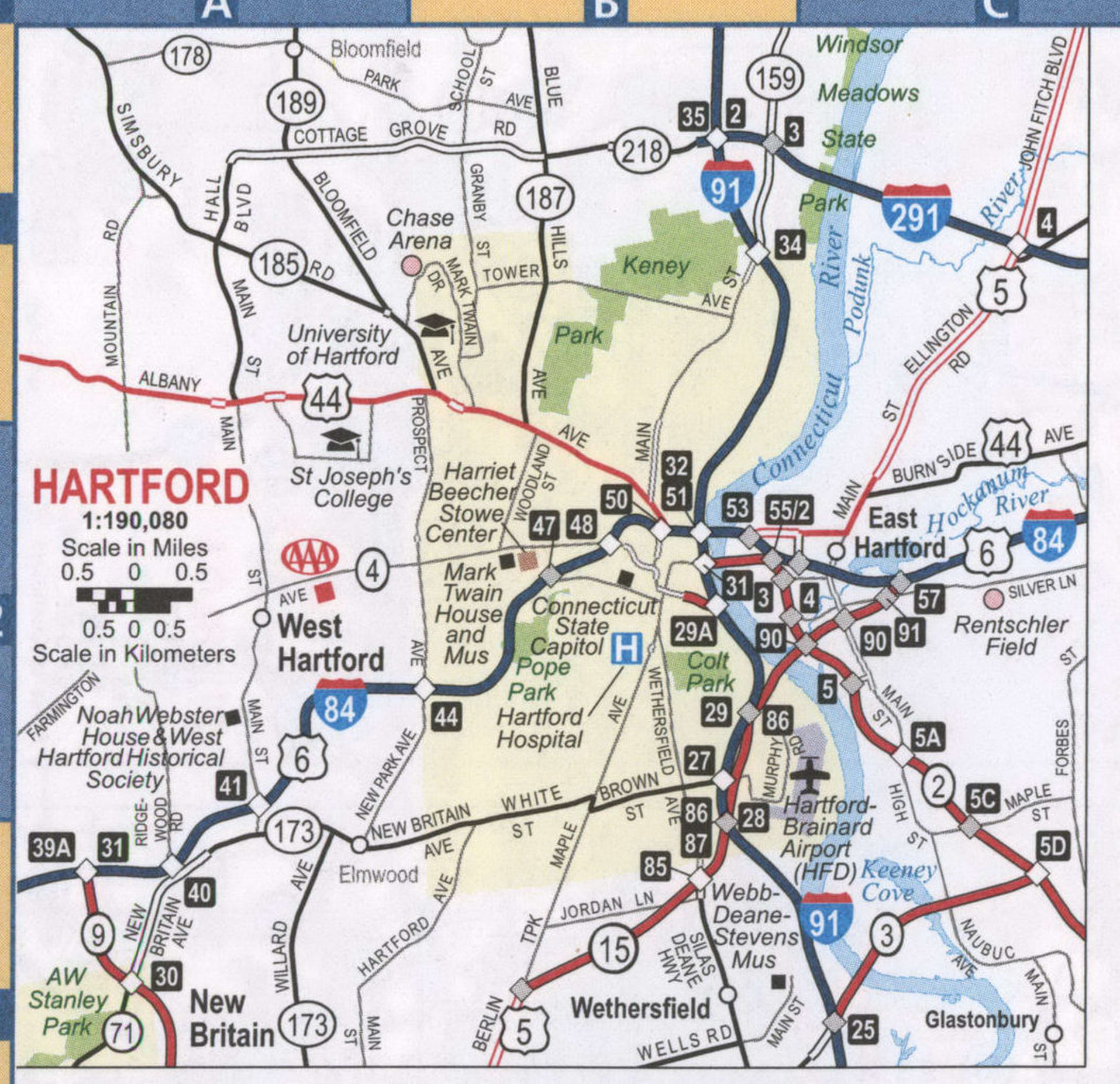
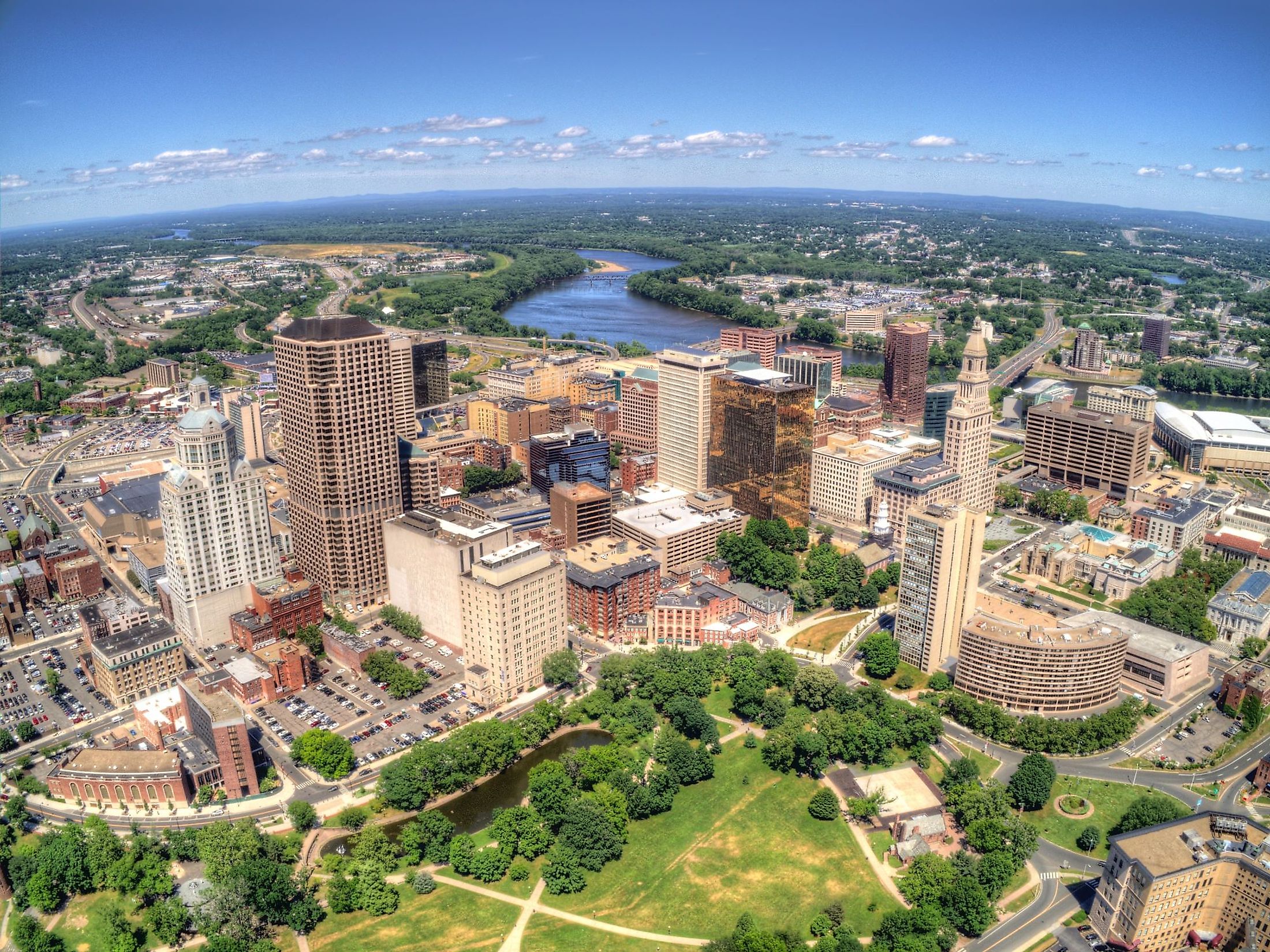
Hartford encompasses approximately 18 square miles of land. The Connecticut River serves as the city’s eastern boundary, influencing its layout and flood-mitigation infrastructure, most notably the Hartford Dike system. The downtown core is characterized by a blend of historic brownstone buildings and high-rise corporate office space.
Key districts within the city include:
- Downtown: The primary site of government offices, legal firms, and corporate headquarters.
- The West End: Known for its historic residential architecture, proximity to Elizabeth Park, and a high density of local restaurants and boutiques.
- Parkville: An industrial-turned-creative district currently undergoing significant adaptive reuse, housing maker spaces and modern industrial housing.
Transportation connectivity remains a significant focus for the city. Hartford is positioned at the nexus of Interstates 84 and 91, which facilitate regional transit between New York City and Boston. Furthermore, the Hartford Line commuter rail service provides consistent transit access to New Haven and Springfield, Massachusetts, supporting the regional workforce that commutes into the city daily.
Major Economic Pillars and Industry
The economic health of Hartford is heavily tied to the finance and insurance sectors. These industries do not merely occupy space; they shape the local labor market and dictate the city’s urban planning and social support systems. Beyond insurance, the city’s economic landscape includes:
- State Government: As the state capital, Hartford hosts the Connecticut State Capitol, the Legislative Office Building, and numerous state agency headquarters. This creates a consistent demand for administrative, legal, and support services.
- Healthcare: Hartford Hospital and the Connecticut Children’s Medical Center represent two of the largest employers in the region. They anchor a significant healthcare corridor that serves not just the city, but the broader central Connecticut area.
- Education and Research: The city is home to several higher education institutions, including the University of Hartford and Trinity College. These institutions serve as cultural anchors and contribute to a recurring population of students and researchers, impacting local rental markets and cultural events.
Comparative Analysis: Hartford vs. Regional Hubs
When evaluating Hartford against other prominent New England cities, its profile is distinct. Unlike the dense, transit-oriented coastal cities of Boston or Providence, Hartford operates more as a centralized corporate hub that shifts from high activity during business hours to a more localized residential pace during evenings and weekends.
| Feature | Hartford | Boston | New Haven |
|---|---|---|---|
| Primary Industry | Insurance / Government | Tech / Higher Ed / Biotech | Research / Higher Ed |
| Median Commute | Moderate (Regional Access) | High (Urban Congestion) | Moderate |
| Key Attraction | Historic Architecture / Parks | Cultural/Historical Tourism | Academic/Yale University |
| Housing Market | Stable/Affordable | High Cost/High Demand | Competitive/Student-Driven |
Cultural and Recreational Amenities
Despite its corporate-heavy reputation, Hartford offers significant cultural assets. Elizabeth Park, managed by the City of Hartford, is one of the oldest rose gardens in the United States and serves as a major focal point for public leisure. The Wadsworth Atheneum Museum of Art is the oldest public art museum in the United States, containing a collection that spans from Hudson River School landscapes to contemporary installations.
The city also functions as a center for professional sports and entertainment, with the XL Center hosting major concerts, university basketball games, and minor-league hockey. These venues act as catalysts for the city's hospitality and restaurant sectors, creating a cyclical demand for service-industry workers.
Navigating Challenges and Growth
Hartford faces challenges typical of mid-sized American cities, including infrastructure maintenance, managing a narrow tax base due to the presence of large tax-exempt institutions (such as state facilities and hospitals), and addressing socioeconomic disparities between the downtown core and outlying neighborhoods.
As of 2026, municipal efforts are focused on:
- Adaptive Reuse: Converting older, underutilized office spaces into residential units to increase the downtown population density.
- Infrastructure Improvements: Continued focus on the "iQuilt" project, an urban design initiative meant to connect the downtown's cultural and civic hubs through pedestrian-friendly paths.
- Public Safety and Education: Ongoing investments in community-led public safety initiatives and the restructuring of school districts to improve outcomes for city students.
Frequently Asked Questions
Is Hartford considered a safe city for families? Safety in Hartford varies significantly by neighborhood. While downtown and the West End are generally considered vibrant and pedestrian-friendly, families often look for specific communities that offer proximity to parks and schools. It is recommended to research current neighborhood-level crime statistics and school district performance reports provided by the state to make an informed decision.
How does the cost of living in Hartford compare to the rest of Connecticut? Hartford is generally more affordable than the coastal towns of Fairfield County, which are within the orbit of the New York City job market. Housing costs in Hartford are influenced by a mix of historic, older properties and newer apartment developments, allowing for a range of price points for renters and homeowners.
What is the best way to get around Hartford without a car? Hartford is served by the CTtransit bus network, which provides local and express service throughout the metropolitan area. The Hartford Line train service is excellent for those commuting north to Springfield or south to New Haven. However, for travel within the city’s residential neighborhoods, many residents still rely on personal vehicles or ride-sharing services.
What is the significance of the "Insurance Capital of the World" nickname? The title stems from the high concentration of major insurance companies founded and headquartered in Hartford in the 19th century. This history created a unique financial infrastructure in the city, leading to a long-standing legacy of professional service roles and high-rise office architecture that defines the skyline today.
Are there major cultural events that occur annually? Yes, the city hosts several annual events, such as the Greater Hartford Festival of Jazz in Bushnell Park and various seasonal festivals at Elizabeth Park. These events are integral to the city's social calendar and draw visitors from across New England.
Recommendation
For those considering relocating to or visiting Hartford for business, the city is best approached by identifying your specific district of interest. Professionals working in finance or government will find the downtown core highly convenient, while those seeking a more traditional, community-oriented atmosphere should investigate the West End. Always review current municipal zoning updates and local housing data for the most accurate assessment of your intended neighborhood.
Image Gallery