How You Can Feel Normal Lymph Nodes: Understanding Your Anatomy
It is possible to feel normal lymph nodes in certain parts of the body, such as the neck, armpits, and groin, especially in lean individuals. These nodes typically feel like small, soft, movable, and pea-sized lumps under the skin. Kno...
It is possible to feel normal lymph nodes in certain parts of the body, such as the neck, armpits, and groin, especially in lean individuals. These nodes typically feel like small, soft, movable, and pea-sized lumps under the skin. Knowing how to identify these structures is important for distinguishing them from abnormal, swollen nodes that may require medical evaluation.
Contents
The Anatomy and Function of Lymph Nodes
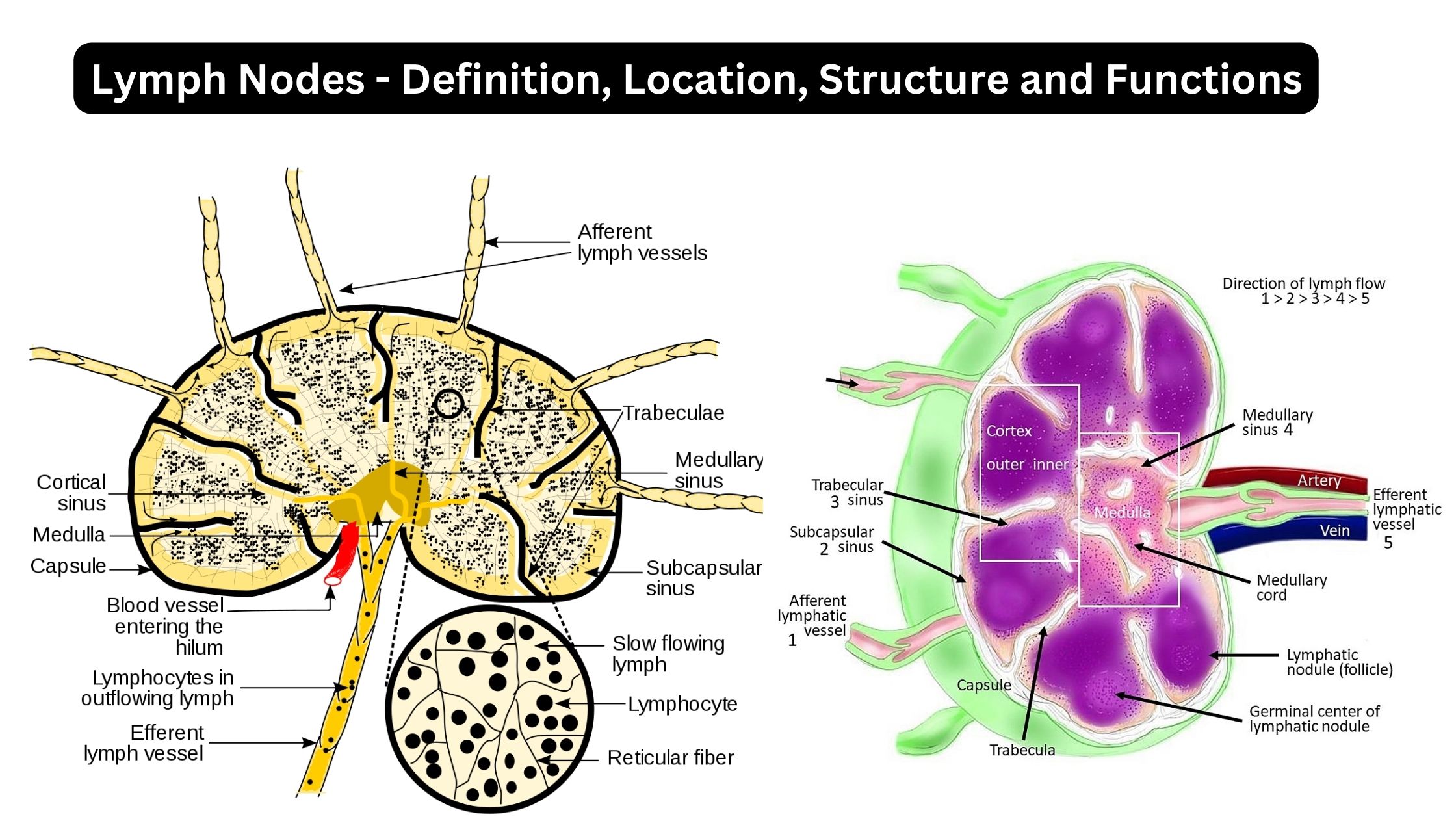
Lymph nodes are essential components of the human immune system. They are small, bean-shaped structures distributed throughout the body, connected by a network of lymphatic vessels. Their primary purpose is to act as filters for the lymphatic fluid (lymph), trapping foreign particles, bacteria, viruses, and abnormal cells before they can circulate through the bloodstream.
In a healthy state, lymph nodes perform their duties silently. They are often so small that they are not palpable to the average person. However, they are always present. When you can feel them, it is usually because they are located just beneath the skin in areas with little underlying muscle or fat padding.
Where You Can Typically Feel Normal Lymph Nodes
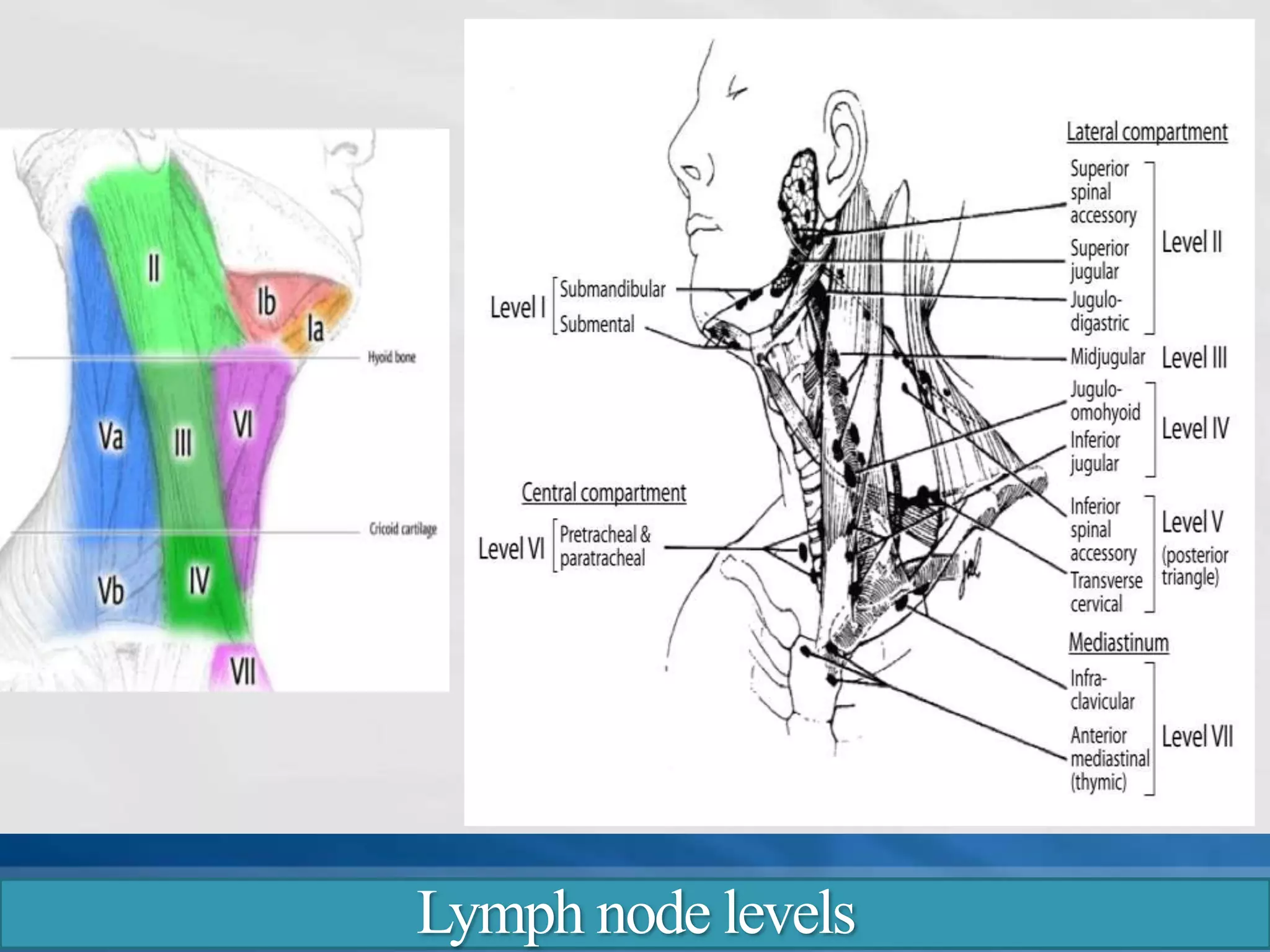
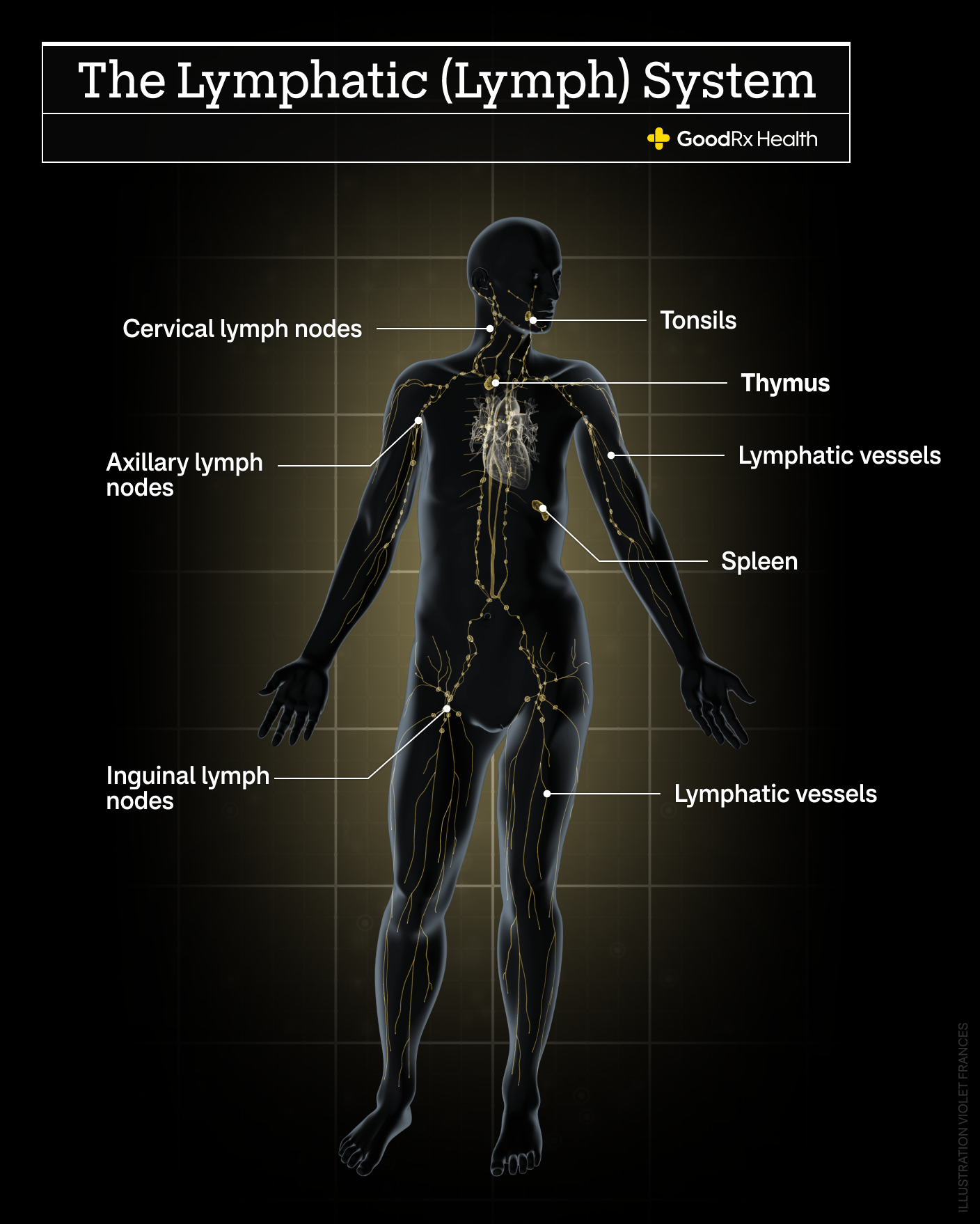
Lymph nodes are organized into clusters. While there are hundreds of nodes throughout the body, only those near the surface can be felt during a self-check. Identifying these locations requires a light, gentle touch.
- The Neck (Cervical Nodes): This is the most common area where people detect nodes. They are often found along the jawline, down the sides of the neck, and just above the collarbone. Because the neck is a high-traffic area for immune activity, these nodes are frequently slightly more prominent than those in other regions.
- The Armpits (Axillary Nodes): These nodes are located in the hollow of the armpit. To feel them, you generally need to relax your arm down to minimize tension in the surrounding muscles.
- The Groin (Inguinal Nodes): Nodes in the groin area are situated in the crease where your thigh meets your torso. These are often palpable in many healthy adults, particularly those who are active or lean, as they drain the lower extremities.
Characteristics of Healthy Lymph Nodes
When performing a self-assessment, it is vital to understand the "profile" of a normal node. If a node is normal, it generally exhibits specific tactile characteristics.
- Size: Normal lymph nodes are typically small, usually less than 1 centimeter in diameter—roughly the size of a pea or a lentil.
- Consistency: They feel soft or rubbery. They should not feel rock-hard or fixed to the underlying tissue.
- Mobility: A healthy node is usually mobile; if you push it gently, it should roll slightly under your fingers rather than feeling anchored to a single spot.
- Sensitivity: While mild tenderness can occur if you press too hard on any tissue, a normal lymph node should not be spontaneously painful or tender to the touch without provocation.
- Growth: They remain stable in size. They do not grow larger over time, nor do they appear suddenly.
Comparing Normal and Abnormal Findings
Understanding the differences between a normal node and one that signals an underlying issue is the most important aspect of self-monitoring. Use the following table as a general reference for differentiating between common characteristics.
| Feature | Normal Lymph Node | Abnormal Lymph Node |
|---|---|---|
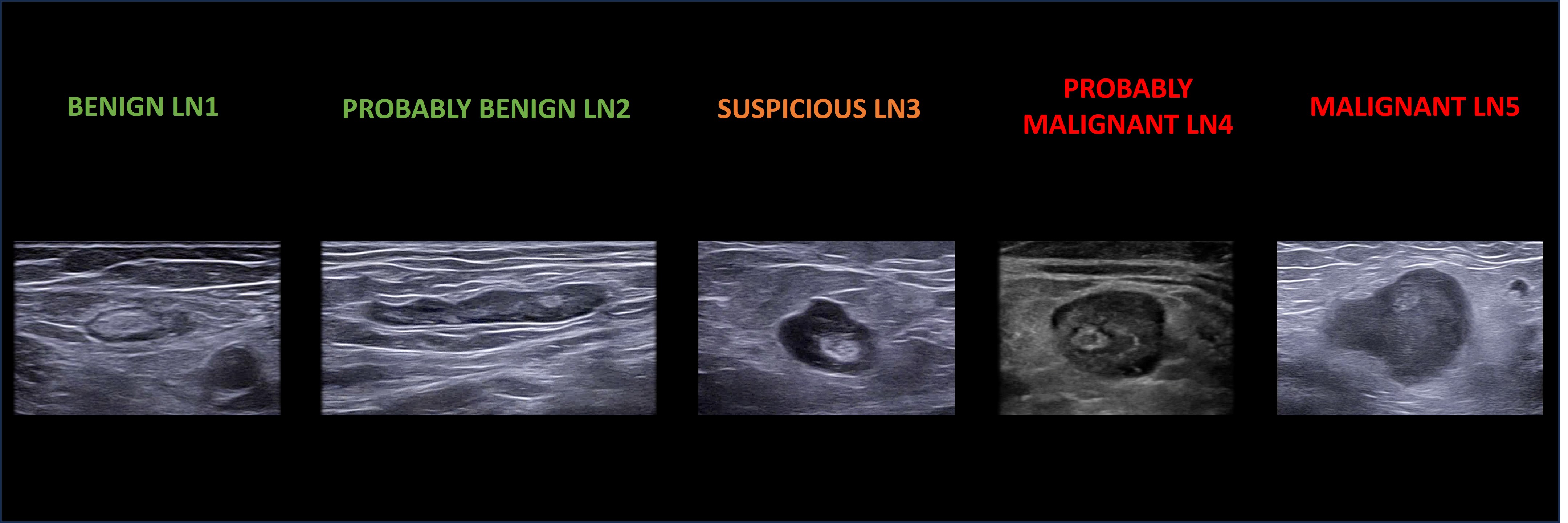
| Size | Small (under 1 cm) | Enlarged (often > 1-2 cm) |
| Mobility | Moves easily under skin | Fixed or matted to surrounding tissue |
| Texture | Soft or rubbery | Hard, firm, or irregular |
| Pain | Painless | Can be tender or painful |
| Duration | Stable size | Persistent enlargement or growth |
Techniques for Self-Examination
To check for nodes effectively, use the pads of your index, middle, and ring fingers. Do not use your fingertips, as this can make it difficult to feel subtle structures.
- Apply Gentle Pressure: Use a circular motion, moving your fingers over the skin surface. You are not trying to "poke" the node but rather to feel for a change in texture beneath the skin.
- Relax the Muscles: When checking the neck, tilt your head slightly to the side you are examining to relax the muscles. When checking the armpit, keep your arm loosely at your side.
- Avoid Over-Checking: Frequent pressing or "fiddling" with an area can sometimes cause minor, temporary inflammation of the nodes, making them feel slightly enlarged or tender when they are actually perfectly healthy.
When to Seek Professional Guidance
While knowing how to feel your lymph nodes is a useful skill for personal health awareness, it is not a substitute for a clinical examination. You should consult a healthcare provider if you notice changes that persist.
Specifically, seek medical advice if you encounter the following:
- Nodes that continue to grow in size over several weeks.
- Nodes that feel hard, irregular, or immovable.
- Nodes accompanied by "B-symptoms," such as unexplained weight loss, drenching night sweats, or persistent fever.
- Nodes that appear in areas not typically associated with common infections, such as the supraclavicular region (above the collarbone).
Frequently Asked Questions
Why can I feel my lymph nodes when I am not sick? It is common for lean individuals to be able to feel small, bean-sized nodes in the neck or groin. If they have always been that size and feel soft and movable, they are likely normal. Some people simply have more superficial nodes than others.
Does a swollen lymph node always mean I have an infection? Not always, but infection is the most common cause. Lymph nodes swell (lymphadenopathy) when they are actively working to filter out pathogens. This is a sign of a healthy immune response to a cold, flu, dental issue, or local skin infection. Once the infection resolves, the nodes usually return to their baseline size.
Is it normal for a lymph node to stay enlarged after an illness? Sometimes, a node remains "shotty"—a medical term for a small, firm node that stays slightly enlarged long after an infection has cleared. If a doctor has evaluated it and determined it is benign, this is often considered a normal variation of healing.
Can I hurt myself by checking my lymph nodes? Generally, no. However, excessive rubbing or pressing on a lymph node can irritate the surrounding tissue, causing localized swelling or tenderness. This can create a cycle of worry where you feel the node, rub it to check it, cause it to swell, and then feel more concerned. If you find a node, check it once and avoid constant prodding.
Should I be concerned if a lymph node feels hard? Hard or firm nodes that do not move easily are more concerning than soft, mobile nodes. If you discover a node that feels significantly different from your normal tissue—especially if it is firm or fixed—it is worth scheduling a visit with a primary care physician to rule out underlying issues.
Final Recommendation
The best approach to monitoring your lymph nodes is one of "watchful awareness" rather than frequent, obsessive checking. If you can feel a node that is small, soft, and mobile, it is likely a normal anatomical feature. However, if you find a node that is rapidly changing, hardening, or accompanied by systemic symptoms like night sweats, contact a healthcare professional. A brief examination by a doctor can often provide peace of mind by distinguishing between normal anatomy and issues requiring further diagnostic steps like blood work or imaging.
Image Gallery