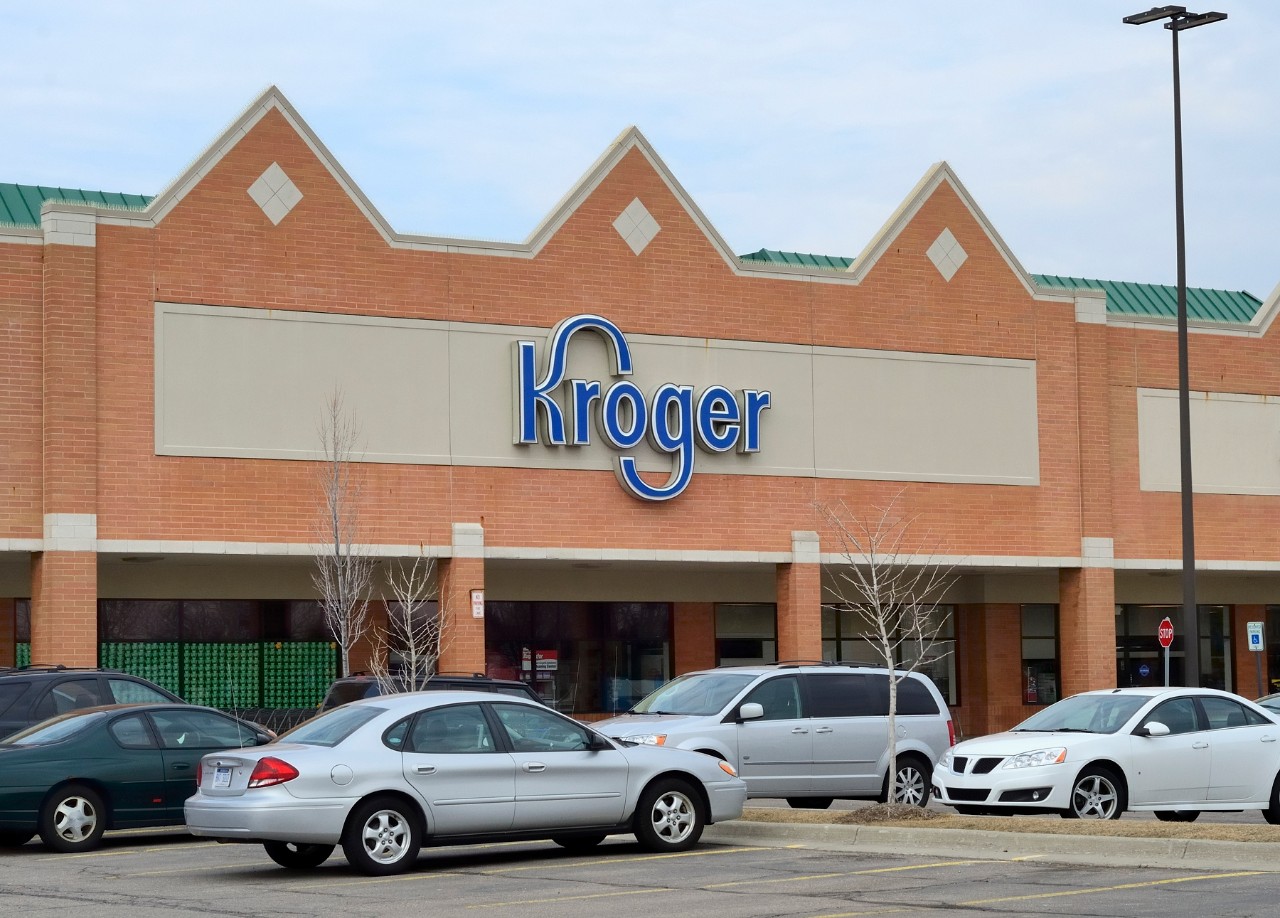
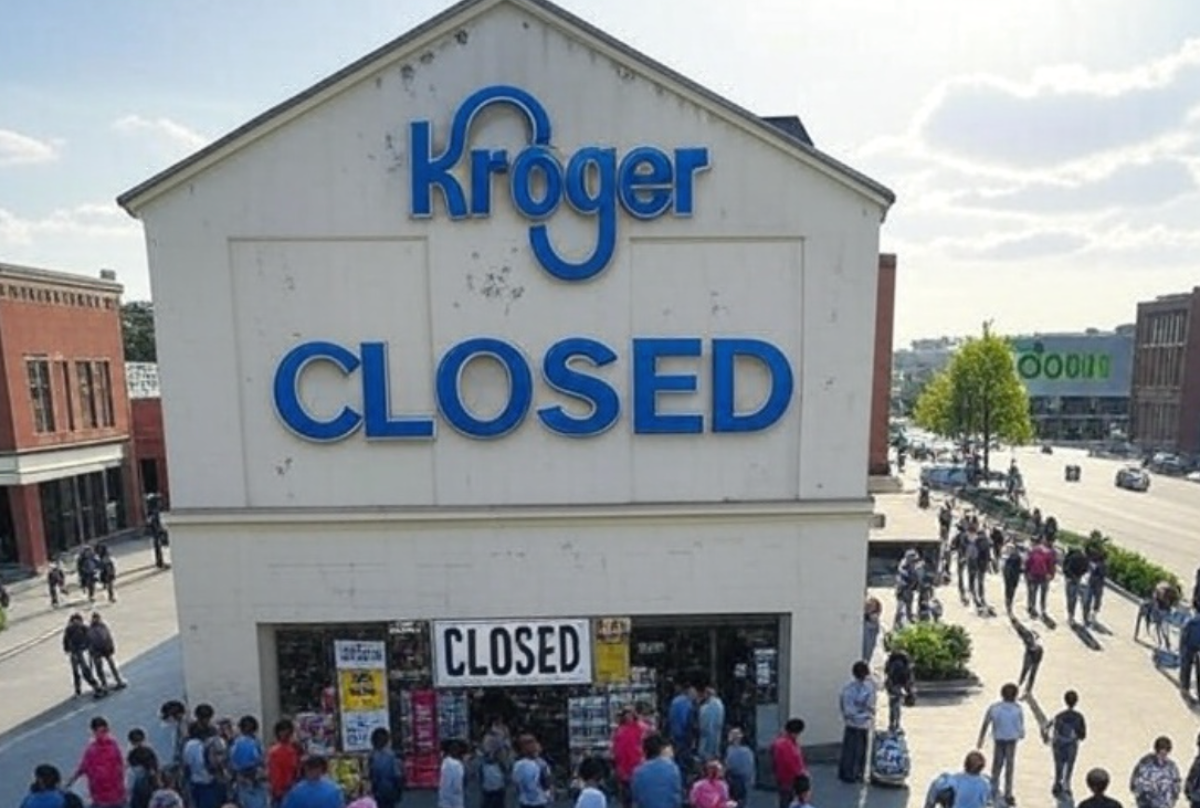
Why Kroger Closing Stores in Michigan Matters to Shoppers
Kroger store closures in Michigan disrupt essential access to fresh food, pharmacy services, and community employment. For shoppers in 2026, these closures signify a major shift in the retail landscape following the Kroger-Albertsons m...
Kroger store closures in Michigan disrupt essential access to fresh food, pharmacy services, and community employment. For shoppers in 2026, these closures signify a major shift in the retail landscape following the Kroger-Albertsons merger and regional consolidation, forcing residents to navigate new loyalty programs, longer commutes, and potential "food deserts" in urban and rural areas.
Contents
The Evolution of Kroger’s Michigan Footprint (2024–2026)
The Michigan grocery market has long been a battlefield between the Cincinnati-based Kroger and the Grand Rapids-based Meijer. However, between 2024 and 2026, the narrative shifted from expansion to "strategic optimization." When Kroger identifies a store for closure, it is rarely a snap decision. It is typically the result of long-term underperformance, lease expirations, or, most significantly in recent years, federal regulatory requirements surrounding corporate mergers.
In early 2024, the closure of the Saginaw store on State Street served as a harbinger for many shoppers. While that specific closure was attributed to underperformance, it highlighted a growing concern: when a major chain leaves a neighborhood, it creates a vacuum that smaller independent grocers or high-priced convenience stores cannot easily fill. By 2026, the ripple effects of these decisions are fully visible, as shoppers in both the Metro Detroit area and mid-Michigan adjust to a consolidated market.
The "why" behind these closures matters because it reflects the health of the local economy and the future of price competition. When Kroger exits a sub-market, the remaining competitors—be they Meijer, Walmart, or Aldi—face less pressure to keep prices low. For the average Michigan household, this can translate to a "grocery tax" in the form of higher shelf prices and increased fuel costs to reach the next nearest location.
The Kroger-Albertsons Merger and Divestiture Impact
One of the primary drivers of store transitions in Michigan through 2025 and 2026 has been the fallout from the Kroger-Albertsons merger. To satisfy the Federal Trade Commission (FTC) and avoid antitrust litigation, Kroger agreed to divest hundreds of stores nationwide to C&S Wholesale Grocers.
For Michigan shoppers, this "closure" often looks more like a rebranding. However, a store changing from Kroger to a C&S-owned brand (such as Piggly Wiggly or a local banner) is practically a closure in the eyes of a loyal shopper.
Why the Divestiture Matters:
- Loyalty Points and Fuel Rewards: Kroger’s "Fuel Points" program is a cornerstone of shopper loyalty in Michigan. When a store is divested or closed, those points often do not transfer to the new brand, representing a direct loss of value for the consumer.
- Product Availability: Kroger’s "Private Selection" and "Simple Truth" brands are highly rated. A store closure or transition means losing access to these specific house brands, which many families rely on to keep their grocery bills manageable.
- Supply Chain Changes: A new owner means a new supply chain. This can lead to temporary out-of-stock issues or a permanent change in the quality of produce and meat available at that location.
The Reality of Food Deserts in Michigan Communities
When a Kroger closes in an urban center like Detroit or a rural area in the Thumb, the impact is more than an inconvenience; it is a public health concern. "Food deserts" are areas where residents lack access to affordable, nutritious food. Because Kroger often occupies large footprints (60,000 to 100,000 square feet), finding a replacement tenant that offers the same variety of fresh produce is difficult.
In Michigan, many shoppers—particularly seniors and those in lower-income brackets—rely on public transportation or walking to reach their grocer. A store closure that adds three miles to a trip can effectively cut off access to fresh food. In 2026, we are seeing the long-term data from areas where Kroger exited in 2024: an increase in "corner store shopping," where residents pay premium prices for processed foods, leading to worse health outcomes over time.
Furthermore, the closure of a "destination" store like Kroger often leads to the decline of surrounding small businesses. A Kroger usually acts as an "anchor tenant" in a shopping plaza. When the anchor leaves, foot traffic drops, leading to the closure of dry cleaners, nail salons, and small restaurants that relied on the grocery store’s daily draw.
The Loss of Pharmacy and Healthcare Continuity
Perhaps the most critical reason store closures matter to Michigan shoppers is the loss of pharmacy services. Kroger pharmacies serve as a primary healthcare touchpoint for thousands of Michiganders. They are where people receive flu shots, manage chronic conditions, and consult with professionals they have known for years.
When a store closes, prescriptions are typically transferred to a nearby location—sometimes a different Kroger, sometimes a competitor like CVS or Walgreens. This transition is rarely seamless. For elderly patients, a change in pharmacy location can lead to missed doses or confusion regarding insurance coverage.
| Feature | Impact of Closure | Consequence for Shoppers |
|---|---|---|
| Prescription Access | Transfer to a new location, often miles away. | Potential delays in life-saving medication. |
| Health Records | Possible fragmentation of digital health history. | Difficulty for pharmacists to check drug interactions. |
| Vaccination Services | Fewer local "walk-in" clinic options. | Lower local immunization rates during peak seasons. |
| Insurance Coverage | New pharmacy may have different "preferred" status. | Higher out-of-pocket costs for the same medication. |
Economic Consequences: Jobs and the Local Tax Base
Kroger is a major employer in Michigan, with many workers represented by the United Food and Commercial Workers (UFCW) union. A store closure represents more than just a loss of shelf space; it is the loss of 50 to 150 local jobs. While Kroger often attempts to transfer employees to other locations, this is not always feasible for workers who rely on local transit or have specific childcare windows.
From a community perspective, a vacant Kroger building is a liability. These large "big-box" structures are notoriously difficult to repurpose. If they sit empty, they can lower property values for the entire neighborhood and reduce the tax revenue that municipalities use for roads, schools, and emergency services. In Michigan cities that have faced economic headwinds, a shuttered Kroger can become a symbol of neighborhood disinvestment, making it harder to attract new businesses to the area.
Analyzing the Competitive Shift: Meijer, Aldi, and Walmart
As Kroger adjusts its Michigan footprint in 2026, the competitive landscape is shifting. Shoppers are increasingly looking toward "hard discounters" like Aldi and "supercenters" like Meijer to fill the gap.
- The Meijer Dominance: As a Michigan-based company, Meijer often steps in to capture the market share left behind by Kroger. While Meijer offers a similar variety, their stores are often much larger, which can be overwhelming for shoppers who prefer the smaller, more navigable "neighborhood" feel of a traditional Kroger.
- The Rise of Aldi: In areas where a Kroger has closed, Aldi has become the primary alternative for budget-conscious families. However, Aldi’s limited selection (no full-service deli or pharmacy) means shoppers often have to visit multiple stores to complete their lists, increasing "shopping fatigue."
- Walmart’s Role: In more rural parts of Michigan, a Kroger closure effectively hands a monopoly to Walmart. This lack of competition can lead to a stagnation in service quality and a reduction in the "local" feel that many Michigan shoppers value.
Navigating a Store Closure: Practical Steps for Michigan Shoppers
If your local Kroger is slated for closure or has recently transitioned to a new brand, there are several steps you should take to protect your household budget and healthcare access.
- Audit Your Rewards: Check your "Kroger Plus" account immediately. Redeem any accumulated "Fuel Points" before the store’s official closing date. If you have "Cash Back" offers or digital coupons, ensure they are used, as they may not be valid at a divested location under new management.
- Transfer Pharmacy Early: Do not wait until the final week of a store's operation to move your prescriptions. Proactively choose a new pharmacy that is convenient for you and verify that your insurance is in-network. This prevents a "limbo" period where your records are being moved between corporate servers.
- Explore New Loyalty Programs: If you are forced to switch to Meijer or another chain, sign up for their loyalty programs (like mPerks) immediately. Many of these programs offer "new member" incentives that can help offset the initial cost of switching your grocery routine.
- Community Advocacy: If a closure creates a food desert, engage with your local city council or township board. In some Michigan communities, local governments have successfully negotiated with developers to ensure a new grocer takes over the vacant space quickly.
Frequently Asked Questions
What happens to my Kroger Fuel Points if my store closes?
If your local store closes but other Kroger-branded stores remain in your general region, your Fuel Points remain valid at any Kroger fuel station or participating partner (like Shell). However, if the store is divested to a new company (like C&S Wholesale Grocers), your Kroger Plus card and its associated points will typically not be recognized by the new brand.
Will the prices go up at nearby stores when a Kroger closes?
Economically, a reduction in competition often leads to higher prices. Without a Kroger nearby to "check" the prices of Meijer or Walmart, those retailers may reduce the frequency of deep-discount sales or "loss leaders" (items sold at a loss to attract customers), ultimately increasing your weekly grocery bill.
Are all Kroger "closures" in Michigan actually permanent?
No. In 2025 and 2026, many "closures" are actually transitions. Due to the Kroger-Albertsons merger, some stores were sold to C&S Wholesale Grocers to maintain competition. While the building remains a grocery store, the branding, products, and loyalty programs will change, which feels like a closure to a loyal Kroger shopper.
How does a store closure affect the value of my neighborhood?
Large grocery stores are "anchor" properties. A vacant 80,000-square-foot building can lead to a 5-10% decrease in nearby commercial property values if it remains empty for more than 12 months. For homeowners, it can make the neighborhood less attractive to buyers who prioritize "walkable" or "convenient" access to amenities.
Can I still use the Kroger app if my local store is gone?
Yes, the Kroger app will still function for digital orders and delivery. In fact, many shoppers in Michigan are pivoting to "Kroger Boost" (a delivery subscription) when their physical store closes. This allows you to still access Kroger-exclusive brands and earn fuel points even if you can no longer walk into a local brick-and-mortar location.
Recommendation for 2026 Shoppers
The landscape of Michigan grocery shopping is more volatile in 2026 than it was a decade ago. To maintain your household budget, we recommend adopting a multi-channel shopping strategy. Rather than relying on a single "anchor" store, diversify your shopping between discount retailers like Aldi for staples, and use delivery services or larger hubs for specialty items. If your local Kroger closes, prioritize the immediate transfer of pharmacy records to a provider with a long-term lease in your area to ensure your healthcare remains uninterrupted during this period of retail consolidation.
Image Gallery