Is Divina Valencia Still Alive? The Current Status and Legacy of the Screen Icon
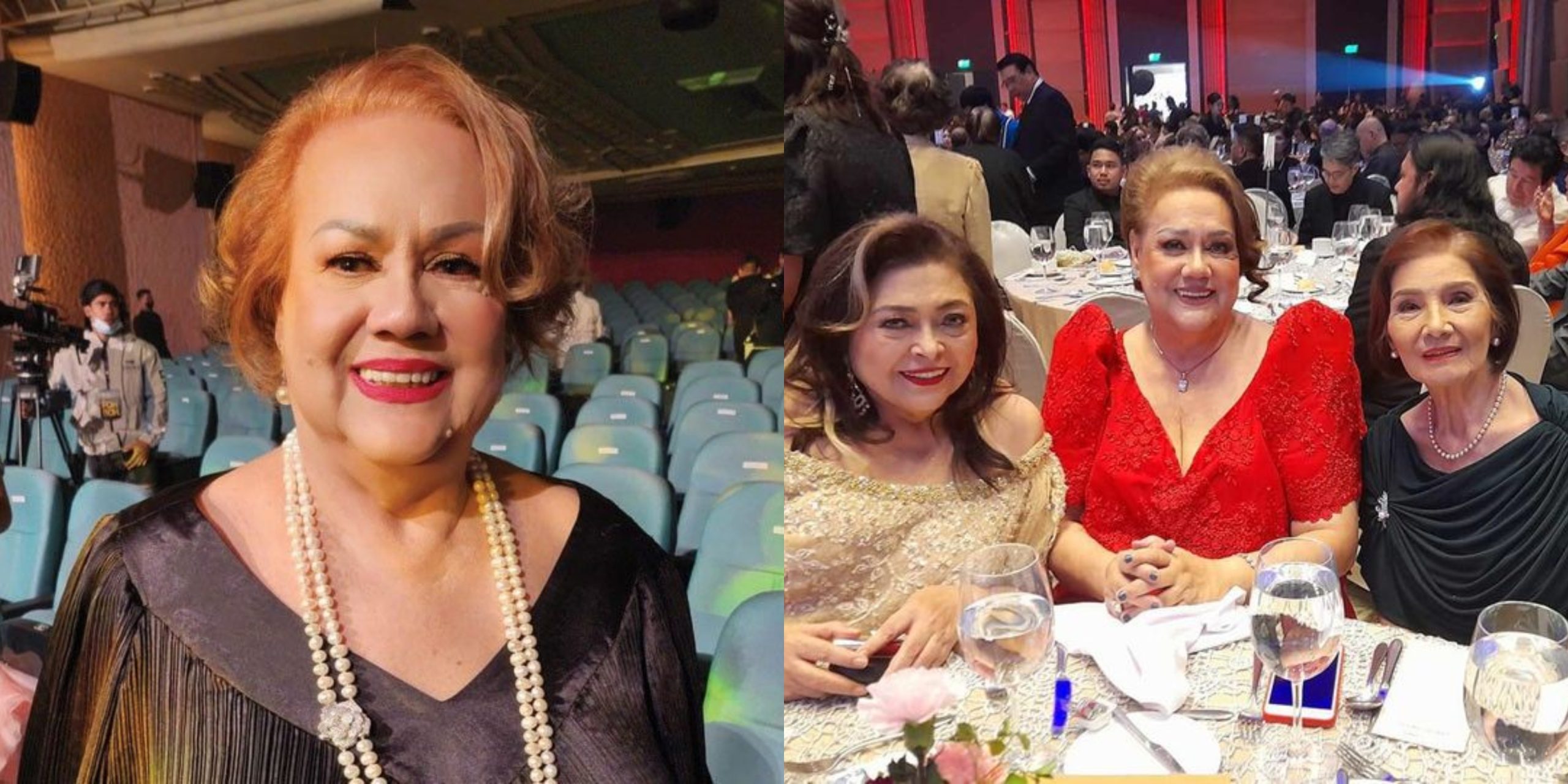
As of 2026, Divina Valencia is still alive. The veteran actress, known as one of the original "Sex Goddesses" of Philippine cinema, continues to reside in the Philippines. While she has largely stepped back from the grueling schedules...
As of 2026, Divina Valencia is still alive. The veteran actress, known as one of the original "Sex Goddesses" of Philippine cinema, continues to reside in the Philippines. While she has largely stepped back from the grueling schedules of mainstream film production, she remains a revered figure in the local entertainment industry.
Contents
The enduring curiosity regarding Divina Valencia’s status is a testament to her massive impact on Philippine pop culture. For decades, she has been a symbol of both the "Bomba" era's precursor and the transition of Filipino cinema into more daring, independent territories. To understand why her name still resonates today, one must look at the trajectory of her career, her legendary rivalries, and her successful transition from a "bold" star to a respected character actress.
The Cultural Significance of Divina Valencia
Divina Valencia (born Conchita Valencia) rose to prominence during a transformative period in the Philippine film industry. In the 1960s, the traditional "Big Three" studios—Sampaguita Pictures, LVN Pictures, and Premiere Productions—were beginning to lose their monolithic grip on the market. This gave rise to independent producers and a new breed of stars who were not afraid to challenge the conservative norms of the time.
Valencia was at the forefront of this shift. She was marketed as a "Sex Goddess," a title she shared with her contemporary and professional rival, Stella Suarez. Unlike the "sweet" leading ladies of the studio era, Valencia projected a persona of strength, independence, and overt sensuality. This was not merely about aesthetic appeal; it represented a shift in the Filipino audience's appetite for more mature and realistic (albeit often sensationalized) storytelling.
Throughout the 1960s and early 1970s, Valencia was a box-office draw. Her films often featured her in roles that required a mix of action prowess and glamour. She was a staple of "action-drama" hybrids, often playing the tough-talking heroine who could hold her own against the leading men of the era, such as Joseph Estrada and Fernando Poe Jr.
The Legendary Rivalry: Divina Valencia vs. Stella Suarez
One cannot discuss Divina Valencia’s career without mentioning her legendary rivalry with Stella Suarez. This was perhaps the first great "showbiz rivalry" of the modern era in the Philippines, predating the more modern fan wars of the 80s and 90s.
The rivalry was a masterpiece of 1960s marketing. Producers and movie columnists fueled the fire, pitting the two actresses against each other in terms of beauty, talent, and "boldness." While it was often portrayed as a bitter feud, both actresses later admitted that much of it was professional competition that benefitted both of their careers.
This rivalry reached its peak in films where the two appeared together, or when they released competing projects simultaneously. It helped define the "Bold" genre before it evolved into the more explicit "Bomba" films of the early 1970s. Valencia, however, always maintained a level of class and craft that allowed her to outlast the trend itself. While many stars of that era faded once the "Bomba" craze was suppressed during the Martial Law years, Valencia’s versatility allowed her to pivot.
Transitioning to Character Roles and Television
A significant factor in why Divina Valencia is still a household name in 2026 is her successful transition into character roles. Many stars of the 1960s found it difficult to adapt as they aged, but Valencia embraced the change.
In the late 1980s and throughout the 1990s, she moved into mother and grandmother roles in both film and television. Her presence on screen shifted from being the primary attraction to being the "anchor" of a scene. She brought a sense of history and gravitas to the projects she joined. Younger generations of actors often cite her as a mentor figure on set, praising her discipline and her ability to command a scene without saying a word.
Her work in television "teleseryes" (Filipino soap operas) introduced her to a generation that never saw her 1960s films. By appearing in long-running series, she maintained her relevance. Her ability to play both the sophisticated matriarch and the gritty, street-smart elder showed a range that many of her contemporaries lacked.
Key Career Milestones and Filmography
To understand the breadth of her work, it is helpful to look at the different phases of her career. The following table highlights some of the defining moments and films that shaped the legend of Divina Valencia.
| Era | Key Films/Projects | Significance |
|---|---|---|
| 1960s: The Rise | Kambal sa Sinukuan, Dr. Laway | Established her as a "Sex Goddess" and a top-tier box office draw. |
| 1970s: The Action Phase | The Arizona Kid, Durugin si Totoy Bato | Showcased her ability to work in high-octane action films alongside icons like FPJ. |
| 1980s-90s: Character Transition | Sa Kabila ng Lahat, Abot Hanggang Langit | Shifted toward dramatic character roles, earning respect from critics. |
| 2000s-2020s: TV & Legacy | FPJ's Ang Probinsyano, Tribute Specials | Became a veteran presence in television and a regular at film heritage awards. |
Divina Valencia’s Health and Lifestyle in 2026
As of 2026, reports from industry colleagues and occasional social media updates from her family suggest that Divina Valencia is in stable health for her age. Like many veteran actors, she has prioritized her well-being and has become more selective about her public appearances.
She is often seen at events organized by the Film Development Council of the Philippines (FDCP) or the Mowelfund (Movie Workers Foundation). These organizations have been instrumental in providing support and recognition to the pioneers of the industry. Valencia’s presence at these events is usually met with standing ovations, as she represents a bridge to the "Classical" era of Philippine cinema.
Her lifestyle in recent years has been described as quiet and family-oriented. She has lived through various political and social upheavals in the Philippines, and her resilience is often reflected in her rare interviews. She remains sharp, often sharing anecdotes about the "Wild West" days of filmmaking when safety protocols were non-existent and actors performed their own stunts.
Common Misconceptions and Fact-Checking
Because Divina Valencia belongs to an era before digital archiving, many rumors occasionally surface on social media regarding her health or whereabouts.
- The "Death Hoax" Phenomenon: Like many celebrities of her stature, Valencia has been the victim of internet death hoaxes. These usually circulate on low-quality news blogs or "clickbait" YouTube channels. It is important to verify such claims through reputable news outlets like ABS-CBN News, GMA News, or the Philippine Daily Inquirer.
- Confusion with Other Stars: Occasionally, she is confused with other "bold" stars of the 70s who may have passed away or moved abroad. Divina Valencia has remained consistently in the Philippines and has never fully retired, even if her work frequency has slowed down.
- Net Worth and Status: There are often exaggerated claims about her wealth. While she had a very successful career, Valencia has spoken candidly in the past about the financial struggles common to many "pre-modern" actors who did not have the benefit of today's high-paying endorsement deals.
The Enduring Appeal of the "Original Sex Goddess"
Why does the question "Is Divina Valencia still alive?" keep appearing in search results? The answer lies in the unique place she holds in the Filipino psyche. She represents a time of transition—a time when the Philippines was modernizing its culture and grappling with its identity.
Valencia was more than just a pretty face; she was a pioneer of the "Independent" spirit in local filmmaking. She proved that an actress could build a massive career outside the traditional studio system by connecting directly with the masses. Her longevity—spanning over six decades—is a feat that few in the global film industry can match.
For cinema historians, she is a primary source of information on the evolution of Filipino film aesthetics. For the public, she is a reminder of the glamour and grit of a bygone era. Her survival and continued presence in 2026 serve as a living link to the history of the Philippine arts.
Frequently Asked Questions
What is Divina Valencia's real name?
Divina Valencia's real name is Conchita Valencia. She adopted her screen name early in her career to fit the "glamour" branding of the 1960s film industry.
How old is Divina Valencia in 2026?
Born in the early 1940s, Divina Valencia is in her early 80s as of 2026. Despite her age, she has remained relatively active in the film community, attending occasional industry tributes.
Who was her biggest rival in the 1960s?
Her most famous rival was Stella Suarez. Their "feud" was a major marketing tool for film producers and is considered one of the most iconic rivalries in the history of Philippine show business.
Is she still acting in movies or TV?
While she is not a regular on daily shows, she occasionally accepts guest roles or participates in documentary projects about the history of Philippine cinema. Her most recent significant TV appearance was a guest role in a long-running action-drama series.
Where does Divina Valencia live now?
She lives in the Philippines, primarily in the Metro Manila area. She spends most of her time with her family and remains a regular guest of honor at film heritage events.
Practical Recommendations for Fans and Researchers
If you are looking for more information on Divina Valencia or want to support her legacy:
- Watch Restored Classics: Look for film restoration projects by the ABS-CBN Film Restored (Sagip Pelikula) or the FDCP. They occasionally release high-definition versions of 1960s and 70s films featuring Valencia.
- Verify News Sources: Always check official Philippine news agencies for updates on veteran stars to avoid falling for social media misinformation.
- Visit the Mowelfund Museum: If you are in the Philippines, the Movie Workers Foundation (Mowelfund) often has exhibits or records pertaining to the stars of the Golden Age, including Divina Valencia.
Image Gallery