Comprehensive Roadmap: The Best Ways to Learn Cyber Security Step by Step
To learn cyber security effectively, you must follow a structured path that begins with solidifying IT fundamentals—networking, operating systems, and scripting—before moving into specialized security domains. By combining theoretical...
To learn cyber security effectively, you must follow a structured path that begins with solidifying IT fundamentals—networking, operating systems, and scripting—before moving into specialized security domains. By combining theoretical study through industry-standard certifications with rigorous hands-on practice in virtual laboratories, you can develop the technical proficiency required for the 2026 threat landscape.
Contents
Establishing the Foundational IT Pillars
Before attempting to secure a network, you must understand how that network functions. Many beginners make the mistake of jumping straight into "hacking" tools without understanding the underlying protocols. In 2026, the complexity of hybrid cloud environments and software-defined networking makes these fundamentals more critical than ever.
Networking Fundamentals and Protocols
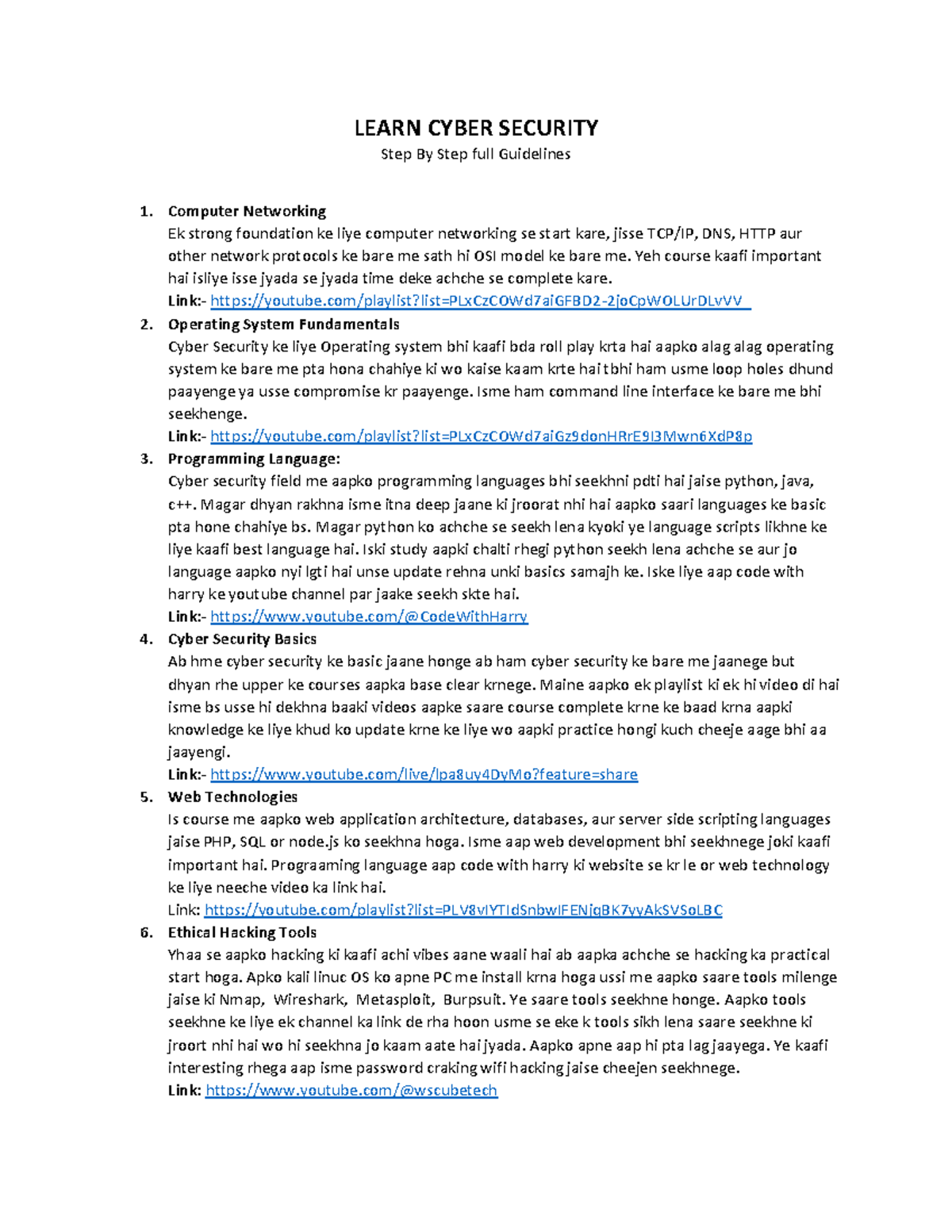
Networking is the backbone of cyber security. You should focus on mastering the OSI Model (Open Systems Interconnection), which provides a conceptual framework for how data moves across a network. Deep knowledge of the TCP/IP stack is non-negotiable. You need to understand how packets are structured, how routing works, and the role of essential protocols like DNS (Domain Name System), DHCP (Dynamic Host Configuration Protocol), and SMTP (Simple Mail Transfer Protocol).
To practice this, use tools like Wireshark to capture and analyze live traffic. Understanding what "normal" traffic looks like is the only way you will eventually be able to identify "abnormal" or malicious traffic. Study the differences between IPv4 and IPv6, as the latter has seen significant adoption by 2026, introducing new security considerations and header structures.
Operating Systems: Linux and Windows
A cyber security professional must be comfortable navigating both Windows and Linux environments from the command line. While Windows dominates the corporate desktop environment, Linux powers the vast majority of servers, cloud infrastructure, and security tools.
On the Linux side, focus on distributions like Ubuntu or Debian. Learn how to manage users, permissions, and services via the terminal. Understanding the Linux File System Hierarchy and how to use tools like grep, awk, and sed for log analysis is vital. On the Windows side, move beyond the GUI and master PowerShell. Modern Windows security relies heavily on PowerShell for both administration and defensive monitoring. Familiarity with Active Directory (AD) is also essential, as it remains the primary target for attackers in corporate environments.
Programming and Scripting for Automation
You do not need to be a software engineer, but you must be able to read and write code to automate repetitive tasks and analyze malware. Python remains the industry standard for cyber security due to its readability and extensive libraries for network interaction and data analysis. Additionally, learning Bash for Linux and PowerShell for Windows will allow you to automate system-level tasks. Understanding the basics of SQL is also necessary to defend against and understand injection attacks, which continue to plague web applications.
Transitioning into Core Cyber Security Concepts
Once the IT foundation is secure, the next step involves learning the specific methodologies used to protect data and systems. This stage moves from "how it works" to "how it is defended."
The CIA Triad and Risk Management
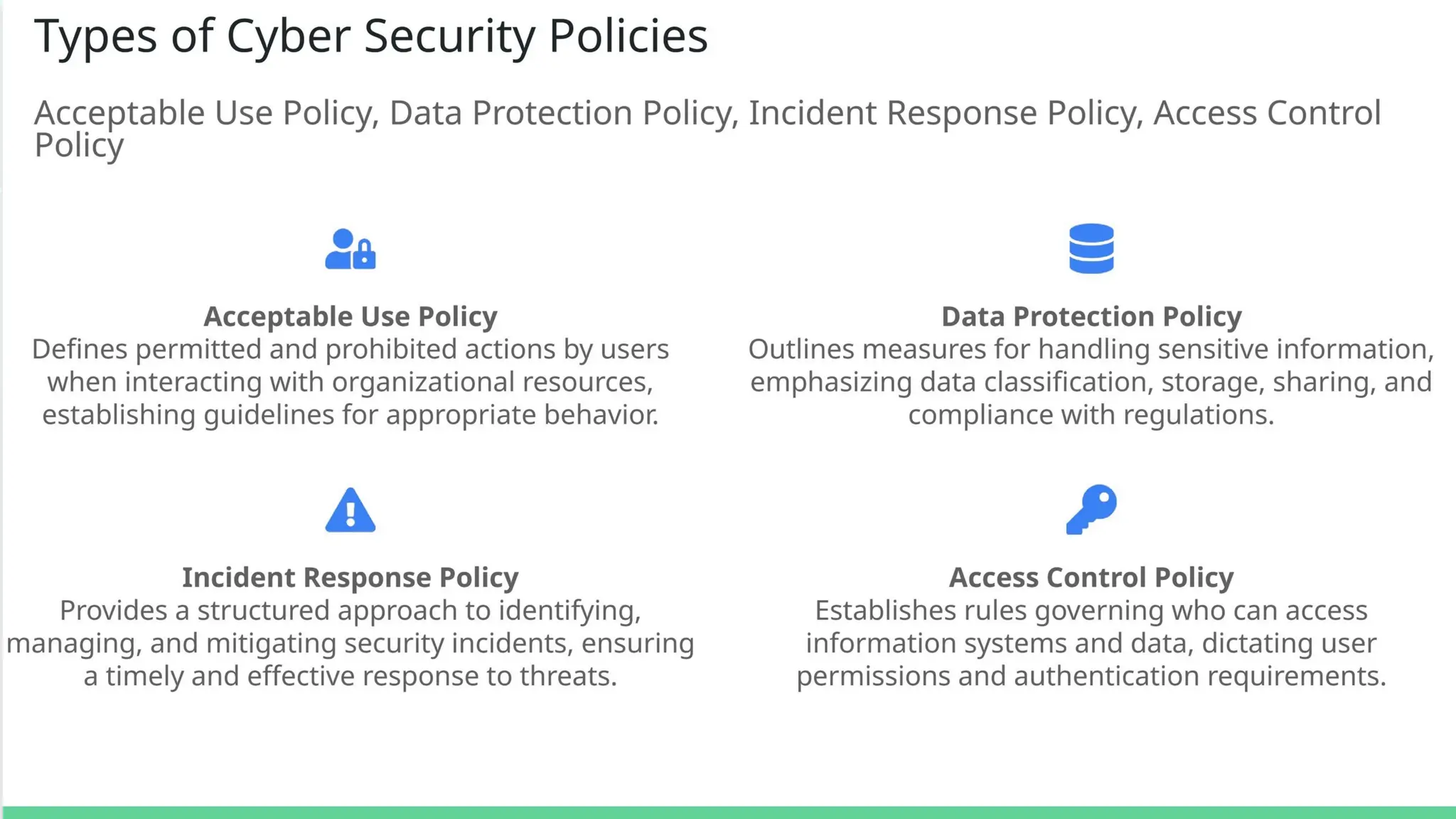
The CIA Triad—Confidentiality, Integrity, and Availability—is the cornerstone of all security policies. Every security control you implement is designed to support one of these three pillars.
- Confidentiality ensures that sensitive data is accessed only by authorized users (Encryption, Access Control).
- Integrity ensures that data is not altered by unauthorized parties (Hashing, Digital Signatures).
- Availability ensures that systems are accessible when needed (Redundancy, Backups, DDoS mitigation).
Understanding Risk Management is equally important. In a professional setting, you cannot fix every vulnerability. You must learn how to identify risks, assess their potential impact and likelihood, and decide whether to mitigate, transfer, accept, or avoid them.
Cryptography and Identity Management
Cryptography is the primary tool for ensuring confidentiality and integrity. In 2026, it is crucial to understand the difference between symmetric and asymmetric encryption, as well as the transition toward Post-Quantum Cryptography (PQC) standards being finalized by organizations like NIST.
Identity and Access Management (IAM) has become the "new perimeter" in a world of remote work and cloud services. You should study Zero Trust Architecture, which operates on the principle of "never trust, always verify." Learn how Multi-Factor Authentication (MFA), Single Sign-On (SSO), and Role-Based Access Control (RBAC) function to prevent unauthorized lateral movement within a network.
Hands-On Learning and Lab Environments
Theory is insufficient in cyber security; you must apply what you learn in a controlled, legal environment. Building a personal laboratory is one of the most effective ways to gain experience without the risk of damaging production systems.
Building a Home Lab
A home lab allows you to experiment with malware, firewalls, and server configurations safely. Use virtualization software like VirtualBox or VMware Workstation Player. Within this environment, you can set up a "vulnerable" machine (like those from VulnHub) and a "testing" machine (like Kali Linux or Parrot OS).
Try to simulate a corporate environment by setting up a Windows Server instance with Active Directory and then attempting to secure it. This practical experience is often more valuable to employers than theoretical knowledge alone, as it demonstrates problem-solving skills and technical curiosity.
Gamified Learning Platforms
Several platforms offer structured, legal environments to practice offensive and defensive skills. These are excellent for building "muscle memory" in the command line.
- TryHackMe: Excellent for absolute beginners, offering guided paths that explain concepts as you perform tasks.
- Hack The Box: More advanced and competitive, focusing on "CTF" (Capture The Flag) style challenges.
- OverTheWire: A great free resource for learning Linux commands and basic security concepts through a series of wargames.
Professional Certifications and Their Value
Certifications serve as a benchmark for employers to verify your knowledge level. While they are not a substitute for experience, they are often a requirement for passing through automated HR filters.
| Certification | Level | Focus Area | Best For |
|---|---|---|---|
| CompTIA Security+ | Entry | General Security | Establishing baseline knowledge and meeting DoD requirements. |
| BTL1 (Blue Team Level 1) | Intermediate | Defensive Operations | Aspiring SOC (Security Operations Center) Analysts. |
| OSCP (OffSec Certified Professional) | Intermediate | Penetration Testing | Those pursuing a career in ethical hacking and Red Teaming. |
| Certified Cloud Security Professional (CCSP) | Advanced | Cloud Infrastructure | Securing AWS, Azure, and GCP environments. |
| CISSP | Expert | Management/Architecture | High-level security leadership and strategy roles. |
In 2026, the CompTIA Security+ remains the gold standard for entry-level professionals. However, as the industry matures, practical certifications like the eJPT (Junior Penetration Tester) or the BTL1 are increasingly favored for their hands-on exam formats.
Specializing in a Cyber Security Domain
Cyber security is a vast field. After gaining a generalist background, you should aim to specialize in a specific domain. Specialization typically leads to higher salaries and more focused career growth.
Defensive Operations (Blue Teaming)
Blue teaming is about protecting the organization. This involves:
- SOC Analysis: Monitoring networks for suspicious activity using SIEM (Security Information and Event Management) tools.
- Incident Response: Following a structured plan to contain and recover from a security breach.
- Digital Forensics: Investigating compromised systems to determine how an attacker gained entry and what they did.
Offensive Operations (Red Teaming/Pentesting)
Red teaming involves legally attacking systems to find vulnerabilities before malicious actors do. This requires a deep understanding of exploit development, social engineering, and web application security. In 2026, web application security (AppSec) is particularly critical, with a focus on securing APIs and microservices.
Governance, Risk, and Compliance (GRC)
If you prefer the strategic and legal side of security, GRC is a vital field. This involves ensuring the organization follows laws and standards like GDPR, HIPAA, or ISO 27001. GRC professionals translate technical risks into business language for executives and board members.
Navigating the Job Market and Building a Portfolio
The final step is translating your skills into a career. The 2026 job market values proof of work over mere claims of knowledge.
- Develop a GitHub Repository: Document your scripts, lab configurations, or any security tools you have developed. This provides tangible evidence of your coding ability.
- Write a Technical Blog: Explaining a complex security concept or detailing how you solved a difficult lab challenge demonstrates communication skills—a trait highly valued in security consultants.
- Networking: Join professional organizations like ISACA or (ISC)². Attend local "DefCon Groups" or "BSides" conferences. Many roles in cyber security are filled through professional referrals rather than public job boards.
- The Internship/Junior Path: Do not overlook "Help Desk" or "Junior SysAdmin" roles. These positions provide the critical IT context that makes you a far more effective security professional later on.
Frequently Asked Questions
Do I need a computer science degree to work in cyber security?
While a degree in Computer Science or Cyber Security can be beneficial and provide a structured learning environment, it is not strictly necessary. Many successful professionals in the field are self-taught or come from non-technical backgrounds. Employers in 2026 increasingly prioritize certifications, hands-on lab experience, and a proven track record of problem-solving over a specific degree.
Which programming language should I learn first?
Python is the most recommended language for beginners in cyber security. Its syntax is straightforward, and it has a massive ecosystem of libraries (such as Scapy for packet manipulation or Requests for web interaction) that are essential for security tasks. Once you are comfortable with Python, learning JavaScript (for web security) or C/C++ (for low-level exploit development) is a logical next step.
How long does it take to become job-ready?
For someone starting from scratch, it typically takes 6 to 12 months of dedicated study to reach an entry-level "job-ready" state. This timeframe assumes you are spending 10-15 hours per week studying IT fundamentals, earning a baseline certification like Security+, and completing several hands-on labs.
Can I learn cyber security for free?
Yes. There are vast amounts of free, high-quality resources available. The NIST (National Institute of Standards and Technology) documentation provides deep insights into security frameworks. Websites like Cybrary and Coursera offer free versions of their courses, and YouTube channels like NetworkChuck or The Cyber Mentor provide excellent tutorials on specific tools and techniques.
What is the most important soft skill for a security professional?
Curiosity is arguably the most important trait. The threat landscape changes daily; what is secure today may be vulnerable tomorrow. A successful professional must have a "continuous learning" mindset and the persistence to troubleshoot complex problems when tools fail or documentation is lacking.
Practical Recommendation
Begin your journey by downloading VirtualBox and installing a Linux distribution (like Ubuntu). Spend the next two weeks performing all your daily tasks—browsing, file management, and simple coding—exclusively via the terminal. This "immersion therapy" will build the command-line fluency required for every subsequent step in your cyber security career. Once comfortable, aim to complete the CompTIA Security+ curriculum to ground your practical skills in recognized industry theory.
Image Gallery