Why The Edge in Tuscaloosa Matters for Entrepreneurs
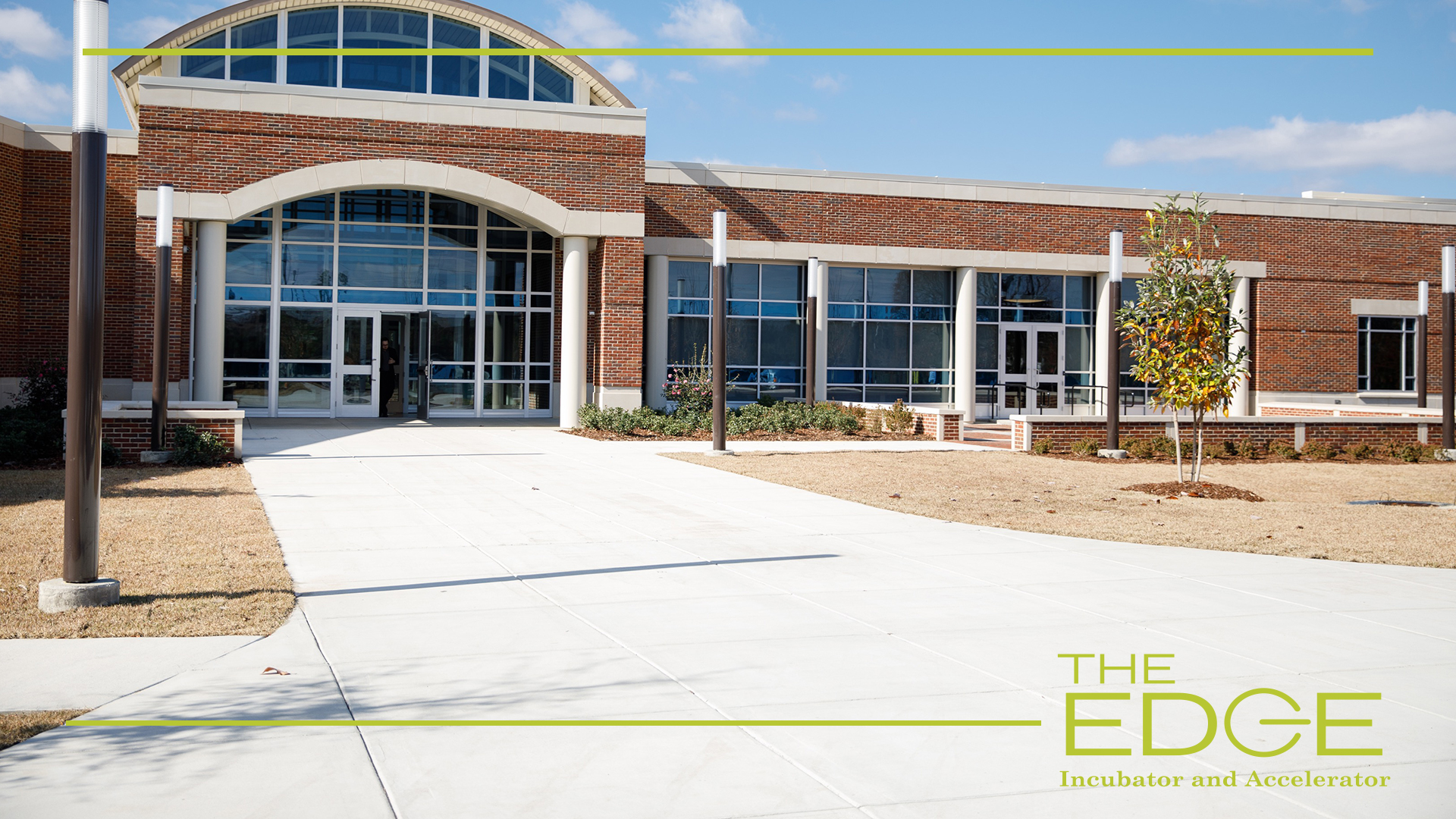
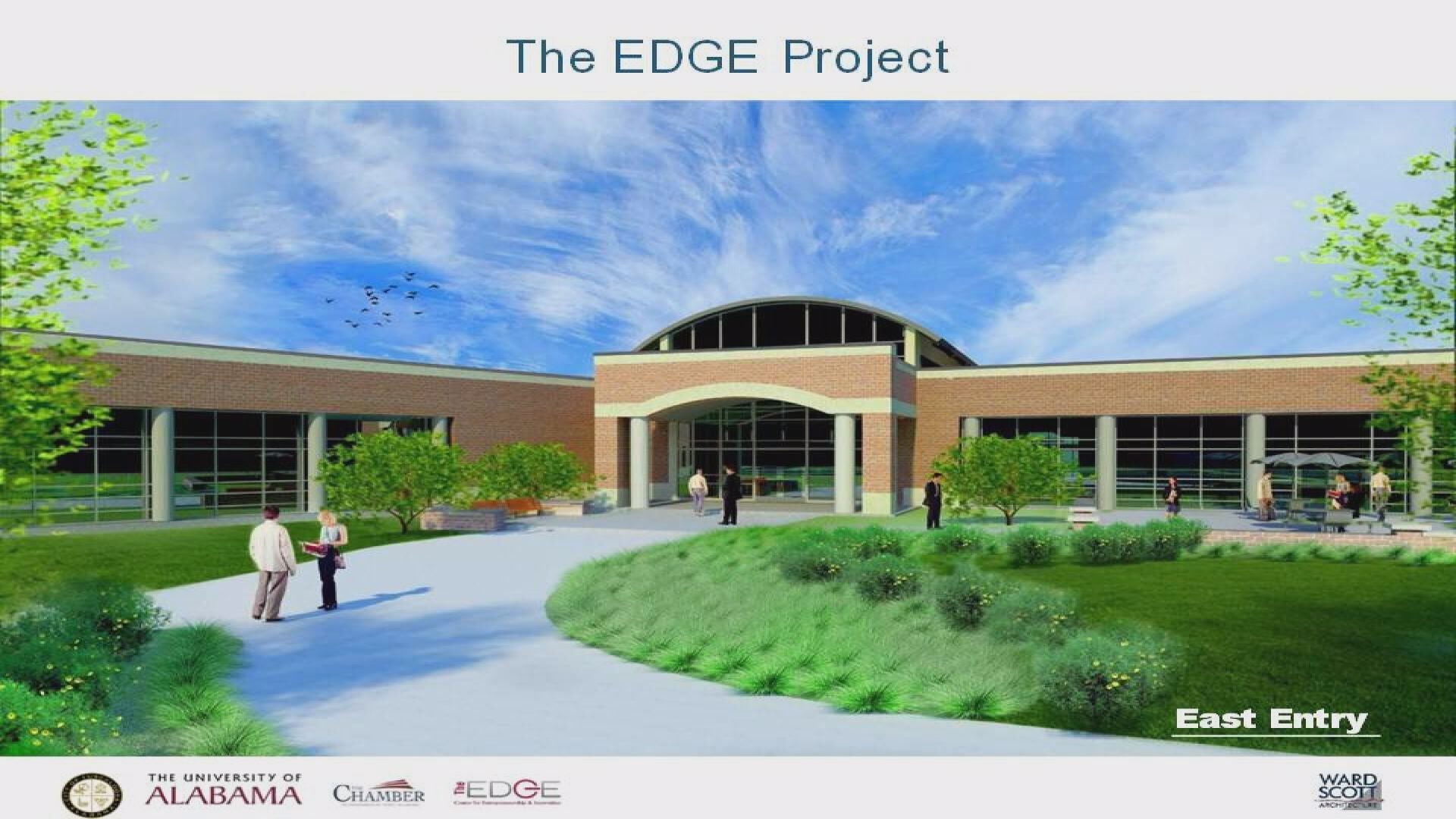
The Edge in Tuscaloosa acts as a critical hub for entrepreneurs by providing a dedicated physical environment that merges co-working infrastructure, specialized business mentorship, and access to University of Alabama resources. By low...
The Edge in Tuscaloosa acts as a critical hub for entrepreneurs by providing a dedicated physical environment that merges co-working infrastructure, specialized business mentorship, and access to University of Alabama resources. By lowering the barrier to entry for early-stage companies, it fosters professional collaboration, reduces overhead costs, and accelerates the transition from concept to market-ready venture.
Contents
The Role of Incubators in Regional Economic Development
Entrepreneurship is often a solitary endeavor, particularly in the initial stages of ideation and product validation. For founders in West Alabama, The Edge provides more than just desk space; it offers a structured ecosystem designed to mitigate the risks associated with starting a business. Incubators like The Edge function by providing shared services—such as high-speed connectivity, administrative support, and conference facilities—that would be prohibitively expensive for a solopreneur to secure independently.
Beyond physical amenities, The Edge operates as a collaborative intersection where the academic rigor of the University of Alabama meets the practical needs of the local business community. This intersection is vital because it creates a pipeline for talent and knowledge transfer. Students gain hands-on experience by working alongside startups, while entrepreneurs gain access to cutting-edge research and a steady pool of potential interns and employees, effectively bridging the gap between theoretical knowledge and commercial application.
Understanding the Services Provided by The Edge
The value of an entrepreneurial hub is measured by the quality of support services available to its members. At The Edge, members generally access a suite of benefits designed to address the specific challenges of scaling a business.
Physical Infrastructure
- Co-working Spaces: Flexible seating arrangements that allow founders to scale their footprint as their team grows without long-term commercial lease commitments.
- Meeting Facilities: Equipped boardrooms and breakout spaces that enable professional client-facing interactions, which is essential for establishing corporate legitimacy.
- Prototyping Resources: Access to specialized equipment, such as 3D printers or maker-space tools, allows for rapid iteration of physical products, reducing the cost of product development cycles.
Professional Development and Mentorship
- Networking Events: Regular workshops and mixer sessions connect entrepreneurs with potential investors, experienced mentors, and peers who can provide feedback on business models.
- Business Advisory Services: Access to professional guidance on legal formation, intellectual property, and accounting practices, which are often the most common points of failure for early-stage startups.
Comparative Analysis of Support Structures
Choosing the right environment to launch a business depends on the maturity of the venture and the resources required. The following table highlights why centralized hubs like The Edge offer distinct advantages over home-based setups or independent commercial offices.
| Feature | Home Office | Independent Office | The Edge (Incubator) |
|---|---|---|---|
| Fixed Costs | Minimal | High | Low/Scalable |
| Mentorship | None | Limited | Direct Access |
| Professionalism | Low | High | High |
| Networking | Low | Low | Built-in |
| Collaboration | None | None | High |
Strategic Benefits for Local Entrepreneurs
The Edge in Tuscaloosa matters because it anchors the local entrepreneurial ecosystem, preventing "brain drain" and encouraging local retention of intellectual property. By creating a physical space for innovation, the facility encourages individuals who might otherwise pursue opportunities in larger metropolitan centers to stay in Tuscaloosa.
Furthermore, the proximity to university departments facilitates technology transfer. When researchers develop proprietary technologies, they often lack the commercialization pathway required to bring those innovations to the public. The Edge serves as the landing pad where these technologies are integrated into viable business models. Entrepreneurs who leverage these resources are better positioned to secure grant funding, such as SBIR (Small Business Innovation Research) grants, or attract venture capital, as they operate from a validated and professional base.
Navigating the Challenges of Early-Stage Growth
While the benefits are significant, entrepreneurs must approach the use of an incubator with a clear strategy. Relying on shared spaces requires discipline. The primary risk is the "co-working distraction," where the social benefits of the environment outweigh the productivity requirements of the business.
Founders should utilize the facility to build a culture of accountability. The key is to leverage the mentorship and networking opportunities during designated hours, while protecting deep-work blocks for product development or sales. Furthermore, entrepreneurs should treat their time at The Edge as a stepping stone. The goal is to reach a level of revenue or capital investment that allows the firm to graduate from the incubator, eventually moving into a private space while maintaining the professional networks established during their tenure.
Addressing Common Questions
Who is eligible to join The Edge? Eligibility typically focuses on individuals with high-growth potential businesses or startups. While specific requirements may vary, the focus is generally on ventures that can demonstrate a clear business model or a commitment to rapid development and community engagement.
Is it only for University of Alabama students? No, The Edge is designed to serve a diverse group of entrepreneurs, including students, faculty, and local business owners. Its mandate is regional development, which necessitates an open-door policy for non-student entrepreneurs who meet the admission criteria.
How does the facility lower business costs? By aggregating infrastructure costs—such as internet, utilities, security, and cleaning services—across dozens of businesses, The Edge allows members to pay a fraction of what they would pay for an individual commercial office. This frees up working capital for R&D and marketing.
Can entrepreneurs receive legal or financial advice at The Edge? While the facility itself may not provide legal or financial advice directly, it frequently hosts workshops and clinics staffed by legal professionals and accountants, allowing members to access expert guidance at a reduced cost or via pro bono initiatives.
Does proximity to the University guarantee funding? No. While The Edge provides the environment for networking and refining business plans, it does not guarantee investment. It serves as a facilitator that helps entrepreneurs become "investor-ready" by refining their pitch and operational foundations.
Recommended Next Actions for Entrepreneurs
For those looking to leverage The Edge, start by auditing your current business constraints. If your venture is hindered by a lack of professional presentation, a need for specialized equipment, or a lack of mentorship, contact the administration at The Edge to request a tour. Prepare a brief "elevator pitch" of your business model to demonstrate your intent and maturity to the facility directors. By formalizing your presence in the space, you move your venture from a freelance project to a structured business entity, significantly increasing your long-term probability of success.
Image Gallery