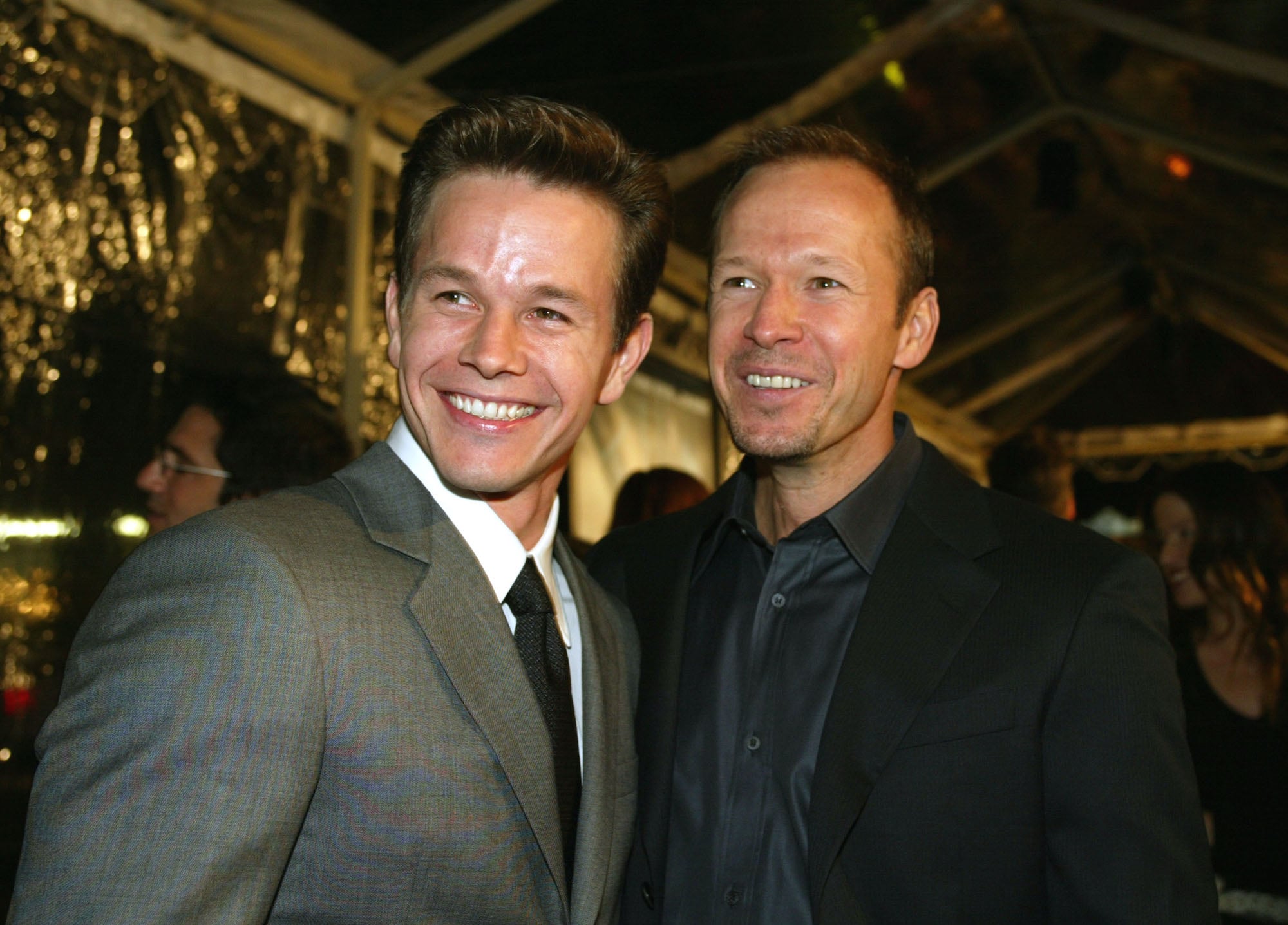
Donnie Purnell Net Worth Explained in Context
As of 2026, Donnie Purnell’s net worth is estimated to be between $1 million and $5 million. This valuation is primarily derived from his extensive career as the founding member, bassist, and primary songwriter for the legendary R&B/fu...
As of 2026, Donnie Purnell’s net worth is estimated to be between $1 million and $5 million. This valuation is primarily derived from his extensive career as the founding member, bassist, and primary songwriter for the legendary R&B/funk band L.T.D., alongside enduring royalties from classic hits and digital streaming revenue.
Contents
The Architect of L.T.D.’s Sound: Career Origins
To understand Donnie Purnell’s net worth in 2026, one must first analyze the foundation of his career. Purnell was not merely a performer; he was the functional engine behind L.T.D. (Love, Togetherness, and Devotion), a group that defined the transition from 1970s funk into the sophisticated R&B of the early 1980s. Formed in Greensboro, North Carolina, and later moving to Los Angeles, the band’s trajectory was significantly shaped by Purnell’s leadership.
Unlike many musicians who were purely instrumentalists, Purnell took on the roles of songwriter, keyboardist, bassist, and backing vocalist. In the music industry, wealth is disproportionately distributed toward those who hold songwriting credits. While a band may have ten members, the financial "long tail" of the group’s success often favors the creators of the intellectual property. Purnell’s name is attached to many of the band’s most successful compositions, which has allowed his net worth to remain stable decades after the band’s peak commercial years.
Breaking Down the Components of Donnie Purnell’s Wealth
Net worth for a legacy artist like Purnell is rarely a matter of liquid cash sitting in a single account. Instead, it is a calculation of diversified assets, recurring revenue streams, and the valuation of his musical catalog.
The Power of Songwriting and Publishing Rights
The most significant contributor to Purnell’s wealth is his share of music publishing. In the 1970s and 80s, L.T.D. produced a string of hits that became staples of urban adult contemporary radio. Purnell was a key writer for tracks such as "Love Ballad," "(Every Time I Turn Around) Back in Love Again," and "Concentrate on You."
When a song like "Love Ballad" is played on the radio, covered by another artist (such as George Benson’s famous rendition), or used in a television show, the songwriter receives a performance royalty. Because Purnell holds these credits, he continues to earn passive income. By 2026, the secondary market for music catalogs has matured, and legacy R&B hits remain highly valuable for their "smooth" appeal, which is frequently utilized in advertising and film sync licensing.
Performance Royalties and the Touring Legacy
While L.T.D. underwent several lineup changes—most notably the departure of lead singer Jeffrey Osborne in 1980—Purnell remained a constant. The revenue generated from the band’s high-touring years in the late 70s provided the initial capital that allowed Purnell to build his net worth. During the peak of the disco and funk era, L.T.D. was a major draw, consistently performing at large venues and arenas. These earnings, if managed through standard industry investment vehicles, would have appreciated significantly over the intervening forty years.
The Impact of Sampling in Hip-Hop
Another critical, yet often overlooked, driver of net worth for 70s funk artists is the sampling economy. Hip-hop producers have frequently mined the L.T.D. catalog for drum breaks, basslines, and melodic hooks. Every time an L.T.D. track is sampled in a modern hit, the original writers—including Purnell—negotiate a percentage of the new song’s royalties. This has provided a "modern" infusion of capital into his estate, keeping the legacy relevant to a younger demographic and ensuring a steady stream of "new" money from old work.
Historical Revenue vs. Modern Streaming in 2026
In 2026, the way a legacy artist earns money has shifted almost entirely toward digital consumption. For an artist like Donnie Purnell, the transition from physical vinyl sales to digital streaming (Spotify, Apple Music, Tidal) has altered the frequency of payouts.
| Revenue Stream | Historical Context (1970s-1990s) | Modern Status (2026) | Wealth Impact |
|---|---|---|---|
| Physical Sales | Millions of LPs and 45s sold globally. | Negligible (limited to vinyl reissues). | High (Initial Wealth) |
| Radio Airplay | Dominant source of performance royalties. | Continued play on "Oldies" and R&B stations. | Moderate (Steady Cash Flow) |
| Digital Streaming | Non-existent. | Billions of cumulative streams for top hits. | Moderate (Residual Income) |
| Sync Licensing | Occasional movie soundtrack use. | High demand for commercials and streaming series. | High (Lump Sum Payouts) |
| Sampling | Emerging (late 80s). | Mature market with strict legal clearances. | Variable (Windfall Potential) |
While streaming payouts per play are famously low, the sheer volume of "classic soul" playlists ensures that L.T.D.’s music remains in constant rotation. For a primary songwriter like Purnell, these micro-payments aggregate into a substantial annual figure, supporting a multi-million dollar net worth.
Comparison with R&B Contemporaries
To put Donnie Purnell’s net worth in context, it is helpful to compare his position to other figures from the same era. While stars like Jeffrey Osborne achieved higher levels of fame and wealth through solo careers, Purnell represents the "backbone" musician—the individual who maintains a high net worth through the ownership of the band’s core assets rather than through solo stardom.
Many musicians from the funk era faced financial hardship due to predatory contracts or lack of ownership. Purnell’s status as a founder and leader of L.T.D. suggests a higher degree of control over his creative output. His estimated net worth is consistent with other successful bandleaders of the era who did not necessarily become household names but who "owned the masters" or the publishing rights to a significant catalog.
The "Jeffrey Osborne" Factor and Band Dynamics
A major point of context in Donnie Purnell's financial history is the 1980 split within L.T.D. When Jeffrey Osborne left for a highly successful solo career, the band’s commercial trajectory changed. Purnell attempted to steer the group through the 1980s with new vocalists, but they never quite recaptured the chart-topping dominance of the mid-70s.
From a net worth perspective, this period was one of maintenance rather than growth. However, because the hits recorded with Osborne remained so popular, Purnell benefited from the "evergreen" nature of those recordings. Even as a solo artist, whenever Osborne performs "Love Ballad" or "(Every Time I Turn Around) Back in Love Again" in concert, the performance royalties for the songwriter (Purnell) are triggered. This creates a unique symbiotic financial relationship where the solo success of one member continues to fund the net worth of the songwriter who stayed behind.
Challenges in Estimating Legacy Artist Net Worth
Estimating the net worth of a private individual like Donnie Purnell requires an understanding of the opacity of the music industry. Unlike modern influencers whose wealth is often tied to visible sponsorships, legacy musicians hold wealth in:
- Private Trusts: Many artists from the 70s moved their assets into trusts for tax and estate planning.
- Catalog Valuation: If Purnell were to sell his publishing rights in 2026, his net worth could jump instantly by several million dollars, as private equity firms are currently paying high multiples (15x to 20x annual earnings) for classic R&B catalogs.
- Real Estate: Like many California-based musicians of his era, Purnell’s net worth is likely bolstered by property holdings that have appreciated significantly since the 1970s and 80s.
Without a public sale of his catalog, the $1 million to $5 million range reflects his "earnings-based" valuation rather than a "liquidation" valuation.
Frequently Asked Questions
What is Donnie Purnell's main source of income in 2026?
His main source of income is music publishing royalties. As the songwriter for many of L.T.D.'s biggest hits, he receives payments whenever those songs are streamed, played on the radio, or used in television and film.
Did Donnie Purnell write "Love Ballad"?
Yes, Donnie Purnell is the credited songwriter for "Love Ballad." The song reached number one on the R&B charts in 1976 and has been covered by numerous artists, making it one of the most profitable assets in his musical portfolio.
How does Donnie Purnell's wealth compare to Jeffrey Osborne's?
Jeffrey Osborne generally has a higher net worth, estimated in the $10 million to $15 million range. This is due to Osborne's successful solo career and decades of headlining tours, whereas Purnell’s wealth is more tied to his foundational work with L.T.D. and behind-the-scenes credits.
Is Donnie Purnell still active in the music industry?
While he is not as visible as he was during the 1970s, Purnell remains a respected figure in the industry. His activity in 2026 is primarily focused on managing the L.T.D. legacy and overseeing the licensing of the band's catalog.
Are there any recent developments that affected his net worth?
The primary recent development in the 2020s has been the massive surge in value for R&B music catalogs. As streaming platforms have prioritized "mood-based" playlists, soul and funk classics from the 70s have seen a resurgence in listener numbers, directly increasing the royalty checks for original songwriters like Purnell.
Summary of Financial Legacy
Donnie Purnell’s net worth is a testament to the long-term value of creative ownership. By serving as the creative director and songwriter for L.T.D., he ensured that his financial future was not solely dependent on being on stage. In 2026, his wealth reflects the enduring nature of "Great American Soul" music—a genre that continues to generate revenue through new technology, new media, and a global appreciation for the funk sound he helped pioneer.
For those looking to understand the business side of music, Purnell’s career serves as a masterclass in the importance of publishing. While fame may fluctuate, the rights to a classic melody like "Love Ballad" provide a level of financial security that can last a lifetime.
Image Gallery