Who is Novelist Bret Easton Ellis? A Comprehensive Guide to His Work and Legacy
Bret Easton Ellis is a definitive American novelist, screenwriter, and cultural commentator known for his transgressive, satirical, and often polarizing depictions of contemporary life. Since his 1985 debut, Less Than Zero, Ellis has e...
Bret Easton Ellis is a definitive American novelist, screenwriter, and cultural commentator known for his transgressive, satirical, and often polarizing depictions of contemporary life. Since his 1985 debut, Less Than Zero, Ellis has explored the intersection of consumerism, nihilism, and the erosion of identity in late-stage capitalist society.
Contents
As of 2026, Bret Easton Ellis remains a central figure in the literary landscape, continuing to influence a new generation of "alt-lit" writers while maintaining a prominent platform through his eponymous podcast. His career is characterized by a transition from the "Brat Pack" literary stardom of the 1980s to a role as a seasoned cultural critic and purveyor of high-concept autofiction. Understanding Ellis requires looking beyond the sensationalism of his most famous works to examine his unique stylistic contributions and his unwavering focus on the psychological toll of the American dream.
The Early Years and the Literary "Brat Pack"
Born on March 7, 1964, in Los Angeles, California, Bret Easton Ellis was raised in the affluent suburbs of the San Fernando Valley. His upbringing in a wealthy, often detached environment provided the raw material for his early explorations of youth culture. While attending Bennington College in Vermont, Ellis wrote the manuscript that would become his debut novel, Less Than Zero.
Published in 1985 when Ellis was only 21, Less Than Zero was an immediate cultural phenomenon. The novel depicted a group of wealthy, disaffected college students returning to Los Angeles for Christmas break, engaging in a cycle of drug use, casual sex, and emotional numbness. Its minimalist prose and "blank" narrative voice—a style that avoids emotional moralizing—captured the zeitgeist of the 1980s.
During this period, Ellis was grouped by critics with other young, successful writers like Jay McInerney and Tama Janowitz, collectively dubbed the "Literary Brat Pack." This group was celebrated for bringing a gritty, urban, and youthful energy back to American fiction. However, while his peers often focused on the glamor and pitfalls of New York City life, Ellis’s work remained more cynical, leaning into the darker, more visceral undercurrents of the era.
American Psycho: A Cultural Flashpoint
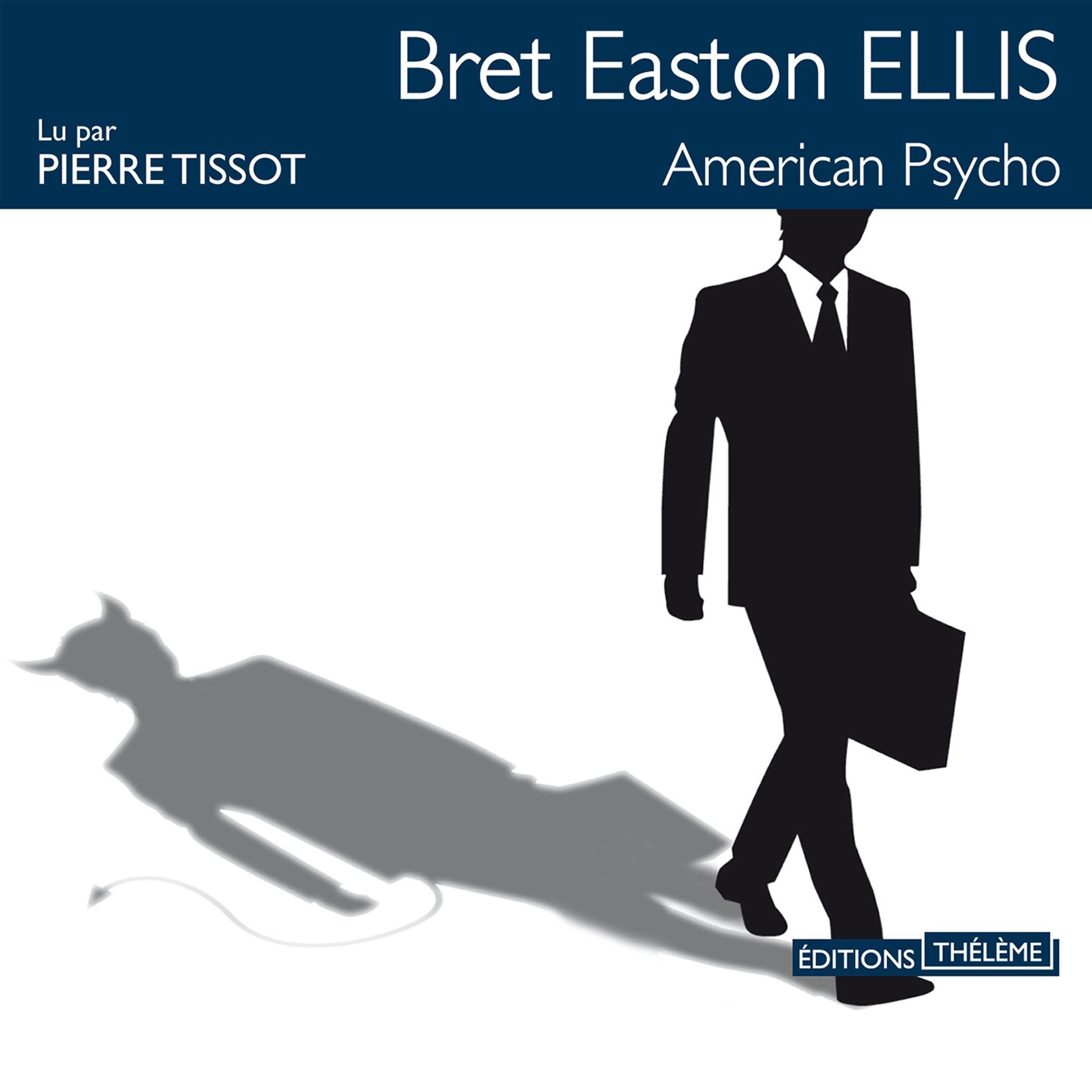
If Less Than Zero established Ellis as a voice of his generation, his 1991 novel American Psycho cemented his status as one of the most controversial figures in modern literature. The book follows Patrick Bateman, a wealthy Manhattan investment banker who is also a serial killer. Through Bateman’s obsessive focus on high-end brands, skincare routines, and pop music, Ellis delivered a blistering critique of the superficiality and moral bankruptcy of the "Greed is Good" era.
The publication of American Psycho was met with unprecedented backlash. After Simon & Schuster dropped the book due to its graphic depictions of violence and misogyny, it was eventually published by Vintage. The novel was condemned by various activist groups, yet it has since been reassessed by scholars as a masterful work of transgressive satire.
The character of Patrick Bateman has transitioned from a literary figure into a pervasive cultural icon, particularly following the 2000 film adaptation starring Christian Bale. In the context of 2026, Bateman is often viewed as a prophetic archetype for the hyper-curated, brand-obsessed personas prevalent in the social media age. Ellis’s ability to predict the trajectory of narcissistic consumerism remains one of his most significant intellectual legacies.
The "Ellis Universe" and Stylistic Evolution
A fascinating aspect of Ellis’s bibliography is the interconnectedness of his characters, often referred to as the "Ellis Universe." Characters frequently reappear or are mentioned across different novels, creating a cohesive, if fractured, world. For example, Sean Bateman, the protagonist of The Rules of Attraction (1987), is the brother of Patrick Bateman from American Psycho.
Ellis’s writing style has evolved through several distinct phases:
- Minimalism (The 1980s): Characterized by short, punchy sentences and a lack of overt sentimentality.
- Pastiche and Satire (The 1990s): Seen in Glamorama, which used the fashion world as a backdrop for a surreal, international conspiracy thriller, blending celebrity culture with visceral horror.
- Autofiction and Meta-fiction (The 2000s): In Lunar Park (2005), Ellis wrote himself into the story as the protagonist, blending memoir with a supernatural ghost story. This marked a shift toward a more reflective, though no less disturbing, mode of storytelling.
- The Return to Realism (The 2020s): With the 2023 release of The Shards, Ellis returned to a more grounded, though still highly stylized, narrative of 1980s Los Angeles.
Major Works and Themes
| Publication Year | Title | Primary Setting | Central Themes |
|---|---|---|---|
| 1985 | Less Than Zero | Los Angeles | Youthful nihilism, alienation, drug culture. |
| 1987 | The Rules of Attraction | Camden College | Unrequited love, campus life, subjectivity. |
| 1991 | American Psycho | Manhattan | Consumerism, identity, toxic masculinity. |
| 1998 | Glamorama | New York / Europe | Celebrity culture, terrorism, the "image." |
| 2005 | Lunar Park | Suburbs | Fatherhood, legacy, meta-fictional identity. |
| 2010 | Imperial Bedrooms | Los Angeles | Aging, the film industry, sequels to the self. |
| 2023 | The Shards | Los Angeles | Nostalgia, serial killers, the end of innocence. |
The Podcast and Cultural Criticism
In the mid-2010s, Ellis pivoted toward digital media with The Bret Easton Ellis Podcast. This platform allowed him to bypass traditional literary gatekeepers and speak directly to his audience. His monologues often tackle "cancel culture," the "victimization" of modern society, and the decline of aesthetic standards in Hollywood.
His 2019 non-fiction collection, White, expanded on these themes. In it, Ellis critiqued what he perceived as the repressive nature of social media-driven political correctness. While White was divisive, it solidified his role as a contrarian intellectual who prioritizes artistic freedom and aesthetic honesty over moral consensus. By 2026, his podcast has become a primary archive for deep-dive interviews with directors, writers, and actors, focusing on the craft of storytelling rather than PR-friendly soundbites.
Recent Projects: The Shards and Beyond
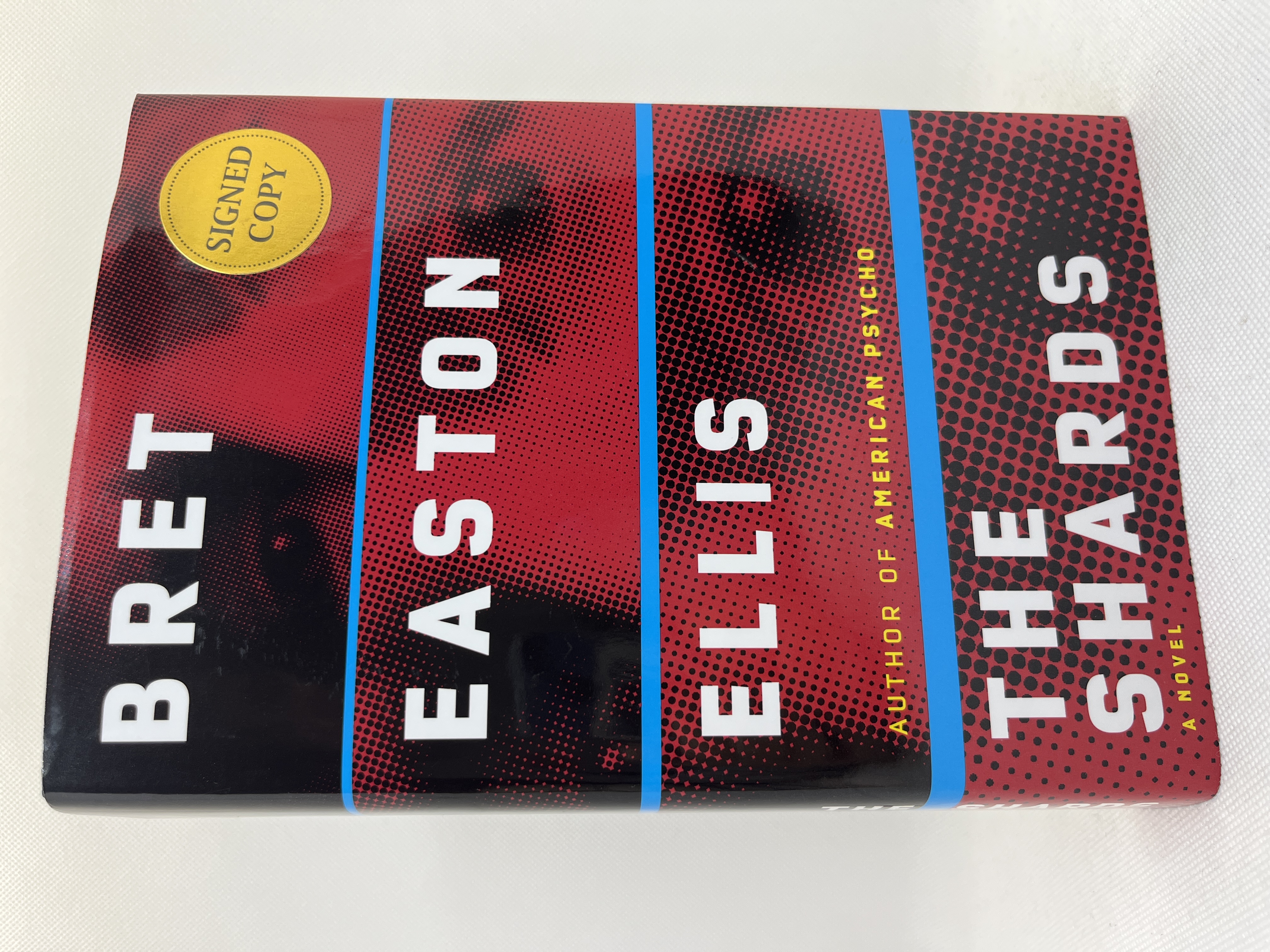
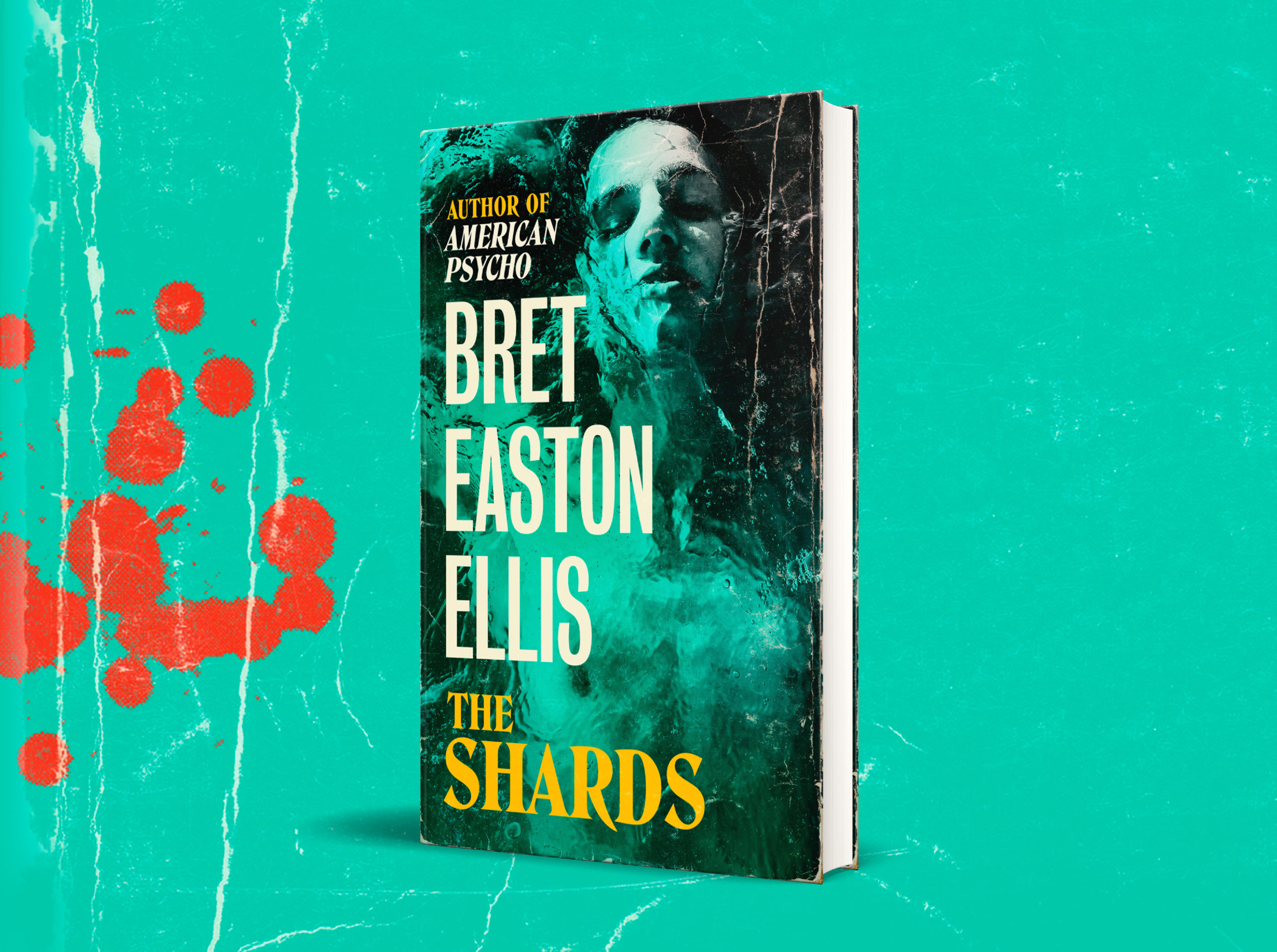
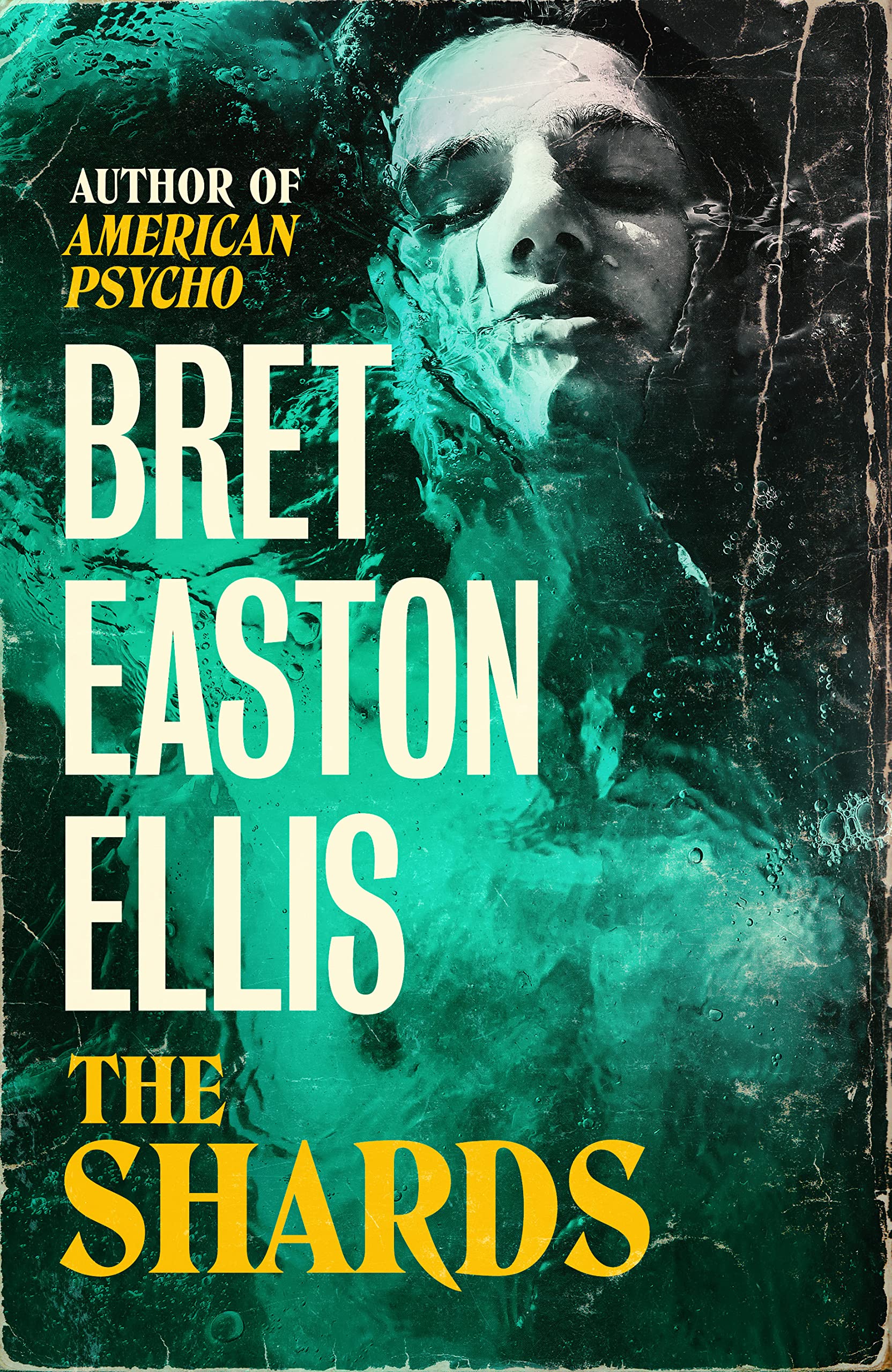
The 2023 release of The Shards marked a significant "comeback" for Ellis in the realm of the novel. A sprawling, 600-page epic of autofiction, the book fictionalizes Ellis’s senior year of high school in 1981, as a serial killer begins stalking his social circle. The book was praised for its atmosphere, tension, and its immersive recreation of a lost Los Angeles.
As we move through 2026, Ellis is increasingly involved in the visual adaptation of his work. Following the success of the novel, The Shards has been developed into a high-profile prestige series for streaming platforms. Ellis has also continued his work in screenwriting and directing, often collaborating with independent filmmakers to produce content that mirrors his literary sensibilities—high-gloss, emotionally cold, and intellectually demanding.
The Significance of Bret Easton Ellis in 2026
Why does Ellis still matter in 2026? His relevance stems from his career-long obsession with the "performative self." Long before Instagram or TikTok, Ellis was writing about individuals who viewed their lives as a series of curated surfaces. His work serves as a cautionary map of where society was headed: toward a world where the brand is more important than the person, and where empathy is often sacrificed for the sake of the image.
Ellis’s influence is visible in the works of contemporary authors like Ottessa Moshfegh and in the aesthetic of "internet-native" writing. He remains a bridge between the traditional literary world and the hyper-saturated digital present. Whether he is viewed as a brilliant satirist or a cynical provocateur, his impact on the American canon is undeniable.
Frequently Asked Questions
Is Bret Easton Ellis still writing books? Yes, Ellis continues to write. Following the massive success of The Shards in 2023, he has indicated a renewed interest in the long-form novel, though he balances this with screenwriting and his weekly podcast. In 2026, he remains one of the most active "senior" figures in American literature.
Are the events in American Psycho based on a real person? No, Patrick Bateman is a fictional creation. However, Ellis has stated in numerous interviews that the character was a manifestation of his own frustrations with the consumerist culture of the late 1980s. Bateman is a heightened caricature of the "yuppie" archetype rather than a biography of a specific serial killer.
Where should a new reader start with Bret Easton Ellis? For those interested in his cultural impact, American Psycho is the essential text, though it is very graphic. For a more accessible entry point into his style, Less Than Zero offers a concise introduction to his themes. Those who enjoy complex, atmospheric narratives may find The Shards to be his most refined work.
What is the "Brat Pack" in literature? The "Literary Brat Pack" was a nickname given by critics in the 1980s to a group of young, successful novelists who often wrote about urban nightlife, drugs, and the struggles of youth. The core members included Bret Easton Ellis, Jay McInerney, and Tama Janowitz.
Has Bret Easton Ellis won any awards? While Ellis has not traditionally been a favorite of major institutional award committees like the Pulitzers, he has achieved immense commercial success and critical longevity. His influence is measured more by his cultural footprint and the "cult" status of his novels than by traditional trophies.
Final Recommendation
For those looking to engage with the work of Bret Easton Ellis in 2026, the best approach is to view his bibliography as a continuous dialogue with American culture. Start with the "Los Angeles Trilogy"—Less Than Zero, Imperial Bedrooms, and The Shards—to see how his perspective on his hometown has shifted over four decades. Beyond the books, his podcast offers invaluable context for his creative philosophy, providing a rare look at an author who refuses to sentimentalize either his subjects or himself.
Image Gallery