The Cheapest Porsche You Can Actually Buy in 2026
In 2026, the most affordable entry point into Porsche ownership remains the first-generation Porsche Boxster (986), with high-mileage, well-maintained examples typically retailing between $10,000 and $16,000. While the early Porsche Ca...
In 2026, the most affordable entry point into Porsche ownership remains the first-generation Porsche Boxster (986), with high-mileage, well-maintained examples typically retailing between $10,000 and $16,000. While the early Porsche Cayenne (955) often appears for under $8,000, its significantly higher maintenance complexity and fuel costs make the Boxster the more practical "budget" choice.
Contents
Selecting the cheapest Porsche requires a paradigm shift: you are not just buying a car; you are acquiring a high-performance machine with a maintenance schedule that reflects its original premium price tag. In the current 2026 market, "cheap" refers to the initial barrier to entry, but the true cost of ownership is dictated by the vehicle’s mechanical history and the specific engineering vulnerabilities of its era.
The Realistic Definition of "Cheap" in the Porsche Ecosystem
When discussing the cheapest Porsche you can buy today, it is essential to distinguish between the purchase price and the operating cost. In 2026, the used car market has settled following the volatility of the early 2020s, but the "Porsche Tax"—the premium paid for parts and specialized labor—remains a constant factor.
A "cheap" Porsche usually falls into one of three categories:
- High-Production Water-Cooled Models: Cars like the 986 Boxster and early 996-generation 911s.
- Front-Engine Transaxle Classics: The 924 and 944, which offer a vintage experience but require specialized knowledge.
- Depreciated Luxury SUVs: The first-generation Cayenne, which offers the lowest entry price but carries the highest risk of catastrophic repair bills.
For a first-time buyer, a $12,000 Porsche that has been religiously serviced is almost always "cheaper" than an $8,000 Porsche with no service records. The latter can easily demand $5,000 in repairs within the first six months of ownership to address aging seals, suspension bushings, and cooling system components.
The Porsche Boxster (986): The Most Balanced Entry Point
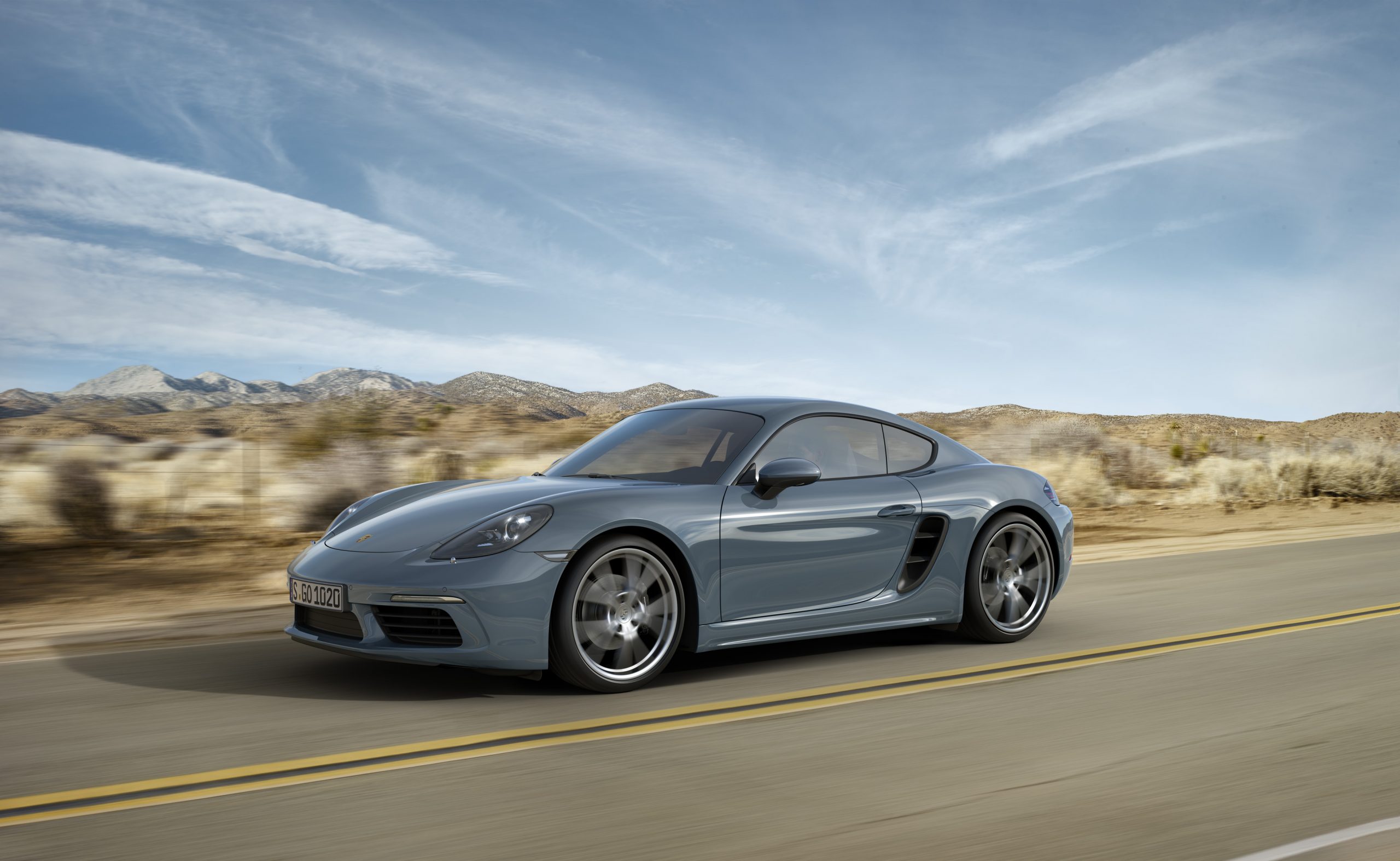
The 986 Boxster (produced 1997–2004) is arguably the best "bang for your buck" Porsche in 2026. Because it was produced in large numbers and shared many components with the 911 (996), parts availability is excellent. Its mid-engine layout provides a level of balance and handling that many modern sports cars struggle to emulate.
Mechanical Considerations and the IMS Bearing
The primary concern for any potential 986 buyer is the Intermediate Shaft (IMS) bearing. This component supports the camshaft chains on the bottom of the engine. In early water-cooled Porsches, the original bearing was prone to failure, which could lead to total engine destruction. By 2026, many Boxsters on the market have already had this bearing replaced with a permanent ceramic or oil-fed solution. Verification of this upgrade via documentation is the single most important factor in the car's value.
Performance Tiers
- Base Model (2.5L or 2.7L): These offer 201 to 225 horsepower. They are sufficient for spirited driving but lack the punch of the S models.
- Boxster S (3.2L): Introduced in 2000, the "S" variant offers roughly 250 horsepower and, more importantly, a six-speed manual transmission and larger brakes. In the 2026 market, the S carries a $3,000 to $5,000 premium over the base model, which is often worth the investment for the performance gains.
The Porsche 944: The Front-Engine Transaxle Alternative
If you prefer a more "analog" driving experience, the Porsche 944 (1982–1991) remains a viable candidate. While prices for air-cooled 911s have soared beyond the reach of budget buyers, the 944 provides a gateway into the classic Porsche community for under $15,000.
Balance and Engineering
The 944 utilizes a transaxle design, meaning the engine is in the front while the transmission is at the rear. This creates a near-perfect 50/50 weight distribution. In 2026, these cars are valued for their tactile steering and iconic pop-up headlights. However, they are aging classics. Rubber components, vacuum lines, and electrical grounds often require attention.
The "Must-Do" Maintenance: Timing Belts
Unlike the chain-driven Boxster, the 944 uses a timing belt that must be replaced every 30,000 to 45,000 miles or every few years. If the belt snaps, the valves will hit the pistons, resulting in a very expensive engine rebuild. When buying a cheap 944, the first question should always be: "When was the timing belt and water pump last serviced?"
The Porsche Cayenne (955/957): The Lowest Price of Entry
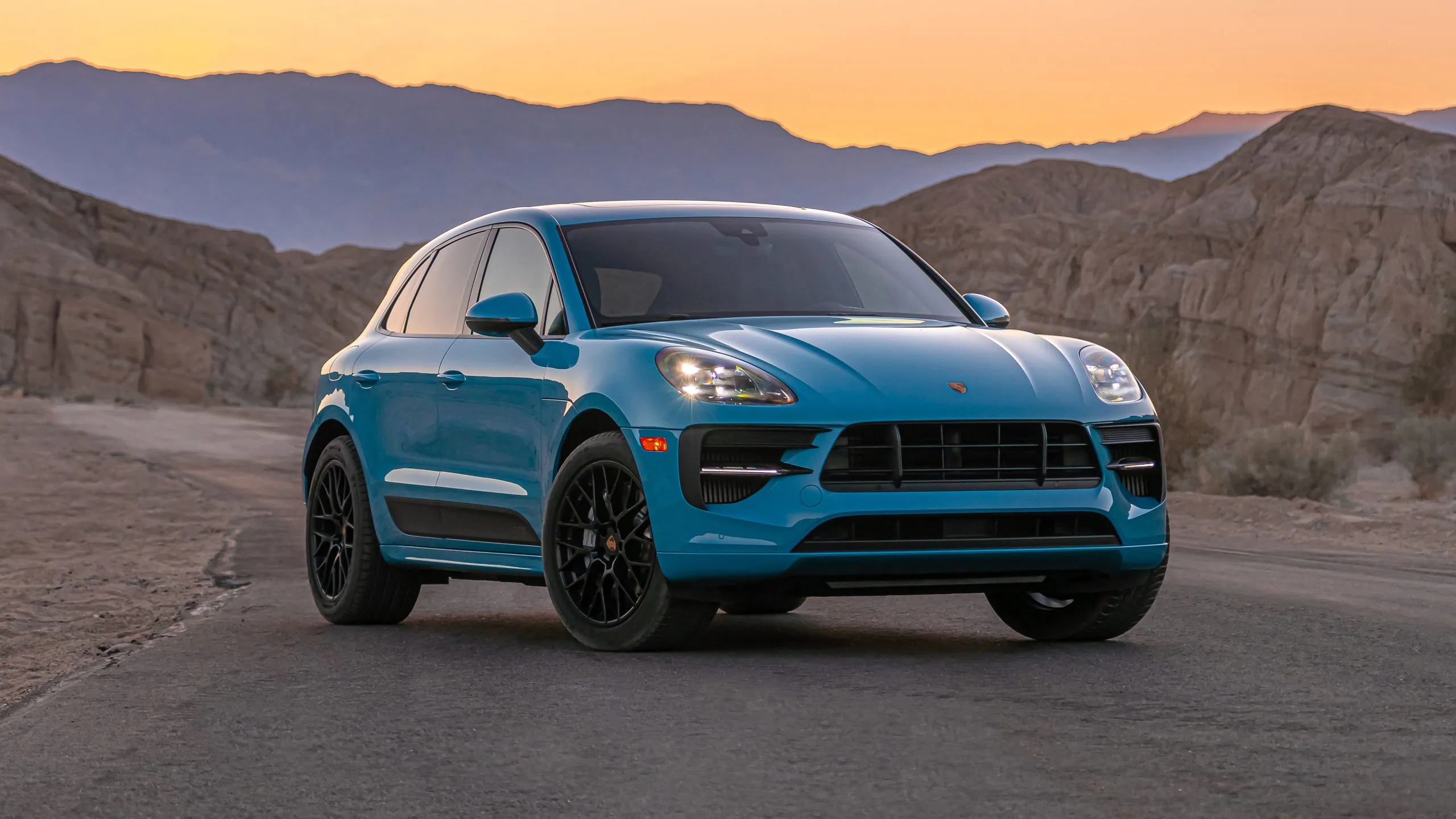
If your only goal is to see a Porsche badge in your driveway for the lowest possible amount of money, the first-generation Cayenne (2003–2010) is your target. In 2026, it is not uncommon to find high-mileage Cayenne V6 or S models for $6,000 to $9,000.
Why Are They So Cheap?
The Cayenne was a luxury SUV that sold in massive quantities. As they age, they move from luxury owners to second and third owners who may not have maintained them to Porsche standards.
- Air Suspension: The Cayenne’s optional air suspension system is prone to leaks as the bags and compressors age. A full replacement can cost nearly as much as the car's current market value.
- Coolant Pipes: Early V8 (Cayenne S and Turbo) models had plastic coolant pipes that would eventually crack. Most survivors have been retrofitted with aluminum pipes, but this must be verified.
- Fuel Economy: With 2026 fuel prices, the V8 Cayenne is expensive to operate as a daily driver, which keeps demand low and prices depressed.
The Porsche 911 (996): The Entry-Level Icon
For many, a Porsche must be a 911. The 996 generation (1999–2004) remains the "black sheep" of the 911 lineage due to its "fried egg" headlights and the transition to water-cooling. However, this reputation makes it the only 911 that fits within a moderate budget in 2026.
Prices for a 996 Carrera with high mileage hover around $22,000 to $28,000. While this is significantly more than a Boxster, it offers the rear-engine experience and the 2+2 seating configuration that defines the brand. The 996 shares the same IMS bearing concerns as the 986 Boxster, as well as potential issues with bore scoring—a condition where the piston rings scratch the cylinder walls, leading to oil consumption and engine noise.
Comparison of Affordable Porsche Models (2026 Estimates)
| Model | Production Years | 2026 Price Range (Good Condition) | Engine Type | Key Reliability Concern |
|---|---|---|---|---|
| Boxster (986) | 1997–2004 | $10,000 – $16,000 | Mid-Engine Flat-6 | IMS Bearing, AOS |
| 944 (Base) | 1982–1991 | $8,500 – $14,000 | Front-Engine Inline-4 | Timing Belt, Clutch |
| Cayenne (955) | 2003–2006 | $6,000 – $11,000 | Front-Engine V6/V8 | Air Suspension, Coolant Pipes |
| 911 (996) | 1999–2004 | $22,000 – $30,000 | Rear-Engine Flat-6 | IMS Bearing, Bore Scoring |
| 924 | 1976–1988 | $5,000 – $9,000 | Front-Engine Inline-4 | Fuel Injection (CIS), Rust |
Total Cost of Ownership: Beyond the Sticker Price
To successfully own the cheapest Porsche, you must budget for the "Second Purchase." This is the immediate investment required to bring the car up to a reliable baseline. For a 986 or 996, this often includes:
- Pre-Purchase Inspection (PPI): Expect to pay $300–$500. This is mandatory. A specialist will check for over-revs (on manuals), bore scoring, and IMS health.
- Tires: Porsche-spec (N-rated) tires are more expensive than standard passenger tires. A full set can cost $1,000 to $1,500.
- Oil Changes: These cars hold significantly more oil than a standard sedan (often 9+ quarts of high-grade synthetic), making even basic DIY maintenance more expensive.
Common Mistakes to Avoid
- Buying the Cheapest One on the Market: The "cheapest" example often has deferred maintenance that will cost double the savings in the long run. Seek the best maintenance history, not the lowest price.
- Ignoring the PPI: Never buy a used Porsche without a specialist looking at it. A clean exterior can hide $10,000 in mechanical issues.
- Underestimating DIY Difficulty: While the 944 is relatively accessible for home mechanics, the mid-engine Boxster requires removing the interior or working from underneath for almost every task, increasing labor hours at shops.
- Skipping Insurance Research: Some "cheap" Porsches can be surprisingly expensive to insure if they are considered high-risk performance vehicles. Obtain a quote before finalizing the purchase.
Frequently Asked Questions
Is a high-mileage Porsche a bad investment?
Not necessarily. A Porsche with 120,000 miles and a thick binder of service records is often a better buy than a 60,000-mile car that has sat in a garage for years. Porsches are engineered to be driven; seals dry out and fluids degrade when the car sits stationary.
Can I daily drive the cheapest Porsche?
The 986 Boxster and 955 Cayenne are modern enough for daily use, provided you have a secondary transportation plan for when parts need to be ordered. The 944 is better suited as a weekend car due to its age and lack of modern safety features like side-impact airbags and advanced traction control.
Which model is most likely to appreciate in value?
In the 2026 market, the Porsche 944 and 996 911 show the most growth potential. As air-cooled models become unattainable, enthusiasts are turning to these generations, which historically drives up the prices of well-kept examples.
How much should I set aside for annual maintenance?
A safe rule of thumb for any budget Porsche is to have a $2,500 emergency fund specifically for the car at all times, with an expected annual maintenance spend of $1,200 to $1,800 for consumables and minor repairs.
Practical Recommendation
If you are looking for the "cheapest" entry that provides the authentic Porsche sports car experience with manageable risk, focus your search on a 2000–2004 Porsche Boxster S. While it will cost more than a base model or an early Cayenne, the inclusion of the 3.2L engine, the improved 6-speed transmission, and the likely presence of a documented IMS fix makes it the most sustainable and rewarding way to join the Porsche family in 2026. Prioritize cars with a comprehensive service history over those with low mileage or cosmetic modifications.
Image Gallery