How to File a Labor Complaint: A Step-by-Step Legal Guide for Workers
Filing a labor complaint involves identifying the specific legal violation—such as unpaid wages, safety hazards, or discrimination—and submitting a formal claim to the appropriate state or federal regulatory agency. In the United State...
Filing a labor complaint involves identifying the specific legal violation—such as unpaid wages, safety hazards, or discrimination—and submitting a formal claim to the appropriate state or federal regulatory agency. In the United States, this process typically begins with the Department of Labor (DOL) or the Equal Employment Opportunity Commission (EEOC), depending on the nature of the grievance.
Contents
Understanding the Scope of Labor Complaints
Before initiating a formal complaint, it is essential to categorize the grievance correctly. Labor laws are multifaceted, and different agencies handle different types of workplace disputes. Filing with the wrong entity can lead to significant delays or the expiration of the statute of limitations on your claim.
In the 2026 regulatory landscape, most labor complaints fall into four primary categories: wage and hour violations, workplace safety issues, illegal discrimination or harassment, and unfair labor practices related to collective bargaining. Each of these categories is governed by specific federal statutes, such as the Fair Labor Standards Act (FLSA), the Occupational Safety and Health Act (OSH Act), and Title VII of the Civil Rights Act.
Wage and Hour Violations
These complaints involve the failure to pay the minimum wage, denial of overtime pay, or withholding of earned tips and commissions. The Wage and Hour Division (WHD) of the U.S. Department of Labor is the primary body responsible for enforcing these standards. Workers often file these complaints when an employer misclassifies them as independent contractors to avoid paying benefits and overtime.
Discrimination and Harassment
If an adverse employment action—such as firing, demotion, or a pay cut—is based on protected characteristics like race, color, religion, sex, national origin, age, or disability, it constitutes a legal violation. The Equal Employment Opportunity Commission (EEOC) manages these claims. In 2026, many jurisdictions have expanded these protections to include more specific categories of gender identity and remote work status.
Workplace Safety and Health
Workers have a right to a workplace free of known health and safety hazards. If an employer ignores dangerous conditions, faulty equipment, or toxic exposures, a complaint should be directed to the Occupational Safety and Health Administration (OSHA). OSHA complaints can often be filed anonymously to protect the worker from immediate blowback.
Essential Documentation and Evidence Gathering
The success of a labor complaint relies heavily on the quality of the evidence provided. Regulatory agencies handle thousands of claims annually, and those backed by a clear, documented paper trail are prioritized and more likely to result in a favorable outcome.
Payroll Records and Time Logs: For wage disputes, keep copies of all pay stubs, W-2 forms, and independent time logs. If your employer uses a digital clock-in system, try to take screenshots or keep a manual diary of your start and end times, including unpaid meal breaks. Discrepancies between your personal logs and your official pay stubs are the "smoking gun" in wage theft cases.
Internal Communications: Save emails, text messages, and internal chat logs (such as Slack or Teams) that relate to the dispute. If you were denied a promotion or harassed, these digital records provide a timestamped narrative. If your employer provides a handbook, keep a copy of the version that was active during the time of the incident to prove that company policy was violated alongside federal law.
Witness Statements: Identify colleagues who may have witnessed the violation or experienced similar treatment. While you do not need formal affidavits at the start, having a list of names and contact information for potential witnesses can significantly bolster an investigator's work later in the process.
Identifying the Correct Agency Jurisdiction
Choosing between a state-level agency and a federal agency is a critical strategic decision. In many states, such as California, New York, and Illinois, state labor laws offer higher minimum wages and stricter overtime protections than federal law.
| Violation Type | Primary Federal Agency | State Alternative | Statute of Limitations (Typical) |
|---|---|---|---|
| Unpaid Wages/Overtime | DOL Wage and Hour Division | State Dept. of Labor | 2–3 Years |
| Discrimination/Harassment | EEOC | State Civil Rights Commission | 180–300 Days |
| Workplace Safety | OSHA | State OSHA (if applicable) | 30–180 Days |
| Union/Collective Bargaining | NLRB | State Labor Relations Board | 6 Months |
If your state provides stronger protections, filing with the state labor office is often more effective. However, if you work for a federal contractor or in a state with minimal labor protections, the federal Department of Labor is your primary recourse.
The Step-by-Step Filing Process
Once you have gathered your evidence and identified the agency, the filing process generally follows a structured sequence.
1. The Initial Inquiry or Intake
Most agencies allow you to begin the process online or via telephone. For example, the EEOC Public Portal allows you to submit an inquiry to determine if your situation falls under their jurisdiction. This is not yet a "formal charge" but a preliminary step to schedule an intake interview.
2. The Intake Interview
During this stage, an investigator or intake officer will review your documents and ask clarifying questions. They are looking for "prima facie" evidence—meaning that, on the surface, a law appears to have been broken. Be prepared to explain the "who, what, where, and when" of the situation clearly. Avoid emotional conjecture; stick to the facts that can be verified.
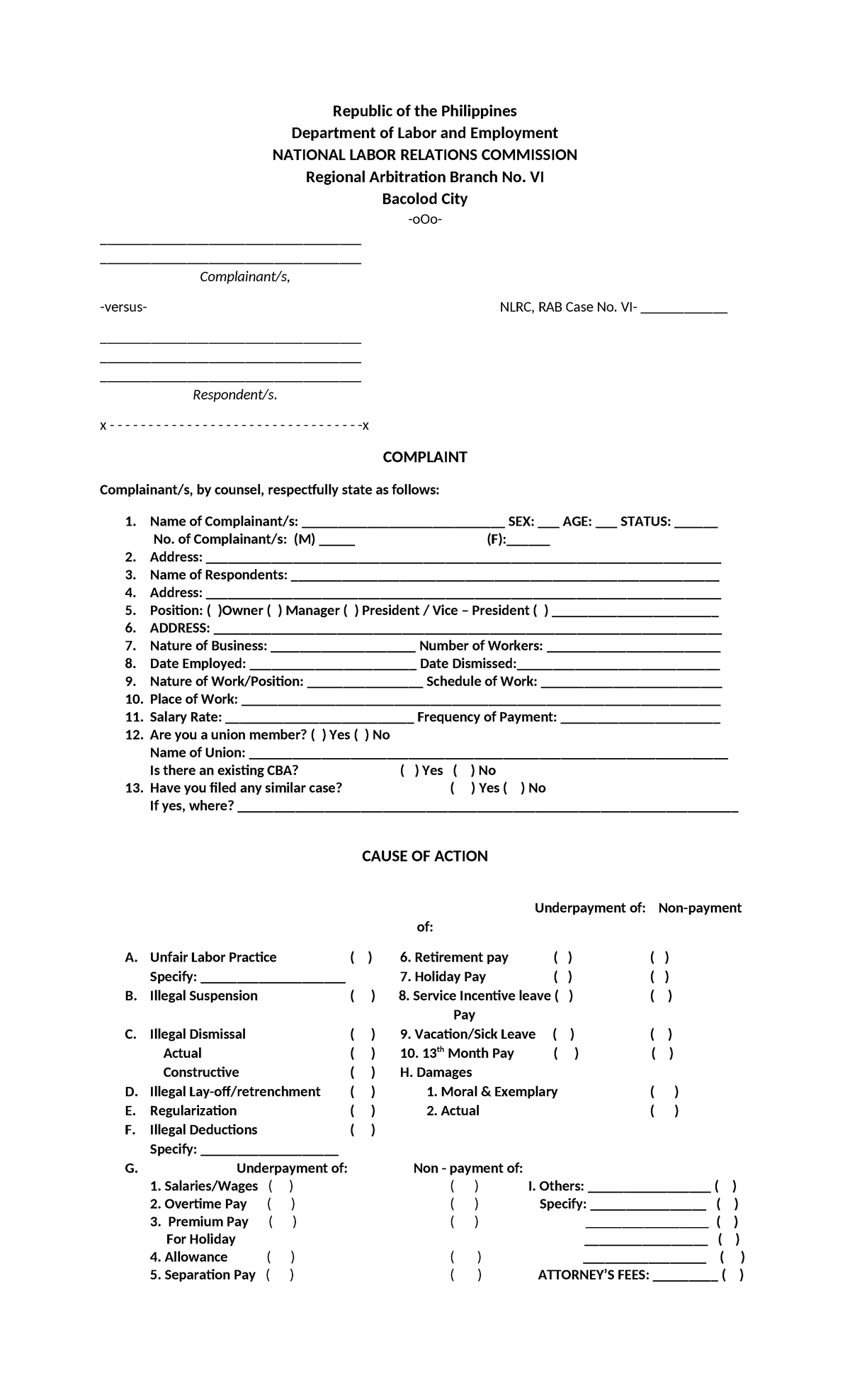
3. Filing the Formal Charge
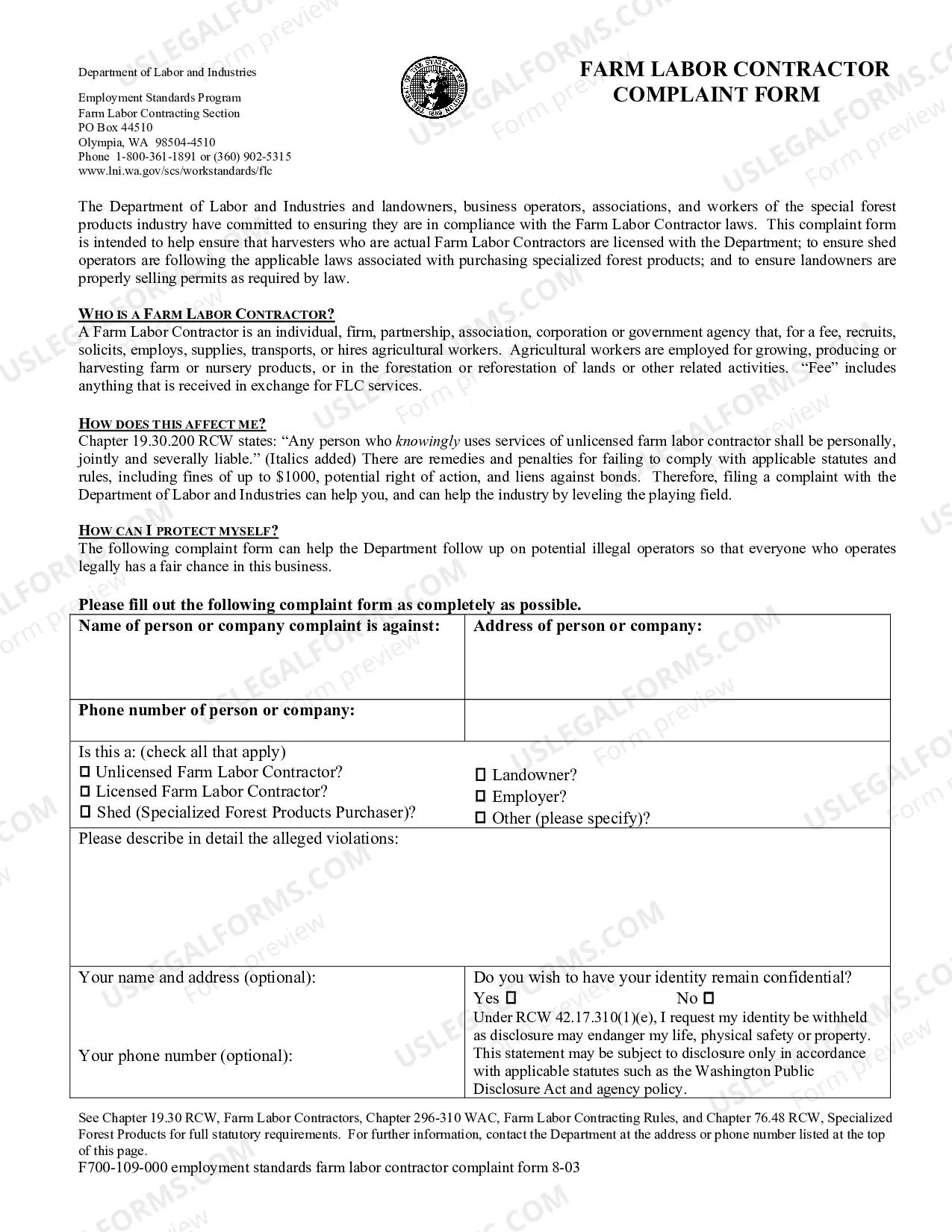
If the agency determines they have jurisdiction, you will sign a formal charge of discrimination or a formal complaint form. Once this is signed, the agency will officially notify your employer. In the case of the WHD, the employer is usually notified that an investigation into their pay practices has commenced, though the identity of the complainant may be kept confidential in the early stages.
4. Mediation and Settlement
Before a full investigation, many agencies offer mediation. This is a voluntary process where a neutral third party helps you and your employer reach a settlement. This is often the fastest way to receive back pay or a severance package without waiting years for a court case to conclude.
5. Investigation and Determination
If mediation fails, the agency will conduct a full investigation. This may involve site visits, employer record audits, and witness interviews. At the conclusion, the agency will issue a determination. They may find "cause" (evidence of a violation) and attempt to force a remedy, or they may issue a "Right to Sue" letter, which allows you to take the case to private court with your own attorney.
Protecting Yourself Against Retaliation
A primary fear for many workers is the risk of being fired or demoted for filing a complaint. It is important to know that retaliation is a separate and often easier-to-prove violation of labor law.
Under most federal statutes, including the FLSA and the OSH Act, it is illegal for an employer to take "adverse action" against an employee for participating in a protected activity, such as filing a labor complaint or cooperating with an investigation. Adverse actions include:
- Termination or layoffs.
- Blacklisting.
- Reducing hours or pay.
- Reassignment to a less desirable position or shift.
- Threatening to call immigration authorities.
If your employer retaliates, you should immediately file a supplemental retaliation claim with the agency handling your original complaint. Courts and agencies take retaliation very seriously, often awarding punitive damages that exceed the original unpaid wages or settlement amounts.
When to Consult a Labor Attorney
While the DOL and EEOC processes are designed to be accessible to individuals without legal representation, certain situations necessitate hiring an attorney. If your claim involves hundreds of thousands of dollars in unpaid commissions, a complex class-action scenario, or severe physical injury, a private lawyer can provide specialized guidance.
Most labor attorneys work on a contingency fee basis, meaning they only get paid if you win your case. They can also help navigate the "Right to Sue" process if an agency chooses not to pursue your case but you still believe you have a strong legal standing.
Frequently Asked Questions
How much does it cost to file a labor complaint?
Filing a complaint with a government agency like the DOL, EEOC, or OSHA is entirely free. These agencies are taxpayer-funded and do not charge workers for investigations or mediation services. If you choose to hire a private attorney to file a lawsuit independently, you will be responsible for their fees, though many work on a contingency basis where fees are deducted from the final settlement.
Can I file a complaint anonymously?
OSHA allows for anonymous complaints regarding workplace safety hazards to prevent immediate retaliation. However, for wage and hour claims or discrimination charges, your identity will eventually be disclosed to the employer because they have a right to respond to the specific allegations. The WHD makes every effort to keep your identity confidential during the initial audit of company records.
How long do I have to file a complaint after an incident?
Statutes of limitations vary by the type of claim and state law. For federal discrimination claims with the EEOC, the limit is generally 180 days, which may be extended to 300 days if a state agency is also involved. Wage claims under the FLSA typically have a two-year limit, extended to three years for "willful" violations. Because these windows can close quickly, it is vital to act as soon as the violation is identified.
What happens if the agency finds my employer did nothing wrong?
If an agency investigation results in a "no cause" finding, it does not necessarily mean you have no case. In discrimination cases, the EEOC will issue a "Dismissal and Notice of Rights," commonly known as a Right to Sue letter. This document gives you 90 days to file a private lawsuit in federal court. For wage claims, you can often pursue the matter in small claims court or through a private civil suit depending on the amount owed.
Can undocumented workers file labor complaints?
Yes. Labor protections regarding minimum wage, overtime, and workplace safety apply to all workers in the United States, regardless of their immigration status. Most labor agencies, including the DOL and NLRB, have policies stating they will not inquire about immigration status during an investigation and will not report workers to immigration authorities as part of the complaint process.
Practical Recommendation for Next Actions
If you believe your rights have been violated, your first action should be to secure your evidence. Download pay stubs, save relevant emails to a personal device (not a work computer), and write a detailed chronological log of events while the details are fresh in your mind.
Once your evidence is secured, visit the Department of Labor's website to find your local district office. Contacting them for an informal discussion can clarify whether your grievance is a violation of federal law and provide you with the specific forms needed to begin the recovery of your wages or the restoration of your workplace rights.
Image Gallery