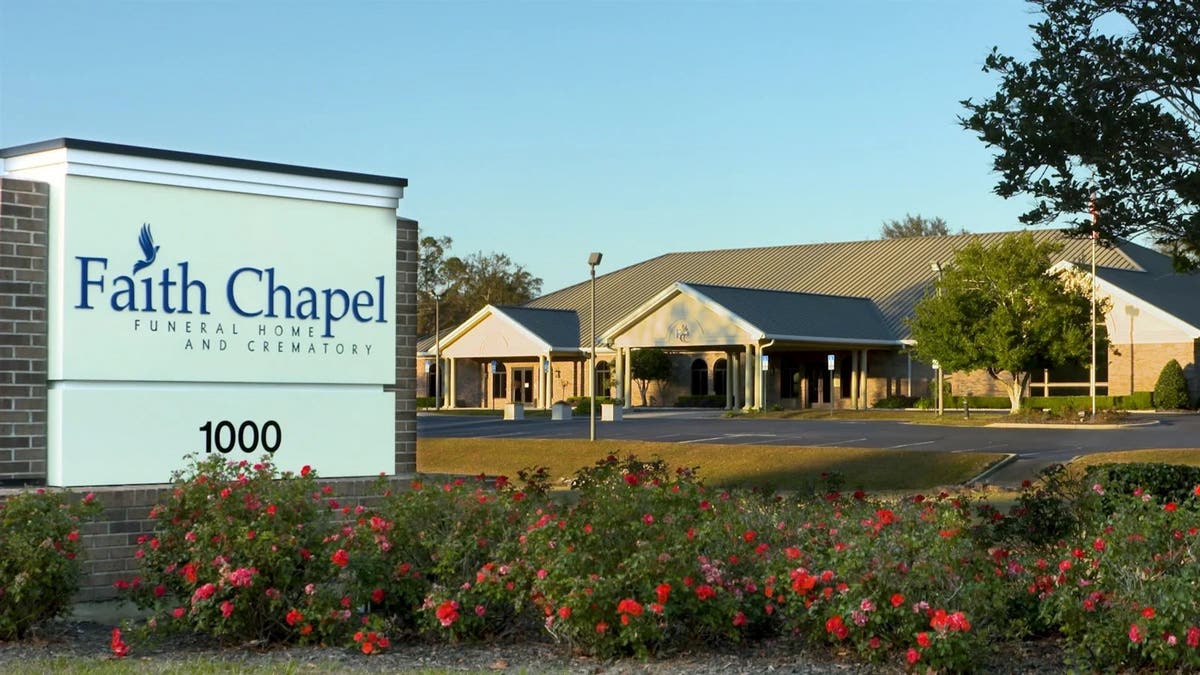
Faith Chapel Funeral Home Pensacola: Comprehensive Guide to Services, Planning, and Local Support
Faith Chapel Funeral Home in Pensacola, Florida, provides essential end-of-life services, including traditional burials, cremation options, and pre-planning resources. Located in Escambia County, the facility guides families through co...
Faith Chapel Funeral Home in Pensacola, Florida, provides essential end-of-life services, including traditional burials, cremation options, and pre-planning resources. Located in Escambia County, the facility guides families through compassionate arrangements, offering tailored memorial ceremonies, grief support, and transparent administrative assistance during difficult times.
Contents
Navigating the passing of a loved one or arranging advance directives requires a clear understanding of available mortuary services, logistical requirements, and regional options. This comprehensive guide outlines the operational framework, service tiers, pre-arrangement benefits, and practical considerations for families utilizing Faith Chapel Funeral Home and Crematory in the Pensacola area.
Core Memorial and Mortuary Services Offered
Selecting the appropriate service type depends on religious traditions, personal preferences, and financial considerations. Faith Chapel Funeral Home offers a spectrum of customizable options designed to honor individual wishes while accommodating family gatherings.
- Traditional Burial Services: Involves professional staff services, embalming, casketing, a public viewing or visitation, a formal funeral ceremony held either at the chapel or a local house of worship, and a procession to the cemetery for committal.
- Cremation Options: Ranging from direct cremation without formal services to complete celebration-of-life packages that incorporate a visitation, church service, or memorial gathering with an urn present.
- Celebration of Life Events: Modern, highly personalized gatherings focusing on the unique hobbies, achievements, and personality of the deceased, often featuring multimedia displays, specialized music, and customized venue layouts.
- Veterans Honors and Military Tributes: Specialized coordination with the Department of Veterans Affairs to secure burial flags, presidential memorial certificates, military honors detail, and placement in national or state veterans cemeteries.
Understanding Pre-Planning and Advance Directives
Arranging funeral details in advance relieves surviving family members of emotional and financial burdens. Pre-planning allows individuals to dictate their precise preferences regarding service styles, merchandise selection, and financial funding methods.
Pre-Need Planning Advantages: Emotional Relief: Eliminates guesswork for grieving family members who would otherwise have to make high-stress decisions under strict time constraints. Financial Protection: Many pre-need contracts allow families to lock in current pricing structures, protecting against future inflation of goods and services such as caskets, professional fees, and automotive transport.
When initiating a pre-need plan, individuals complete a comprehensive biographical data sheet, select specific merchandise items, and determine the payment vehicle, such as a funeral trust or insurance-funded pre-need product.
Financial Considerations, Pricing Structures, and Disclosures
Transparency in funeral service pricing is mandated by federal regulations set by the Federal Trade Commission (FTC) through the Funeral Rule. Families have the legal right to receive an accurate, itemized General Price List (GPL) before entering into any financial commitments.
| Service Category | Standard Description | Typical Inclusion Factors |
|---|---|---|
| Professional Services Fee | Basic services of funeral director and staff | Overhead, licensing, administrative paperwork, and permit acquisition |
| Transport and Care | Transfer of remains and preparation | Refrigeration, professional sanitization, cosmetology, and casketing |
| Ceremony and Staffing | Directing services at venue | Chapel usage, staff supervision, and automotive equipment (hearse/limousine) |
| Merchandise Selection | Caskets, urns, and outer burial containers | Material quality, customization options, and liner requirements |
Families should carefully evaluate third-party fees, such as cemetery opening and closing costs, newspaper obituary publication charges, certified death certificate fees from the Florida Department of Health, and honorariums for clergy or musicians.
Comparative Overview of Pensacola Area Final Arrangements
Evaluating local options helps families determine whether a traditional funeral home or an alternative arrangement provider best fits their needs.
| Arrangement Type | Primary Focus | Flexibility | Cost Profile |
|---|---|---|---|
| Full-Service Funeral Home (e.g., Faith Chapel) | Comprehensive, end-to-end care, public viewings, and structured traditional ceremonies | High flexibility for customized religious or secular services | Moderate to High (reflects facility and staffing overhead) |
| Direct Cremation Provider | Streamlined, basic disposition of remains without formal on-site gatherings | Low service flexibility; memorialization typically handled privately | Low to Moderate (focused primarily on transport and cremation fees) |
| Green Burial Provider | Eco-friendly interment without embalming fluids or non-biodegradable caskets | Restricted to certified green cemeteries and natural materials | Moderate (dependent on designated conservation land availability) |
Step-by-Step Guide to Immediate Loss Arrangements
When a death occurs unexpectedly or under hospice care, surviving relatives must follow a structured series of steps to ensure legal compliance and smooth transfer of care.
- Notify Medical Authorities: If the death occurs at home without hospice care, contact emergency services (911). If the individual is under hospice care, contact the assigned hospice nurse, who will pronounce the death and notify the appropriate officials.
- Contact the Funeral Home: Notify Faith Chapel Funeral Home to initiate the transfer of the deceased from the place of passing to their care facility. Professional transport teams operate continuously to handle this transition.
- Gather Vital Statistics: Prepare necessary information for the death certificate, including the deceased's full legal name, social security number, date of birth, birthplace, parents' names (including mother's maiden name), and highest level of education.
- Schedule the Arrangement Conference: Meet with a licensed funeral director either in person at the facility or virtually to select merchandise, finalize service times, and review financial agreements.
- Secure Permitting and Documentation: Allow the funeral director to file the official medical certificate of death with the attending physician or medical examiner and obtain certified copies for estate settlement.
Frequently Asked Questions
What immediate documents are required when meeting with a funeral director?
Families should bring the social security number of the deceased, veteran discharge papers (DD-214) if military honors are requested, insurance policies if funding through a pre-existing plan, and clothing for the viewing or service. This documentation accelerates the preparation of death certificates and permit filings.
Can Faith Chapel arrange out-of-state shipping if a loved one passes away elsewhere?
Yes, funeral homes coordinate shipping logistics nationally and internationally, partnering with receiving funeral establishments, consulates, and airlines. This process requires specialized handling, transit permits, and compliance with TSA shipping regulations for human remains.
Are green or eco-friendly burial options available in the Pensacola area?
While specific green burial regulations depend on local cemetery restrictions, many traditional funeral providers can accommodate requests for biodegradable caskets, urns, and services that omit chemical embalming fluids. Families must verify cemetery-specific vault and liner bylaws prior to purchase.
How many certified death certificates should a family purchase?
Most families require between three and six certified copies to resolve estate matters, close bank accounts, transfer property deeds, claim life insurance benefits, and notify government agencies like the Social Security Administration. Additional copies can be ordered later through the vital statistics office.
What is the difference between a viewing and a visitation?
A visitation typically allows friends and family to pay their respects while the casket may be open or closed, serving as an informal gathering space. A viewing is often a more structured event specifically highlighting the cosmetic presentation and casketing of the deceased for final farewells.
Professional Recommendations for Grieving Families
Navigating the logistics of a funeral requires balancing emotional well-being with administrative responsibilities. Designate one family member as the primary point of contact for the funeral director to prevent miscommunication. Request an itemized estimate before signing any authorization paperwork, and utilize grief support resources offered by the mortuary staff to assist with the psychological transition following the service.
Image Gallery