Understanding the Tight Money Policy in Economics
A tight money policy is a monetary strategy implemented by a central bank to slow down economic growth, curb inflation, and stabilize a currency by reducing the money supply and raising borrowing costs. By deliberately making credit mo...
A tight money policy is a monetary strategy implemented by a central bank to slow down economic growth, curb inflation, and stabilize a currency by reducing the money supply and raising borrowing costs. By deliberately making credit more expensive and harder to obtain, monetary authorities seek to cool an overheated economy and keep price stability within targeted boundaries.
Contents
Mechanics of Monetary Policy: Expansionary vs. Contractionary
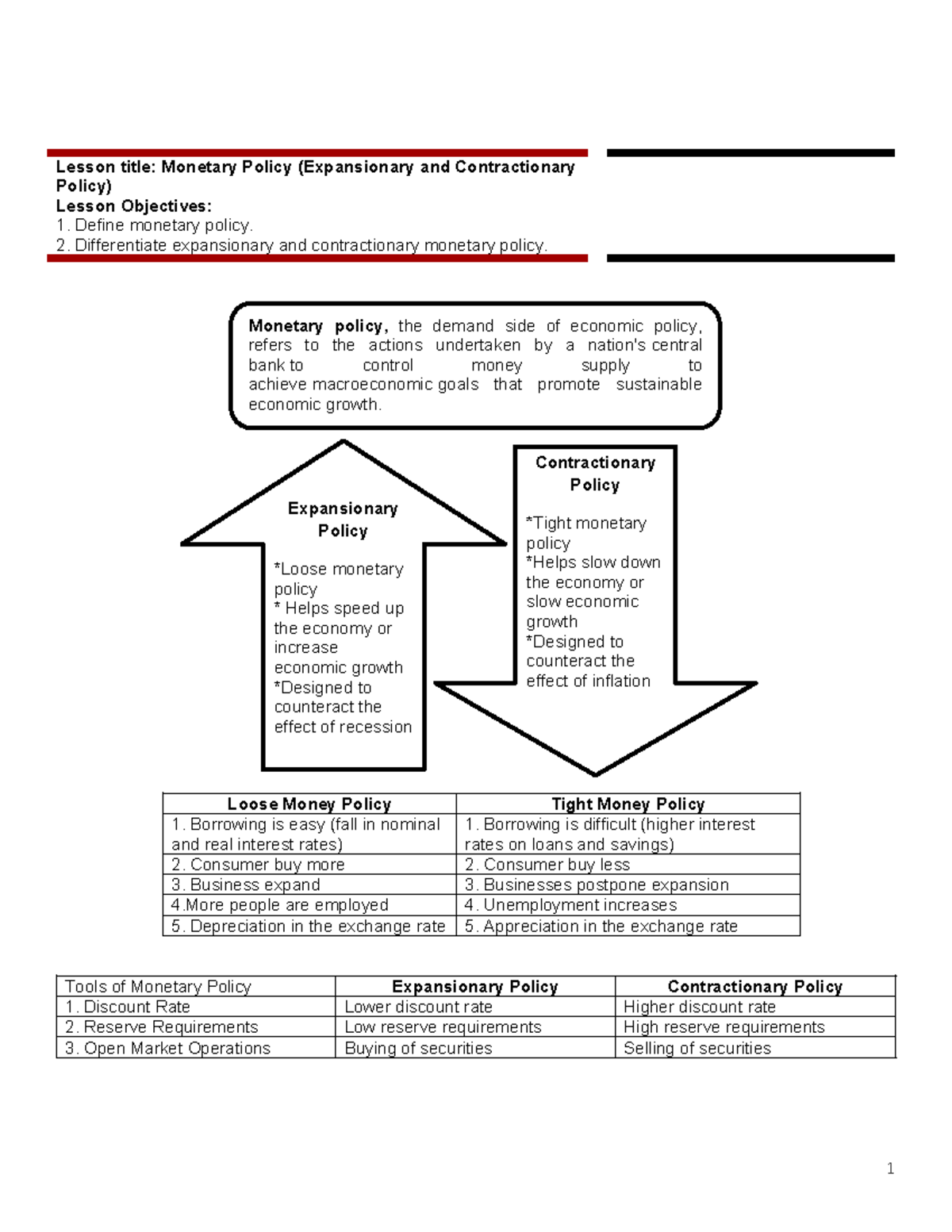
Monetary policy governs the supply of money and the cost of credit within an economy. Central banks, such as the U.S. Federal Reserve or the European Central Bank, utilize various tools to steer macroeconomic performance. These strategies generally fall into two broad categories: expansionary and contractionary policies.
While an expansionary stance injects liquidity into the financial system to stimulate employment and output during a downturn, a contractionary approach does the opposite. Understanding the mechanics of a tight money policy requires examining how central banks deliberately restrict liquidity. When inflation rises above desired targets—often driven by robust consumer demand or supply-chain bottlenecks—monetary authorities intervene to drain excess cash from commercial banks.
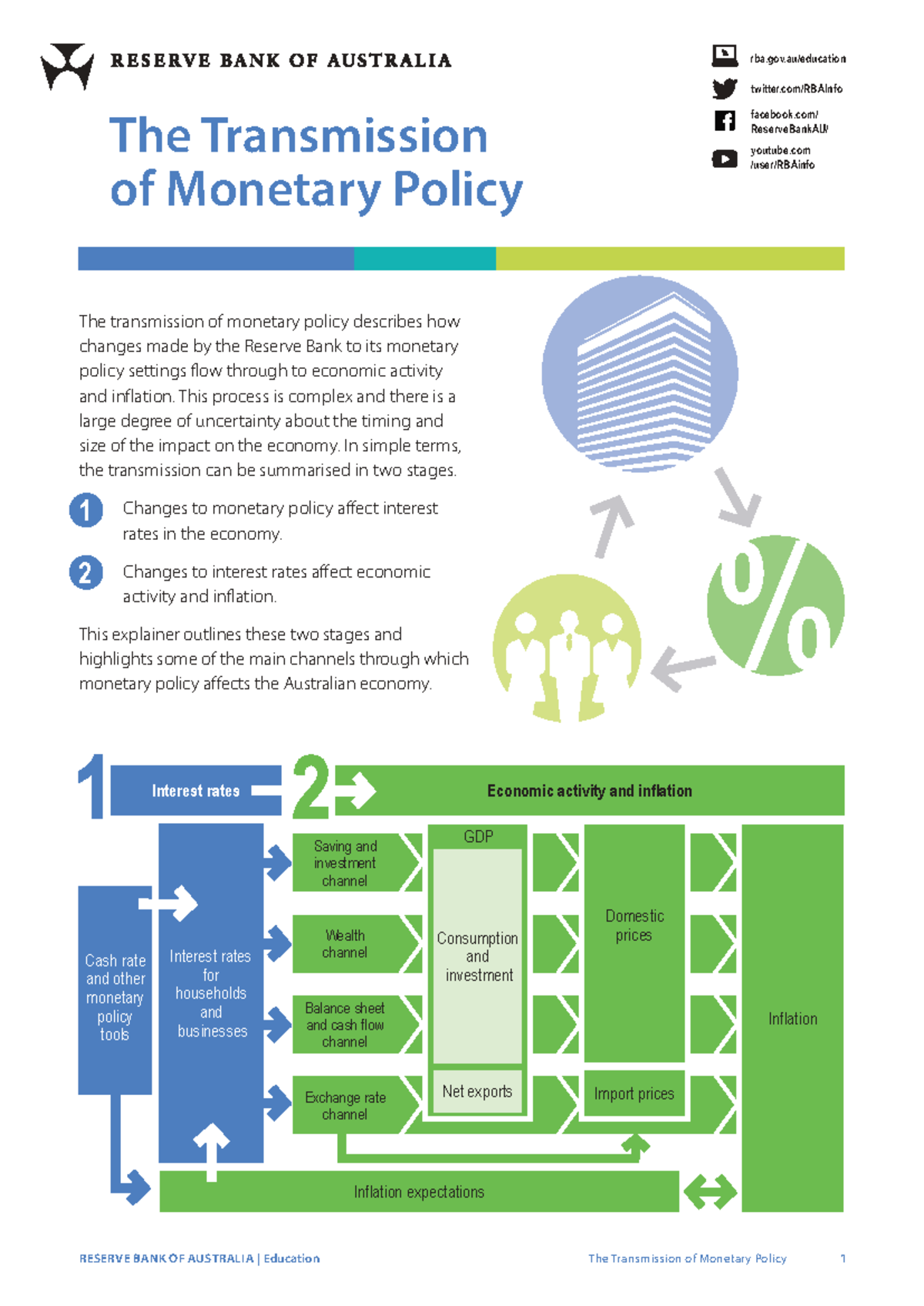
This policy shift increases the cost of capital for businesses and consumers alike. By slowing down spending and investment, the central bank reduces aggregate demand, which helps alleviate upward pressure on prices.
Core Tools Used to Enforce a Tight Money Policy
Central banks rely on three primary instruments to execute a contractionary monetary stance. Each tool alters the balance sheet of commercial banks, forcing them to tighten their own lending standards.
Raising Policy Interest Rates
The most visible tool is raising the benchmark short-term interest rate, such as the federal funds rate in the United States. When the central bank charges more to lend overnight reserves to commercial banks, those institutions pass the increased costs along to consumers and businesses. Consequently, prime rates, mortgage rates, auto loans, and credit card annual percentage rates (APRs) climb, discouraging debt-financed purchases.
Open Market Operations (OMO)
Open market operations involve buying or selling government securities on the open market. To tighten money, the central bank sells government bonds to commercial banks and the public.
When buyers pay for these securities, cash flows out of commercial bank reserves and into the central bank, directly shrinking the total volume of money available for lending.
Increasing Reserve Requirements
Although used less frequently for day-to-day fine-tuning, central banks can raise the reserve requirement ratio—the percentage of customer deposits that banks must hold in cash rather than lend out.
A higher reserve requirement instantly diminishes the lending capacity of commercial banks, forcing them to contract their loan portfolios and accumulate safer, more liquid assets.
Economic Objectives and Macroeconomic Impacts
The primary objective of a tight money policy is price stability. Left unchecked, high inflation erodes purchasing power, distorts price signals, and creates uncertainty that discourages long-term investment. By reining in the money supply, central banks aim to anchor inflation expectations.
| Policy Tool | Mechanism | Direct Effect on Borrowers | Macroeconomic Goal |
|---|---|---|---|
| Higher Interest Rates | Increases cost of central bank lending | Higher rates on mortgages, loans, and credit cards | Discourages excessive borrowing and consumer spending |
| Open Market Sales | Central bank sells government bonds | Drains liquidity from commercial bank reserves | Reduces overall money supply and dampens aggregate demand |
| Higher Reserve Requirements | Increases mandatory cash holding ratios | Banks restrict new loan originations | Slows credit creation and cools an overheating economy |
Beyond inflation control, a tight money policy can strengthen a domestic currency. Higher domestic interest rates attract foreign capital seeking better returns, increasing demand for the local currency in international exchange markets.
However, these benefits come with notable trade-offs. The primary risk of a contractionary policy is an economic slowdown or recession. When credit becomes scarce, business investment in capital projects declines, hiring freezes or layoffs may occur, and consumer spending drops.
Central banks must carefully calibrate these measures to avoid tipping a stable economy into a severe downturn.
Practical Effects on Businesses and Consumers
The transition from an accommodating monetary environment to a tight money policy alters financial planning for both households and corporations.
Impact on Businesses
- Elevated Cost of Capital: Corporations relying on revolving credit lines or corporate debt issuances face higher interest expenses, which can compress profit margins.
- Capital Expenditure Delays: High hurdle rates make new factory builds, equipment purchases, and research initiatives less financially viable.
- Stricter Underwriting Standards: Commercial banks exercise greater caution, demanding higher credit scores, larger down payments, and stronger balance sheets before approving business loans.
Impact on Consumers
- Reduced Purchasing Power: Variable-rate mortgages and credit card balances demand larger monthly payments, leaving less disposable income for discretionary goods.
- Cooling Housing Market: Higher mortgage rates price out prospective buyers, often stalling home price appreciation and reducing real estate transaction volumes.
- Encouragement of Saving: Higher yields on certificates of deposit and high-yield savings accounts incentivize households to save rather than spend.
Historical Context and Policy Dilemmas
Monetary history demonstrates the potency—and the risk—of tight money policies. During the late 1970s and early 1980s, U.S. Federal Reserve Chairman Paul Volcker implemented aggressive contractionary policies, raising the federal funds rate to historic peaks to break the back of runaway stagflation. While this successfully restored long-term price stability, it triggered a severe recession in the short term.
Modern central bankers face similar balancing acts. When global supply shocks or fiscal expansions drive up inflation, monetary authorities must weigh the pain of higher unemployment and slower growth against the corrosive effects of unmanaged price increases.
This ongoing challenge highlights why central banks rely on incoming economic data—such as employment reports, consumer price indices, and gross domestic product growth—rather than rigid formulas when adjusting policy.
Frequently Asked Questions
What triggers a central bank to implement a tight money policy?
Central banks typically implement a tight money policy when inflation rates exceed their stated target (often around 2%) or when economic indicators suggest the economy is overheating due to excessive borrowing and speculative asset bubbles.
How long does it take for a tight money policy to affect inflation?
Monetary policy operates with a variable time lag, often estimated between 12 to 24 months. Changes in central bank interest rates take time to work their way through commercial lending channels, corporate balance sheets, and consumer spending habits.
Does a tight money policy always cause a recession?
Not necessarily. While a contractionary stance slows economic growth, a skillfully managed policy can achieve a "soft landing"—cooling inflation without pushing the broader economy into a full recession. However, historical precedents show that achieving this balance is exceptionally difficult.
What happens to stock markets when monetary policy tightens?
Stock markets often experience downward pressure or increased volatility during a tight money policy phase. Higher interest rates increase the discount rate used to value future corporate earnings, making fixed-income investments like bonds more attractive relative to equities.
Next Actions and Further Reading
For those analyzing macroeconomic trends or managing personal and corporate finances in a high-interest-rate environment, monitoring central bank announcements is essential. Review upcoming calendar releases from major monetary authorities, evaluate variable-rate debt exposure, and consult qualified financial advisors to stress-test your portfolio against prolonged credit tightening.
Image Gallery