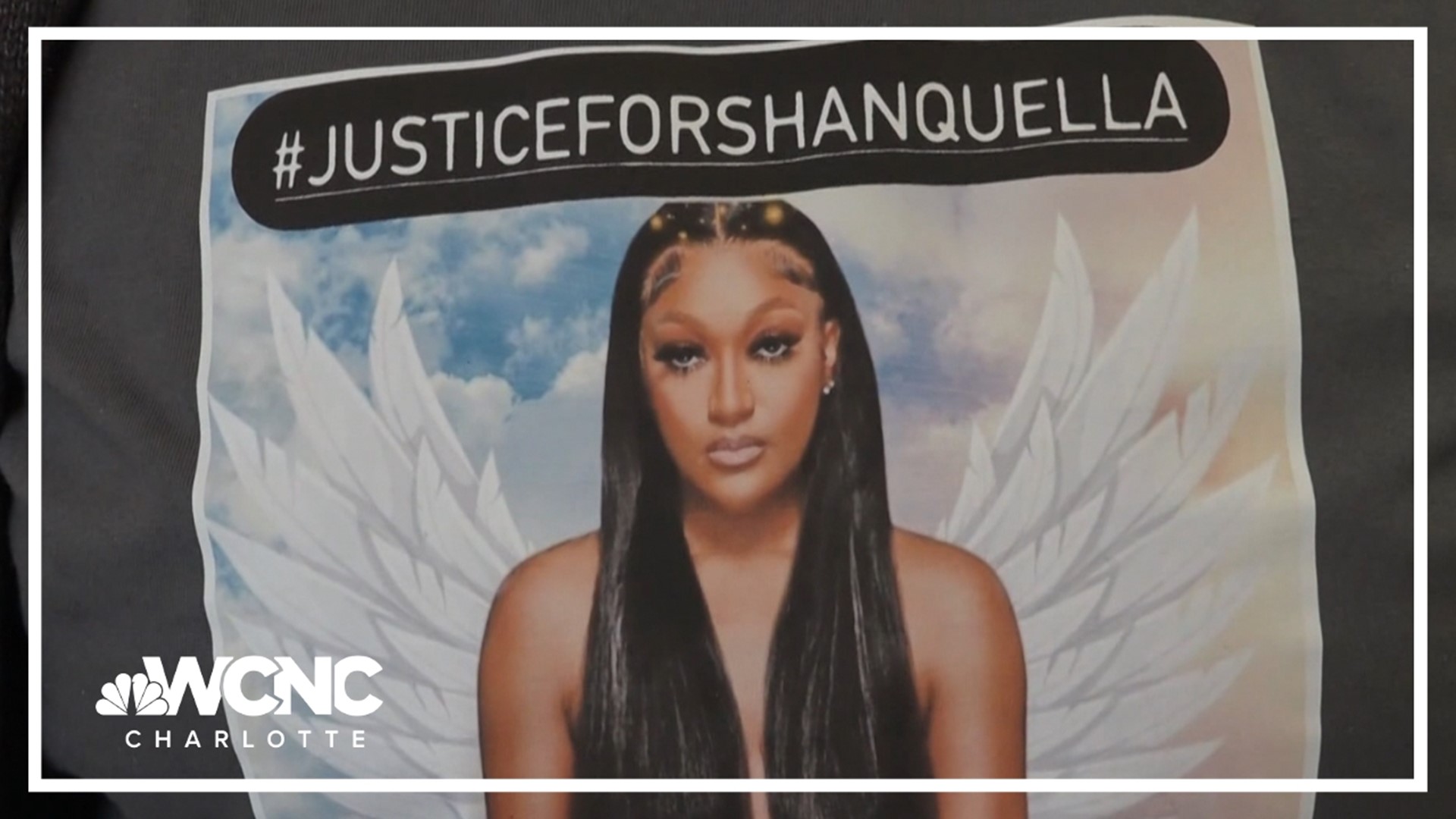
Who Killed Shanquella Robinson? The Facts, Investigation, and Search for Justice
Shanquella Robinson died under suspicious circumstances on October 29, 2022, while vacationing in San José del Cabo, Mexico, with six acquaintances who later became known as the "Cartel Raes." While Mexican authorities and the FBI laun...
Shanquella Robinson died under suspicious circumstances on October 29, 2022, while vacationing in San José del Cabo, Mexico, with six acquaintances who later became known as the "Cartel Raes." While Mexican authorities and the FBI launched investigations into her death, no individual has been directly convicted of her murder, though a Mexican arrest warrant was issued for one of her traveling companions on a femicide charge. Her sudden and violent death sparked international outrage, intense media scrutiny, and widespread calls for legal accountability.
Contents
The tragic incident transformed into a high-profile international mystery that highlighted complexities in cross-border crime investigations, jurisdictional challenges between Mexican and United States law enforcement, and the fierce advocacy of a grieving family demanding transparency. Understanding what happened to Shanquella Robinson requires examining the timeline of the trip, the medical findings, the subsequent legal investigations, and the ongoing quest for accountability.
The Timeline of the Trip to San José del Cabo
In late October 2022, 25-year-old Shanquella Robinson traveled from Charlotte, North Carolina, to Mexico with six friends to celebrate a birthday. The group stayed at a luxury villa in San José del Cabo, a resort city at the southern tip of the Baja California Peninsula.
Within 24 hours of arriving at the villa, Robinson was dead. Initially, her travel companions reportedly told her family that she had died from alcohol poisoning, claiming she had simply fallen ill during the trip. However, this narrative quickly unraveled when a graphic video began circulating on social media weeks later.
The leaked video showed a naked Robinson being physically beaten and attacked inside a bedroom by one of the women from her travel group, while others watched, laughed, and recorded the assault without intervening. The footage directly contradicted the initial alcohol poisoning narrative, showing severe physical trauma that immediately shifted public and familial perception from a tragic accident to an active homicide investigation.
Medical Findings and Cause of Death
The official medical reporting surrounding Shanquella Robinson’s death played a critical role in shaping the legal response. According to the preliminary autopsy report issued by local Mexican authorities in Baja California Sur, the cause of death was determined to be severe spinal cord injury and atlas luxation, which involves the dislocation of the vertebrae connecting the skull to the spine.
This medical conclusion indicated blunt force trauma to the neck and upper back area, aligning with the physical violence captured in the viral video footage. The Mexican death certificate listed the time elapsed between injury and death as approximately 15 minutes, suggesting she died shortly after the altercation occurred.
When Robinson’s body was repatriated to the United States, an independent autopsy was conducted. While specific details from the secondary private review remained largely confidential at the request of the family's legal representatives, the preliminary findings consistently pointed toward physical trauma rather than natural causes or mere alcohol intoxication.
The Investigation by Mexican Authorities and the FBI
Following the public outcry and the circulation of the video, law enforcement agencies in both Mexico and the United States initiated formal inquiries.
Mexican Authorities and the Femicide Warrant
The Attorney General’s Office of the State of Baja California Sur (Fiscalía General del Estado de Baja California Sur) launched a homicide investigation. In November 2022, Mexican prosecutors officially classified the case as femicide—a specific legal term in Mexico referring to the gender-motivated killing of a woman.
Mexican authorities subsequently requested an arrest warrant for a female member of Robinson's travel group suspected of inflicting the fatal injuries. Extradition proceedings were initiated through Interpol and federal channels, requiring cooperation between Mexican prosecutors and U.S. federal authorities to secure the suspect's return to Mexico for trial.
The Federal Bureau of Investigation (FBI) Inquiry
Concurrently, the Federal Bureau of Investigation (FBI) field office in Charlotte, North Carolina, alongside the U.S. Attorney’s Office for the Western District of North Carolina and the U.S. Department of Justice (DOJ), opened a parallel federal investigation.
In April 2023, the U.S. Department of Justice announced that federal prosecutors and the FBI had concluded their investigation and determined that the evidence collected did not support the filing of federal criminal charges against any of the individuals involved. U.S. officials stated that federal jurisdiction requirements for prosecution were not met based on the findings of their medical and investigative reviews, leaving the primary legal pathway resting within the Mexican judicial system.
| Investigative Body | Jurisdiction | Action Taken | Current Status |
|---|---|---|---|
| Baja California Sur Attorney General | Mexico | Classified case as femicide; issued arrest warrant | Seeking extradition of primary suspect |
| Federal Bureau of Investigation (FBI) | United States | Conducted federal civil rights and homicide review | Closed federal inquiry without charges |
| U.S. Department of Justice (DOJ) | United States | Evaluated findings for federal prosecution | Determined insufficient evidence for U.S. charges |
Key Challenges in Cross-Border Accountability
The pursuit of justice in the Shanquella Robinson case has been complicated by the legal realities of international crimes. When a U.S. citizen is killed in a foreign country, primary jurisdiction belongs to the nation where the crime occurred—in this case, Mexico.
Navigating the Mexican legal system from the United States involves complex diplomatic protocols, formal extradition requests, and distinct legal standards. While Mexican prosecutors secured an arrest warrant and pushed for extradition, the process requires the cooperation of U.S. federal authorities to detain and transfer the suspect across international borders. These procedural hurdles have contributed to prolonged delays, fueling frustration among Robinson’s family, civil rights advocates, and the public.
Frequently Asked Questions
Who was Shanquella Robinson?
Shanquella Robinson was a 25-year-old entrepreneur and hair braider from Charlotte, North Carolina. Her death in Mexico in October 2022 drew national and international attention after video evidence emerged showing she was physically assaulted by a travel companion shortly before she died.
What was the official cause of Shanquella Robinson’s death?
The official autopsy conducted by Mexican authorities determined that she died from severe spinal cord injury and atlas luxation, which is a dislocation of the top vertebrae connected to the skull, resulting from blunt force trauma.
Did the FBI file charges against anyone in the group?
No. In April 2023, the U.S. Department of Justice and the FBI closed their investigation without filing federal criminal charges, stating that the available evidence did not satisfy the strict legal requirements necessary to prosecute the case under U.S. federal law.
Has anyone been arrested for her death?
Mexican authorities issued an arrest warrant for one of the women who traveled with Robinson, categorizing the case as femicide. However, as of 2026, the extradition process remains active, and no individual has been successfully tried or convicted in a court of law.
What role did the viral video play in the investigation?
The video, which surfaced weeks after Robinson's death, showed her being physically attacked in a bedroom while other members of her travel group watched and recorded. This footage dismantled the initial narrative that she died of alcohol poisoning and served as crucial evidence for both public awareness and official investigators.
Next Actions and Ongoing Advocacy
The quest for accountability in the death of Shanquella Robinson continues to be driven by her family, community activists, and legal advocates who organize rallies, press conferences, and legislative campaigns. For observers and supporters seeking to understand or aid the ongoing effort, monitoring updates from accredited legal watchdogs, supporting civil rights organizations focused on international travel safety, and demanding institutional transparency remain essential steps. While formal judicial outcomes depend on international diplomatic cooperation and extradition procedures, public awareness ensures that the pursuit of accountability remains active.
Image Gallery