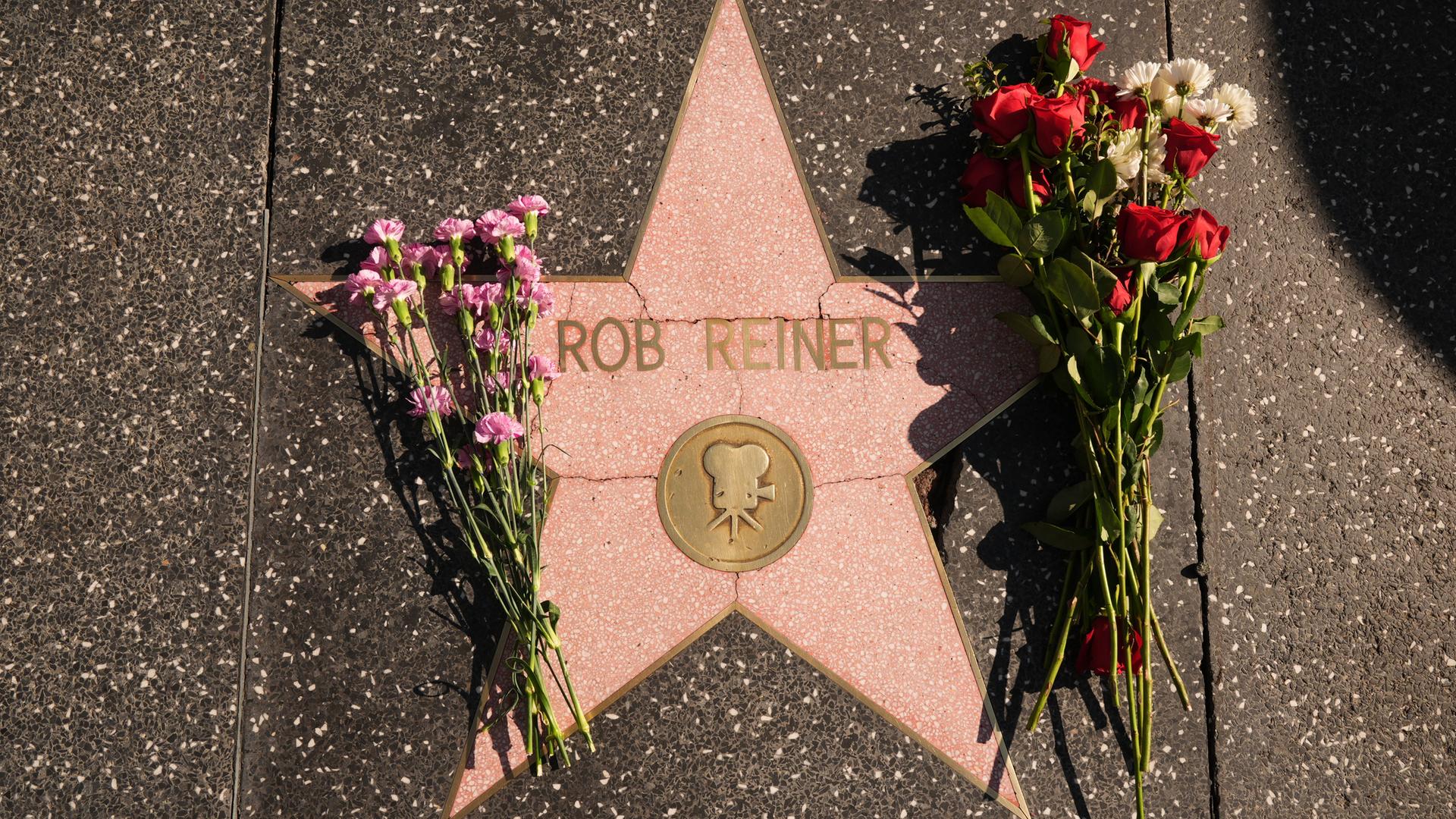
Rob Reiner’s Impact on Film and Television: A Legacy of Cultural Definition
Rob Reiner’s impact on film and television spans over five decades, revolutionizing television through social commentary in All in the Family and redefining multiple film genres during a legendary directorial streak. As a founder of Ca...
Rob Reiner’s impact on film and television spans over five decades, revolutionizing television through social commentary in All in the Family and redefining multiple film genres during a legendary directorial streak. As a founder of Castle Rock Entertainment, he shaped the industry’s production landscape while cementing his status as a master of character-driven narrative.
Contents
The Television Foundation: Redefining Social Commentary
Before Rob Reiner became one of Hollywood’s most successful directors, he was a pivotal figure in the evolution of the American sitcom. As Michael "Meathead" Stivic on All in the Family (1971–1979), Reiner provided the ideological foil to Carroll O’Connor’s Archie Bunker. This role was more than just a comedic performance; it was a vessel for the generational and political tensions of the Vietnam War era.
Reiner’s contribution to television extended behind the scenes. Along with the show’s creator, Norman Lear, Reiner helped push the boundaries of what was permissible on network television. The show tackled racism, feminism, and social justice at a time when sitcoms were primarily escapist. By humanizing the "counter-culture" perspective, Reiner helped transition television from a medium of light entertainment into a platform for national dialogue. His work during this period established the "Meathead" archetype—the idealistic, often frustrated intellectual—which remains a staple in television writing to this day.
The Directorial "Golden Run" (1984–1992)
Rob Reiner’s most profound impact on film is arguably his unprecedented streak of critically and commercially successful films between 1984 and 1992. During this eight-year window, Reiner demonstrated a rare versatility, mastering and often reinventing various genres.
The Mockumentary: This Is Spinal Tap (1984)
With his directorial debut, This Is Spinal Tap, Reiner essentially codified the "mockumentary" genre. While pseudo-documentaries existed before, Reiner’s meticulous attention to detail—capturing the banality and absurdity of a fading rock band—created a new comedic language. The film’s influence is visible in nearly every modern mockumentary, from The Blair Witch Project to television hits like The Office and What We Do in the Shadows. The "turn it up to eleven" trope has become a permanent fixture in the English lexicon, illustrating the film's deep cultural penetration.
The Coming-of-Age Drama: Stand by Me (1986)
Adapting Stephen King’s novella The Body, Reiner proved he could handle sensitive, character-driven drama. Stand by Me moved away from the horror tropes typically associated with King’s work, focusing instead on the emotional landscape of childhood friendship. Reiner’s ability to elicit profound performances from young actors like River Phoenix and Wil Wheaton set a new standard for youth-oriented cinema, emphasizing psychological realism over sentimental fluff.
The Post-Modern Fairy Tale: The Princess Bride (1987)
Reiner’s adaptation of William Goldman’s novel is a masterclass in tone management. By blending sincere romance with meta-commentary and sharp wit, Reiner created a film that appealed to children and adults simultaneously. The Princess Bride challenged the traditional structure of fantasy films, proving that a movie could be both a genuine adventure and a parody of one. Decades later, it remains one of the most quoted films in history.
The Modern Romantic Comedy: When Harry Met Sally... (1989)
Collaborating with writer Nora Ephron, Reiner directed what many consider the definitive modern romantic comedy. When Harry Met Sally... moved the genre away from "slapstick" or "screwball" tropes toward observational, dialogue-heavy realism. By exploring the central question of whether men and women can be "just friends," Reiner and Ephron created a blueprint that nearly every subsequent rom-com has attempted to follow.
The Institutional Impact of Castle Rock Entertainment
In 1987, Reiner co-founded Castle Rock Entertainment (named after the fictional town in Stephen King’s stories). This move was significant because it allowed Reiner to exert creative control over his projects and support other filmmakers. Under Reiner’s leadership, Castle Rock became a powerhouse of high-quality mid-budget filmmaking, a category that has become increasingly rare in the modern blockbuster era.
Castle Rock was responsible for producing culture-shifting hits such as Seinfeld, The Shawshank Redemption, and City Slickers. Reiner’s philosophy at Castle Rock was "talent-first," providing a supportive environment for writers and directors to pursue projects that were character-focused rather than special-effects-driven. This institutional legacy ensured that Reiner’s influence reached far beyond the films he personally directed.
| Film/Project | Year | Genre | Primary Impact |
|---|---|---|---|
| All in the Family | 1971 | Sitcom | Established social commentary in mainstream TV. |
| This Is Spinal Tap | 1984 | Mockumentary | Codified the "mockumentary" comedic style. |
| Stand by Me | 1986 | Drama | Redefined coming-of-age storytelling. |
| The Princess Bride | 1987 | Fantasy | Blended satire with sincere genre storytelling. |
| When Harry Met Sally... | 1989 | Rom-Com | Established the blueprint for the modern rom-com. |
| Misery | 1990 | Thriller | Proved Reiner's range in suspense and horror. |
| A Few Good Men | 1992 | Legal Drama | Revived the prestige courtroom drama genre. |
Directorial Style: The "Invisible" Hand
Unlike contemporaries who are known for flashy cinematography or recurring visual motifs (like Quentin Tarantino or Wes Anderson), Rob Reiner’s directorial style is often described as "invisible." His primary impact lies in his devotion to the script and the performance.
Reiner’s films are characterized by clarity, pacing, and an uncanny ability to find the "human heart" of a scene. He is a "performance-first" director, likely stemming from his own background as an actor. Whether it was helping Kathy Bates win an Oscar for Misery or managing the high-tension ensemble of A Few Good Men, Reiner’s impact is felt in the authenticity of the acting. In 2026, as AI and CGI play larger roles in filmmaking, Reiner’s body of work remains a benchmark for the power of human-centric storytelling.
Beyond the Screen: Activism and Policy
Reiner’s impact is not limited to entertainment; he has utilized his platform for significant civic engagement. Most notably, he was a driving force behind First 5 California, a program funded by tobacco taxes dedicated to early childhood development. His role as the chair of the California Children and Families Commission showcased a transition from portraying social change on screen to implementing it in reality.
His involvement in the legal fight against Proposition 8 in California also highlights his impact on the legal and social landscape regarding LGBTQ+ rights. For Reiner, film and television were never just about commerce; they were tools for cultural evolution.
Frequently Asked Questions
Which film is considered Rob Reiner's most influential?
While When Harry Met Sally... and The Princess Bride are incredibly popular, This Is Spinal Tap is often cited by critics and filmmakers as his most influential. It fundamentally changed how comedy is filmed, introducing the "handheld" documentary aesthetic to scripted humor, which paved the way for the "dry" comedy styles seen in the 21st century.
Did Rob Reiner win any Oscars for his directing?
Surprisingly, despite his legendary run, Rob Reiner has never won an Academy Award for Best Director. He was nominated for Best Picture for A Few Good Men, but his impact is measured more by the enduring legacy of his films and the numerous awards won by his actors and writers (such as Kathy Bates for Misery).
How did Rob Reiner influence the career of Stephen King?
Reiner is arguably the most successful director at translating King’s non-horror works to the screen. By directing Stand by Me and Misery, and producing The Shawshank Redemption and The Green Mile through Castle Rock, Reiner helped the public see Stephen King as a master of human drama, not just a "horror novelist."
Is Rob Reiner still active in the film industry in 2026?
As of 2026, Reiner remains a respected elder statesman of Hollywood. While he directs less frequently than in his 1980s prime, he continues to produce projects and advocate for the preservation of the theatrical experience. He also remains an active voice in political documentary and commentary.
What is the "Reiner Streak"?
Film historians often refer to the period from 1984 (Spinal Tap) to 1992 (A Few Good Men) as one of the greatest directorial streaks in history. During this time, Reiner released seven consecutive films that are almost all considered classics in their respective genres, a feat of consistency rarely matched in Hollywood.
Practical Recommendation for Film Students and Creators
To truly understand Rob Reiner’s impact, one should study his approach to ensemble chemistry. Watch the "diner scene" in When Harry Met Sally... or the "courtroom climax" in A Few Good Men. Pay attention not to the camera moves, but to the timing of the edits and the relationship between the actors. Reiner’s career teaches that while technology changes, a well-told story centered on relatable human conflict is timeless. For those looking to enter the industry, Reiner's work serves as the ultimate primer on genre-hopping while maintaining a consistent standard of excellence.
Image Gallery