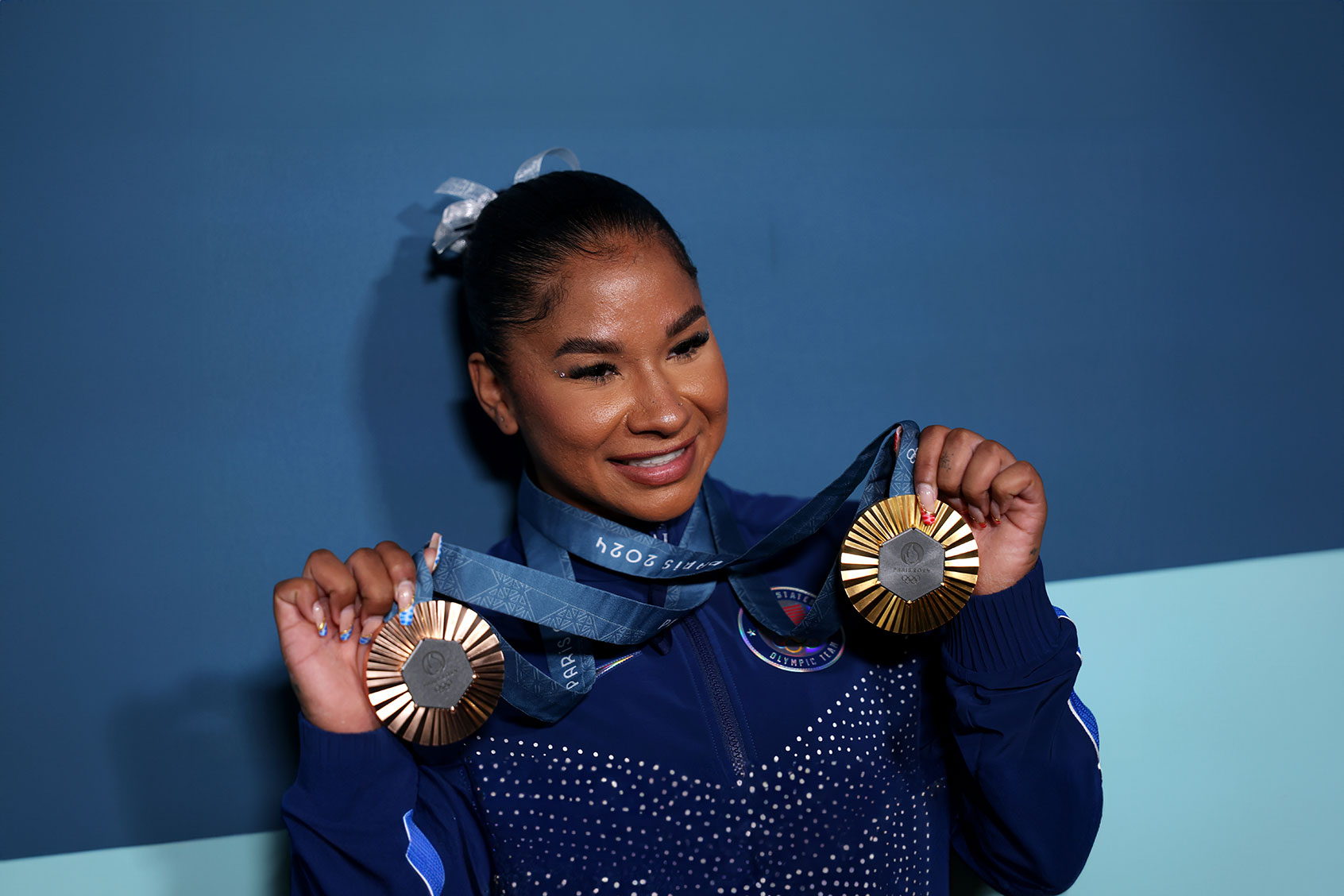
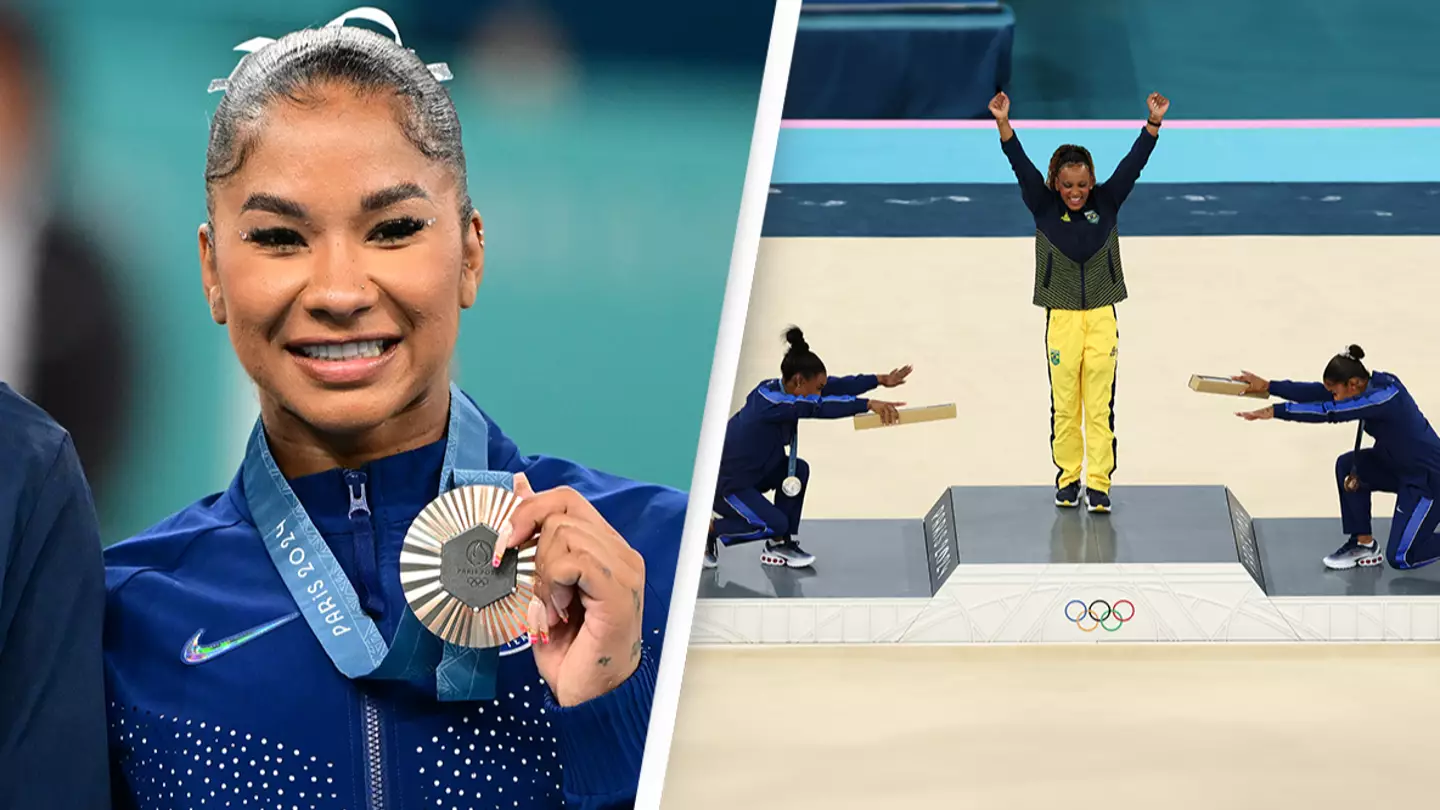
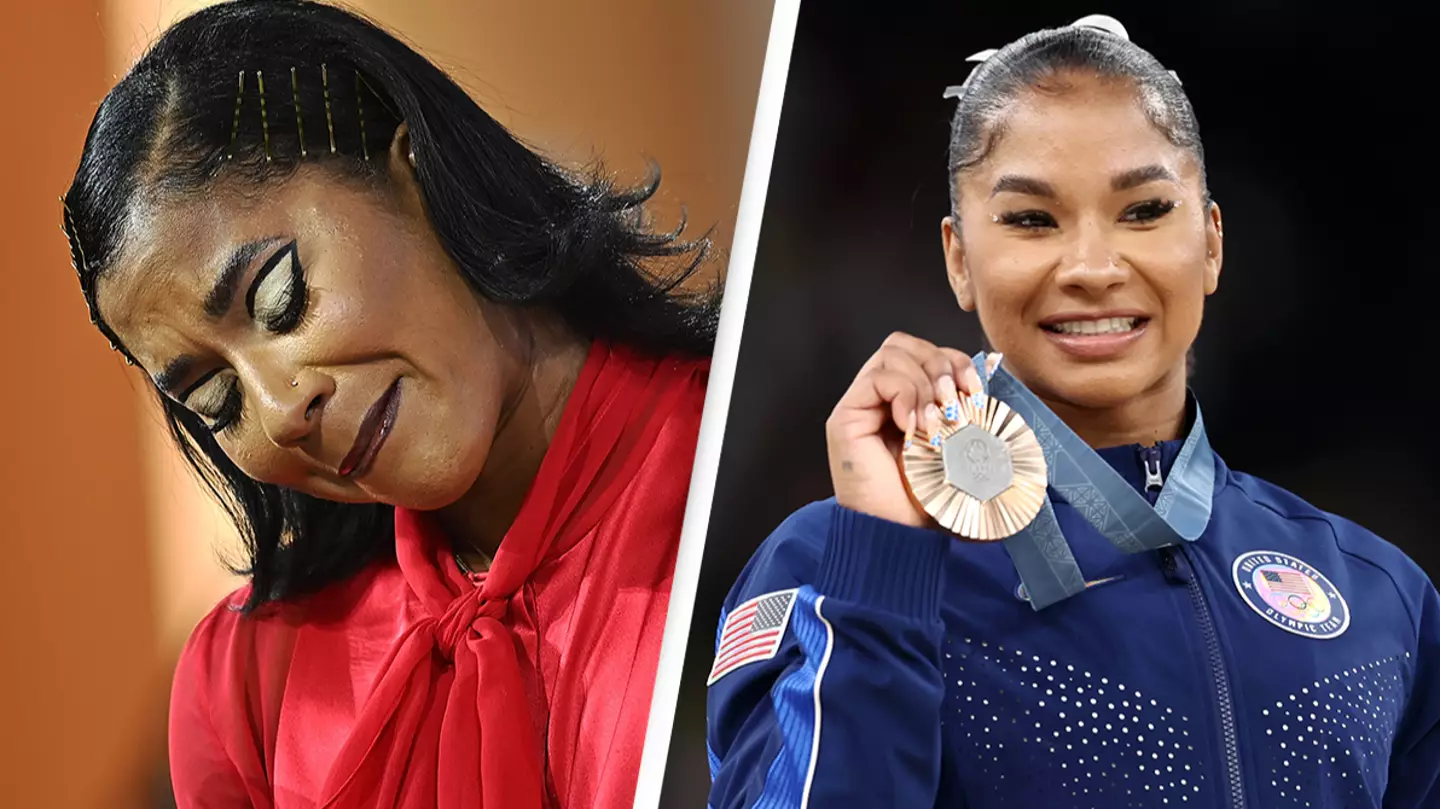
Jordan Chiles Gold Medal Taken Away: What Sparked the Decision?
The decision to strip American gymnast Jordan Chiles of her bronze medal from the Paris 2024 Olympic floor exercise final—frequently mislabeled in public discourse as a gold medal—was sparked by a ruling from the Court of Arbitration f...
The decision to strip American gymnast Jordan Chiles of her bronze medal from the Paris 2024 Olympic floor exercise final—frequently mislabeled in public discourse as a gold medal—was sparked by a ruling from the Court of Arbitration for Sport (CAS). The court determined that the inquiry into Chiles’ score was submitted 64 seconds after her score was posted, exceeding the one-minute regulatory deadline by four seconds.
Contents
Looking back from 2026, the Jordan Chiles case remains one of the most significant procedural controversies in the history of international gymnastics. While Chiles and her teammates secured the team gold medal earlier in the 2024 Games, the individual controversy specifically concerned the floor exercise bronze. The fallout from this decision redefined how the International Gymnastics Federation (FIG) manages digital time-stamping and how the Court of Arbitration for Sport (CAS) adjudicates "field of play" decisions.
The Sequence of Events: The Four-Second Margin
To understand what sparked the decision, one must look at the precise timeline of the women’s floor exercise final on August 5, 2024. Jordan Chiles was the final competitor of the event. When her initial score of 13.666 was posted, she was in fifth place, behind Romanian gymnasts Ana Bărbosu and Sabrina Maneca-Voinea, who both held scores of 13.700.
Chiles’ coach, Cecile Landi, immediately submitted an inquiry regarding Chiles’ Difficulty Value (DV). Specifically, the inquiry challenged the judges’ decision not to credit a "Gogean" leap, which involves a split leap with a 1.5-turn. The judges accepted the inquiry, increased Chiles’ difficulty score by 0.1, and raised her total score to 13.766. This jump moved Chiles from fifth place into the bronze medal position, displacing Ana Bărbosu.
However, the Romanian Gymnastics Federation filed an appeal with CAS, arguing that the U.S. inquiry was submitted after the one-minute limit allowed by FIG regulations. Article 8.5 of the FIG Technical Regulations states that for the final gymnast in a rotation, an inquiry must be made within one minute of the score appearing on the scoreboard. CAS reviewed the official log and determined the inquiry was made at one minute and four seconds.
The CAS Ruling: Procedural Rigor vs. Athletic Achievement
The "spark" for the medal reallocation was not a judgment on Chiles’ performance, but a strict adherence to procedural timing. The CAS Ad Hoc Division ruled that because the inquiry was submitted past the 60-second deadline, the inquiry should have been rejected by the judges in the first place.
When CAS voided the inquiry, Chiles' score reverted to her original 13.666. This restoration of the initial standings meant that Ana Bărbosu returned to third place. Following the CAS ruling, the International Olympic Committee (IOC) officially reallocated the bronze medal to Bărbosu.
Why the Evidence From USA Gymnastics Was Rejected
In the days following the initial ruling, USA Gymnastics (USAG) claimed to have discovered time-stamped video evidence showing that Coach Landi first approached the inquiry table at 47 seconds and again at 55 seconds. Despite this, CAS refused to reopen the case, stating that their rules do not allow for a finalized award to be reconsidered even if new evidence is presented, unless all parties agree or there are extraordinary circumstances. This refusal sparked a multi-year legal battle that lasted well into 2025, centering on whether "procedural truth" should outweigh "video evidence."
FIG Regulations and the "Field of Play" Doctrine
The decision was further complicated by the "field of play" doctrine. Generally, CAS does not overturn the decisions of officials (like whether a leap was completed correctly) unless there is evidence of bad faith or a total breakdown of the rules. In this instance, CAS did not rule on whether Chiles deserved the points for her Gogean leap; they only ruled on whether the request to review those points was legal.
The technicality sparked a massive overhaul of gymnastics officiating. By 2026, the FIG implemented synchronized digital clocks visible to both coaches and the public to prevent "stopwatch disputes."
| Event Component | Original Score | After Inquiry | Final CAS Decision |
|---|---|---|---|
| Difficulty (D) | 5.800 | 5.900 | 5.800 |
| Execution (E) | 7.866 | 7.866 | 7.866 |
| Total Score | 13.666 | 13.766 | 13.666 |
| Final Ranking | 5th Place | 3rd Place (Bronze) | 5th Place |
The Impact on the Athletes and the Sport
The decision to take the medal away had profound emotional and professional consequences for Jordan Chiles. While she maintained her team gold medal from the same Games, the loss of the individual bronze was described by the U.S. Olympic and Paralympic Committee (USOPC) as a failure of the system rather than the athlete.
For Ana Bărbosu, the decision provided a bittersweet resolution. While she was eventually awarded the bronze medal in a ceremony in Bucharest, the public nature of the dispute and the online harassment faced by all three gymnasts—Chiles, Bărbosu, and Maneca-Voinea—highlighted the dangers of procedural errors in high-stakes judging.
The Role of the IOC
The IOC's role in "sparking" the finality of the decision came when they moved quickly to demand the return of the physical medal. Unlike some past Olympic controversies where dual medals were awarded (such as the 2002 Figure Skating scandal), the IOC and FIG maintained that the rankings must be singular and based strictly on the CAS ruling. This rigidity was criticized by many who argued that the athletes should not be punished for a clerical error by officials who accepted a late inquiry.
Legal Precedents and the 2026 Perspective
In 2026, the Chiles case is cited in sports law textbooks as a primary example of the "Finality of Competition." It serves as a warning that in the modern Olympic era, the digital clock is just as important as the physical performance.
The legal teams for Chiles and USAG continued to pursue the matter in the Swiss Federal Tribunal, which is the only body with the power to overrule CAS. These proceedings focused on the alleged conflict of interest involving the CAS panel head, but the fundamental "spark"—the four-second delay—remained the central pivot of the entire saga.
Frequently Asked Questions
Did Jordan Chiles lose her team gold medal?
No, Jordan Chiles did not lose her team gold medal. The controversy was strictly related to the individual floor exercise bronze medal. The "gold medal" confusion often stems from her status as a member of the gold-medal-winning "Golden Girls" U.S. team in the Paris 2024 team final.
What exactly was the "inquiry" that caused the problem?
An inquiry is a formal protest filed by a coach during a competition to challenge the Difficulty (D) score of a routine. In this case, Chiles' coach challenged the judges' decision to downgrade a Gogean leap. The judges initially agreed they had made a mistake and increased her score, but the timing of this protest was the basis for the CAS reversal.
Why didn't they just give out two bronze medals?
The Romanian Gymnastics Federation actually proposed awarding three bronze medals (to Chiles, Bărbosu, and Maneca-Voinea) to settle the dispute fairly. However, the FIG and the IOC rejected this proposal, stating that the rankings must follow the corrected results precisely to maintain the integrity of the competition rules.
How did the video evidence show 47 seconds instead of 64?
USA Gymnastics provided footage from a documentary crew that showed Coach Landi speaking to the inquiry table twice before the 60-second mark. CAS, however, maintained that the "official" log was the only record that mattered, and they were unable to verify the synchronization of the documentary footage with the official competition clock.
What has changed in gymnastics since this decision?
Since the 2024 controversy, the FIG has introduced "Visual Inquiry Clocks" in all major international competitions. These clocks show exactly how much time a coach has left to submit a protest, making it impossible for an inquiry to be accepted by the judges if the time has expired.
Summary of Next Actions for Observers
For those following the long-term legal outcomes of this case in 2026, the next steps involve monitoring the Swiss Federal Tribunal’s rulings on procedural fairness in sports arbitration. While the physical bronze medal remains with Ana Bărbosu, the case continues to influence how the International Olympic Committee and CAS handle timing disputes. Athletes and coaches are now trained more rigorously on the "60-second rule," and many federations have hired dedicated "timing officials" to ensure inquiries are logged instantly.
Image Gallery