SOTR Casting Process and Industry Considerations: A 2026 Technical Guide
The SOTR (Systematic Optimization of Thermal Regulation) casting process is a data-driven methodology used in high-pressure die casting (HPDC) and gravity casting to manage mold temperature gradients. By integrating real-time sensor da...
The SOTR (Systematic Optimization of Thermal Regulation) casting process is a data-driven methodology used in high-pressure die casting (HPDC) and gravity casting to manage mold temperature gradients. By integrating real-time sensor data with conformal cooling circuits, SOTR minimizes thermal fatigue, reduces cycle times, and ensures the structural integrity of complex alloys.
Contents
Understanding SOTR in Modern Foundry Operations
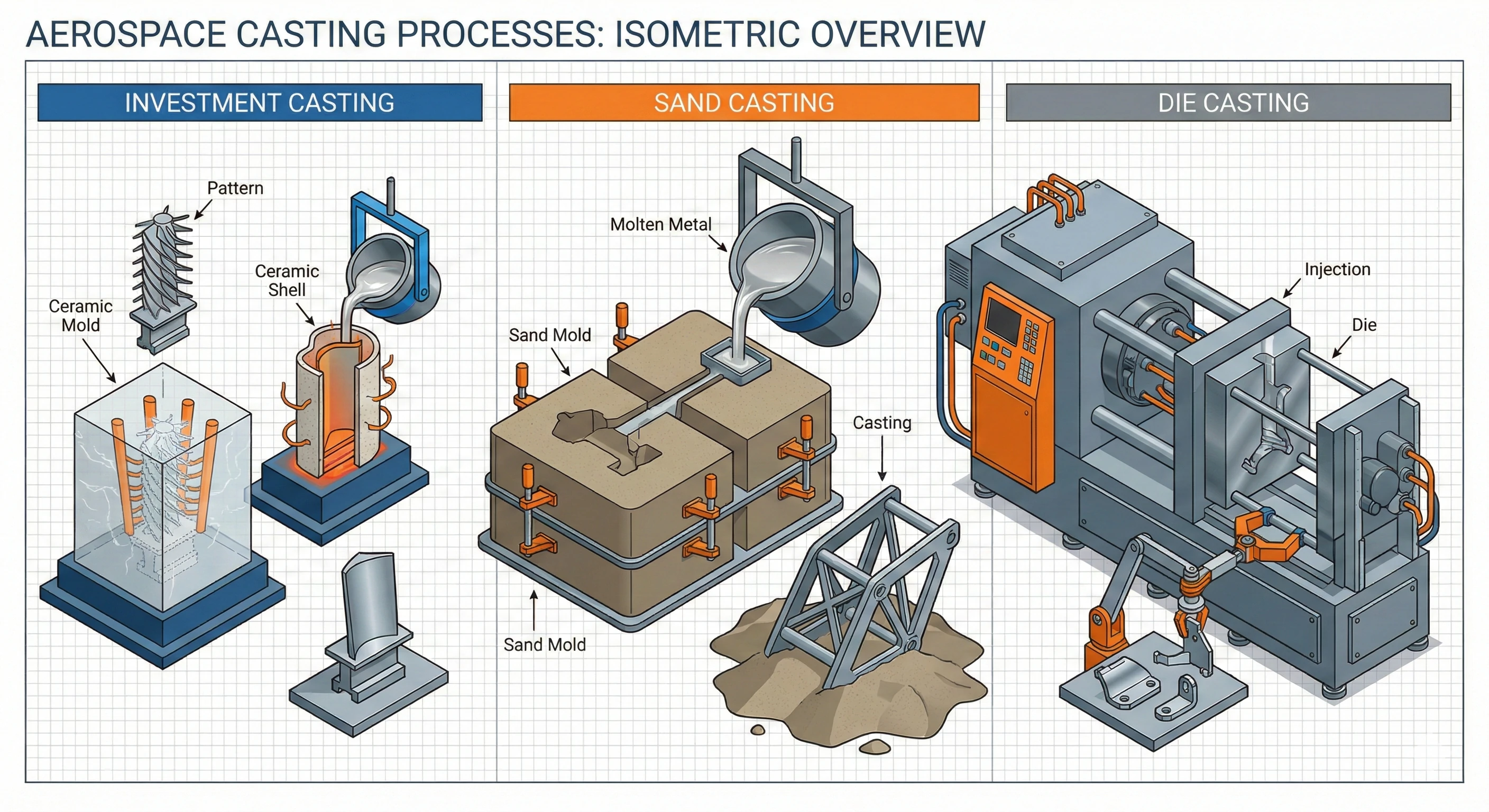
In the industrial landscape of 2026, the SOTR casting process has moved from a niche optimization strategy to an essential standard for high-volume manufacturing. Traditionally, casting facilities relied on passive cooling or manual adjustments to thermal regulators. However, as the demand for larger, more complex components—such as electric vehicle (EV) battery housings and aerospace structural nodes—has increased, the margin for thermal error has vanished.
SOTR stands for Systematic Optimization of Thermal Regulation. It is not a single piece of equipment but a comprehensive framework that synchronizes the thermal energy of the molten metal with the heat dissipation capacity of the die. The primary goal is to achieve a "steady-state" thermal equilibrium as quickly as possible and maintain it throughout the production run. This prevents common defects such as cold shuts, gas porosity, and hot tears, which are often the result of uneven solidification.
In 2026, industry considerations for SOTR are heavily influenced by the "Foundry 4.0" movement. This involves the use of Digital Twins and AI-driven predictive maintenance. Facilities that implement SOTR are seeing a significant reduction in scrap rates and a marked increase in the lifespan of expensive tool steel dies, which are frequently subjected to extreme thermal shock during the casting cycle.
The Core Phases of the SOTR Casting Process
The implementation of an SOTR-compliant casting process requires a shift from "experience-based" casting to "simulation-verified" casting. This transition occurs across four distinct technical phases, each critical to the overall success of the thermal management strategy.
1. Thermal Mapping and Predictive Simulation
Before any metal is poured, engineers utilize Computational Fluid Dynamics (CFD) and Finite Element Analysis (FEA) to create a high-fidelity thermal map of the die. In 2026, software packages like Magma5 or Flow-3D include dedicated SOTR modules that simulate thousands of cycles to identify "hot spots" and "cold zones." This predictive phase allows for the adjustment of the gate design and overflows to ensure that the thermal load is distributed as evenly as possible across the die face.
2. Design and Integration of Conformal Cooling
The hallmark of the SOTR process is the move away from straight-line drilled cooling channels to conformal cooling. Using additive manufacturing (3D printing) for die inserts, cooling channels can now follow the complex geometry of the part itself. This places the cooling medium (typically pressurized water or specialized oils) at an equidistant point from the cavity surface, regardless of the part's contour. SOTR protocols dictate the exact flow rates and pressures required to extract heat at the precise moment of solidification.
3. Sensor Deployment and Data Acquisition
To be "systematic," the process requires real-time feedback. SOTR casting cells are equipped with arrays of embedded thermocouples and external infrared (IR) cameras. These sensors monitor the die surface temperature and the temperature of the cooling medium at both the inlet and outlet. In 2026, these sensors are often integrated via IO-Link or similar industrial protocols to a centralized PLC (Programmable Logic Controller) that adjusts the thermal regulators on the fly.
4. Real-Time Thermal Control Loops
The final phase is the execution of the control loop. If a sensor detects that a specific area of the die is exceeding the optimal temperature range (often referred to as the "SOTR Window"), the system automatically increases the flow of the cooling medium or adjusts the cycle time. This prevents the die from entering a "runaway" thermal state, which is the leading cause of soldering—where the aluminum or magnesium alloy physically bonds to the tool steel.
Key Industry Considerations and Market Drivers
When adopting the SOTR casting process, several industry-wide factors must be weighed. These considerations range from the metallurgical properties of new alloys to the stringent ESG (Environmental, Social, and Governance) targets of 2026.
Material Integrity and Thin-Wall Castings
The push for lightweighting in the automotive and defense sectors has led to the development of ultra-thin-wall castings. These parts are highly sensitive to thermal fluctuations. If the die is too cold, the metal freezes prematurely; if it is too hot, the part lacks the necessary grain structure for structural strength. SOTR provides the precision required to cast walls as thin as 1.5mm while maintaining the Dendrite Arm Spacing (DAS) necessary for high ductility and tensile strength.
Energy Efficiency and ESG Compliance
Foundries are under immense pressure to reduce their carbon footprint. Traditional casting methods often involve "over-cooling" the die and then using high-energy heaters to bring it back to temperature. SOTR optimizes the energy exchange, using the heat from the molten metal itself to maintain die temperature where possible. By 2026, many SOTR systems are integrated with heat recovery units that repurpose the thermal energy extracted from the cooling loops to provide facility heating or pre-heat the ingots, significantly lowering the total energy intensity per kilogram of cast metal.
The Rise of "Gigacasting"
The trend toward "Gigacasting"—the production of massive, single-piece vehicle underbodies—has made SOTR mandatory. A die for a gigapress can weigh over 100 tons. Managing the thermal expansion and contraction of such a large mass is impossible without a systematic approach. Industry leaders are now requiring SOTR certification for Tier 1 suppliers to ensure that these massive components do not suffer from latent stresses that could lead to structural failure in the field.
Comparative Analysis: Traditional vs. SOTR Casting
The following table outlines the material differences between traditional thermal management and the SOTR-optimized process based on 2026 industry benchmarks.
| Feature | Traditional Casting | SOTR-Optimized Casting |
|---|---|---|
| Cooling Method | Straight-line drilled channels | Additively manufactured conformal cooling |
| Temperature Control | Passive/Manual monitoring | Real-time active feedback loops |
| Scrap Rate (Avg) | 8% – 12% | 2% – 4% |
| Die Life Expectancy | 60,000 – 80,000 shots | 110,000 – 130,000 shots |
| Cycle Time Stability | High variance (starts/stops) | Consistent (±0.5 seconds) |
| Initial Tooling Cost | Moderate | High (due to 3D printed inserts) |
| Energy Consumption | High (constant heating/cooling) | Optimized (proportional to thermal load) |
| Defect Profile | Porosity and Soldering common | Minimized via uniform solidification |
Technical Challenges and Implementation Hurdles
Despite the clear benefits, transitioning to an SOTR casting process is not without difficulties. The primary hurdle is the capital expenditure (CAPEX) required for advanced tooling and sensor integration. 3D-printed tool steel inserts are significantly more expensive than standard machined blocks, though the ROI is typically realized within the first 18 months through reduced scrap and longer die life.
Furthermore, there is a significant skills gap in the industry. Operating an SOTR system requires a workforce that is comfortable with data analytics and simulation software. In 2026, many foundries are partnering with technical universities to create "Casting Data Scientist" roles—individuals who can interpret the thermal streams and optimize the algorithmic responses of the casting cell.
Maintenance protocols also change under SOTR. Conformal cooling channels, being more complex and narrower than traditional channels, are prone to scaling and blockages. This necessitates the use of high-purity water filtration systems and regular chemical descaling to ensure that the "thermal regulation" remains "systematic" and effective.
Frequently Asked Questions
What is the typical ROI timeframe for an SOTR retrofit?
For most medium-to-high volume foundries, the Return on Investment (ROI) for an SOTR retrofit occurs between 14 and 22 months. The primary drivers for this ROI are the 15-25% reduction in cycle time and the significant decrease in "hidden costs" associated with die maintenance and unplanned downtime due to thermal cracking.
Can SOTR be applied to sand casting?
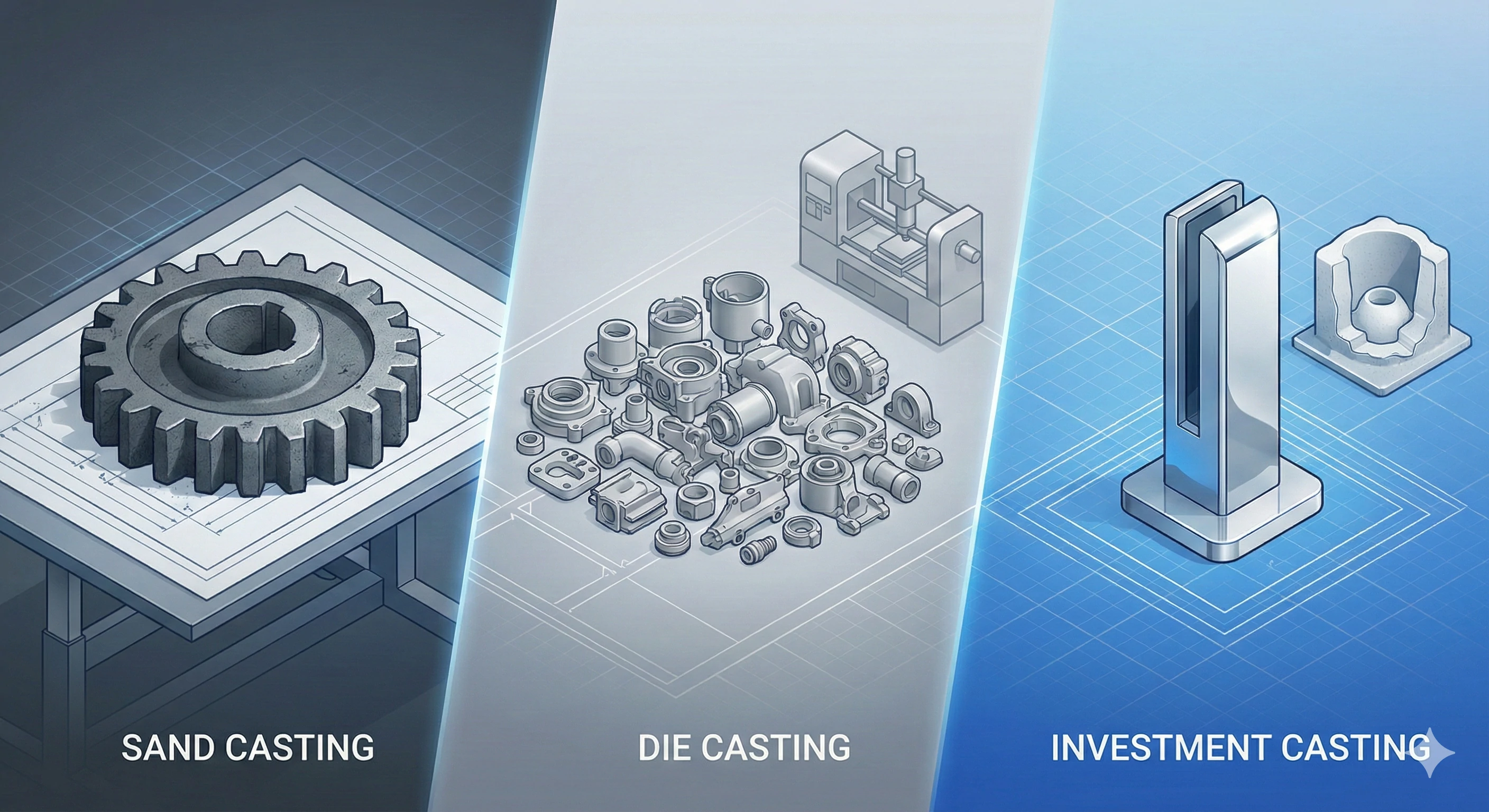
While most commonly associated with die casting, SOTR principles are increasingly applied to sand casting through the use of chills and automated cooling pins. By systematically placing these elements based on thermal simulations, sand foundries can control the solidification direction, which is critical for large, heavy-section castings in the energy sector.
How does SOTR impact the surface finish of the cast part?
SOTR significantly improves surface finish by maintaining a consistent die-release agent film. When die temperatures fluctuate, the release agent can bake on (if too hot) or fail to bond (if too cold). SOTR ensures the die surface remains in the "sweet spot," leading to a smoother, "as-cast" finish that reduces the need for secondary machining or polishing.
What software is required for SOTR compliance?
Compliance typically requires a suite of tools: a CFD/solidification simulator (e.g., MAGMASOFT), an IoT data platform for real-time monitoring (e.g., Siemens MindSphere or a proprietary foundry cloud), and an AI-driven optimization engine that can correlate the two. Most 2026 systems are now "vendor-agnostic," allowing different hardware to communicate via the MTConnect or OPC UA standards.
Practical Recommendation for 2026 Operations
For foundries looking to remain competitive in 2026, the adoption of the SOTR casting process should be approached as a tiered rollout. Start by implementing thermal simulation and mapping on existing high-scrap parts to identify immediate cooling deficiencies. Gradually move toward conformal cooling inserts during the next tool replacement cycle. Finally, integrate the active control loops and sensors once the physical thermal infrastructure is optimized. This phased approach manages the CAPEX burden while allowing the workforce to adapt to the data-centric nature of modern thermal regulation.
Image Gallery