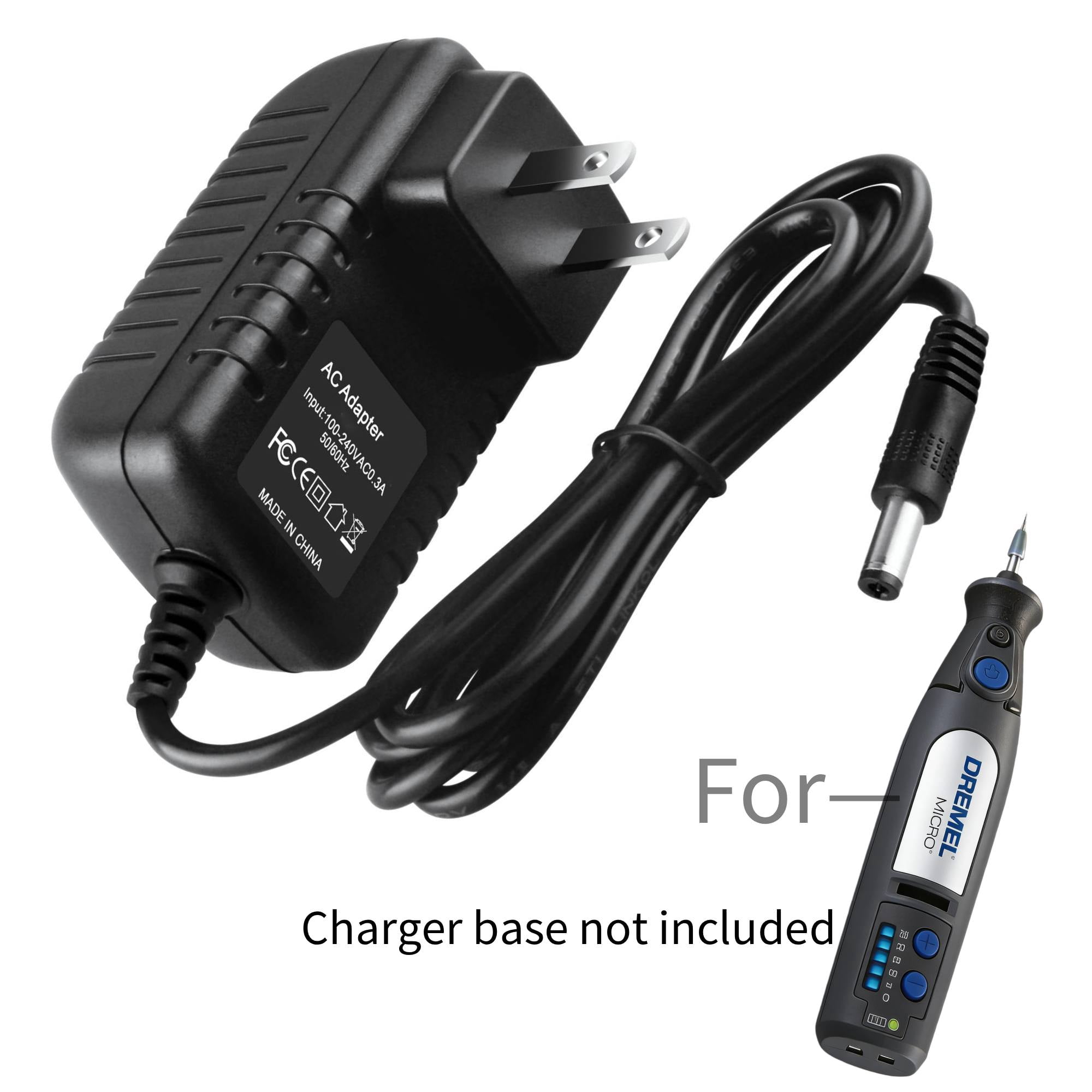
Dremel 8050 N 18 Micro Rotary Tool in Focus: Comprehensive Evaluation and Performance Guide
The Dremel 8050 N 18 Micro Rotary Tool stands out as a compact, lithium-ion powered multi-tool tailored for intricate crafting, detailed woodworking, glass etching, and precision hobbyist tasks. Designed to bridge the gap between heavy...
The Dremel 8050 N 18 Micro Rotary Tool stands out as a compact, lithium-ion powered multi-tool tailored for intricate crafting, detailed woodworking, glass etching, and precision hobbyist tasks. Designed to bridge the gap between heavy-duty rotary tools and delicate hand-held engravers, this model combines a slim ergonomic profile with variable speed control and an integrated LED work light to maximize accuracy in tight workspaces.
Contents
Understanding the Dremel 8050 N 18 Micro Rotary Tool
The Dremel 8050 N 18 is part of the brand's specialized lineup engineered for applications requiring high dexterity and low vibration. Unlike bulkier corded models or large-format cordless alternatives, the Micro 8050 is built specifically to be held like a precision pen or a surgical instrument. This design philosophy directly addresses the needs of users working on scale models, fine jewelry, intricate circuit board modifications, and detailed carving projects where hand fatigue and obstructed lines of sight hinder precision.
Evaluating this tool requires examining its core specifications, mechanical design, power delivery, and intended use cases. Rather than functioning as a high-torque demolition tool for heavy metal cutting or concrete grinding, the 8050 excels at light material removal, polishing, smoothing, and clean detailing. Understanding these operational boundaries is essential for determining whether this specific micro rotary tool aligns with your project requirements.
Core Technical Specifications and Design Architecture
At the heart of the Dremel 8050 N 18 is an 8-volt rechargeable lithium-ion battery system. Lithium-ion technology ensures that the tool maintains consistent power delivery throughout its discharge cycle and suffers from negligible self-discharge when stored between projects. The compact battery pack is housed directly within the balanced chassis, eliminating the need for bulky external battery pods or dangling power cords.
Speed Range and Motor Control
The tool features variable speed control, ranging from 5,000 to 28,000 RPM. This broad spectrum allows users to match the rotational velocity to the specific material and accessory being used. Lower speeds (5,000 to 10,000 RPM) are ideal for polishing plastics, cleaning delicate surfaces, and preventing heat buildup on sensitive substrates. Higher speeds (20,000 to 28,000 RPM) provide the clean, rapid material removal necessary for carving hard woods, engraving glass, and cutting small non-ferrous metal components.
Ergonomics and Weight Distribution
Weighing approximately 9 ounces, the Dremel 8050 minimizes wrist strain during extended crafting sessions. The housing features a soft-grip contour that encourages a natural grip close to the working tip, enhancing control. Furthermore, the integrated LED work light—positioned just below the collet—illuminates the workpiece directly, casting away shadows thrown by the user's hands or the tool body itself.
Key Features and Included Accessories (N-18 Kit Configuration)
The "N-18" designation denotes a specific kit bundle that pairs the tool with a selection of accessories and a dedicated docking station. Reviewing the contents and capabilities of this package provides a clear picture of its out-of-the-box utility.
| Feature / Component | Specification / Functionality |
|---|---|
| Battery System | 8V Max Lithium-Ion (integrated rechargeable) |
| Rotational Speed | 5,000 – 28,000 RPM (Variable speed) |
| Weight | ~9 ounces (0.56 lbs) |
| Illumination | Integrated LED nose-cap light |
| Charging Solution | Docking station / charging base (recharges in ~3 hours) |
| Included Accessories | 18 genuine Dremel bits, mandrels, and polishing wheels |
The Docking Station Advantage
One of the standout elements of the Dremel 8050 kit is its compact docking station. Rather than plugging a loose charging cable directly into a tiny port on the tool, users place the rotary tool into its upright charging base. This dock can be mounted to a workbench or left resting flat, providing a stable, organized storage location where the tool remains continuously charged and ready for use.
Accessory Ecosystem
The 18 included accessories cover a foundational range of tasks:
- Sanding and Grinding: Drum sanders and aluminum oxide grinding stones for shaping wood and deburring soft metals.
- Polishing: Felt polishing wheels paired with compounding agents for restoring luster to jewelry, chrome, and plastics.
- Cutting and Carving: High-speed cutters and reinforced cut-off wheels for trimming small fasteners, wire, or plastic sprues.
Practical Performance Across Common Application Segments
Evaluating real-world performance requires analyzing how the tool behaves under load across different hobbyist and professional domains.
Detailed Woodworking and Carving
When carving fine details into hardwoods like walnut or maple, the high-speed capability of the Dremel 8050 allows carbide cutters and high-speed steel engraving bits to slice cleanly through fibers. Because the tool is lightweight, intricate cross-hatching and texturing can be performed with minimal hand tremor. However, users must avoid applying excessive downward pressure; forcing the bit into the wood bogs down the micro motor and drains the battery prematurely.
Jewelry Making and Metal Polishing
Jewelers utilize micro rotary tools for cleaning castings, smoothing bezels, and applying high-gloss finishes to precious metals. The lower speed ranges of the 8050 prevent friction-induced overheating, which can warp delicate findings or burn through polishing compounds. The slim grip allows jewelers to maneuver around complex stone settings with absolute confidence.
Glass Etching and Model Building
For scale modelers, modifying resin parts, clearing flash from plastic kits, and drilling pilot holes in tight spaces are everyday tasks. The 8050 excels here due to its precision balance. In glass etching, diamond point bits paired with moderate speeds allow artists to draw freehand designs directly onto glassware without cracking the substrate.
Comparative Analysis: Dremel Micro 8050 vs. Standard Cordless Models
To understand where the Micro 8050 fits within the broader rotary tool landscape, it helps to compare its design philosophy against standard heavy-duty cordless models, such as the Dremel 8220.
| Feature | Dremel Micro 8050 | Dremel 8220 (Heavy-Duty Cordless) |
|---|---|---|
| Battery Voltage | 8V Max | 12V Max |
| Weight | Lightweight (~9 oz) | Heavier (~1.4 lbs) |
| Grip Style | Pen-style, slim profile | Bulkier, pistol-grip or barrel |
| Primary Focus | Intricate detail, light crafting | Heavy cutting, sanding, grinding |
| Power Plant | Integrated non-removable battery | Interchangeable removable pack |
The primary trade-off is raw power versus maneuverability. While the 8220 can accept larger cut-off wheels and power through thick steel bolts, it is heavier and can feel clumsy when performing delicate, multi-hour carving tasks. Conversely, the Micro 8050 prioritizes ergonomics and tactile feedback, making it superior for fine art, electronics repair, and miniature crafting, while stepping back from heavy structural demolition work.
Operational Limitations and Potential Drawbacks
Every specialized tool carries inherent limitations that potential buyers should consider before purchasing.
Battery Longevity and Non-Removable Design
Because the lithium-ion battery is sealed inside the handle, users cannot swap out a depleted battery for a freshly charged spare in the middle of a long project. When the 8050 runs out of power, it must be placed back into its charging dock for approximately three hours to achieve a full recharge. For hobbyists working in short, intermittent sessions, this is rarely an issue; however, continuous production environments may find this downtime restrictive.
Torque Constraints under Heavy Loads
The micro motor engineered into the 8050 cannot generate the high torque found in corded rotary tools or larger 12V/20V cordless equivalents. Pushing the tool too hard into dense materials like steel, stone, or thick acrylic will cause the motor to stall. Users must let the RPM do the work rather than relying on physical muscle.
Best Practices and Maintenance Guidelines
Maximizing the lifespan and performance of your Dremel 8050 N 18 requires adherence to proper operational and upkeep protocols.
- Collet Maintenance: Ensure that accessory shanks match the collet size (typically 1/8-inch) and that the shaft lock button is fully disengaged before powering on the unit.
- Battery Care: Avoid draining the lithium-ion battery completely to absolute zero on a regular basis. Return the tool to its docking station when not in use to keep it topped off.
- Ventilation Inspection: Keep the cooling vents around the motor housing clear of dust, wood shavings, and resin buildup to prevent thermal throttling.
- Accessory Inspection: Regularly inspect cut-off wheels and grinding stones for cracks or chips before spinning them up to 28,000 RPM.
Frequently Asked Questions
Can the Dremel 8050 N 18 use standard Dremel attachments and bits?
Yes, the Micro 8050 accepts standard 1/8-inch shank Dremel accessories, grinding stones, sanding drums, and polishing bits. However, large specialized attachments designed exclusively for heavy-duty rotary tools or routers may exceed the torque and clearance limits of the micro chassis.
How long does the battery last on a single charge?
Battery run time varies significantly based on the application workload. Light engraving, polishing, and delicate drilling at low speeds can yield continuous operation for over an hour. Heavy sanding or continuous high-speed cutting will deplete the battery more rapidly.
Is the battery user-replaceable when it eventually degrades?
No, the lithium-ion battery pack is integrated directly into the handle assembly and is not designed for user replacement. Standard battery maintenance—such as avoiding complete discharge cycles—will help ensure years of reliable service before degradation occurs.
Can this tool be used for heavy-duty metal cutting or tile grout removal?
While the 8050 can tackle light trimming of small screws, wire, or soft plastics, it is not engineered for heavy-duty metal cutting or continuous tile grout removal. For those demanding applications, a higher-voltage cordless or corded rotary tool is recommended.
Does the LED light require a separate switch to operate?
No, the integrated LED light automatically illuminates whenever the motor is turned on, casting a direct beam onto the work surface to eliminate hand shadows and improve visibility in dimly lit spaces.
Conclusion and Final Recommendation
The Dremel 8050 N 18 micro rotary tool represents an exceptional instrument for crafters, hobbyists, model builders, and detail-oriented artisans. By prioritizing a lightweight, pen-like ergonomic profile, variable speed control, and an integrated LED work light, it solves the fatigue and visibility issues common with bulkier multi-tools. While it is not built for heavy-duty construction demolition or high-torque industrial grinding, its performance in precision detailing, glass etching, jewelry work, and fine woodworking makes it a valuable addition to any detailed workshop. For users seeking absolute dexterity and clean, controlled material removal, the Micro 8050 delivers reliable, refined operation.
Image Gallery