Analyzing the Kurt Cobain Death Scene: Historical Investigation, Evidence, and Cultural Impact
The official investigation into the Kurt Cobain death scene concluded that the Nirvana frontman died by suicide from a self-inflicted shotgun wound at his Seattle home on April 5, 1994. Forensic evidence, police reports, and the King C...
The official investigation into the Kurt Cobain death scene concluded that the Nirvana frontman died by suicide from a self-inflicted shotgun wound at his Seattle home on April 5, 1994. Forensic evidence, police reports, and the King County Medical Examiner's findings established the manner of death, though the circumstances continue to draw public scrutiny and alternate theories.
Contents
Historical Context and the Discovery of the Scene
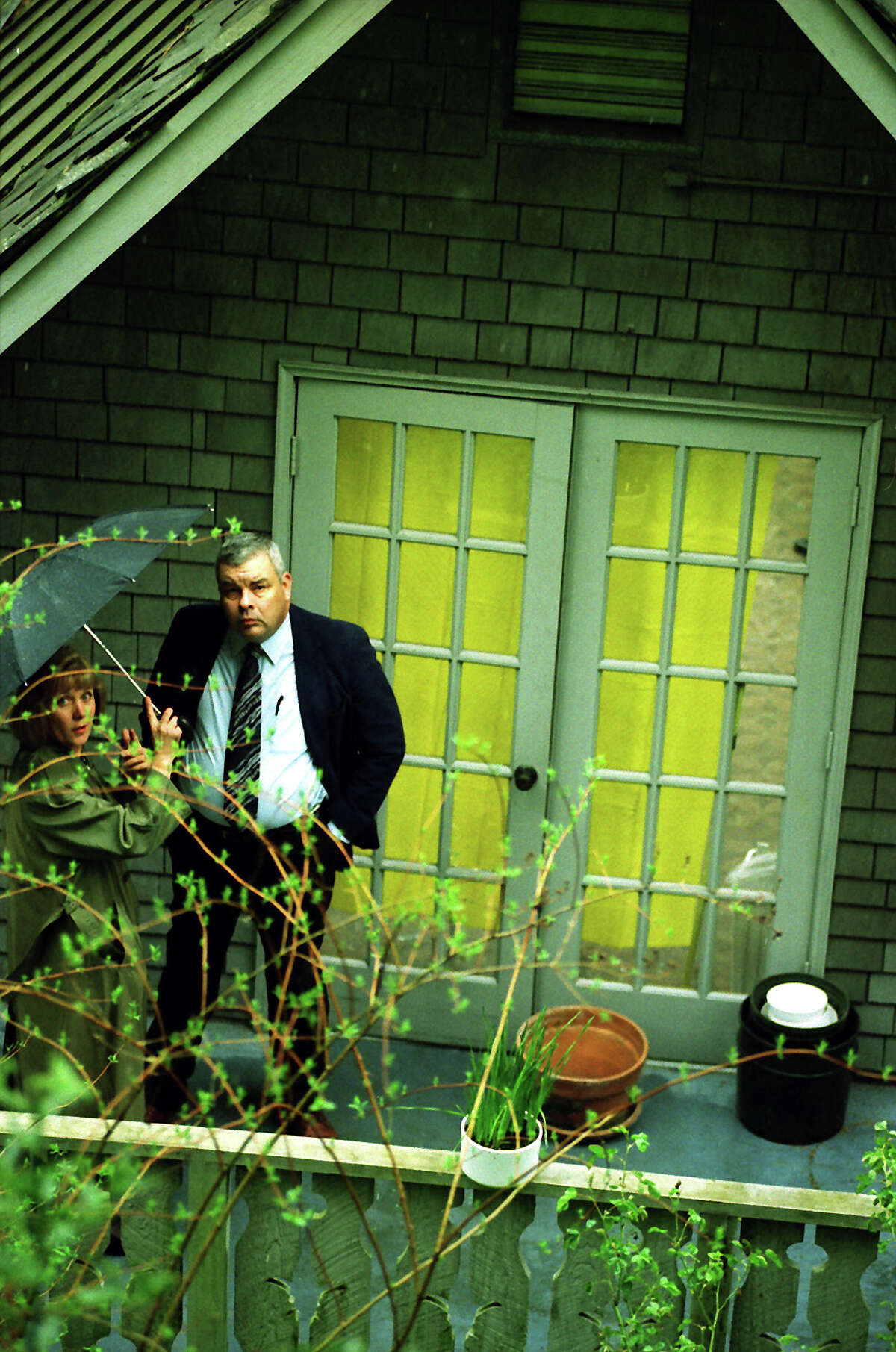
On the morning of April 8, 1994, an electrician named Gary Smith arrived at the residence on Lake Washington Boulevard in Seattle to install a security light. Upon discovering the body in the greenhouse above the garage, he contacted the Seattle Police Department (SPD). The subsequent investigation mapped out a precise physical layout that would become central to both official records and decades of independent analysis.
The discovery immediately triggered intense media scrutiny, transforming the property into a focal point for grieving fans and sensationalist reporting. Understanding the physical layout and the sequence of events requires examining the primary documentation preserved by law enforcement agencies.
Physical Evidence and Forensic Findings at the Lake Washington Residence
The King County Medical Examiner's report documented several key pieces of physical evidence recovered from the greenhouse room. The primary elements evaluated by forensic investigators included:
- The Firearm: A Remington Model 11 20-gauge shotgun, purchased legally by Cobain's friend Dylan Carlson, was recovered across the chest/arms area of the victim.
- The Suicide Note: A note written in red ink was found stuck in a flower pot on a table inside the room, addressed to Cobain's childhood imaginary friend, Boddah, and referencing his wife Courtney Love and daughter Frances Bean.
- Toxicology Reports: The autopsy confirmed the presence of a high concentration of heroin and detectable levels of diazepam in Cobain's bloodstream at the time of death.
- Personal Belongizations: Identification cards, smoking paraphernalia, and an open wallet were found nearby, undisturbed by forced entry or robbery.
Official Investigation Versus Alternative Theories
The Seattle Police Department classified the incident as a suicide based on the physical arrangement of the scene, the presence of the purchase receipt for the shotgun, and the explicit text of the suicide note. However, the definitive nature of the official ruling has faced challenges from private investigators, authors, and fans who point to perceived discrepancies in the investigative record.
| Investigation Element | Official Police Finding | Alternative Theories / Objections |
|---|---|---|
| Manner of Death | Suicide via shotgun wound | Homicide/conspiracy claims |
| Toxicology Levels | Incapacitating heroin dose present | Allegations of an immobilizing dose preventing self-administration |
| Fingerprint Recovery | Unreadable prints on the shotgun | Claims of suppressed or untested fingerprint evidence |
| Note Analysis | Handwritting identified as Cobain's | Claims that the bottom lines were added by a different hand |
Proponents of alternative theories, notably private investigator Tom Grant, have argued that the morphine concentration in Cobain's blood would have rendered him physically incapable of lifting and firing the weapon. Conversely, medical toxicologists and forensic pathologists have noted that high-tolerance users exhibit variable behavioral capacities, and the physical mechanics of pulling a trigger with a toe or a dowel rod remain consistent with ballistic findings.
Timeline of Events Surrounding April 5, 1994
Reconstructing the final days of Kurt Cobain involves piecing together statements from family, friends, medical personnel, and credit card records.
- March 30, 1994: Cobain checks into the Exodus Recovery Center rehabilitation facility in Los Angeles after an intervention staged by friends and family.
- April 1, 1994: Cobain scales a brick wall at the facility, takes a cab to the Los Angeles airport, and flies back to Seattle.
- April 2 to April 4, 1994: Cobain is sighted at various locations around Seattle, though family members and private investigators hired by Courtney Love are unaware of his whereabouts.
- April 5, 1994: Forensic estimations place the time of death on this date, based on rigor mortis progression and body temperature at discovery.
- April 8, 1994: Electrician Gary Smith discovers the body in the greenhouse.
- April 14, 1994: A public memorial service is held at Seattle Center, drawing thousands of mourners.
Cultural Impact and Mental Health Awareness in the Music Industry
The death of Kurt Cobain marked a profound turning point in modern rock history, signaling the commercial peak and subsequent fragmentation of the alternative rock and grunge movements. Beyond its musical legacy, the tragedy catalyzed vital public conversations regarding mental health, substance dependency, and the pressures of sudden celebrity within the entertainment industry.
Public discourse following the event shifted focus toward destigmatizing depression and addiction treatment. Numerous advocacy organizations and crisis intervention networks cite the incident as a reminder of the hidden struggles faced by public figures, leading to improved support structures within the contemporary music industry.
Frequently Asked Questions
What did the official investigation conclude about the Kurt Cobain death scene?
The official investigation by the Seattle Police Department and the King County Medical Examiner concluded that the death was a suicide resulting from a self-inflicted shotgun wound to the head. Investigators recovered a legally purchased firearm, a handwritten note, and personal items alongside the body.
Was a suicide note recovered at the scene?
Yes, a note written in red ink was found pinned to a flower pot on a table in the greenhouse. The text addressed Cobain's childhood imaginary friend, Boddah, and discussed his feelings regarding fame, music, and his family.
What substances were found in the toxicology report?
The toxicology report confirmed the presence of a high level of heroin and traces of diazepam in Cobain's system. Medical examiners noted that the concentration of narcotics was significant, prompting ongoing debates among independent researchers regarding physical incapacitation.
Who discovered the scene and when?
Electrician Gary Smith discovered the body on the morning of April 8, 1994, while arriving at the Lake Washington residence to install exterior security lighting. Police and medical personnel arrived shortly thereafter to secure the area and begin the forensic investigation.
Why do alternative theories about the death persist?
Alternative theories persist due to public skepticism regarding the high toxicity levels of heroin in the bloodstream, perceived ambiguities in the handwriting of the suicide note, and investigations conducted by private parties hired in the days following his disappearance. Despite these claims, law enforcement agencies have maintained their original classification.
Securing Support and Resources
Public fascination with historical investigations should always be balanced with an awareness of ongoing mental health needs. If you or someone you know is struggling with mental health, depression, or substance abuse, confidential support is available 24/7. In the United States, you can call or text 988 to reach the Suicide & Crisis Lifeline, or contact local emergency services for immediate assistance.
Image Gallery