Cyber Security Maturity Assessment for Modern Servers: A 2026 Strategic Guide
A cyber security maturity assessment for modern servers is a structured evaluation of an organization’s ability to protect, detect, and respond to threats across physical, virtual, and cloud-based server environments. It measures the e...
A cyber security maturity assessment for modern servers is a structured evaluation of an organization’s ability to protect, detect, and respond to threats across physical, virtual, and cloud-based server environments. It measures the effectiveness of security controls against established frameworks to identify gaps, prioritize risk mitigation, and align technical defenses with business objectives.
Contents
In 2026, the landscape of server management has shifted fundamentally. The traditional concept of a "server" as a physical box in a closet has been largely superseded by a mosaic of hyper-converged infrastructure (HCI), cloud-native instances, and ephemeral containers. Consequently, a maturity assessment is no longer a static checklist; it is a dynamic appraisal of an organization's resilience within a software-defined ecosystem. As threats become more sophisticated, driven by automated vulnerability discovery and AI-augmented exploits, understanding where your server security stands is the first step toward achieving operational stability.
Defining the Modern Server Environment
Before beginning an assessment, it is critical to define the scope of "modern servers." In the current 2026 environment, this includes several distinct categories that each require specific security considerations:
- Cloud-Native Instances: Virtual machines and "bare metal" instances provided by cloud service providers (CSPs) like AWS, Azure, and Google Cloud. Security here is a shared responsibility, focusing on configuration and identity.
- Containerized Hosts: Servers running orchestration platforms like Kubernetes. The security of the underlying node is as vital as the security of the containers it hosts.
- Edge Servers: Distributed hardware placed closer to data sources to reduce latency. These often lack the physical security of a centralized data center.
- Legacy-Hybrid Systems: Older on-premises systems that have been integrated into modern workflows, often acting as the "weakest link" if not properly isolated.
A maturity assessment must account for these variations. A "one-size-fits-all" approach will fail because the controls required for a stateless container host differ significantly from those required for a persistent database server.
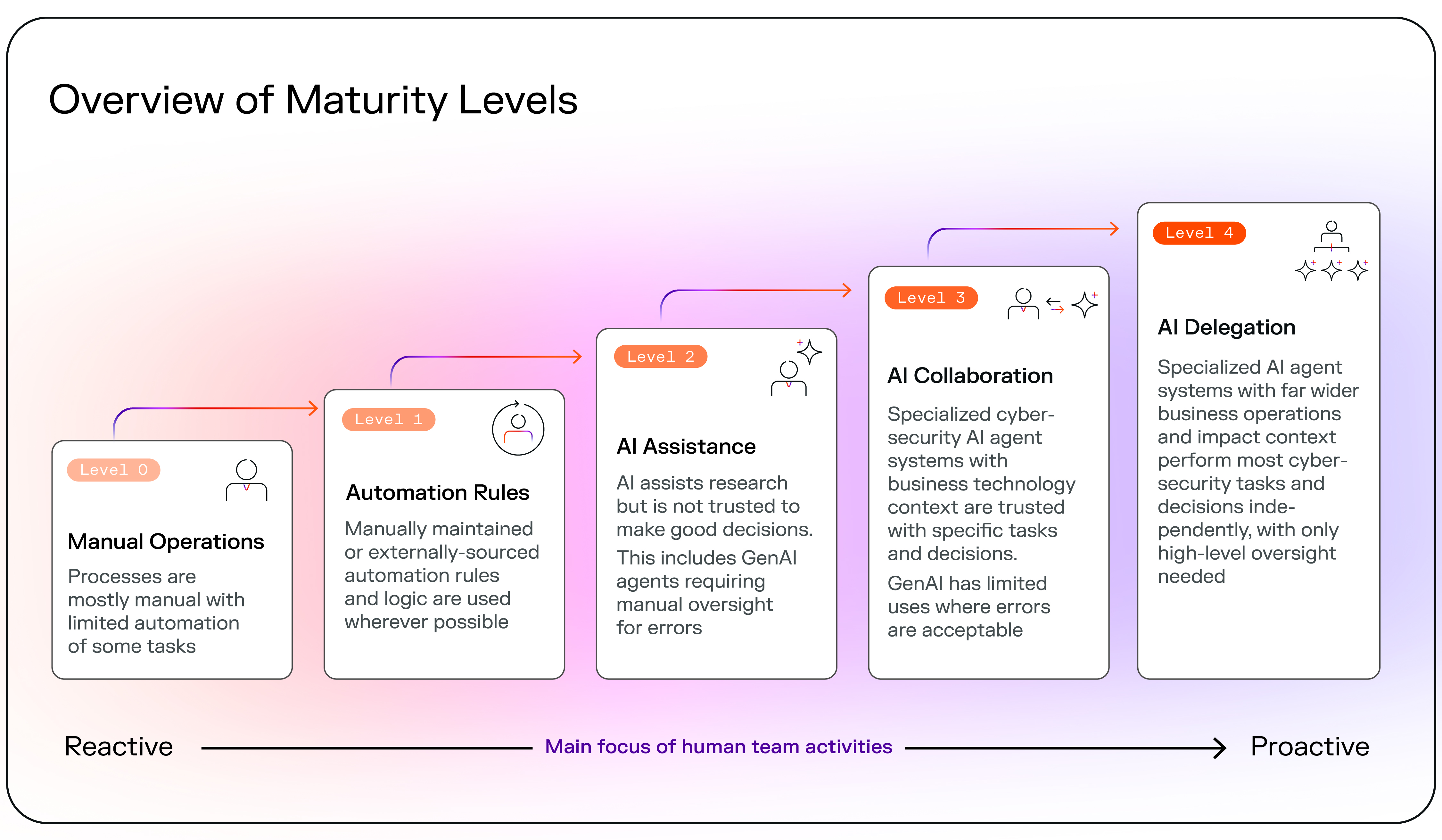
The Five Levels of Security Maturity
Most modern assessments utilize a scale inspired by the Capability Maturity Model Integration (CMMI) or the NIST Cybersecurity Framework (CSF) 2.0. Understanding these levels allows organizations to set realistic goals for improvement.
Level 1: Initial (Reactive)
At this stage, server security is inconsistent and performed on an ad-hoc basis. There is no centralized management for patches, and logging is often disabled or ignored until an incident occurs. Organizations at Level 1 rely on the individual expertise of system administrators rather than documented processes.
Level 2: Managed (Repeatable)
Basic security controls are in place and documented. There is a consistent approach to anti-malware and firewalls across the server fleet. However, the process is still largely manual, and there is significant "drift" where individual servers fall out of compliance with the established baseline over time.
Level 3: Defined (Proactive)
Security standards are integrated into the server deployment lifecycle. Organizations use Infrastructure as Code (IaC) to ensure that every new server is "secure by design." Policy-based management is enforced, and there is a clear understanding of the organization's risk appetite regarding server exposure.
Level 4: Quantitatively Managed (Measured)
Security performance is tracked using specific metrics. The organization can measure the time to patch (TTP) across different environments and uses Security Orchestration, Automation, and Response (SOAR) to handle routine threats. Decisions are made based on data rather than intuition.
Level 5: Optimizing (Continuous Improvement)
The organization uses automated tools to constantly scan for vulnerabilities and configuration errors. Security is no longer a separate phase but is woven into the fabric of operations. At this level, the organization actively hunts for threats and uses machine learning to predict potential attack vectors based on global threat intelligence.
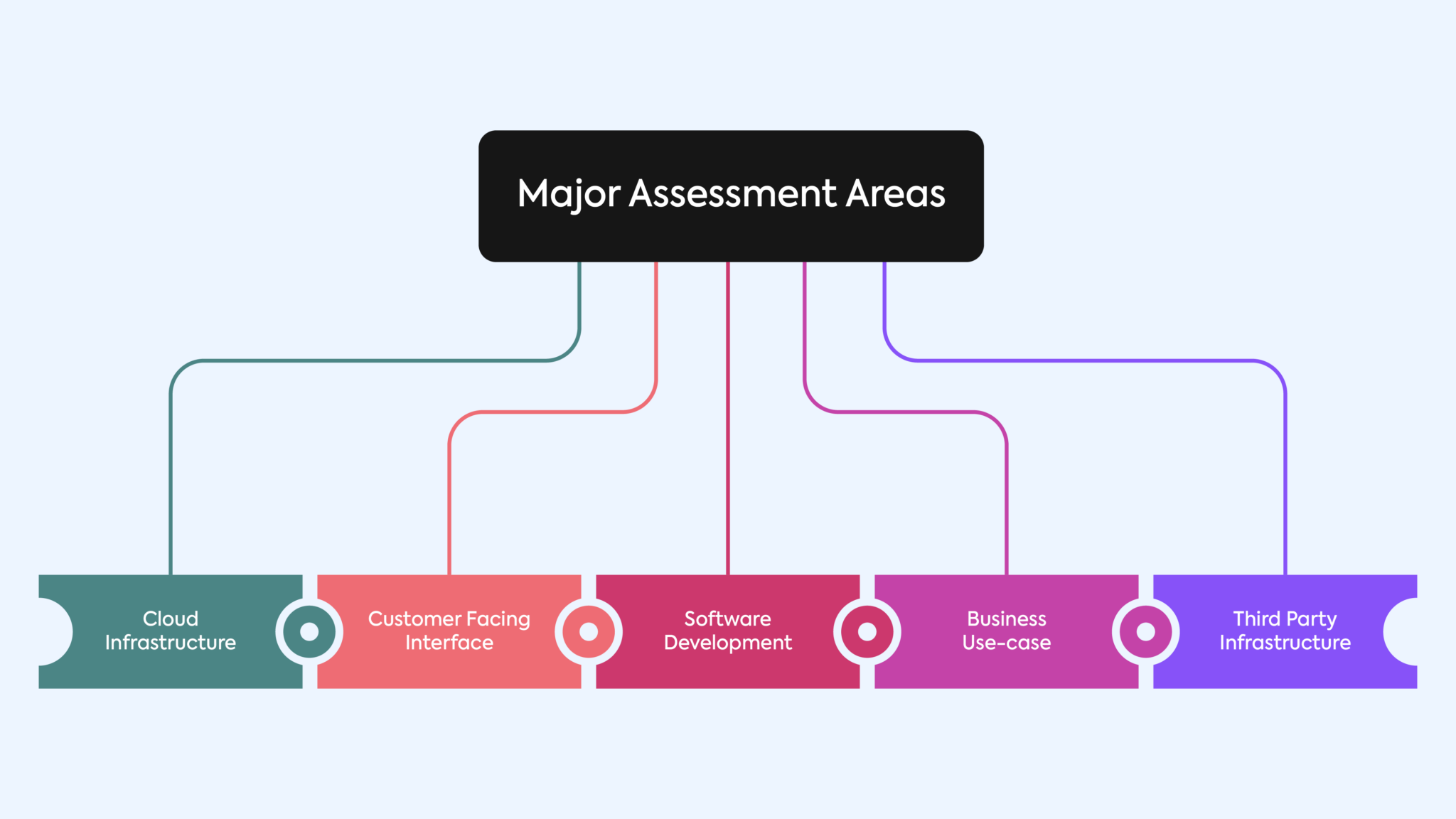
Core Domains of a Server Maturity Assessment
A comprehensive assessment focuses on several technical and administrative domains. Each domain is evaluated to determine which maturity level the organization has achieved.
1. Identity and Access Management (IAM)
In 2026, the "perimeter" is identity. Assessing IAM maturity involves looking at how users and services authenticate to servers. Are you still using static SSH keys, or have you moved to Just-In-Time (JIT) access? High-maturity organizations utilize multi-factor authentication (MFA) for all administrative sessions and enforce the Principle of Least Privilege (PoLP) through automated role-based access controls.
2. Vulnerability and Patch Management
Modern servers require rapid patching cycles. An assessment evaluates the interval between a patch release and its deployment. Maturity is marked by the ability to patch without downtime—utilizing live-patching technologies for kernels and rolling updates for clustered environments. If an organization takes more than 30 days to patch a "Critical" vulnerability, it cannot be considered mature by 2026 standards.
3. Configuration Hardening
This domain looks at whether servers are configured according to industry benchmarks, such as those provided by the Center for Internet Security (CIS). Maturity is achieved when "Compliance as Code" is used to automatically revert unauthorized configuration changes, preventing "configuration creep" in large-scale environments.
4. Logging, Monitoring, and Observability
It is not enough to simply collect logs; an organization must be able to derive meaning from them. The assessment examines whether logs are centralized in a Security Information and Event Management (SIEM) system and if there are automated alerts for suspicious behavior, such as unexpected lateral movement or unauthorized API calls to the hypervisor.
5. Data Protection and Encryption
Assessors look for the use of encryption for data at rest and data in transit. In 2026, the focus has shifted toward Confidential Computing, which protects data while it is being processed in memory. Maturity is also measured by the robustness of key management practices—ensuring that encryption keys are stored in Hardware Security Modules (HSMs) or dedicated cloud Key Management Services (KMS).
Server Security Maturity Comparison Table
| Feature / Control | Level 1: Initial | Level 3: Defined | Level 5: Optimizing |
|---|---|---|---|
| Patching | Manual/Irregular | Scheduled/Automated | Continuous/Live-patching |
| Access Control | Shared passwords | Individual accounts + MFA | Zero Trust / JIT Access |
| Configuration | Default settings | Documented baselines | Automated enforcement (IaC) |
| Monitoring | Local logs only | Centralized SIEM | AI-driven anomaly detection |
| Incident Response | Heroics-based | Documented playbooks | Automated orchestration (SOAR) |
| Deployment | Manual build | Golden images | Immutable infrastructure |
The Assessment Process: Step-by-Step
Performing a maturity assessment is a multi-week project that requires cooperation across IT, Security, and Compliance departments.
- Preparation and Scoping: Identify all server assets, including "shadow IT" cloud instances that might not be on the official books.
- Evidence Collection: Gather documentation, configuration files, and interview key personnel. Use automated discovery tools to verify the actual state of the servers versus the documented state.
- Gap Analysis: Compare the current state against a target maturity level (usually Level 3 or 4 for most enterprises).
- Risk Prioritization: Not all gaps are equal. A missing patch on an internal file server is less critical than a misconfigured API gateway facing the internet.
- Roadmap Development: Create a phased plan to move from the current level to the target level. This should include budget requirements and estimated timelines.
Common Challenges and Pitfalls
Many organizations struggle with server maturity because they treat it as a technical problem rather than a cultural one. A common pitfall is purchasing expensive security tooling without having the trained personnel to manage it. This often leads to "alert fatigue," where critical warnings are missed because they are buried in a sea of low-priority data.
Another challenge is the "legacy drag." Older servers running specialized applications may not support modern security protocols like TLS 1.3 or MFA. In these cases, the assessment must determine if the risk can be mitigated through network segmentation or if the system must be decommissioned.
Finally, the speed of modern DevOps can outpace traditional security assessments. If your organization deploys hundreds of servers a day through automated pipelines, a quarterly manual assessment is obsolete before it is finished. Maturity in 2026 requires integrating the assessment into the CI/CD pipeline itself.
FAQs
What is the most important framework for server security in 2026?
The NIST Cybersecurity Framework (CSF) 2.0 remains the primary reference. It provides a flexible structure that applies to all server types. Additionally, the CIS Critical Security Controls provide the specific technical "how-to" for server hardening.
How often should we conduct a maturity assessment?
While a deep-dive comprehensive assessment should be done annually, the monitoring of key maturity metrics (like patch latency and configuration drift) should be continuous. Many organizations use "continuous compliance" dashboards to view their maturity status in real-time.
Does "Modern Server Security" apply to virtual machines (VMs)?
Yes. While the hardware layer is managed by the provider in a VM environment, the operating system, middleware, and application layers are the responsibility of the user. A maturity assessment for VMs focuses heavily on image management, patching, and identity.
Can a small business achieve Level 5 maturity?
It is rare and often unnecessary for a small business to reach Level 5. The cost of the automation and specialized talent required for Level 5 usually outweighs the risk reduction. Most small-to-medium enterprises (SMEs) should aim for a solid Level 3, ensuring all processes are defined and consistently applied.
What is the role of AI in server maturity assessments?
By 2026, AI is used to automate the discovery of assets and to perform "predictive gap analysis." AI tools can simulate attack paths against your current server configurations to identify which weaknesses are most likely to be exploited, allowing for more precise remediation.
Recommendation for Next Actions
To begin improving your server security maturity, start by achieving visibility. You cannot secure what you cannot see. Conduct an automated inventory of your entire server estate, including all hybrid-cloud and edge locations. Once you have a clear picture of your assets, perform a "mini-assessment" on your most critical 10% of servers. This will provide a baseline of your current maturity level and highlight immediate risks that require urgent attention.
Following this, align your goals with a recognized framework like ISO/IEC 27001 to ensure your technical improvements are supported by strong organizational governance. Transitioning from reactive to proactive security is a marathon, not a sprint, but the stability and resilience it provides are essential for any organization operating in 2026.
Image Gallery