Understanding Blue Sparrow Pilates: Methods, Principles, and Studio Standards
Blue Sparrow Pilates refers to a specialized boutique fitness entity primarily recognized for its commitment to the classical Pilates method, emphasizing controlled, precision-based movements designed to improve core strength, postural...
Blue Sparrow Pilates refers to a specialized boutique fitness entity primarily recognized for its commitment to the classical Pilates method, emphasizing controlled, precision-based movements designed to improve core strength, postural alignment, and muscular endurance. Operating within the contemporary health and wellness sector, these studios focus on personalized instruction, equipment-based training, and a structured approach to functional body mechanics.
Contents
The Foundation of the Blue Sparrow Pilates Method
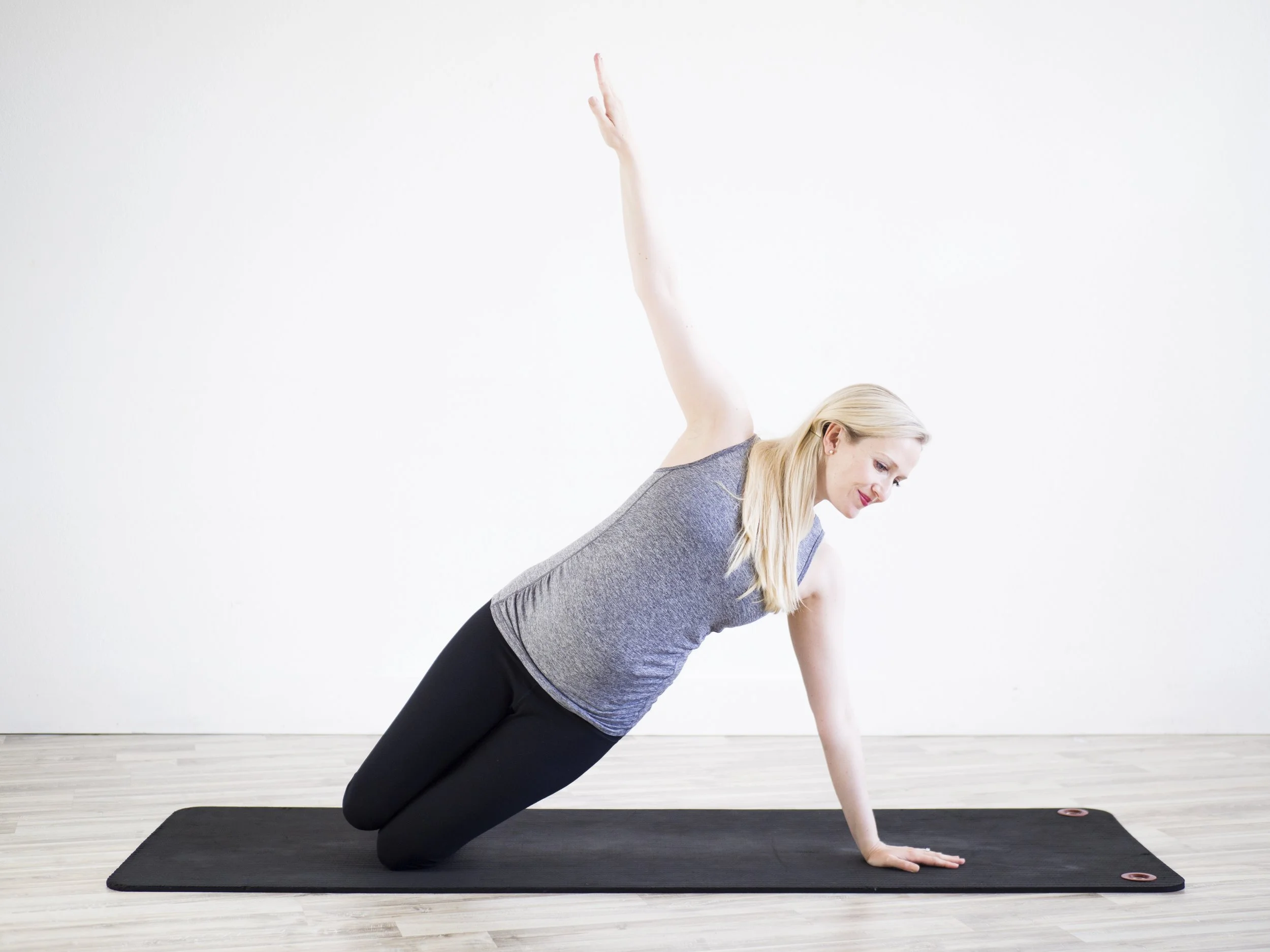
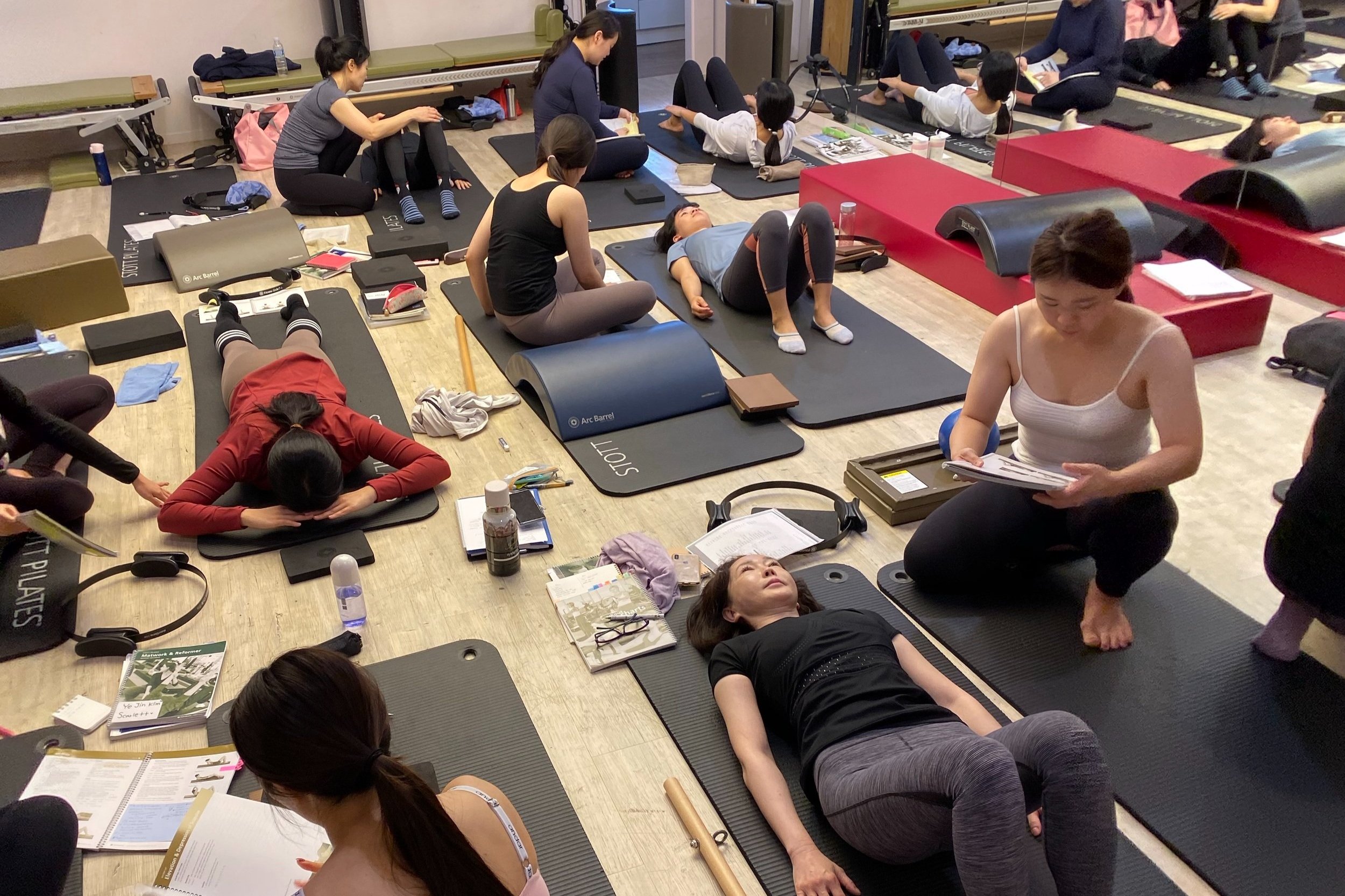
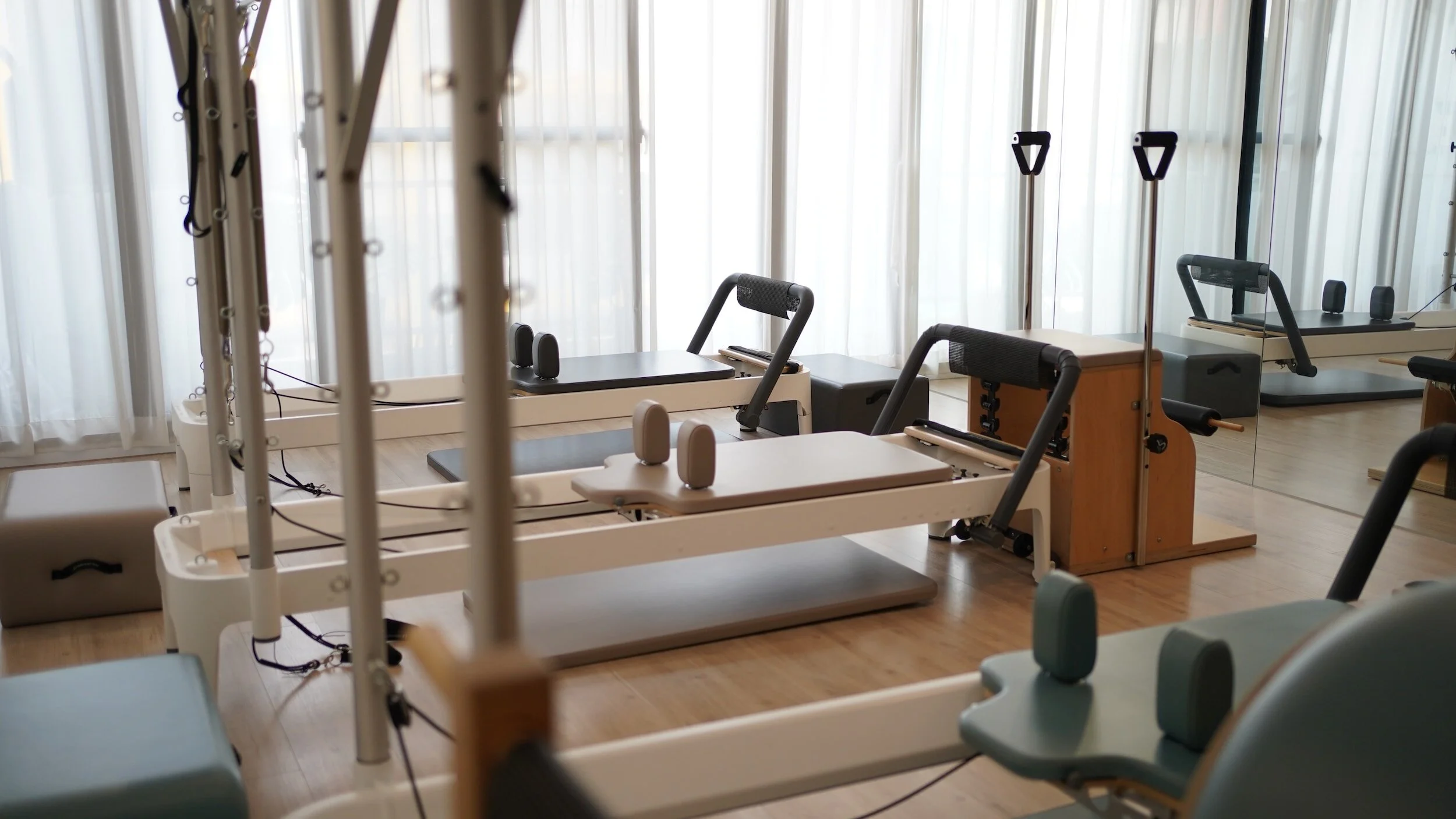
At the heart of the Blue Sparrow Pilates philosophy is an adherence to the core principles established by Joseph Pilates. Unlike generic "mat-style" fitness classes found in large commercial gyms, the Blue Sparrow approach centers on a systematic progression of exercises that utilize specialized apparatus, such as the Reformer, Cadillac, Wunda Chair, and Spine Corrector.
The methodology is rooted in six essential tenets: Centering, Concentration, Control, Precision, Breath, and Flow. Instructors at Blue Sparrow studios emphasize these components to ensure that every movement originates from the "powerhouse"—the deep abdominal muscles, lower back, and pelvic floor. By focusing on these deep stabilizers, the practice aims to reduce the load on peripheral joints, which can lead to improved daily ergonomics and reduced physical fatigue.
Core Equipment and Studio Environment
Blue Sparrow Pilates studios are typically equipped with high-quality, professional-grade spring-tension apparatus. The use of springs is a hallmark of this practice; unlike traditional weights, which provide constant gravitational resistance, springs provide variable resistance that changes throughout the range of motion. This allows for a deeper eccentric muscle contraction, which is essential for developing long, lean muscle tone without excessive bulk.
The studio environment is purposefully curated to minimize external stressors. In 2026, many practitioners seek out these spaces specifically for the low-impact, high-focus atmosphere they provide. The equipment layouts are designed for safety and efficiency, often requiring a baseline level of instruction before a client can transition from introductory sessions to open group apparatus classes.
What to Expect During Your Initial Consultation
For those unfamiliar with the studio, the typical onboarding process begins with a private assessment. This initial intake is not merely a "first workout" but a technical diagnostic session. During this time, a certified instructor evaluates a client’s:
- Postural Alignment: Assessing for common imbalances such as rounded shoulders, anterior pelvic tilt, or uneven weight distribution.
- Mobility Limitations: Identifying range-of-motion constraints in the hips, shoulders, and spine.
- Core Activation Patterns: Determining whether the client is correctly engaging deep stabilizers or compensating with larger, superficial muscle groups.
- Breath Coordination: Ensuring the client understands the rhythmic, diaphragmatic breathing required to stabilize the torso during high-exertion movements.
This diagnostic phase is essential for safety. By establishing a baseline, the instructors at Blue Sparrow can tailor subsequent semi-private or group sessions to ensure the client is not performing movements that could exacerbate pre-existing conditions or injuries.
Comparing Pilates Methodologies: A Breakdown
To understand the specific niche of Blue Sparrow Pilates, it is helpful to contrast it with other common exercise modalities found in the 2026 fitness landscape.
| Feature | Blue Sparrow Pilates | High-Intensity Interval Training (HIIT) | Yoga (Vinyasa/Hatha) |
|---|---|---|---|
| Primary Goal | Postural health & core stability | Cardiovascular health & fat loss | Flexibility & mindfulness |
| Resistance Type | Spring-tension apparatus | Bodyweight or free weights | Primarily bodyweight |
| Impact Level | Extremely low impact | High impact | Low to moderate |
| Focus | Precision and alignment | Speed and intensity | Balance and stretching |
The Role of Certification and Professional Standards
A critical component of the Blue Sparrow Pilates brand is the qualification of its staff. Instructors are generally expected to hold comprehensive certifications from recognized Pilates education organizations. These programs involve hundreds of hours of training, covering anatomy, biomechanics, and the specific pedagogical techniques required to teach on the full suite of studio apparatus.
Clients inquiring about studio standards should verify that their instructor has completed a program that covers all major equipment. In a professional setting, instructors should be able to provide modifications for common ailments, such as herniated discs, sciatica, or chronic neck pain. If a studio cannot provide clear information regarding their instructors' certification backgrounds, it is advisable to proceed with caution.
Common Misconceptions About the Practice
A frequent misunderstanding regarding the Blue Sparrow approach is the belief that Pilates is "easy" or "just stretching." In practice, the intensity is dictated by the spring load and the degree of stabilization required. An advanced reformer session can be physically taxing, placing significant demands on the musculoskeletal system.
Another misconception is that Pilates is exclusively for the rehabilitating patient. While the method originated with therapeutic intentions, the current iteration is used by elite athletes, dancers, and the general population to enhance performance. The focus on "eccentric control"—the ability to control the muscle while it lengthens—is a performance multiplier for individuals involved in high-impact sports like running or tennis.
Practical Steps for Getting Started
If you are considering integrating Blue Sparrow Pilates into your routine, follow these systematic steps to ensure success:
- Conduct a Location Check: Verify the specific studio location, as the name may be used by different entities in disparate geographic regions. Confirm the studio has a current business license and updated equipment maintenance records for the 2026 calendar year.
- Request an Introductory Package: Most reputable studios offer a "new client" introductory package consisting of 3 to 5 private sessions. Do not skip this; it is the most efficient way to learn the specific terminology and safety protocols of the studio.
- Communicate Physical Limitations: Be explicit about past injuries, surgeries, or chronic pain. Providing this information to the instructor allows them to create a safe movement roadmap for your sessions.
- Maintain Consistency: Pilates is a cumulative practice. One session per week may provide some relief, but two to three sessions are generally recommended to see meaningful changes in posture and strength.
Frequently Asked Questions
Is Blue Sparrow Pilates appropriate for beginners with no exercise experience? Yes. Because the apparatus supports the body, it is highly accessible. Private sessions allow the instructor to meet the client exactly where they are, regardless of current fitness levels.
Does this practice help with back pain? Many practitioners find that the focus on deep core engagement and spinal decompression helps alleviate chronic back pain. However, you should consult with a medical professional to ensure that your specific condition does not contraindicate certain Pilates movements.
How is this different from a Pilates class at a local gym? Gym-based classes are often limited to mat exercises or simplified group equipment classes. Blue Sparrow typically offers a more personalized, apparatus-heavy approach that tracks your progress through a structured curriculum.
What should I wear to a session? Wear form-fitting, comfortable athletic clothing. The instructor needs to see the alignment of your spine and joints to offer corrections. Avoid clothing with zippers or buttons, which can damage the upholstery of the Pilates equipment.
Do I need to be flexible to start? No. Flexibility is a byproduct of the practice, not a prerequisite. The exercises are designed to increase range of motion gradually through controlled, intentional movement.
Moving Forward with Your Practice
The decision to begin a Pilates regimen is a long-term investment in musculoskeletal longevity. By selecting a studio that prioritizes technical accuracy and professional instruction, you position yourself to see tangible improvements in your physical health. Prioritize the initial assessment phase, stay communicative with your instructor regarding your physical feedback, and allow for consistency in your attendance to fully realize the benefits of the method.
Image Gallery