When Did Bruce Jenner Become Caitlyn: The Timeline and Public Transition
Bruce Jenner became Caitlyn Jenner publicly in June 2015, following a highly publicized interview with Diane Sawyer in April 2015 and a transition process that began well before these public milestones. The transformation from public s...
Bruce Jenner became Caitlyn Jenner publicly in June 2015, following a highly publicized interview with Diane Sawyer in April 2015 and a transition process that began well before these public milestones. The transformation from public sports icon to a prominent public figure as a transgender woman marked a significant cultural moment in contemporary media and public discourse surrounding transgender visibility.
Contents
The Public Evolution: From Decathlon Champion to Transition
Understanding the timeline of when Bruce Jenner became Caitlyn requires examining a journey that spanned decades of private realization, culminating in a rapid, highly scrutinized public disclosure across 2015. While the legal and physical milestones reached completion that year, the internal and medical transition process began long before media cameras captured the transformation.
Pre-Transition Background and Public Persona
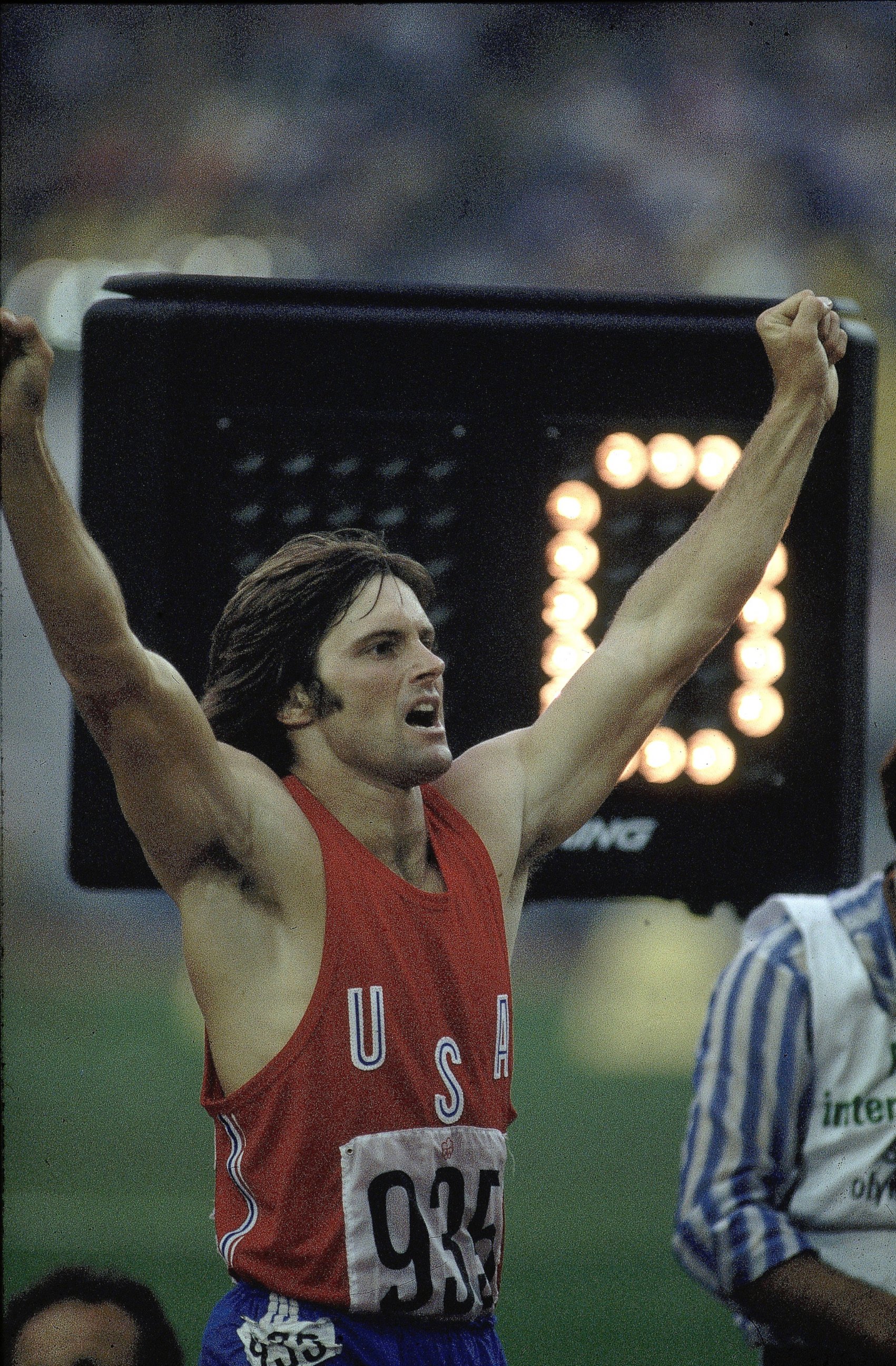
For decades, Bruce Jenner was globally recognized as an American hero and athletic icon. Winning the gold medal in the decathlon at the 1976 Summer Montreal Olympics cemented a legacy of peak physical performance and traditional masculinity in the public eye. For years afterward, Jenner maintained a high-profile public life as a motivational speaker, television personality, and patriarch of the extended Kardashian-Jenner family through the reality television series Keeping Up with the Kardashians.
Behind the public facade, Jenner wrestled with gender dysphoria since youth. In various interviews, Jenner noted experiencing feelings of gender incongruence from early childhood, experimenting with clothing and identity in private settings for decades while navigating marriages, public scrutiny, and a prominent athletic career.
The Diane Sawyer Interview (April 2015)
The definitive public turning point occurred on April 24, 2015, during a landmark television special broadcast on ABC, hosted by journalist Diane Sawyer. During this interview, often referred to as "Bruce Jenner: The Interview," Jenner publicly came out as a transgender woman.
In this two-hour prime-time broadcast, Jenner stated, "For all intents and purposes, I am a woman," while clarifying that transitioning was a journey that had been unfolding privately over a prolonged period. The interview was watched by millions worldwide and set a tone of cultural discussion regarding transgender issues, medical transition processes, and public empathy. Crucially, during this interview, Jenner requested that male pronouns be used temporarily until the formal public introduction of the new name and persona, though media outlets and the public immediately began grappling with the shifting landscape of transgender representation.
The Vanity Fair Cover and Name Reveal (June 2015)
Just over a month after the Sawyer interview, the definitive emergence of Caitlyn Jenner took place. On June 1, 2015, Vanity Fair magazine released its July 2015 cover story featuring a portrait of Jenner shot by famed photographer Annie Leibovitz, accompanied by the headline: "Call Me Caitlyn."
This moment marked the official public debut of the name Caitlyn and the use of female pronouns. The cover image and accompanying profile generated unprecedented internet traffic, breaking social media records and establishing a new cultural baseline for discussions about transgender identity. Through the magazine feature, Jenner detailed undergoing facial feminization surgery, breast augmentation, and hormone replacement therapy, providing the public with a transparent look into the medical and personal realities of gender transition.
Legal and Official Timeline Milestones
Transitioning involves more than media appearances and magazine covers; it requires legal name changes, gender marker updates on official documents, and administrative compliance with state and federal laws.
Following the June 2015 magazine reveal, Jenner initiated formal legal processes to align official documentation with gender identity. In September 2015, a Los Angeles superior court judge officially approved Jenner's petition to change both name and gender legally. This legal decree finalized the transition from William Bruce Jenner to Caitlyn Marie Jenner across vital records, driver's licenses, and passports.
| Date / Period | Milestone Event | Description & Context |
|---|---|---|
| April 2015 | Diane Sawyer Interview | ABC broadcast where Jenner publicly came out as a transgender woman, discussing decades of internal struggles. |
| June 2015 | Vanity Fair Cover Release | The public debut of Caitlyn Jenner, photographed by Annie Leibovitz with the headline "Call Me Caitlyn." |
| July 2015 | I Am Cait Premiere | E! network debuted an eight-part docuseries documenting Jenner’s adjustment to life as a transgender woman. |
| September 2015 | Legal Name and Gender Change | A California court officially approved the legal change of name and gender marker to Caitlyn Marie Jenner. |
| July 2016 | Gender Marker Passport Update | State Department issued a passport reflecting the updated female gender marker following medical completion. |
Media and Cultural Impact of the Transition
The transition of Bruce Jenner to Caitlyn Jenner occurred during a period of rapidly shifting social attitudes toward LGBTQ+ rights, following milestones such as the legalization of same-sex marriage in the United States. However, the intersection of celebrity culture, reality television, and transgender identity created a unique cultural phenomenon often analyzed by sociologists and media scholars.
The Role of Reality Television
Immediately following the Vanity Fair reveal, the E! television network launched an 8-part documentary series titled I Am Cait in July 2015. The series aimed to showcase the realities of transitioning, the experiences of other transgender individuals, and the challenges faced by families navigating similar changes. While praised by some advocates for bringing transgender issues into living rooms across America, the show also faced criticism from parts of the LGBTQ+ community regarding representation, economic privilege, and political viewpoints that did not always align with broader activist goals.
Representation and Public Discourse
Caitlyn Jenner's transition sparked a national conversation about transgender visibility, often referred to by media outlets as a tipping point for cultural awareness. The visibility brought complex medical, legal, and social issues—such as access to healthcare, legal documentation hurdles, and violence against transgender women—into mainstream news cycles. At the same time, commentators noted the distinct experience of transitioning later in life with substantial financial resources and global fame, contrasting it with the systemic vulnerabilities faced by marginalized transgender youth and adults.
Frequently Asked Questions
When did Bruce Jenner officially change her name?
The legal name and gender marker change was finalized in September 2015 when a Los Angeles judge approved the petition submitted by Jenner's legal team. This updated state records, while federal updates like passports followed shortly thereafter as medical documentation requirements were met.
Did Bruce Jenner undergo gender confirmation surgery?
Yes. In subsequent interviews and memoirs, including the 2017 book The Secrets of My Life, Jenner confirmed having undergone gender confirmation surgery in January 2017, alongside earlier procedures such as facial feminization surgery and hormone therapy.
What pronouns should be used when referring to Caitlyn Jenner?
Feminine pronouns (she/her) should be used when referring to Caitlyn Jenner. When discussing historical athletic achievements accomplished prior to 2015, historians and biographers generally use female pronouns while acknowledging the historical name used at the time of the event.
How did the Kardashian-Jenner family react to the transition?
The initial reaction from family members was mixed with surprise, support, and a period of emotional adjustment. Most family members expressed public support for Jenner's happiness and authenticity, though reality television programming documented various interpersonal tensions and the challenges of redefining family dynamics during a public transition.
What was the impact of the Vanity Fair cover?
The June 2015 Vanity Fair cover generated immense global attention, gaining over one million Twitter followers within four hours of account creation—breaking a Guinness World Record at the time—and shifting public discourse regarding transgender representation in mainstream publishing.
Next Actions and Further Reading
For readers interested in exploring the broader context of transgender history, legal rights, and media representation, consulting resources from organizations such as GLAAD or the National Center for Transgender Equality provides comprehensive educational materials. Understanding the distinction between personal medical timelines and public media events helps contextualize how modern public figures navigate identity, privacy, and celebrity culture.
Image Gallery