Understanding the Rarity and Nature of Ligers
Ligers are exceptionally rare in the natural world because they are the offspring of a male lion and a female tiger, two species that do not share the same habitat or mating rituals. Because they exist almost exclusively in captivity u...
Ligers are exceptionally rare in the natural world because they are the offspring of a male lion and a female tiger, two species that do not share the same habitat or mating rituals. Because they exist almost exclusively in captivity under controlled human intervention, they are considered biological anomalies rather than a naturally occurring species.
Contents
The Biological Reality of Ligers
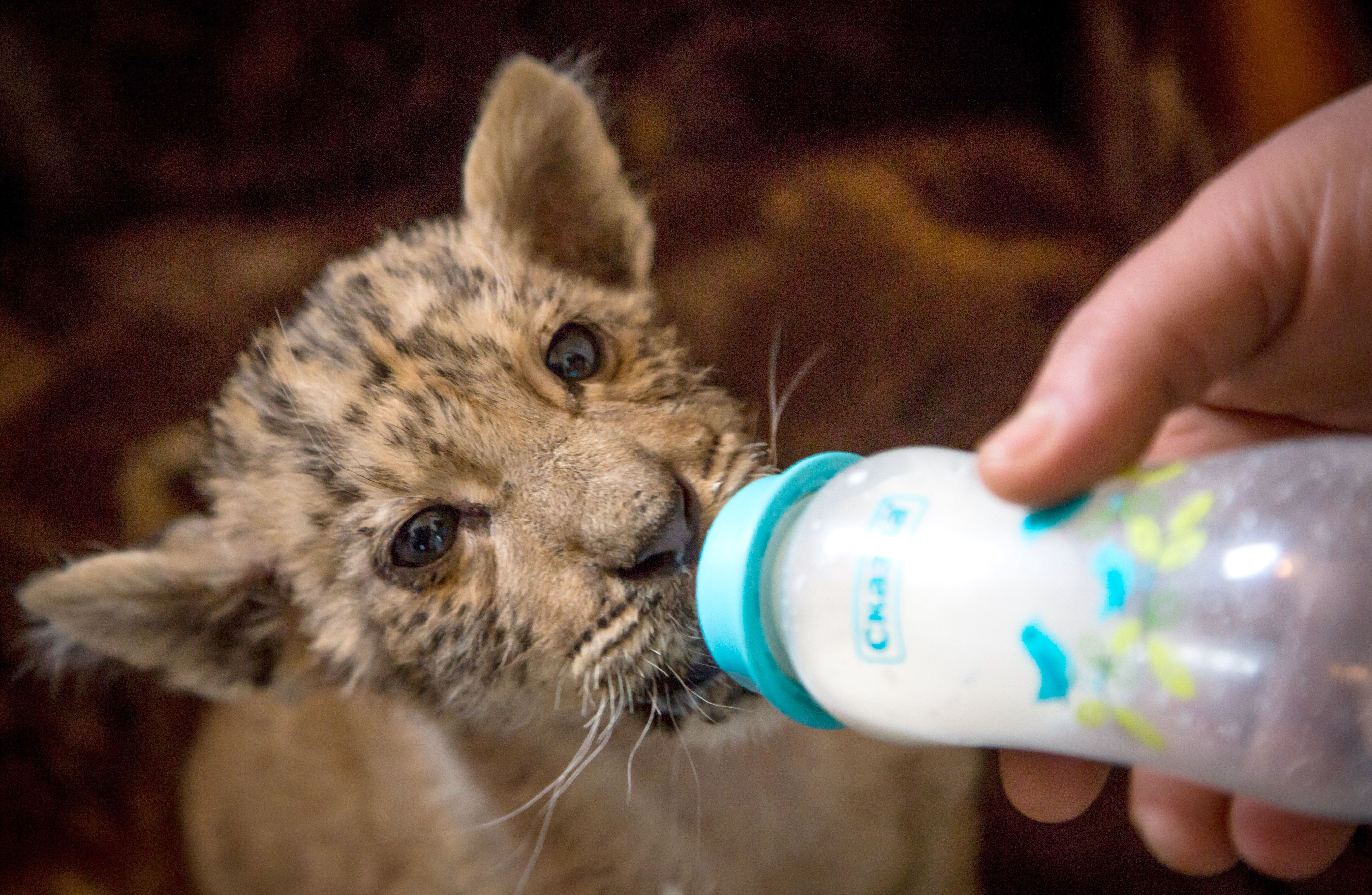
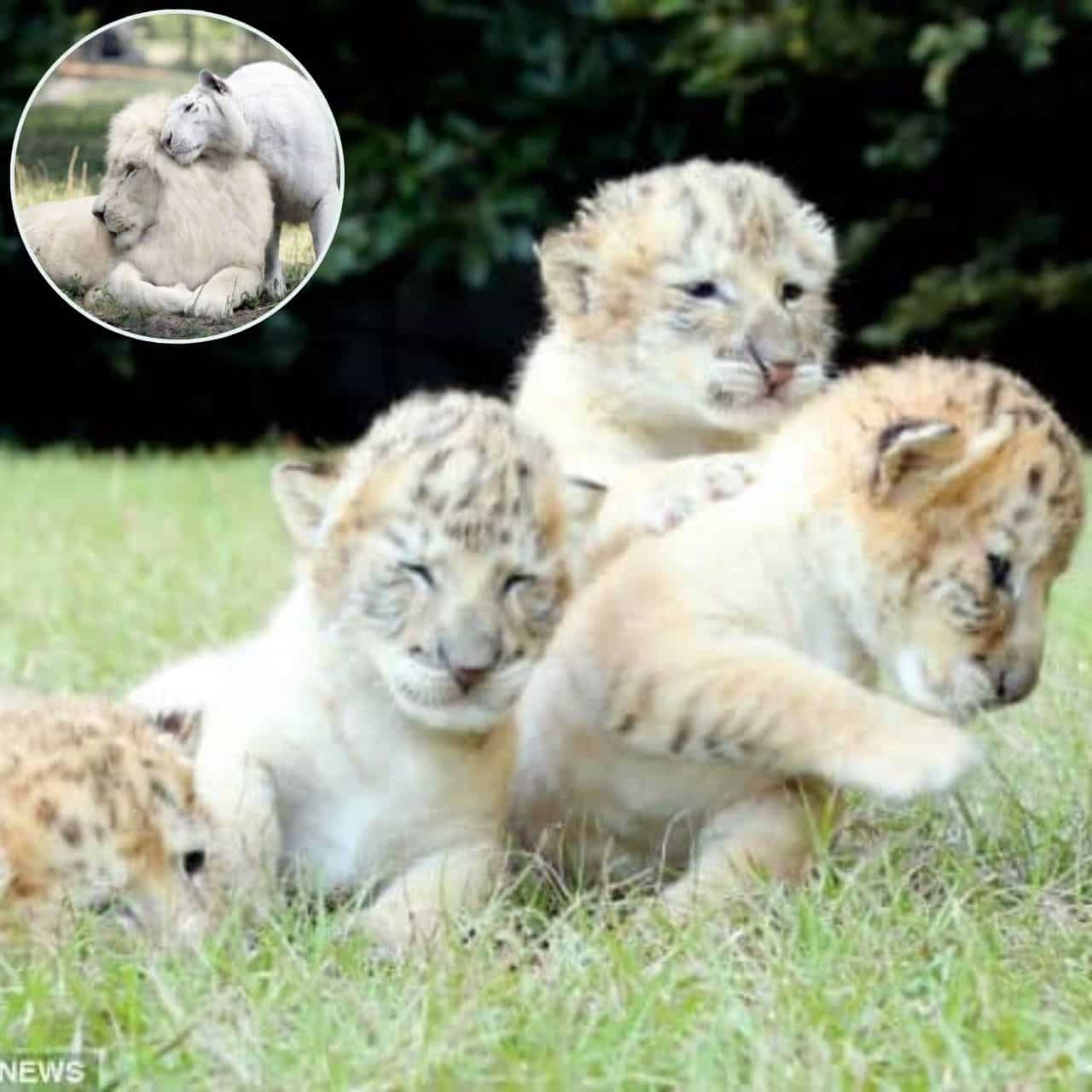
A liger is a hybrid cross between a male Panthera leo (lion) and a female Panthera tigris (tiger). In the wild, lions and tigers do not encounter one another in any meaningful way. Historically, the range of the Asiatic lion and the tiger did overlap in parts of India; however, even in these regions, their behaviors and ecological niches remain distinct. Lions are social, pride-based animals, while tigers are solitary hunters. These behavioral differences, combined with geographical separation, make natural hybridization effectively impossible.
Because these two species do not interbreed in nature, every liger in existence is the product of human intervention, usually occurring in zoos, wildlife parks, or private menageries. In these controlled environments, animals are kept in closer proximity than they would ever be in the wild, sometimes resulting in accidental or intentional pairings.
Why Ligers Are Considered Rarity
The term "rare" is subjective when applied to hybridization. In terms of wild populations, ligers are non-existent; there are zero confirmed cases of wild-born ligers. Within the context of captivity, their numbers are difficult to quantify globally because they are not recognized as a distinct species. Unlike conservation-managed programs for endangered big cats, the breeding of ligers is not regulated by any international scientific authority focused on species preservation.
Most reputable zoological organizations, including the Association of Zoos and Aquariums (AZA), explicitly prohibit the breeding of hybrid big cats. Consequently, the population of ligers is limited to roadside attractions, private facilities, or unaccredited sanctuaries. This makes them "rare" in the sense that they are not part of any formal breeding program, yet they appear with regularity in facilities that operate outside of modern professional zoological standards.
Growth and Physical Characteristics
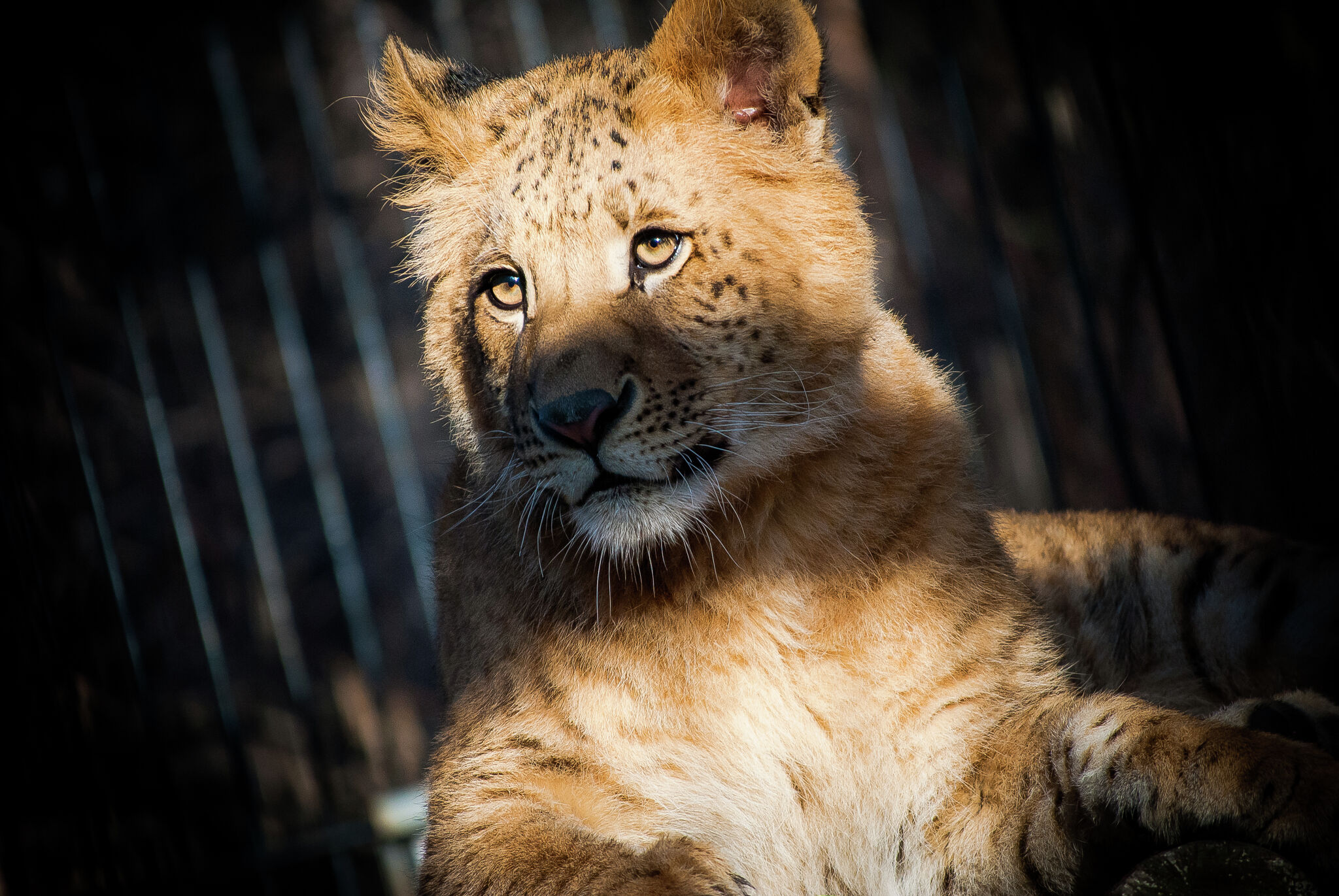
One of the most notable features of a liger is its immense size. Ligers often experience "hybrid vigor" or heterosis, specifically caused by the genetics of growth. In lions and tigers, there are growth-inhibiting genes that are typically passed down by the female. In a lion, the male carries the growth-promoting gene, and the female carries the growth-inhibiting gene, which balances the cub’s size. In a tiger, the male and female share these duties equally.
When a male lion mates with a female tiger, the lion's growth-promoting gene is passed on, but the tiger lacks the corresponding growth-inhibiting gene to counteract it. As a result, the liger often grows to be significantly larger than either of its parents. This rapid, outsized growth can lead to significant health complications, including joint strain, skeletal abnormalities, and an increased risk of organ failure as the animal reaches maturity.
Comparison of Hybrid Big Cats
To understand the rarity of these animals, it is useful to compare them with other common hybrids.
| Hybrid Name | Father | Mother | Occurrence |
|---|---|---|---|
| Liger | Lion | Tiger | Captivity only (Artificial) |
| Tigon | Tiger | Lion | Captivity only (Extremely rare) |
| Leopon | Leopard | Lion | Captivity (Very rare) |
| Savannah | Serval | Domestic Cat | Hybridization (Intentional) |
While ligers are the most famous, the inverse cross—a male tiger and a female lion—produces a "tigon." Tigons are significantly less common than ligers. This is partly due to the fact that female tigers are more easily induced to mate with male lions in captivity than the other way around. The disparity in size between a male tiger and a female lion also poses higher physical risks during the mating and gestation processes, further contributing to the rarity of tigons compared to ligers.
Health and Longevity Challenges
The rarity of ligers is also influenced by the high mortality rate associated with hybrid births. Hybridization disrupts the natural development of the fetus. Many ligers are born prematurely or suffer from developmental issues that make them non-viable. For those that survive birth, their lives are often characterized by significant medical challenges.
Because they grow so quickly, their internal organs may not develop at the same pace as their skeletal system. This can lead to chronic pain and mobility issues. Furthermore, male ligers are almost universally sterile. This reproductive dead-end means that there is no "liger population" that can sustain itself; every generation must be created through the repeated cross-breeding of lions and tigers. This ensures they remain a biological anomaly rather than a stable, reproducing population.
Ethical Considerations in Breeding
The prevalence of ligers has become a central point of debate among conservationists and animal welfare advocates. The primary concern is that breeding ligers serves no conservation purpose. Because they do not exist in the wild, they cannot be used for species reintroduction. They do not represent a genetically healthy animal, and they are often used as "attractions" to generate revenue for private facilities rather than for educational or scientific advancement.
In many jurisdictions, the breeding of hybrid big cats is coming under increased scrutiny. Laws regarding the possession of exotic animals have tightened significantly between 2020 and 2026, with many regions implementing stricter permitting requirements that effectively categorize intentional cross-breeding as a violation of animal welfare standards. While they remain "rare" in the sense that they are not common in nature, their existence is a direct reflection of historical laxity in captive breeding regulations.
Frequently Asked Questions
Are there any wild ligers in existence? No. There are no confirmed records of wild-born ligers. Their existence requires the artificial environment of captivity where human handlers manage the proximity of lions and tigers, which would naturally avoid each other in the wild.
Do ligers grow faster than lions or tigers? Yes. Due to the interaction of growth-regulating genes between the two species, ligers often experience rapid growth spurts that result in them becoming much larger than either parent species. This rapid growth is a primary cause of their health issues.
Can two ligers breed with each other? Generally, no. Male ligers are almost exclusively sterile. While some female ligers have occasionally demonstrated fertility, they are rarely able to produce offspring, and when they do, it is usually by backcrossing with a purebred male lion or tiger.
Why are ligers not found in reputable zoos? Accredited zoos typically follow guidelines set by organizations like the AZA, which prioritize the conservation of pure species. Breeding hybrids is considered unethical and counterproductive to the goal of preserving distinct genetic lineages for endangered species.
Is it legal to own a liger in 2026? The legality depends on local and national laws. Most modern jurisdictions have implemented strict laws regarding the private ownership of big cats, and many specifically prohibit the intentional breeding of hybrids due to the animal welfare risks involved.
Recommendation for Further Learning
If you are interested in the study of felid biology or the ethics of captive breeding, consult resources from the International Union for Conservation of Nature (IUCN). Focusing on the conservation of pure-bred endangered species like the Siberian tiger or the Asiatic lion provides a deeper understanding of why scientific organizations prioritize the integrity of these species over the creation of hybrids.
Image Gallery