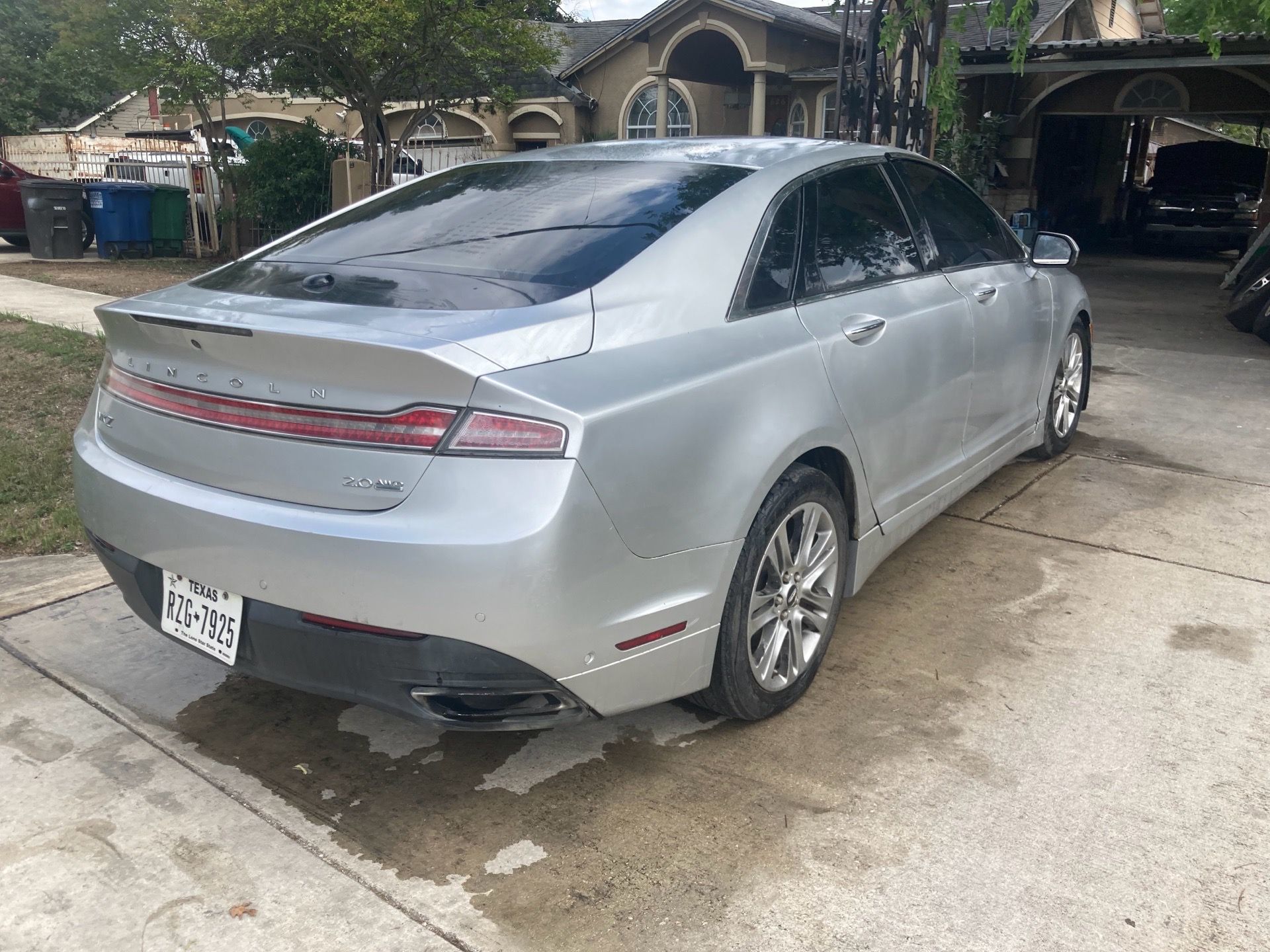
Why the 2012 Lincoln MKZ Tire Size Matters for You
Choosing the correct tire size for your 2012 Lincoln MKZ is essential for maintaining the vehicle's safety, fuel efficiency, ride comfort, and the long-term integrity of its drivetrain. Because modern vehicles utilize sophisticated sta...
Choosing the correct tire size for your 2012 Lincoln MKZ is essential for maintaining the vehicle's safety, fuel efficiency, ride comfort, and the long-term integrity of its drivetrain. Because modern vehicles utilize sophisticated stability control and transmission systems calibrated to specific wheel rotations, using incorrect tire dimensions can trigger dashboard warning lights, diminish braking performance, and cause premature wear on suspension components.
Contents
Understanding the Factory Specifications
The 2012 Lincoln MKZ was engineered with specific handling characteristics and load requirements. The original equipment manufacturer (OEM) determined the tire size based on a balance of luxury-grade noise suppression, steering precision, and traction. For the 2012 model year, Lincoln offered two primary wheel sizes, which dictated the tire dimensions.
Most standard 2012 Lincoln MKZ models were equipped with 17-inch wheels, typically paired with 225/50R17 tires. If your vehicle features the optional 17-inch or 18-inch appearance packages, you may find different specifications. It is vital to locate the specific tire size for your individual vehicle rather than relying on general model-year databases, as trim levels such as the Hybrid or the Premium package can influence the factory-fitted tire width and aspect ratio.
You can verify your specific tire requirement by checking the tire information placard located on the driver-side door jamb. This permanent sticker provides the exact tire size, cold tire inflation pressure, and load rating specified by Lincoln. This documentation overrides any aftermarket shop advice or generic online forum suggestions.
The Technical Impact of Incorrect Sizing
When you deviate from the recommended tire size, you are essentially changing the mechanical geometry of the vehicle. Even a slight increase in total tire diameter can alter your gear ratios. For an automatic transmission like that found in the 2012 MKZ, this can lead to "transmission hunting," where the computer becomes confused by the altered shift points, potentially leading to increased transmission fluid temperatures and mechanical strain.
Furthermore, your speedometer and odometer are calibrated to the rotations-per-mile of the factory-specified tire size. If you install larger tires, the tire will cover more ground per rotation than the computer expects, causing your speedometer to display a speed lower than your actual velocity. Conversely, smaller tires will result in a speedometer reading that is higher than your true speed. Beyond legal risks regarding speed limits, this inaccuracy affects your car’s navigation system and the accuracy of fuel economy calculations.
Safety and Electronic Systems
The 2012 Lincoln MKZ utilizes an Anti-lock Braking System (ABS) and Electronic Stability Control (ESC) that rely on wheel speed sensors to monitor the movement of each individual tire. These systems are programmed to expect a specific rate of deceleration and rotation.
Installing tires with a significantly different diameter or mismatched sizes across the axles can lead to:
- System Errors: The onboard computer may interpret the discrepancy in wheel speed as a fault, triggering a dashboard warning light for the ABS or Traction Control systems.
- Reduced Braking Efficiency: Because the computer relies on precise data to modulate brake pressure, incorrect tires can result in longer stopping distances in wet or icy conditions.
- Handling Instability: The suspension geometry and steering rack of the 2012 MKZ are tuned for specific tire heights. Altering this height changes the vehicle's center of gravity and the "scrub radius," which can make the steering feel sluggish or overly sensitive.
Tire Size Comparison and Compatibility
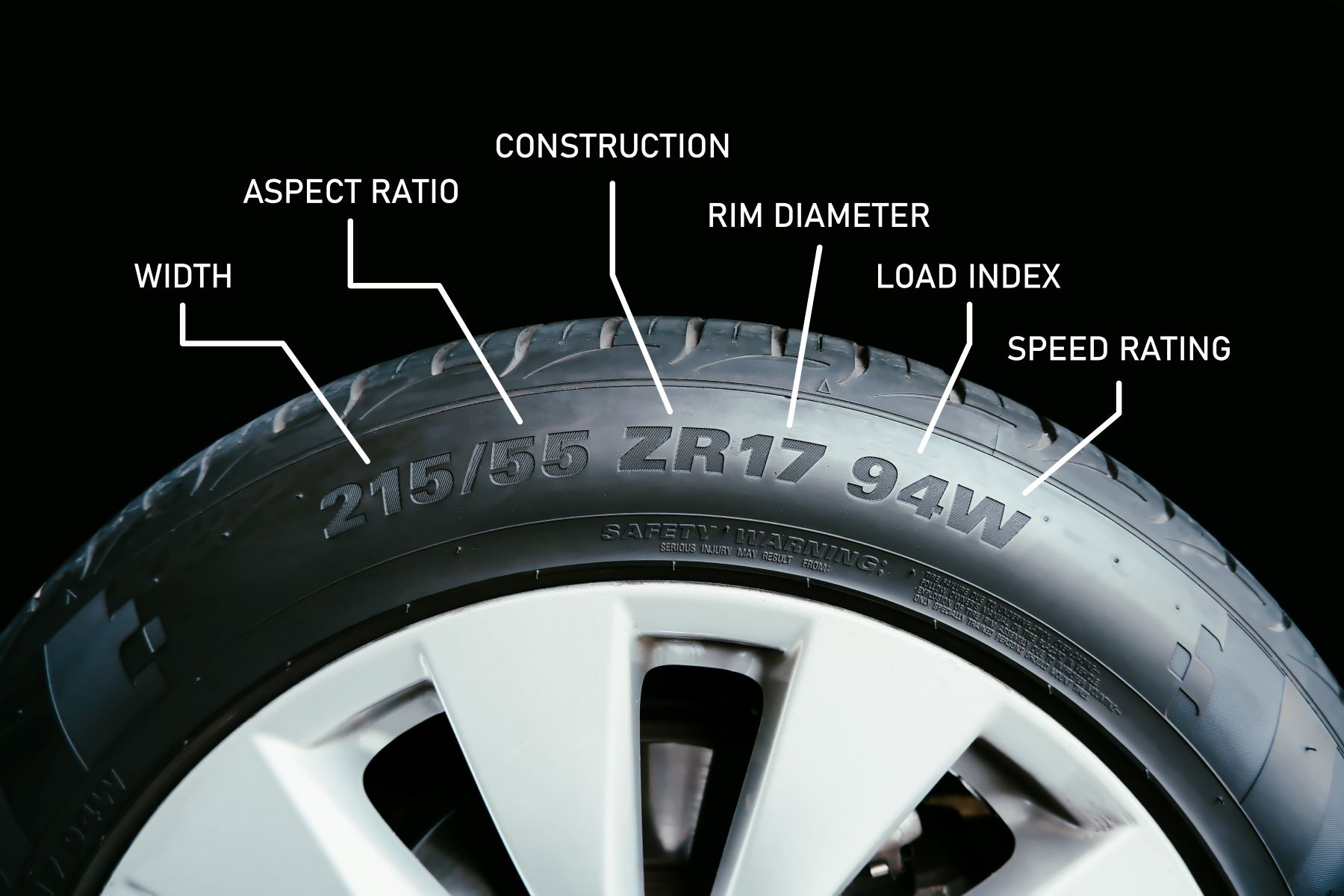
When shopping for tires, you will encounter the alphanumeric sequence such as 225/50R17. Understanding these components is critical for making an informed purchase.
| Component | Meaning | Relevance to 2012 MKZ |
|---|---|---|
| 225 | Section width in millimeters | Determines the footprint and road contact. |
| 50 | Aspect ratio (sidewall height) | Affects ride comfort and steering response. |
| R | Radial construction | Industry standard for modern passenger vehicles. |
| 17 | Wheel diameter in inches | Must match your current rim exactly. |
| 94V | Load index and speed rating | Ensures the tire can support the vehicle's weight and performance. |
The load index is often overlooked but remains critical. The 2012 MKZ has a specific curb weight; installing a tire with a lower load index than the factory requirement can lead to premature sidewall failure or a "mushy" feeling in corners. Always ensure your new tires meet or exceed the OEM load and speed ratings.
Operational Costs and Maintenance
Choosing the correct tire size is also a financial decision. Specialized or non-standard tire sizes are often more expensive and harder to source in an emergency, such as a roadside blowout. By sticking to the standard 225/50R17 or other factory-recommended dimensions, you ensure easier availability of replacement tires at major retailers.
Additionally, improper tire sizing leads to uneven tread wear. If the tire width is too wide for the rim, the center of the tread may wear out prematurely. If it is too narrow, the shoulders of the tire will bear the brunt of the pressure. By adhering to the factory tire size, you maximize the lifespan of your investment, saving money on early replacements and maintaining the resale value of your vehicle.
Common Mistakes to Avoid
One of the most frequent errors owners make is assuming that "close enough" is acceptable. A tire that is 10 millimeters wider or has a different aspect ratio might fit inside the wheel well without rubbing, leading owners to believe the change is harmless. However, the clearance is not the only metric; the interaction with the suspension's articulation is what matters.
Another error involves mixing tire types or brands across the front and rear axles. While the 2012 MKZ is not a high-performance sports car, it still benefits from having a matched set of tires. Mismatched tires have different grip characteristics, which can cause the car to behave unpredictably during emergency maneuvers.
Troubleshooting Your Current Setup
If you suspect your current tires are the incorrect size, or if you are experiencing symptoms like constant traction control lights or inaccurate speedometer readings, follow these steps:
- Verify the Placard: Compare the tire size currently on the wheels with the sticker on your driver-side door jamb.
- Consult a Professional: If you have non-standard wheels, speak with a qualified tire technician who can calculate the "plus-sizing" compatibility to ensure the overall diameter remains within a 3% tolerance of the original.
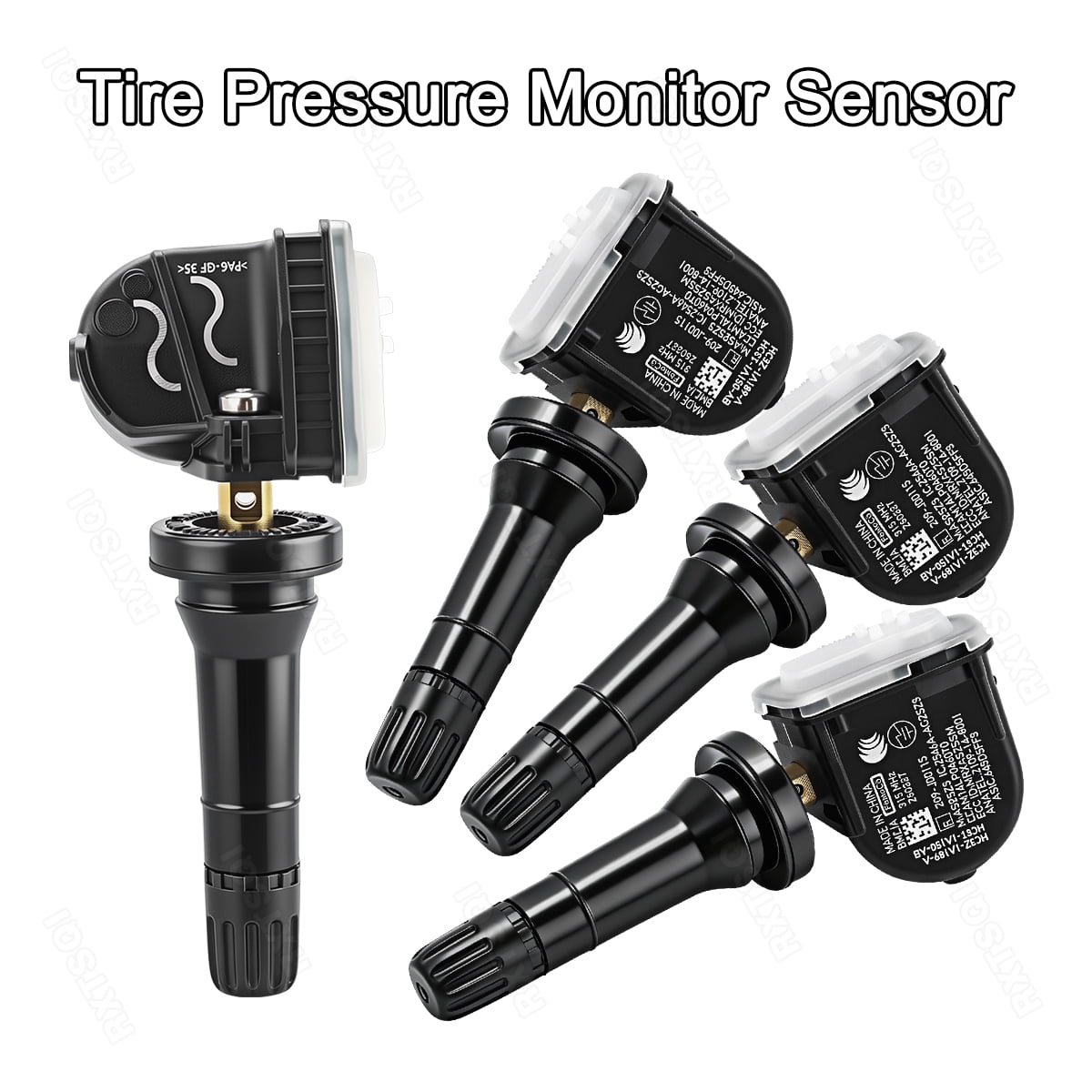
- Reset the TPMS: If you have recently changed tires or adjusted pressures, ensure your Tire Pressure Monitoring System (TPMS) is functioning correctly. If the system fails to calibrate, the issue may stem from the tire size preventing the sensors from reading correctly.
- Professional Alignment: Even if the tire size is correct, ensure that a four-wheel alignment is performed to prevent the new tires from wearing unevenly.
FAQ
Can I use larger wheels on my 2012 Lincoln MKZ? Yes, but you must keep the overall diameter of the tire constant. This requires using a lower profile tire (smaller aspect ratio) as you increase the wheel diameter. This is known as "plus-sizing" and must be done carefully to avoid rubbing.
Will the wrong tire size void my insurance? While rarely a direct cause for policy cancellation, if an accident is proven to have been caused by mechanical failure directly resulting from grossly improper tire size, some insurance claims may face scrutiny regarding vehicle roadworthiness.
Does tire size affect my hybrid battery efficiency? For the 2012 MKZ Hybrid, rolling resistance is critical. Using tires that are too wide or have aggressive off-road treads will increase drag, directly reducing your fuel economy and forcing the electric motor to work harder.
How often should I check my tire pressure? Check your tire pressure at least once a month and before any long road trip. The 2012 MKZ’s TPMS is a warning system, not a maintenance tool; do not wait for the light to turn on before checking your pressure.
Are performance tires necessary for this vehicle? Unless you frequently drive in demanding conditions, a standard touring tire designed for the 2012 MKZ’s weight and luxury focus is usually the best choice for a balance of comfort, noise reduction, and longevity.
Final Recommendation
The most effective way to ensure your 2012 Lincoln MKZ operates at peak performance is to adhere strictly to the tire size specifications printed on your vehicle’s factory door placard. If you are shopping for new tires in 2026, prioritize tires from reputable manufacturers that match the original load and speed ratings. This simple commitment protects your suspension, ensures your electronic safety systems work as intended, and preserves the refined driving experience that defines the Lincoln brand.
Image Gallery