The Wolf of Wall Street Cop Case Explained: FBI Agent Patrick Denham and the Reality Behind the Fiction
In the cinematic depiction of Jordan Belfort’s rise and fall, the character of FBI Agent Patrick Denham serves as the primary antagonist representing law enforcement. While the character is a composite based on real-life investigators—...
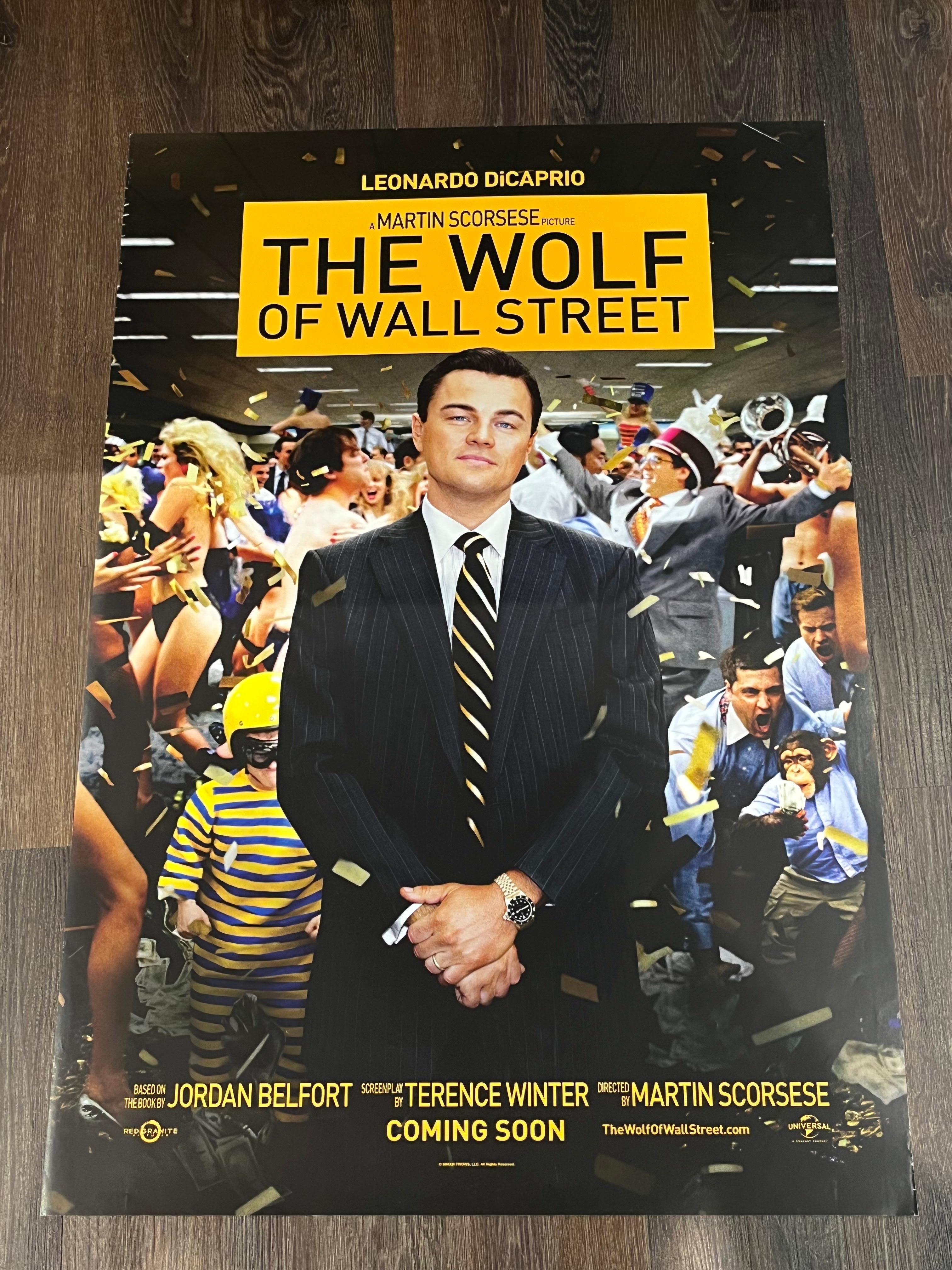
In the cinematic depiction of Jordan Belfort’s rise and fall, the character of FBI Agent Patrick Denham serves as the primary antagonist representing law enforcement. While the character is a composite based on real-life investigators—most notably Gregory Coleman—the "cop case" against Belfort was a decade-long federal investigation involving the FBI, the SEC, and the Department of Justice that dismantled the Stratton Oakmont financial empire.
Contents
The Origin of the Investigation
The criminal case against Jordan Belfort did not begin with a singular "cop" but rather a sophisticated, multi-agency effort to penetrate the opaque world of microcap stock fraud. By the early 1990s, Stratton Oakmont had become a symbol of excessive market manipulation. Unlike the rapid-fire arrests often seen in television dramas, the case against Belfort was a slow-burn intelligence operation.
Regulators at the Securities and Exchange Commission (SEC) first identified patterns of "pump and dump" schemes—where brokers artificially inflate the price of a stock through false statements before selling their own overvalued shares. However, gathering enough evidence to prove intent and criminal conspiracy required more than just looking at trading volumes. It required informants, wiretaps, and the meticulous tracing of illicit offshore accounts.
Gregory Coleman: The Real-Life Inspiration
While Patrick Denham, played by Kyle Chandler, is the face of the investigation in the 2013 film, he is a fictionalized representation of Gregory Coleman. Coleman was an FBI special agent who spent years tracking Belfort’s complex web of illegal activities.
In real life, the investigation was significantly more administrative and grueling than the "hand-to-hand" combat portrayed on screen. Coleman and his team had to navigate the intricacies of the banking secrecy laws in Switzerland and the Cayman Islands. The breakthrough came not from a dramatic confrontation on a yacht, but from the relentless pursuit of financial paper trails that eventually pressured lower-level employees to cooperate with the federal government.
The Mechanics of the "Cop Case"
The case against Belfort centered on two major federal charges: securities fraud and money laundering. The legal strategy used by the U.S. Attorney’s Office for the Eastern District of New York was to "turn" members of Belfort's inner circle.
The investigation followed a specific legal progression:
- Surveillance and Data Collection: Agents analyzed millions of trade tickets to identify patterns of artificial price inflation.
- Witness Development: By offering immunity or reduced sentences to key associates, investigators built a roadmap of how Stratton Oakmont laundered money through shell companies.
- The Cooperation Agreement: Belfort himself eventually entered into a plea agreement in 1999, agreeing to cooperate with the government in exchange for a lighter sentence. This cooperation was a tactical move by the prosecution to use Belfort’s testimony to build cases against other high-level players in the financial fraud industry.
Comparison: Movie Representation vs. Legal Reality
| Feature | Movie Depiction (Patrick Denham) | Historical Reality (Gregory Coleman/FBI) |
|---|---|---|
| Primary Goal | Personalized hunt for Belfort | Dismantling a systemic fraud ring |
| Interaction | Frequent, confrontational meetings | Formal interviews and document discovery |
| Evidence | Dramatic "gotcha" moments | Forensic accounting and witness testimony |
| Resolution | Public downfall on the yacht | Complex plea deal and federal sentencing |
The Role of the SEC and FINRA
While the FBI handled the criminal investigation, the SEC provided the foundational regulatory evidence. Before criminal charges were filed, the SEC pursued multiple administrative actions against Stratton Oakmont. These actions focused on the firm's excessive commissions and the failure to provide adequate disclosure to investors.
The National Association of Securities Dealers (NASD)—which later became the Financial Industry Regulatory Authority (FINRA)—was also involved. They eventually expelled Stratton Oakmont from membership in 1996, effectively shutting down its ability to trade publicly. This administrative pressure acted as the "cop on the beat," keeping the firm in the crosshairs until the criminal investigation reached critical mass.
Legal Limitations and Jurisdictional Challenges
The investigation into Belfort’s activities was hampered by the geographic dispersion of the fraud. Because Stratton Oakmont used offshore accounts to hide profits, federal agents had to engage in complex international cooperation with foreign authorities.
It is important to note that the "Wolf of Wall Street" case remains a landmark in legal history because of its use of the Racketeer Influenced and Corrupt Organizations Act (RICO) in a securities context. Prosecutors were able to frame the entire brokerage firm as a criminal enterprise rather than just a group of individuals who happened to break the law. This approach allowed the government to pursue asset forfeiture of a much larger scope, seizing money and property associated with the firm’s illegal proceeds.
The Aftermath: Restitution and Federal Supervision
The conclusion of the case resulted in Belfort’s sentencing to four years in federal prison, which was later reduced due to his substantial assistance to the government. A critical component of his sentencing was the order to pay restitution to the thousands of investors who were defrauded.
As of 2026, the restitution process remains a subject of public record. Belfort has faced ongoing legal scrutiny regarding the pace of these payments. This highlights a common reality in large-scale white-collar crime: the "cop case" does not end with the defendant’s release from prison; it continues through years of financial oversight and payment monitoring by the U.S. Probation Office and the Department of Justice.
Frequently Asked Questions
Was the FBI agent in the movie a real person? The character Patrick Denham is a composite. The most accurate real-life counterpart is FBI agent Gregory Coleman, who led the investigation for years and was instrumental in building the case against Belfort.
Did the real Jordan Belfort get caught on a yacht? No. While Belfort did live a life of extreme excess, his arrest was the result of a systematic legal process that involved years of subpoenaing documents and gathering witness testimony, rather than a single dramatic scene on a boat.
Why did Belfort get a reduced sentence? Belfort provided "substantial assistance" to the government by wearing a wire and testifying against his former associates. This cooperation allowed the government to secure convictions against other figures in the stock fraud industry.
What happened to the money that was stolen? The federal government seized significant assets from Stratton Oakmont. However, in cases of massive securities fraud, it is rarely possible to recover 100% of the losses. Restitution is paid out over time based on the defendant's income and assets.
Are there other "cop cases" like this? Yes. The investigation into Stratton Oakmont is frequently cited in legal studies as a template for how the FBI and SEC handle complex, multi-jurisdictional white-collar crimes involving pump-and-dump schemes.
Next Steps for Understanding the Legal History
For those interested in the technical aspects of the investigation, the primary sources include the court dockets for the U.S. District Court for the Eastern District of New York. Searching for United States v. Jordan Belfort will yield the original indictments, plea agreements, and subsequent filings regarding restitution.
If you are researching this for academic or legal purposes, focus on the application of the RICO Act in financial fraud cases. The "Wolf of Wall Street" case serves as a quintessential example of how federal authorities move from administrative regulatory violations to high-stakes criminal prosecutions.
Image Gallery