The Office Behind the Scenes: Uncovering Production Secrets and Authentic Set Photography
The phenomenon of The Office (US) continues to captivate audiences years after its finale, with behind-the-scenes photography offering a rare glimpse into the production's chemistry, set design, and the transition from scripted comedy...
The phenomenon of The Office (US) continues to captivate audiences years after its finale, with behind-the-scenes photography offering a rare glimpse into the production's chemistry, set design, and the transition from scripted comedy to iconic mockumentary. These images reveal the technical intricacies of the Scranton branch, the collaborative nature of the cast, and the deliberate aesthetic choices that defined the show's visual language.
Contents
The Mockumentary Aesthetic and Behind-the-Scenes Realism
To understand why behind-the-scenes photography of The Office remains so compelling, one must first consider the visual language of the show. Unlike traditional sitcoms of the early 2000s, The Office employed a single-camera setup, often referred to as a "mockumentary" style. This involved handheld cameras, zooms, and a visual grammar that mimicked professional documentary filmmaking.
Behind-the-scenes photos from the production years (2005–2013) highlight the technical reality of this choice. While the show felt spontaneous, the photography reveals a highly controlled environment. Lighting rigs were often hidden behind drop-ceilings or integrated into the office’s fluorescent fixtures to maintain the "found-footage" aesthetic. Seeing these cameras, booms, and lighting rigs in candid photos provides context for how the crew achieved the signature "talking head" interview style while maintaining a sense of realism.
The Role of Cinematography in Behind-the-Scenes Documentation
The show’s visual identity was heavily curated by directors of photography like Randall Einhorn. Candid photos from the set often show how the cameras were placed within the cubicles to ensure that Jim Halpert’s "looks to the camera" felt intimate and immediate. These images demonstrate the physical constraints the cast faced; the set was cramped by design, forcing the actors to navigate around equipment that was purposefully positioned to feel like an intrusive documentary crew.
Decoding the Dunder Mifflin Set Design
The physical space of the Dunder Mifflin Scranton office was an architectural masterclass in blandness. Behind-the-scenes images allow fans to see the office not just as a set, but as a modular environment. Because the show filmed in a warehouse in Van Nuys, California, the set had to be adaptable.
Set Construction and Continuity
Behind-the-scenes photos reveal that many areas of the office were not fixed structures. Walls were often movable to accommodate camera angles, a detail that is frequently obscured in the final broadcast. Photographers documenting the production captured images of:
- The Break Room: Often a small, contained area that, when viewed from behind the lens, appears significantly smaller than it does on screen.
- Michael Scott’s Office: The glass windows were a crucial element of the show's power dynamics. Behind-the-scenes shots often show the glass being cleaned meticulously to prevent reflections that would ruin a take, illustrating the attention to detail required to film through the partitions.
- The Warehouse: The warehouse was a separate set, and photos reveal the transition between the office floor and the lower level, clarifying the geography of the fictional building for the audience.
Cast Chemistry and Unscripted Moments
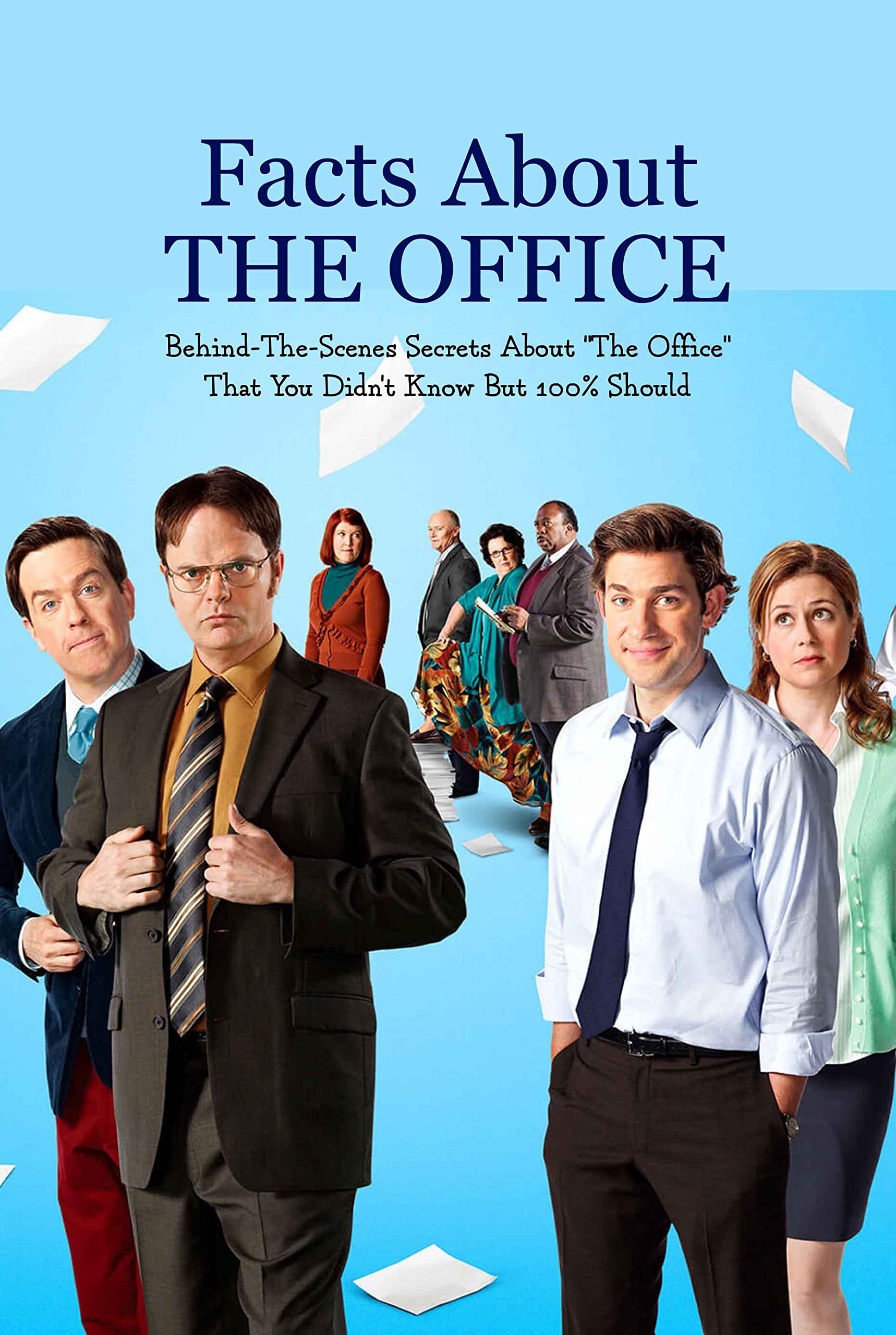
While the scripted material remains the core of the show’s legacy, the "off-camera" dynamic is perhaps the most requested content from the archives. Photography documenting the cast—Steve Carell, Rainn Wilson, John Krasinski, Jenna Fischer, and the ensemble—reveals a collaborative atmosphere that differs significantly from the often dysfunctional relationships between their characters.
Humanizing the Characters
There is a distinct contrast between the professional distance characters keep in the show and the camaraderie seen in behind-the-scenes photography. Images of the cast laughing together during rehearsals or breaking character during complex scenes offer insight into how the actors built the interpersonal trust necessary for the show’s high-stakes emotional beats. For example, photos taken during the filming of "Dinner Party" or "The Injury" show the cast navigating physical comedy setups, providing a look at the rehearsal process that turned chaotic physical scripts into choreographed comedic perfection.
Table 1: Technical and Creative Insights from Set Photography
| Aspect of Production | Behind-the-Scenes Revelation | Impact on Final Product |
|---|---|---|
| Camera Style | Handheld rigs and zooms | Created the "mockumentary" realism. |
| Lighting | Integrated fluorescent fixtures | Simulated genuine office atmosphere. |
| Set Geography | Modular/movable wall panels | Allowed for dynamic camera movement. |
| Actor Interaction | Heavy rehearsal/Improv focus | Built the genuine chemistry between leads. |
| Props/Environment | High-fidelity office stationery | Enhanced the show's grounding in reality. |
The Archives: Where to Find Verified Behind-the-Scenes Content
As of 2026, the primary repositories for high-quality, verified behind-the-scenes imagery remain the official archives of Universal Television and the personal portfolios of the show's original production photographers.
Verifying Authentic Content
Fans seeking legitimate behind-the-scenes documentation should prioritize sources with verified provenance. Many "behind-the-scenes" images circulating online are actually publicity stills—posed photos taken by professional photographers for marketing purposes. To distinguish these from authentic production photography, look for:
- Equipment Visibility: Authentic candid photos often include unintended glimpses of crew members, boom microphones, or cables.
- Attire: Actors are often seen in partial costumes or with script notes in their hands, rather than in perfectly staged positions.
- Source Attribution: Look for credit to the original set photographer, such as those often found in official retrospective books or interviews conducted by the production staff.
Frequently Asked Questions
Why do behind-the-scenes photos from The Office look so different from the show?
The show was color-graded to look like a drab, fluorescent-lit office environment. Behind-the-scenes photos are often raw, captured in natural lighting or with different camera settings, revealing the true colors of the set and the bright studio lighting used to compensate for the "documentary" look.
Were the office scenes actually filmed in Scranton, Pennsylvania?
No. The show was filmed primarily on a soundstage in Van Nuys, California. Behind-the-scenes photos often reveal the exterior of the studio lot or the warehouse setting used for the show’s interior geography, clearing up misconceptions about the show’s filming location.
Does the cast still hold private photography from the set?
Many cast members, including Jenna Fischer and Angela Kinsey, have shared private, behind-the-scenes photos through their retrospective media projects. These are considered the most authentic sources for "candid" moments that were not captured by the official production photographers.
How were the "talking head" interviews filmed differently?
Behind-the-scenes photos show that the talking head interviews were usually filmed in a designated corner of the office set. The camera setup was static, unlike the handheld roaming used for the office floor. Seeing these photos explains how the production was able to maintain a consistent look for the interviews across nine seasons.
Why is there such an interest in these photos in 2026?
The longevity of The Office as a cultural touchstone has created a demand for "artifact documentation." As the digital era progresses, fans seek to understand the manual, tactile nature of the show’s production before the industry moved toward more virtual and CGI-heavy filming techniques.
Are there photos of the deleted scenes?
Yes, some behind-the-scenes documentation includes photographs of scenes that were ultimately cut. These images are highly valued by collectors as they provide context for character arcs that were intended to be part of the final edit but were omitted for pacing.
Next Steps for Enthusiasts and Researchers
If you are looking to explore the production history of The Office further, your best path is to consult the production notes and companion books released by the show's cast and crew. These sources contain the most accurate, verified imagery that explains the technical hurdles and creative decisions behind the scenes. Start by reviewing official commemorative editions, which often include high-resolution galleries of set photography that are not available in public image databases. By focusing on these primary sources, you can ensure that the "revealed" content you are viewing is both accurate to the historical production and provides the context required to appreciate the craft of the series.
Image Gallery