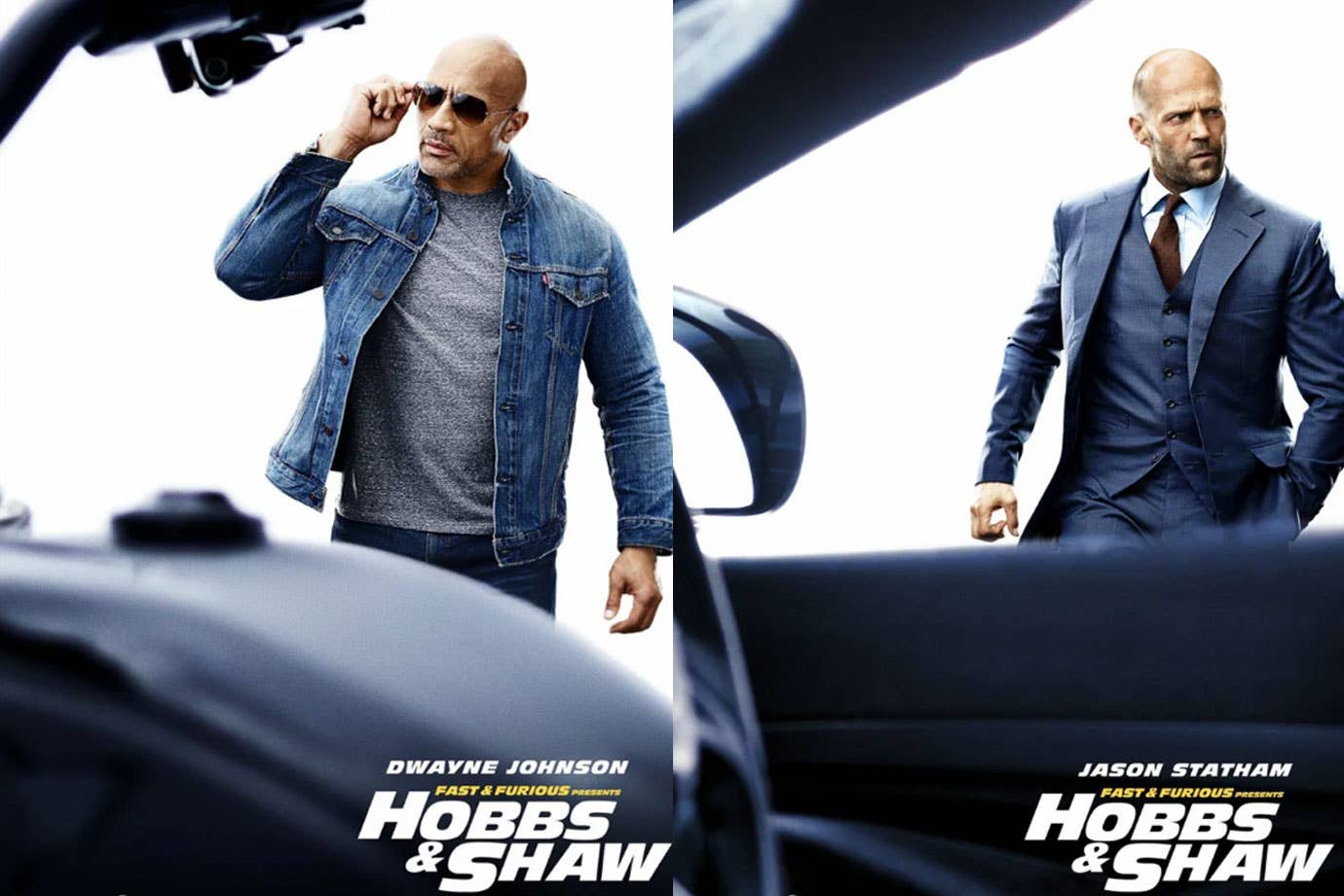
What Makes the Hobbs and Shaw Soundtrack Stand Out
The Hobbs & Shaw soundtrack stands out by blending high-energy hip-hop and electronic anthems with a global, rhythmic sensibility that mirrors the film's frantic, globetrotting action sequences. By curating a tracklist that balances in...
The Hobbs & Shaw soundtrack stands out by blending high-energy hip-hop and electronic anthems with a global, rhythmic sensibility that mirrors the film's frantic, globetrotting action sequences. By curating a tracklist that balances intense, aggressive bass lines with melodic, commercially appealing hooks, the album functions as a distinct sonic extension of the Fast & Furious franchise’s signature high-stakes adrenaline.
Contents
The 2019 film Fast & Furious Presents: Hobbs & Shaw, directed by David Leitch, required a musical identity that could pivot between the hyper-masculine posturing of Luke Hobbs (Dwayne Johnson) and the sleek, British-cool aesthetic of Deckard Shaw (Jason Statham). The soundtrack, released via Back Lot Music, achieves this by moving away from the traditional, purely orchestral score approach in favor of a curated, radio-ready compilation that reinforces the "buddy cop" dynamic through rhythm and lyrical aggression.
The Sonic Architecture of Global Action
The primary strength of the Hobbs & Shaw soundtrack lies in its deliberate effort to match the geographical scale of the movie. As the characters travel from Los Angeles to London and finally to Samoa, the music adapts to reflect these shifts. This is not merely background noise; it is a geographic anchor.
The heavy use of percussion, particularly in tracks reflecting the Samoan cultural elements toward the film's climax, serves to ground the movie’s more outlandish sci-fi elements in something visceral and organic. By prioritizing artists who utilize heavy sub-bass and crisp, modern production, the soundtrack ensures that the sound design remains punchy even in the most chaotic fight sequences. The producers understood that in an action film of this magnitude, the music must cut through the sound effects of gunfire, engines, and explosions, requiring a specific frequency range that dominates the mid-low end of the audio spectrum.
Curating the "Buddy Cop" Friction
The interplay between Hobbs and Shaw is defined by constant verbal sparring and physical one-upmanship. The soundtrack mirrors this with a structural "friction." Tracks like "Getting Started" by Aloe Blacc and JID introduce a polished, almost heroic narrative, while more aggressive, rapid-fire hip-hop tracks like those from Logic or Godemis provide the grit necessary for the film’s tactical sequences.
This contrast is essential because it allows the audience to distinguish between the film’s "hero moments" and its "combat moments." The soundtrack acts as a narrator, signaling when the film is leaning into its lighthearted, humorous banter and when it is focusing on the technical execution of a high-speed chase or a warehouse brawl. By alternating between high-tempo electronic tracks and melodic hip-hop, the soundtrack maintains a brisk pacing that never allows the audience to feel the lull of the film’s extended run time.
Technical Production: Modern Audio Engineering
For audiophiles and film score enthusiasts, the production values on the Hobbs & Shaw soundtrack represent a significant case study in modern action film audio mixing. Unlike films that rely heavily on a singular composer’s orchestral motifs, this soundtrack is a collaborative project involving numerous producers and engineers tasked with creating a "wall of sound."
Key technical elements that make this soundtrack effective include:
- Dynamic Range Compression: To ensure the music remains audible against intense sound mixing (SFX), the tracks utilize heavy compression, which keeps the energy levels consistently high throughout action scenes.
- Sub-Bass Saturation: Many tracks feature frequencies specifically tuned to engage theatrical subwoofers, providing the physical "thump" that characterizes the Fast & Furious experience.
- Stereo Field Utilization: The mix engineers frequently pushed aggressive panning, ensuring that in a surround-sound environment, the listener feels enveloped by the percussive elements, which mimics the feeling of being inside a high-performance vehicle.
Comparison of Soundtrack Philosophies
Understanding why this soundtrack works requires comparing it to other entries in the Fast & Furious lineage and the broader action genre.
| Feature | Hobbs & Shaw Soundtrack | Traditional Action Score |
|---|---|---|
| Composition Style | Curated Hip-Hop/Electronic Compilation | Orchestral/Thematic Motifs |
| Primary Goal | Energy and High-Stakes Pacing | Emotional Tension and Narrative Arc |
| Sonic Profile | Bass-heavy, Percussive, Modern | Dynamic, Orchestral, Dynamic Range |
| Artist Focus | Radio-friendly, Contemporary Stars | Specialized Film Composers |
This difference highlights a shift in blockbuster music production. Where an orchestral score focuses on recurring character themes, the Hobbs & Shaw approach focuses on "momentum maintenance." It is designed to keep the viewer’s heart rate elevated, which aligns with the film’s commercial objective of providing a relentless, fun-first entertainment experience.
Cultural Authenticity and Samoan Representation
A standout element of the film is its deep dive into Hobbs' heritage. The soundtrack reflects this authenticity by integrating traditional Pacific Islander rhythmic structures into modern hip-hop production. This was not a superficial inclusion; the music helped bridge the gap between the modern, mechanized world of the Fast & Furious franchise and the ancestral power associated with the protagonist's family in Samoa. By incorporating these rhythms, the soundtrack adds a layer of emotional weight to the finale that a generic electronic beat would have failed to achieve. This grounded, cultural resonance is a primary reason why the soundtrack remains a topic of interest years after the film's release.
Addressing Common Listener Questions
When engaging with the Hobbs & Shaw soundtrack, listeners often ask about the rationale behind specific song choices. Below are common inquiries answered by the context of the film's production.
1. Why does the soundtrack sound so much like a radio playlist? The Hobbs & Shaw soundtrack is intentionally designed as a compilation rather than a score. This choice allows for broader appeal, as the tracks are curated from popular contemporary artists, ensuring that the music feels relevant to the current pop-culture climate, mirroring the film's intent to be a "summer blockbuster" experience.
2. Does the music interfere with dialogue during the film? The sound engineers employed "frequency ducking" during the final film mix. This is a technical process where specific frequencies associated with dialogue are prioritized, allowing the heavy, bass-forward music to exist in the background without masking the critical banter between the two leads.
3. Is there a difference between the album version and the theatrical mix? Yes. The soundtrack album is mastered for dynamic listening on home audio systems and headphones. The theatrical mix is mastered for large-format cinema sound systems, which includes adjustments to the LFE (Low-Frequency Effects) channel to maximize the impact of sub-bass in a theater setting.
4. How does the soundtrack handle the film’s transition between locations? The soundtrack utilizes "sonic bridges"—short transition tracks or shifts in rhythm—that act as audio cues during travel montages. This ensures that even when the film moves from a sterile lab in London to the beaches of Samoa, the transition feels like a continuous, cohesive experience rather than a jarring change.
Practical Advice for Listening
To truly appreciate the engineering and composition of this soundtrack, it is recommended to listen on a high-fidelity audio system with a dedicated subwoofer. Because so much of the work relies on the lower-mid range frequencies, standard phone or laptop speakers will lose the nuance of the production, effectively "flattening" the audio.
If you are a student of film music or sound engineering, analyze the first 30 seconds of the track "Getting Started." Observe how the layering of the drum machine and the vocal track creates a sense of forward motion. This technique is applied throughout the film to ensure that the audience never feels a drop in the movie's tension, regardless of whether a scene is action-heavy or dialogue-focused.
By focusing on high-energy, modern production and a global musical perspective, the Hobbs & Shaw soundtrack remains an effective example of how contemporary blockbusters use music to define their identity and maintain audience engagement. Whether you are analyzing the film for its technical audio mixing or simply enjoying the high-octane energy of the tracks, the music serves as a masterclass in modern franchise branding.
Image Gallery