How to Get Employees to Care About My Business: A Guide to Cultivating Organizational Ownership
Getting employees to genuinely care about your business requires shifting the dynamic from transactional employment to a culture of shared purpose. When team members feel like owners of their work rather than mere cogs in a machine, th...
Getting employees to genuinely care about your business requires shifting the dynamic from transactional employment to a culture of shared purpose. When team members feel like owners of their work rather than mere cogs in a machine, they naturally align their personal efforts with the broader objectives of the organization. This transformation is not achieved through superficial perks or mandatory pep talks, but through systemic changes in communication, transparency, and the equitable distribution of responsibility.
Contents
The Foundation of Engagement: Psychological Ownership
The term "psychological ownership" describes a state where employees feel as though they possess a stake in the business's success. This is not about literal equity or stock options—though those can be part of the framework—but about the psychological bond between the individual and the organization. When employees perceive that their input influences the company’s trajectory, their commitment increases significantly.
To foster this, you must first eliminate the "us versus them" mentality often found in traditional hierarchies. This starts with how information is disseminated. If the rationale behind business decisions is kept behind closed doors, employees will inevitably view their tasks as arbitrary. By sharing the "why" behind operational shifts, financial targets, and long-term strategy, you provide the context necessary for employees to see how their daily contributions move the needle.
Transparency and the Mechanics of Information Sharing
A common mistake business owners make is assuming that "transparency" means sharing every granular detail of internal finances. In reality, effective transparency is about providing relevant context. Employees need to understand how the business makes money, where the risks lie, and how their specific department contributes to the bottom line.
- Financial Literacy Training: If your team does not understand your P&L (Profit and Loss) statement, they cannot possibly care about cost-cutting or revenue growth. Conduct workshops to teach employees the fundamentals of business math.
- Open-Book Communication: Consider adopting an open-book management style where key performance indicators (KPIs) are visible to all staff. When everyone is looking at the same dashboard, it becomes a collective effort to improve the metrics.
- The "Why" Context: Every time a new policy is introduced or a pivot is made, lead with the problem the business is solving. Explain the trade-offs involved so the team understands that the business operates within a reality of finite resources.
Aligning Personal Growth with Business Objectives
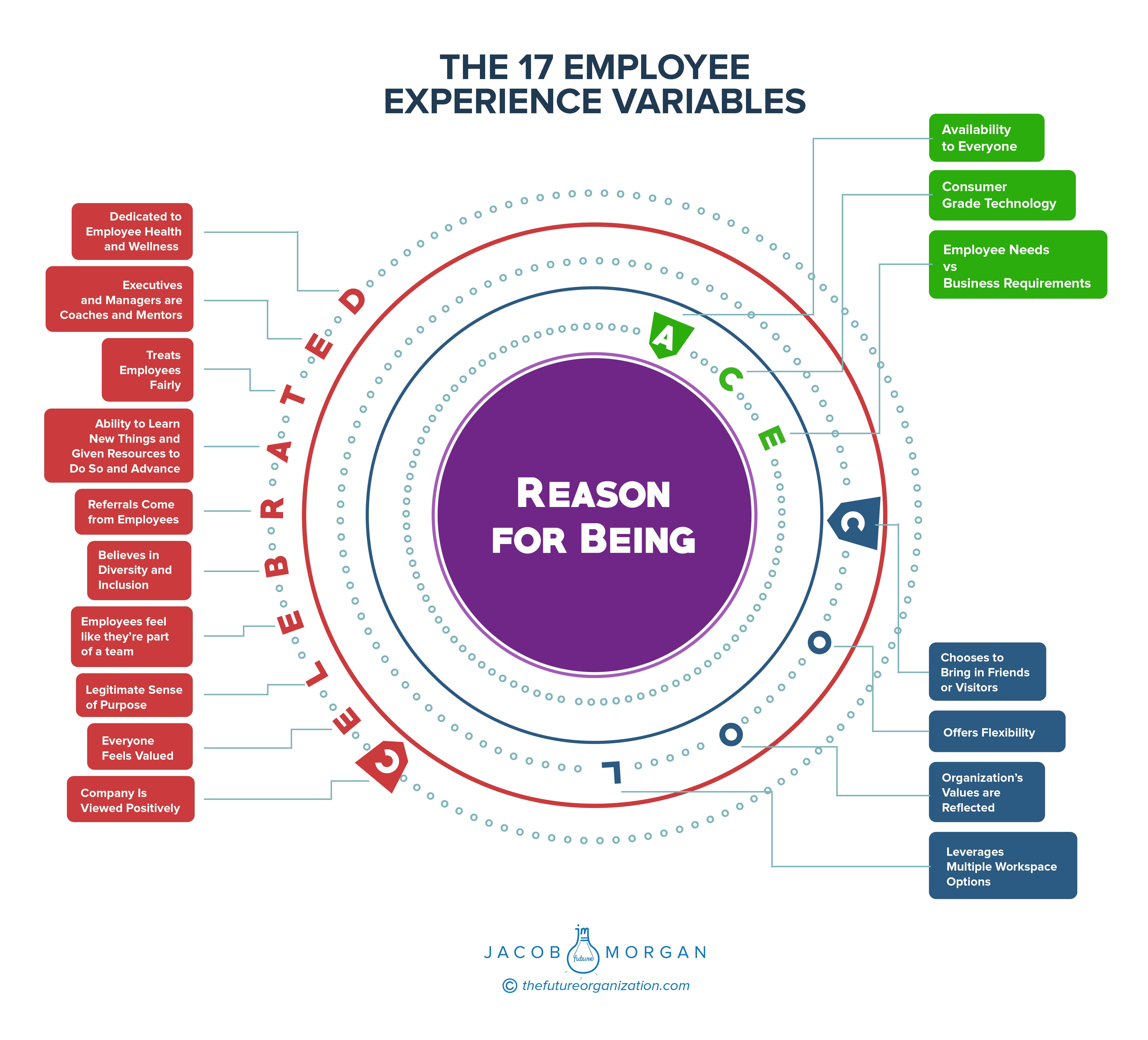
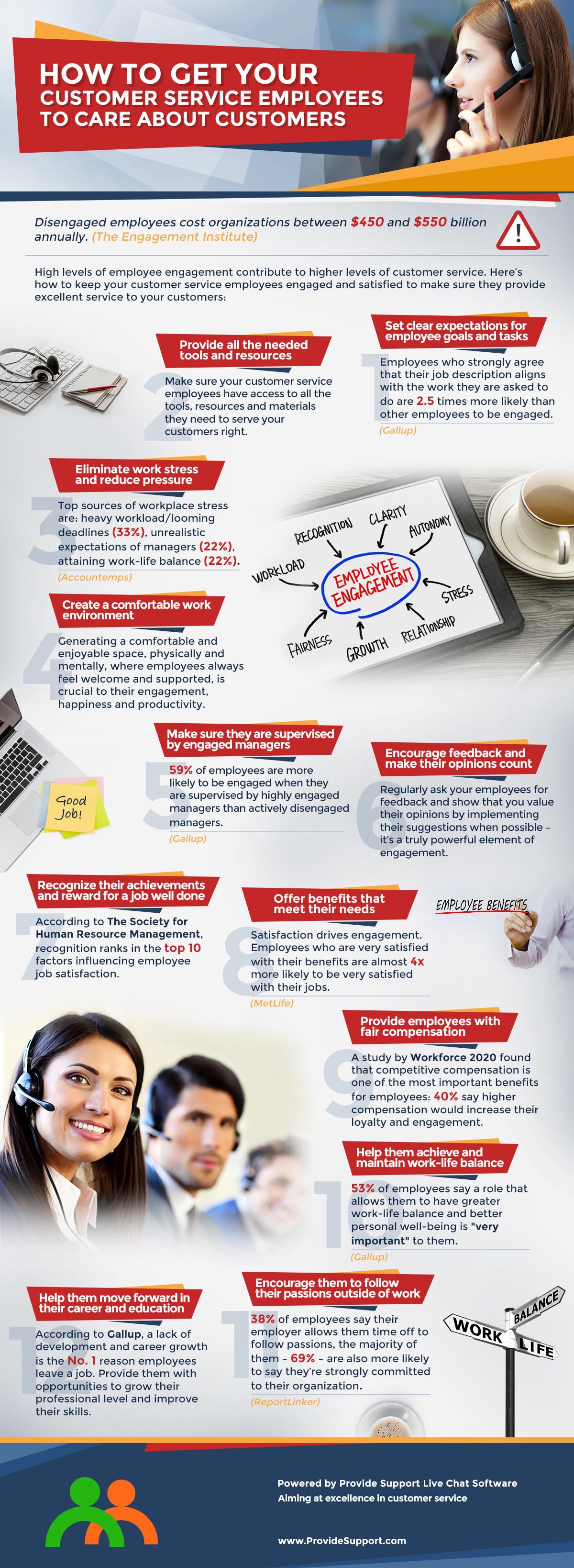
The most sustainable way to get employees to care is to ensure they can see a reflection of their own goals within the business’s mission. If an employee feels that their time with you is a "dead end" for their personal professional development, their motivation will be confined strictly to the tasks required to receive a paycheck.
You must curate an environment where professional mastery is encouraged. This involves regular feedback cycles that move beyond simple performance reviews. Use "stay interviews" to ask your top performers what they want to learn in the coming year and how you can help them achieve those milestones within the context of the business. When an employee feels that the business is an engine for their own professional evolution, they will naturally be more invested in that engine running smoothly.
Establishing a Feedback Loop That Works
Most employees become disengaged when they feel their feedback is disregarded. If you ask for their input during a meeting but fail to follow through or provide a clear explanation for why a suggestion wasn't implemented, you signal that their opinion holds little value.
Implement a structured mechanism for feedback that includes:
- Direct Channels: A predictable, non-punitive way for employees to voice concerns.
- Visible Action: When a suggestion is adopted, publicly credit the contributor and acknowledge the impact of their idea on the business.
- Rationale for Rejection: If an idea is not viable, take the time to explain the constraints (e.g., regulatory hurdles, budgetary limits, or strategic conflicts). Transparency in rejection is just as important as transparency in acceptance.
Comparison of Engagement Drivers
The following table summarizes the difference between traditional management methods and those that foster genuine organizational commitment.
| Driver | Traditional Approach | High-Ownership Approach |
|---|---|---|
| Communication | Top-down directives | Context-rich, bidirectional flow |
| Goals | Management-assigned quotas | Collaborative objective setting |
| Mistakes | Punitive accountability | Root-cause analysis and learning |
| Incentives | Pay-for-performance | Alignment with mission and growth |
| Culture | Compliance-based | Contribution-based |
Addressing the Barriers to Ownership
Even with the best intentions, you may encounter barriers that prevent employees from caring. The most prevalent of these is "learned helplessness"—a state where employees have been burned by previous leadership, or feel that the system is so rigged or disorganized that their effort makes no difference.
To combat this, you must provide "quick wins." Break long-term organizational goals into small, achievable segments where the team can see the impact of their work within a short timeframe. Celebrate these milestones consistently. When employees see that their labor results in measurable, tangible progress, the feedback loop between effort and reward is reinforced.
Furthermore, ensure that your management layer is not sabotaging these efforts. Managers who prioritize control over empowerment are the single biggest cause of disengagement. Your leadership team must be trained to coach rather than supervise. If a manager’s primary interaction is correcting mistakes rather than facilitating success, your attempts to build a culture of care will fail at the department level.
Frequently Asked Questions
How do I handle employees who are completely indifferent to the business? Indifference often stems from a lack of connection between their effort and the outcome. Start by mapping their daily tasks to the company’s ultimate goals. If, after providing clear context and opportunities for ownership, they remain indifferent, evaluate whether the role is the right fit for their personal values.
Is offering stock options the only way to get employees to care? No. While equity can align financial interests, it does not guarantee psychological ownership. Many employees care deeply about their work because of the culture, the quality of their team, and the mastery they achieve, regardless of their ownership stake.
How often should I share business updates? Consistency is more important than frequency. Whether you choose a weekly huddle or a monthly town hall, stick to a schedule. Regular, predictable communication builds trust, which is the prerequisite for caring.
Can I force employees to care? You cannot force genuine care. You can only create an environment where caring is the natural response to how the organization treats its people. Trying to mandate "passion" usually results in performative compliance rather than authentic engagement.
What if my business is currently failing? Radical honesty is your best tool during tough times. When a business is in distress, employees often sense it. If you attempt to sugarcoat the situation, you lose credibility. Sharing the reality of the struggle and asking for their collaborative help to turn the ship around is a powerful way to foster collective responsibility.
Next Steps: The 30-Day Audit
To begin fostering this change, commit to a 30-day "Ownership Audit." In the first week, hold listening sessions with your team to determine what they believe the business’s main challenges are. In the second week, share the financial or operational realities of those challenges. In the third week, invite them to propose solutions to one specific bottleneck. In the fourth week, implement one of those solutions, track the results, and report back to the team. This process creates a cadence of collaboration that sets the tone for a more engaged, ownership-oriented culture.
Image Gallery