The Function of an Egg Cell: Biological Foundations and Reproductive Purpose
The primary function of an egg cell, or ovum, is to contribute half of the genetic material required to create a new organism while providing the essential cytoplasmic environment, nutrients, and organelles necessary to support early e...
The primary function of an egg cell, or ovum, is to contribute half of the genetic material required to create a new organism while providing the essential cytoplasmic environment, nutrients, and organelles necessary to support early embryonic development following fertilization. It serves as the female gamete in sexual reproduction, acting as a highly specialized vessel designed to fuse with a sperm cell to initiate the complex process of life.
Contents
The Biological Significance of the Ovum
In biological terms, the egg cell is one of the most critical units of life in sexually reproducing species. Unlike the sperm, which is optimized for mobility and delivery of DNA, the egg is optimized for longevity, protection, and the initial provision of life-sustaining resources. The process of oogenesis, which produces these cells, is a sophisticated sequence of cellular maturation that ensures the egg is prepared to handle the mechanical and chemical stresses of fertilization.
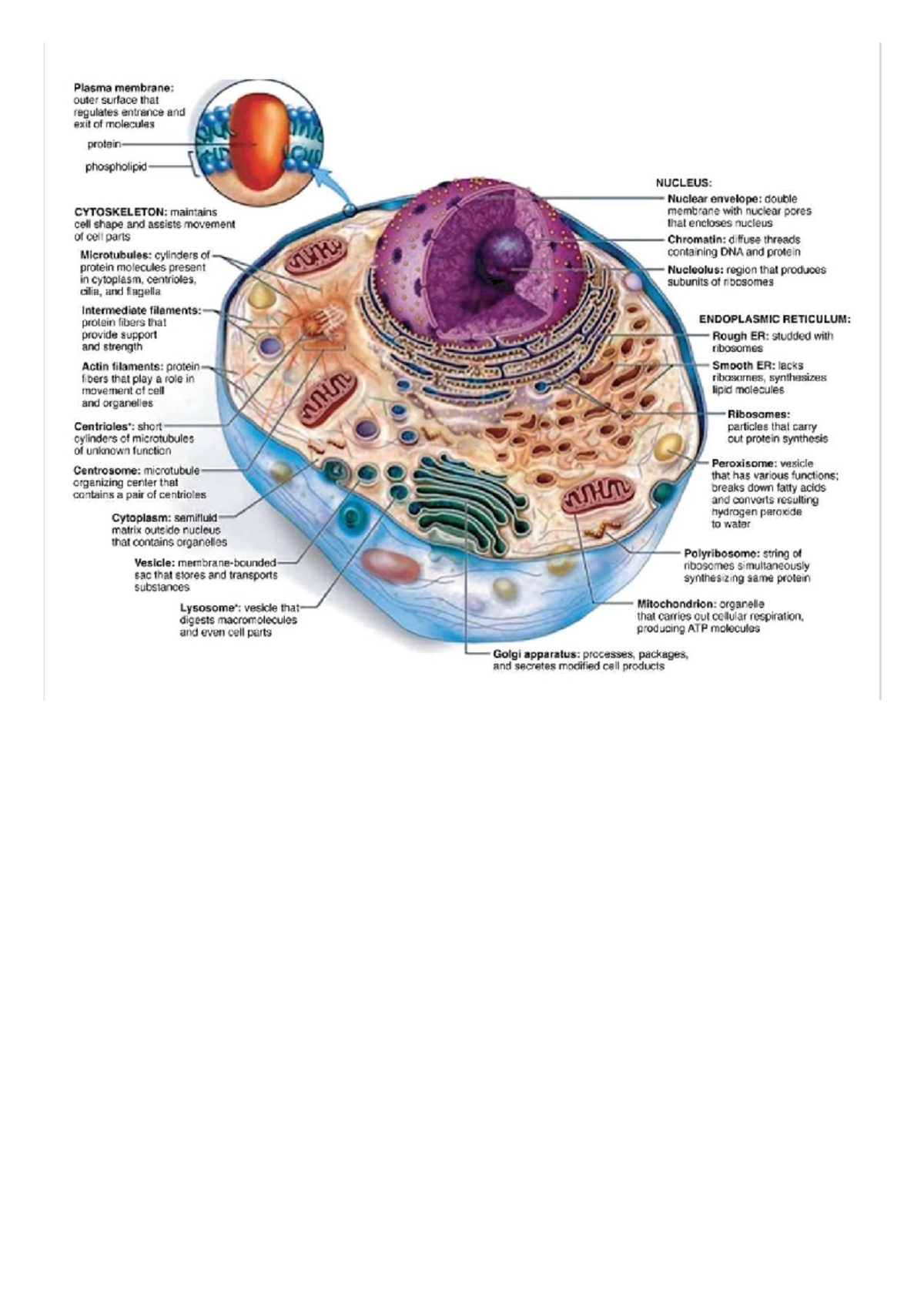
The egg cell does not function merely as a static container of genetic code. It is a metabolically active cell that governs the early stages of the zygote's life. By providing the vast majority of the cytoplasm and all of the mitochondria—the "powerhouses" of the cell—to the resulting embryo, the egg cell acts as the foundational blueprint and engine for all subsequent cellular divisions.
Structural Components and Their Functions
To understand the function of an egg cell, one must examine its complex anatomy. Each component serves a distinct role in ensuring that fertilization is successful and that the resulting embryo is viable.
The Zona Pellucida
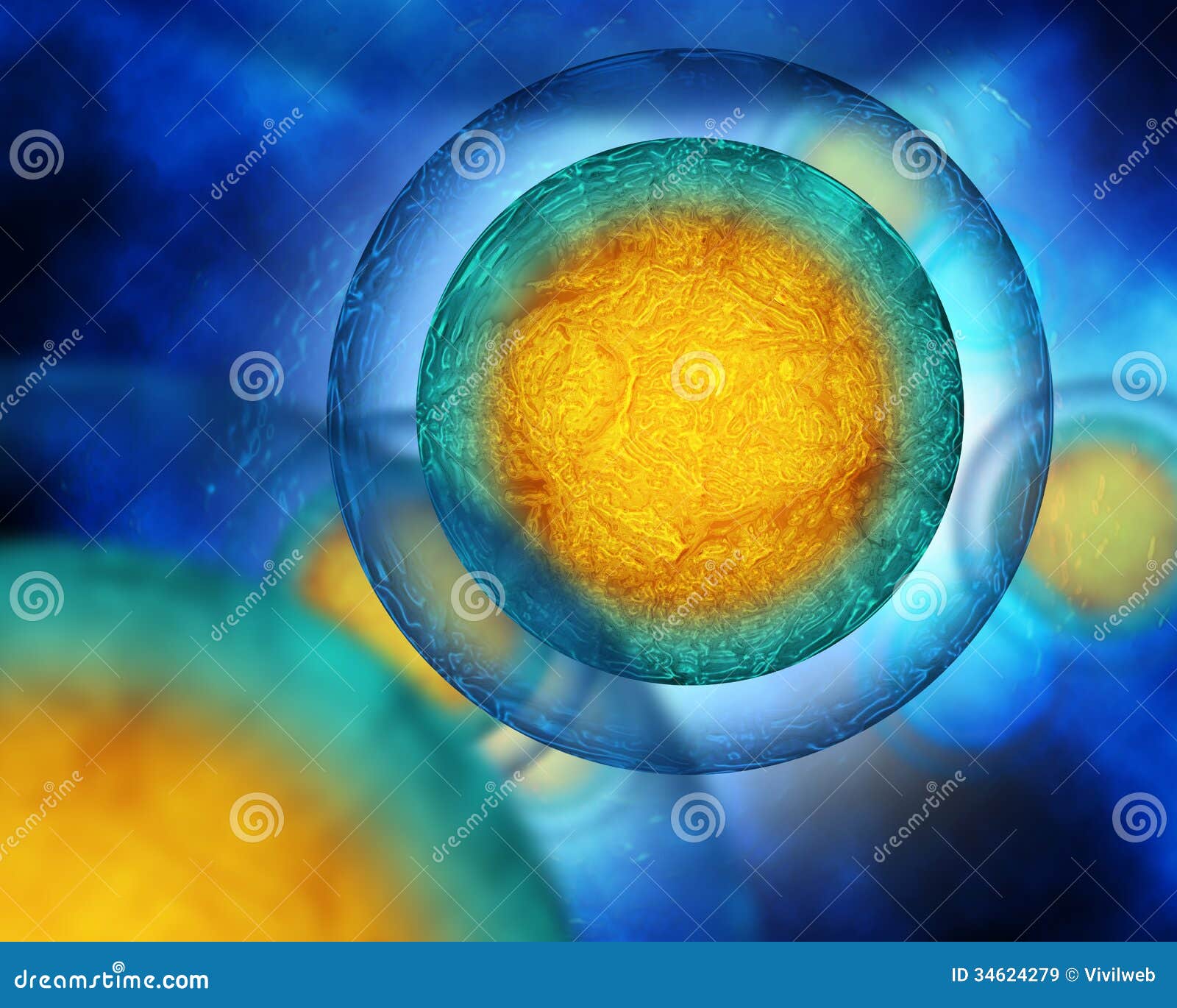
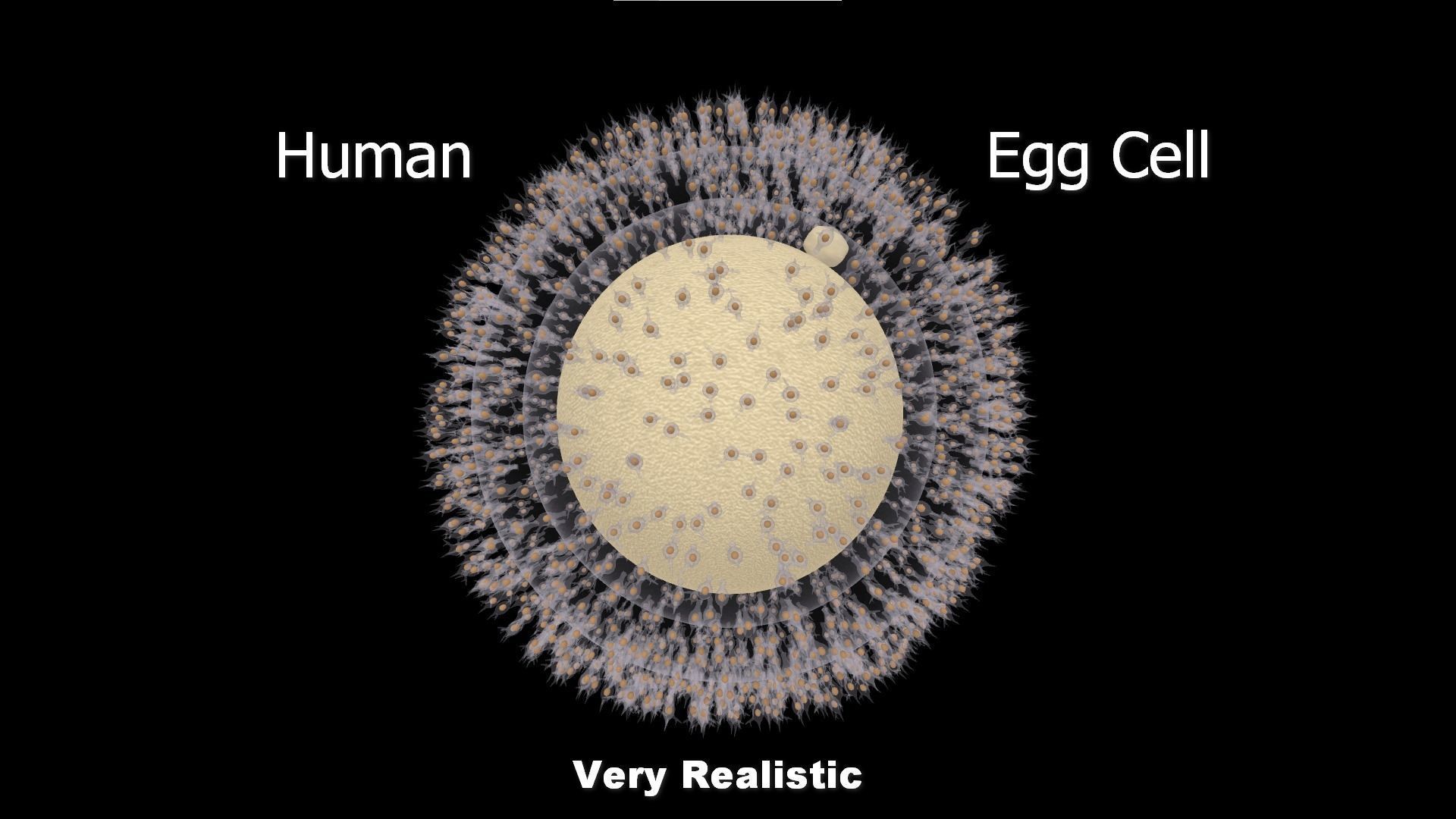
The zona pellucida is a specialized extracellular matrix that surrounds the plasma membrane of the egg. It acts as a protective shield and a species-specific barrier. It contains glycoprotein receptors that interact with the sperm, ensuring that only compatible sperm can initiate the penetration process. Once a single sperm succeeds in fertilizing the egg, the zona pellucida undergoes the cortical reaction—a chemical change that renders it impermeable to other sperm, preventing polyspermy, which would be fatal to the embryo.
The Cytoplasm and Nutrients
The cytoplasm of the egg cell is rich in proteins, mRNA, ribosomes, and lipids. These stored resources are vital because, in the initial hours and days following fertilization, the embryo does not have access to external nourishment. The egg provides the "starter kit" that allows the embryo to survive until it can implant into the uterine wall and establish a connection with the maternal circulatory system.
The Mitochondria
Mitochondria are unique because they are typically inherited exclusively from the mother through the egg. These organelles carry their own distinct DNA (mtDNA) and are responsible for producing the adenosine triphosphate (ATP) that powers the metabolic activities of the developing embryo. The functional health of these mitochondria is a primary determinant of early embryonic development success.
The Process of Fertilization
The functional lifecycle of an egg cell culminates in fertilization. This is a multi-stage event that requires precise biological signaling:
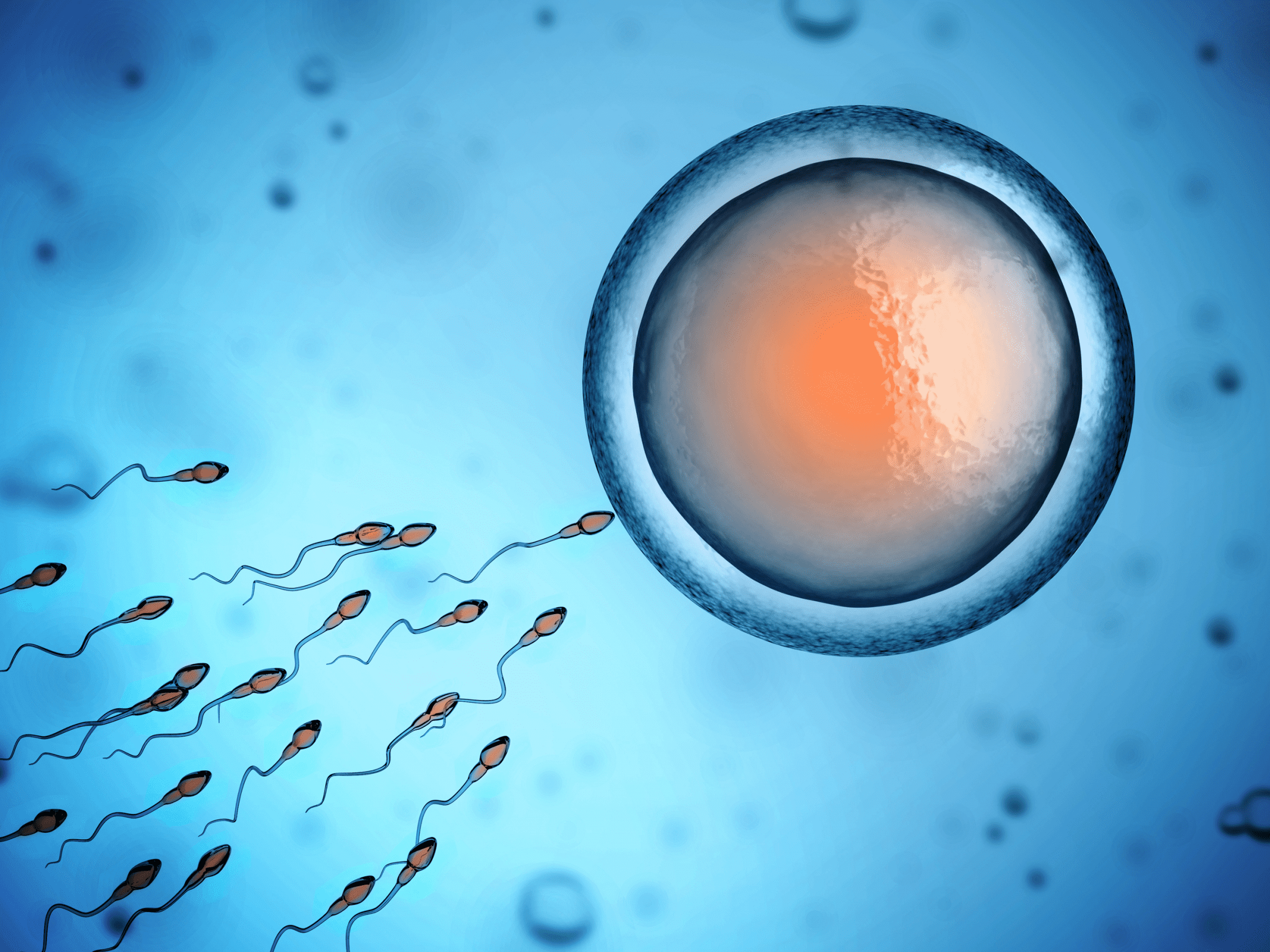
- Chemotaxis: The egg releases specific chemical signals that guide the sperm toward its location within the fallopian tube.
- Acrosome Reaction: Upon contact with the zona pellucida, the sperm releases enzymes that allow it to digest a path through the egg's protective layers.
- Fusion: The plasma membranes of the sperm and the egg fuse, allowing the sperm's nucleus to enter the egg's cytoplasm.
- Activation: The entry of the sperm triggers a calcium wave throughout the egg, which completes the egg’s final meiotic division and initiates the development of the zygote.
Comparison of Gamete Functions
Understanding the egg cell requires contrasting it with the sperm cell. While both are haploid (containing half the number of chromosomes of a somatic cell), their physiological contributions are vastly different.
| Feature | Egg Cell (Ovum) | Sperm Cell |
|---|---|---|
| Size | Large, contains significant cytoplasm | Minute, mostly nuclear material |
| Mobility | Non-motile (transported by cilia) | Highly motile via flagellum |
| Organelle Input | Provides all mitochondria/cytoplasm | Provides centrioles |
| Quantity | Limited supply (born with a set amount) | Produced continuously throughout life |
| Primary Goal | Sustenance and genetic storage | Genetic delivery |
The Role of Meiosis in Egg Maturation
The development of a functional egg cell occurs through meiosis, a specialized form of cell division that reduces the chromosome count by half. In humans, this process is unique; it begins before birth, pauses in a state of suspended animation (prophase I), and only completes for a specific egg during ovulation in adulthood.
This maturation process ensures that when the egg is released, it is primed for the sudden metabolic demands of fertilization. If fertilization does not occur, the egg cell typically degenerates, and the cycle of the female reproductive system resets, usually leading to menstruation. This highlights the highly specialized nature of the egg: it is a "time-sensitive" cell, designed for a specific window of opportunity.
Evolutionary Advantages
The investment required to produce an egg cell is significant compared to the production of sperm. Evolutionarily, this asymmetry drives many of the behavioral and physiological patterns observed in mammals. Because the egg cell represents a substantial metabolic "investment" by the female, the biological function of the egg is deeply linked to the survival of the species. It must ensure that the genetic material is protected from environmental mutagens and that the initial developmental environment is perfectly tuned for the success of the species.
Frequently Asked Questions
What happens if an egg cell is not fertilized?
If an egg cell is not fertilized within 12 to 24 hours of ovulation, it loses its viability. It then breaks down, and the hormonal signals that prepared the uterine lining for potential implantation begin to drop, eventually triggering the shedding of the uterine lining, known as menstruation.
Why does the egg provide all the mitochondria?
During the fusion process, the sperm's mitochondria are typically located in its midpiece, which often remains outside the egg or is actively degraded after entry. Because the egg is so much larger and already contains a robust supply of healthy mitochondria, the embryo defaults to the maternal mitochondrial lineage, which is essential for consistent energy production in the early stages of life.
How many eggs does a person have?
A person assigned female at birth is born with a finite number of primordial follicles, usually numbering in the low millions. By puberty, this number decreases to approximately 300,000 to 400,000. Throughout the reproductive years, only about 400 to 500 of these will reach maturity and be released during ovulation.
What is the difference between an oocyte and an ovum?
The term "oocyte" refers to the egg cell while it is in the process of developing (meiosis). Once it has completed the final stages of maturation and is ready for fertilization, it is referred to as an "ovum." In general conversation, these terms are often used interchangeably, but "ovum" is more technically precise for a mature, fertilizable egg.
Can a damaged egg cell be fertilized?
While a damaged egg cell may be physically penetrated by a sperm, the likelihood of successful embryo development is significantly lower. Damage to the egg's cytoplasmic contents, organelles, or the integrity of the zona pellucida can lead to fertilization failure or early embryonic arrest, which is a common factor in age-related fertility challenges.
Recommendation for Further Inquiry
For those studying the reproductive system or addressing fertility concerns, it is essential to consult verified clinical resources such as the American Society for Reproductive Medicine (ASRM) or peer-reviewed literature indexed in PubMed. These organizations provide data regarding the physiological health of gametes and the factors that influence reproductive success. Individuals seeking personal medical guidance should prioritize consultations with board-certified reproductive endocrinologists who can provide personalized assessments based on clinical diagnostics.
Image Gallery