How a Toilet Fixer Saves You Money: Long-Term Financial Impact of Proactive Maintenance
A professional toilet fixer saves you money by identifying and resolving minor mechanical issues—such as silent leaks, failing fill valves, or worn flapper seals—before they escalate into expensive structural water damage, astronomical...
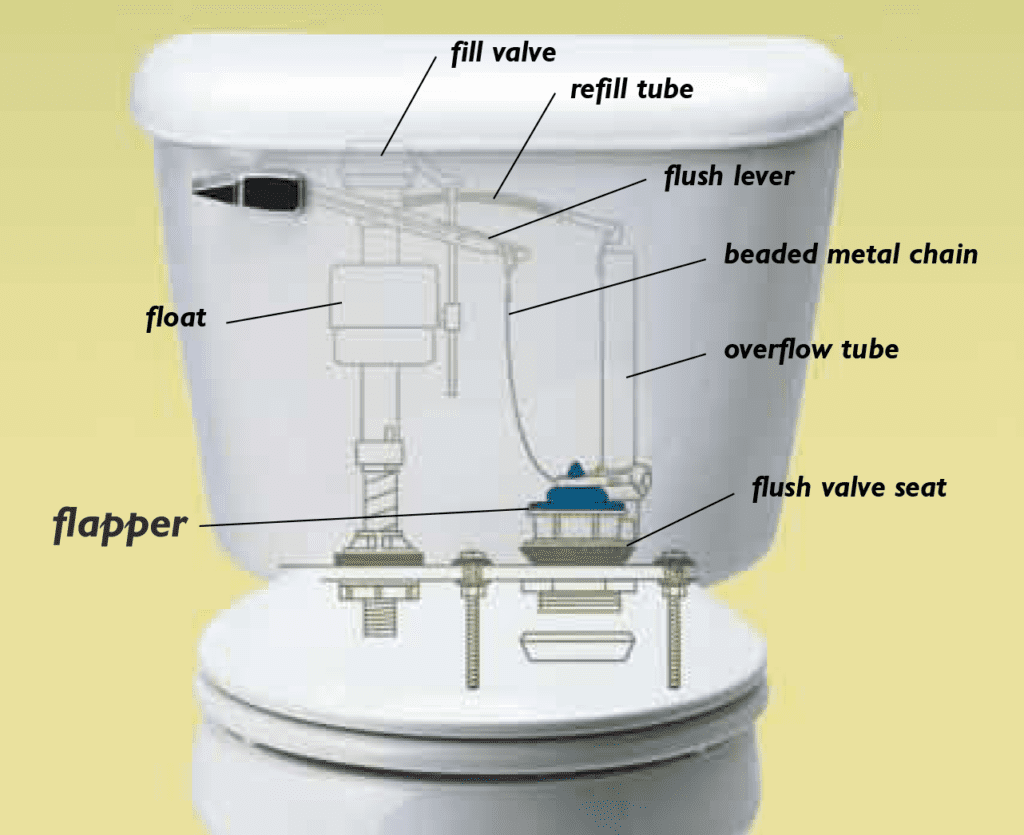
A professional toilet fixer saves you money by identifying and resolving minor mechanical issues—such as silent leaks, failing fill valves, or worn flapper seals—before they escalate into expensive structural water damage, astronomical utility bills, or the need for complete toilet replacement. By optimizing water efficiency and preventing plumbing disasters, these repairs provide a high return on investment.
Contents
The Hidden Costs of Minor Toilet Malfunctions
Many homeowners view a "running" or "ghost-flushing" toilet as a minor annoyance rather than a financial liability. However, a toilet that does not shut off correctly can waste thousands of gallons of water every month. In the context of 2026 utility rates, where municipal water and sewage charges continue to rise in many urban areas, this waste is a significant monthly expense.
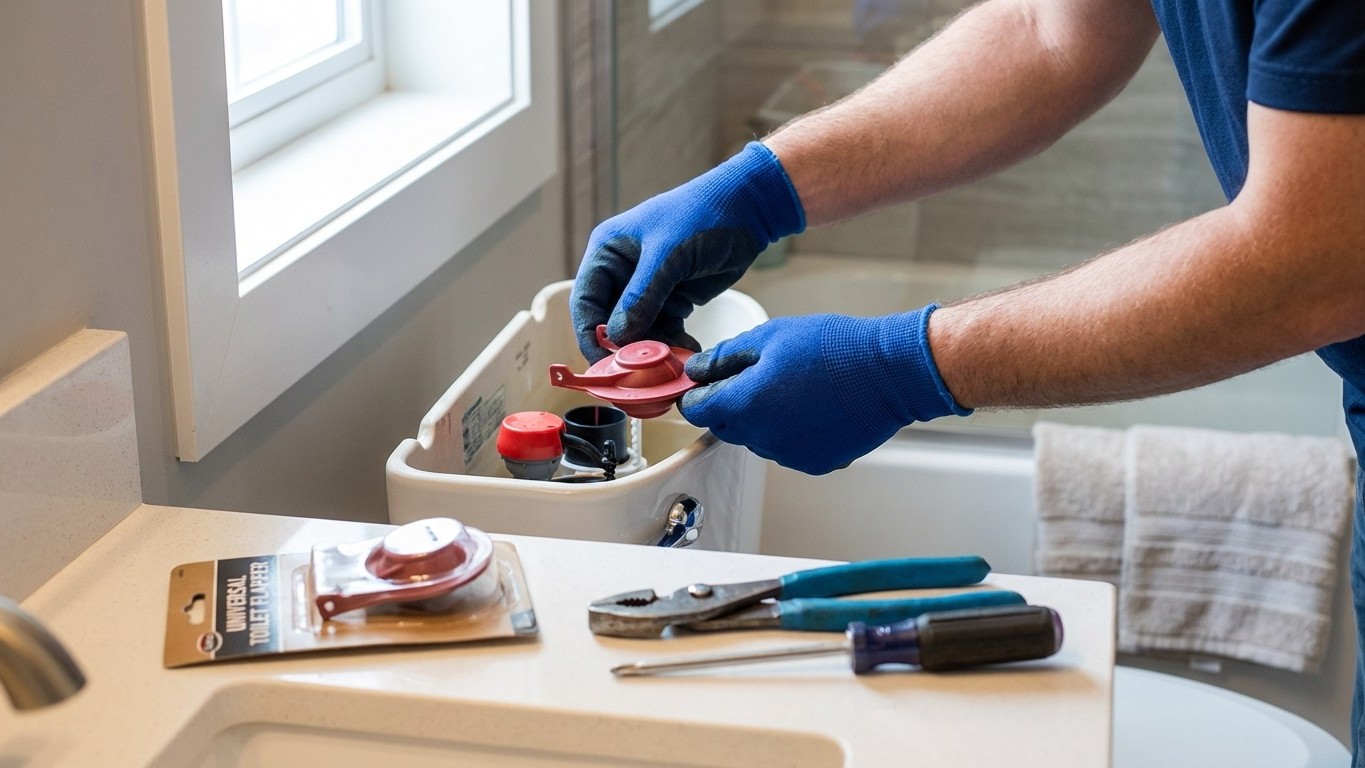
When the internal components of a toilet—the fill valve, the flush valve, or the flapper—begin to degrade, the toilet may run continuously without making a loud sound. This is often referred to as a "silent leak." Because there is no obvious puddle on the bathroom floor, homeowners often overlook the issue. A skilled toilet fixer uses diagnostic tools, such as dye tablets or specialized flow meters, to verify these leaks. By replacing a $15 flapper or a $30 fill valve, you can prevent hundreds of dollars in unnecessary water charges over a single year.
Preventive Maintenance vs. Emergency Repairs
The financial logic behind hiring a professional for toilet maintenance is similar to servicing an HVAC system or an automobile. Reactive, emergency plumbing calls are significantly more expensive than scheduled, routine maintenance.
- Emergency Call-Out Fees: Emergency services outside of standard business hours often command a premium hourly rate. By addressing a slow-draining toilet or a wobbly base during a standard service visit, you avoid the "after-hours" surcharge.
- Preventing Water Damage: A failing wax ring seal can allow water to seep under the toilet base. Over time, this rots the subfloor and creates a breeding ground for mold and mildew. Removing and reinstalling a toilet to fix a seal is a manageable task for a pro; repairing a rotted bathroom floor involves flooring contractors, potential mold remediation, and significant construction costs.
- Component Compatibility: Professional fixers ensure that the parts installed are compatible with your specific model. Using "universal" parts that do not quite fit can lead to improper flushing, multiple flushes per use, and increased mechanical wear, all of which decrease the lifespan of the fixture.
Evaluating Water Efficiency and Modern Upgrades
In 2026, water conservation is both an environmental priority and a financial mandate. Older toilets, specifically those manufactured before the transition to high-efficiency standards, often use 3.5 to 5 gallons per flush (GPF). Modern, EPA WaterSense-labeled toilets operate at 1.28 GPF or less.
A professional toilet fixer can provide a cost-benefit analysis regarding your current fixture. If your toilet is frequently requiring repairs, the "repair vs. replace" threshold may have been reached. A professional can assess:
- Mechanical Reliability: Is the porcelain body compromised, or is the plumbing system around it failing?
- Water Consumption: What is the specific volume of your current flush, and how much could you save annually by installing a dual-flush or high-efficiency model?
- Future-Proofing: Installing a new, compliant unit ensures that you are protected against future water price hikes and that the bathroom remains compliant with local building codes, which can be a factor during home sales.
Comparison of Potential Costs: Repair vs. Neglect
The following table illustrates the financial difference between proactive repair and allowing a minor toilet issue to progress.
| Scenario | Immediate Cost | Long-Term Impact | Financial Result |
|---|---|---|---|
| Silent Leak (Neglected) | $0 | Monthly water bill increase; potential floor rot | High ($300–$2,000+) |
| Professional Seal/Valve Repair | $150–$300 | Restored efficiency; zero leaks | Low ($150–$300) |
| Emergency After-Hours Fix | $400–$600 | Immediate relief; higher service fees | Moderate/High |
| Complete Unit Replacement | $500–$1,200 | Permanent efficiency upgrade | Investment |
Common Mistakes to Avoid When Troubleshooting
When attempting to diagnose toilet issues, many homeowners commit errors that ultimately cost more money. Understanding these pitfalls is vital for anyone looking to save.
Using Chemical Drain Cleaners Chemical drain openers are harsh and can damage older pipes, melt internal plastic components within the tank, and cause skin or eye irritation. If a toilet is clogged, a professional uses manual tools like a specialized closet auger that clears the obstruction without compromising the integrity of the porcelain or the plumbing system.
Ignoring the Wobbly Base A rocking toilet is not just a nuisance; it is a sign that the flange bolts are loose or the floor is uneven. If the base moves, the wax ring—which creates the watertight seal between the toilet and the drain pipe—will break. Once this seal is broken, sewer gases can enter the home, and water will leak every time you flush. Tightening the bolts yourself can sometimes cause the porcelain to crack if over-tightened, leading to a much more expensive repair.
Incompatible Part Installation Many retail stores sell "one-size-fits-all" repair kits. However, toilet designs vary greatly between manufacturers like Kohler, American Standard, and Toto. Installing the wrong length of chain or an incorrect flush valve height can lead to poor flush performance, forcing users to flush multiple times, which essentially doubles or triples your water usage per visit.
Frequently Asked Questions
How can I tell if my toilet is leaking silently? Place a few drops of food coloring into the tank (not the bowl) and wait 30 minutes. If the color appears in the bowl without anyone flushing, your flapper valve is not sealing, and water is leaking constantly.
Does a professional fixer charge by the hour or by the job? Most professional plumbers and toilet specialists provide flat-rate pricing for standard repairs like replacing a fill valve or wax ring. This protects the homeowner from fluctuating costs due to unforeseen delays during the repair process.
Is it always better to replace an old toilet than to repair it? Not necessarily. If the toilet is a high-quality model and the issue is a simple mechanical part, a repair is more cost-effective. However, if the toilet is over 20 years old and uses excessive water, replacement is usually the better long-term financial decision.
Can a fixer help me with local water utility rebates? Many municipal water departments offer rebates for upgrading to high-efficiency toilets. A professional installer can often provide the necessary documentation or certification required to claim these rebates, effectively lowering the net cost of the upgrade.
Next Steps: Protecting Your Investment
To maximize your savings, conduct a "bathroom audit" once every six months. Listen for sounds of running water when the toilet has not been used, check the floor around the base for any moisture, and ensure the tank lever functions smoothly without requiring extra force. If you notice any of these signs, contact a licensed plumber or specialized toilet fixer immediately. Addressing the issue before a component failure turns into a plumbing emergency is the single most effective way to protect your budget and your home’s infrastructure.
Image Gallery