How Crypto Housing Reshapes Home Buying
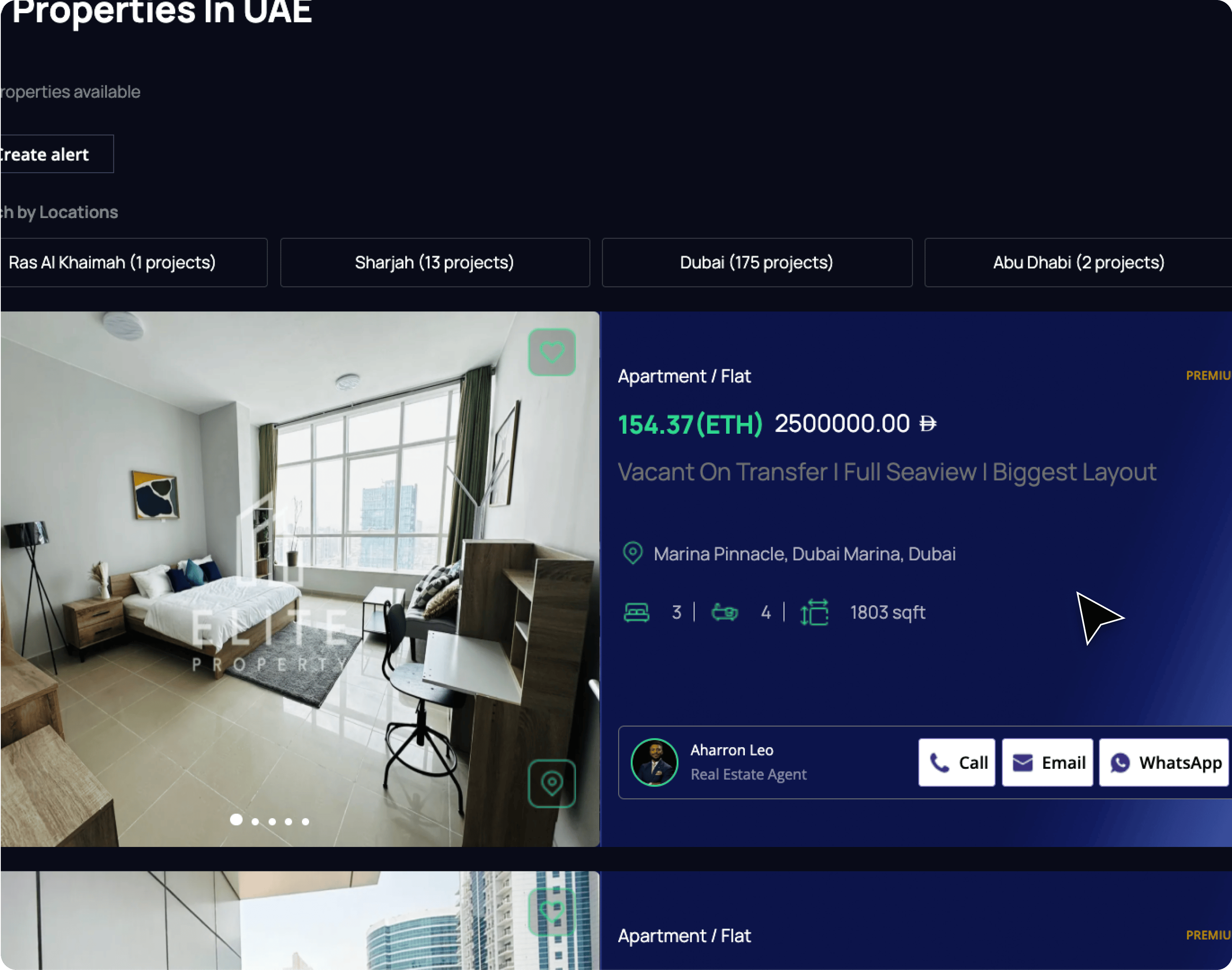
Crypto housing refers to the integration of blockchain technology, digital assets, and decentralized finance (DeFi) protocols into the residential real estate market. By enabling tokenized property ownership, smart contract-based escro...
Crypto housing refers to the integration of blockchain technology, digital assets, and decentralized finance (DeFi) protocols into the residential real estate market. By enabling tokenized property ownership, smart contract-based escrow, and direct cryptocurrency-to-fiat settlements, this approach aims to reduce transaction friction, increase liquidity for high-value assets, and bypass traditional intermediary-heavy banking workflows.
Contents
The Mechanism of Tokenized Real Estate
At the core of the shift toward crypto housing is the concept of tokenization—the process of converting rights to an asset into a digital token on a blockchain. In 2026, this technology is primarily applied to fractional ownership and the acceleration of settlement periods. When a property is tokenized, its legal deed is recorded in a way that allows the asset to be divided into digital shares.
For the average buyer, this means the barrier to entry for real estate investment is significantly lowered. Instead of requiring a massive down payment for a single residential unit, an individual can purchase a percentage of a property. These tokens are managed via smart contracts—self-executing agreements with the terms of the contract directly written into lines of code. When a purchase condition is met, such as the transfer of funds to an automated escrow, the contract executes the transfer of ownership without waiting for manual clearinghouse validation.
Streamlining the Transaction Workflow
Traditional home buying is often a multi-week ordeal characterized by title insurance, manual underwriting, and fragmented communication between lenders, title companies, and brokers. Crypto housing introduces a paradigm of "atomic settlement." Because the ledger is distributed and immutable, all parties view the same "source of truth" regarding property history, liens, and ownership status.
- Digital Identity Verification: Buyers and sellers use decentralized identity (DID) frameworks to prove their financial solvency and legal standing without redundant paperwork.
- Automated Escrow: Smart contracts hold funds in a digital vault until the specific conditions of the purchase are met, effectively replacing the need for traditional third-party escrow agents.
- Instant Settlement: Once the transfer is authorized on the blockchain, the change of ownership is finalized in minutes rather than days, significantly reducing the "at-risk" window between offer acceptance and closing.
Comparison: Traditional vs. Blockchain-Enabled Real Estate
The table below highlights the operational differences between conventional home buying and the crypto-integrated model prevalent in modern digital real estate platforms.
| Feature | Traditional Home Buying | Crypto Housing Model |
|---|---|---|
| Settlement Time | 30–60 Days | 1–5 Days |
| Intermediaries | Banks, Escrow, Title Co. | Blockchain Nodes/Smart Contracts |
| Entry Barrier | High (20% Down Payment) | Low (Fractional/Tokenized) |
| Liquidity | Low (Illiquid asset) | High (Secondary token markets) |
| Transaction Fees | 3%–6% of Sale Price | 0.5%–2% (Platform dependent) |
Legal, Regulatory, and Compliance Prerequisites
While the technological promise of crypto housing is significant, it operates within a complex web of jurisdictional requirements. In 2026, real estate remains a localized asset governed by specific land-registry laws. A blockchain token cannot bypass a state or municipal requirement to record a deed at the local county office.
Most successful crypto-housing implementations utilize a "hybrid" model. In this setup, the property is held by a Special Purpose Vehicle (SPV), such as a Limited Liability Company (LLC). The digital tokens represent shares in that LLC, which in turn owns the property. This ensures that the transaction remains compliant with existing property laws while leveraging the speed and transparency of blockchain rails for the financial transfer.
Buyers must ensure that the platform they use adheres to local Know Your Customer (KYC) and Anti-Money Laundering (AML) regulations. Failure to verify the compliance status of a tokenized platform can result in the loss of legal recourse if the underlying property title is contested.
Practical Risks and Considerations
The transition to crypto-native home buying is not without substantial risks. The most immediate concern is the volatility of digital assets. If a buyer agrees to a purchase price denominated in a volatile cryptocurrency, a sudden market swing during the settlement period could jeopardize the deal. Consequently, most institutional-grade platforms in 2026 mandate the use of stablecoins pegged to fiat currencies like the U.S. Dollar or Euro to mitigate this risk.
Furthermore, technical security remains paramount. Because blockchain transactions are irreversible, a phishing attack or the loss of private keys can lead to the permanent loss of ownership tokens. Unlike a traditional bank account, there is often no "customer support" line to reverse a blockchain transaction. Buyers must utilize self-custody hardware wallets for their tokens and perform thorough due diligence on the smart contract audits provided by the platform.
Common Questions Regarding Crypto Real Estate
Can I buy a house entirely with Bitcoin? Most jurisdictions require real estate transactions to be recorded in local fiat currency. While some sellers may accept cryptocurrency, you will likely need to convert your crypto into fiat through a licensed exchange to satisfy title, tax, and mortgage recording requirements.
Are tokenized property rights legally binding? Usually, they are legally binding through an underlying entity structure like an LLC. The token represents your ownership stake in that entity. Always consult a real estate attorney to verify that the tokenized structure is recognized as a valid deed transfer in your specific jurisdiction.
What happens if the platform hosting my tokens goes out of business? If the platform is properly structured, your assets should be held in an SPV that is independent of the platform's corporate balance sheet. However, you should review the "Terms of Service" to understand how ownership data is recovered if the frontend interface fails.
Is mortgage financing available for crypto housing? As of 2026, crypto-backed mortgages are a niche offering. Some lenders allow you to use your crypto portfolio as collateral for a loan, which can then be used to purchase property, but these loans often come with strict "margin call" triggers if your crypto collateral drops in value.
Are there tax implications for buying real estate with crypto? Yes. In most jurisdictions, disposing of cryptocurrency to purchase a property is a "taxable event." You may owe capital gains tax on the appreciation of your crypto assets at the time of the sale, regardless of whether you are buying a home.
Next Actions for Prospective Buyers
If you are considering participating in the crypto housing market, begin by auditing your current liquidity. Determine if your goal is full ownership or fractional investment. If you are seeking full ownership, prioritize platforms that offer integration with traditional title services. If you are looking for fractional investment, verify that the platform provides clear disclosures on the dividend structures (e.g., rental income distribution) and secondary market liquidity.
Always secure your digital assets in hardware wallets, avoid platforms that do not provide third-party smart contract audits, and ensure that any property purchase is vetted by a local, qualified real estate attorney. The shift toward blockchain in real estate is creating significant efficiencies, but the responsibility for verifying the legal and technical integrity of the transaction remains firmly with the buyer.
Image Gallery