Understanding the Core Concept of Marketing: Value Exchange and Relationship Management
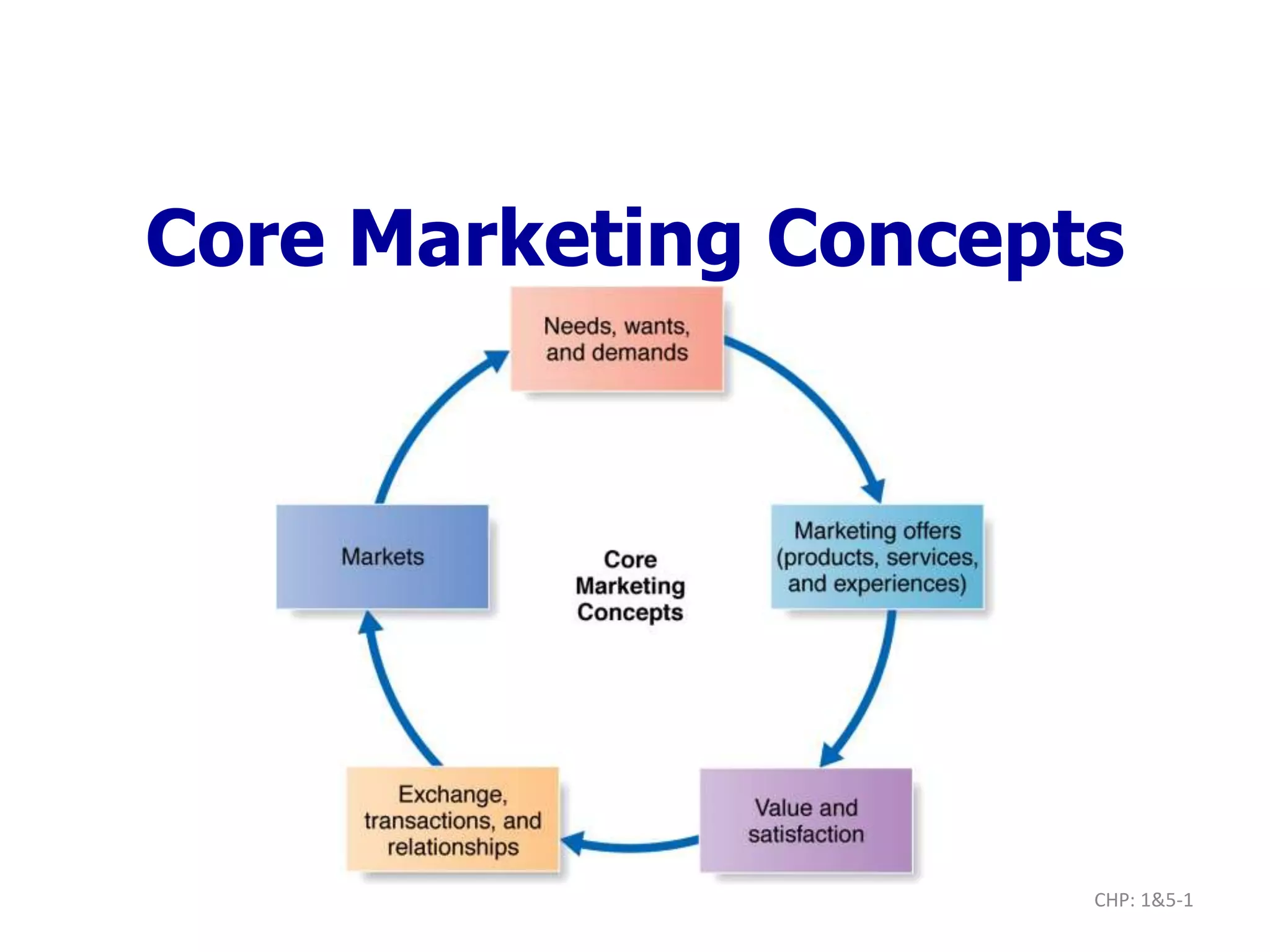
At its fundamental level, the core concept of marketing is the strategic process of creating, communicating, and delivering value to target customers in a way that satisfies their needs while achieving organizational objectives. Rather...
At its fundamental level, the core concept of marketing is the strategic process of creating, communicating, and delivering value to target customers in a way that satisfies their needs while achieving organizational objectives. Rather than being synonymous with advertising or sales, marketing functions as the bridge between a provider’s capabilities and the specific requirements of a market segment, facilitating an ongoing exchange that builds sustainable relationships.
Contents
The Philosophical Foundation of Marketing
Marketing is often misunderstood as a synonym for promotion. In reality, the discipline is rooted in the "marketing concept," a business philosophy asserting that the key to achieving organizational goals consists of the company being more effective than competitors in creating, delivering, and communicating superior customer value to its chosen target markets.
This philosophy shifts the organizational focus from an "inside-out" approach—where a company produces a product and then attempts to find buyers—to an "outside-in" approach. In the outside-in model, the organization first identifies a market need, develops a solution, and then coordinates its internal resources to deliver that solution effectively. This shift requires deep analytical insight into consumer behavior, market trends, and competitive positioning.
The Pillars of the Marketing Concept
To effectively operationalize this core concept, organizations rely on the "Marketing Mix," historically known as the Four Ps. While the framework has evolved to include extended elements for services, these four remain the baseline for understanding how a company delivers value.
Product
The product is the primary vehicle for value. It encompasses the tangible goods or intangible services offered to satisfy a customer’s needs or wants. The core concept here is not just the physical item, but the "augmented product"—the set of benefits, such as warranties, brand reputation, and post-purchase support, that accompany the item.
Price
Price represents the monetary value a customer is willing to exchange for the benefits received. It is a critical component because it dictates profitability and signals quality. Pricing strategy must balance the perceived value of the offering with the cost structure of the business and the competitive landscape.
Place
Place, or distribution, refers to the mechanisms and channels through which a product reaches the customer. Effective marketing ensures that the product is available at the right time and in the right location. Whether via physical retail storefronts or digital marketplaces, the goal is to reduce friction in the purchasing process.
Promotion
Promotion is the communication layer. It informs, persuades, and reminds the target audience about the value proposition. While this includes advertising, public relations, and social media, it is only effective when the underlying product, price, and placement are already aligned with consumer needs.
Value Exchange and Relationship Management
The ultimate objective of the marketing process is the creation of a mutually beneficial exchange. This exchange goes beyond a single transaction. Modern marketing prioritizes Relationship Marketing, which emphasizes customer retention and loyalty over simple acquisition.
In 2026, the cost of acquiring a new customer significantly outweighs the cost of retaining an existing one. Therefore, the core concept has expanded to include the "Customer Lifetime Value" (CLV). By fostering a relationship, businesses can ensure recurring revenue, gain valuable feedback, and turn customers into brand advocates. This transition from transactional marketing to relational marketing is the hallmark of sophisticated, long-term business strategy.
Key Differences Between Sales and Marketing
One of the most frequent sources of ambiguity is the overlap between sales and marketing. While they are intrinsically linked, their orientations differ significantly:
| Feature | Marketing | Sales |
|---|---|---|
| Focus | Identifying and satisfying customer needs | Converting interest into revenue |
| Time Horizon | Long-term brand building and loyalty | Short-term transactions and quotas |
| Activity | Market research, product development, strategy | Relationship building, negotiation, closing |
| Perspective | Macro-market dynamics | Micro-individual client interactions |
Marketing creates the "demand" by positioning the brand, while sales fulfills that demand by securing commitments from customers. A misalignment between these two functions often results in lead leakage or a lack of market-fit for the sales team’s offerings.
Strategic Prerequisites for Effective Marketing
Before a business can effectively implement the core concept, it must satisfy specific foundational requirements:
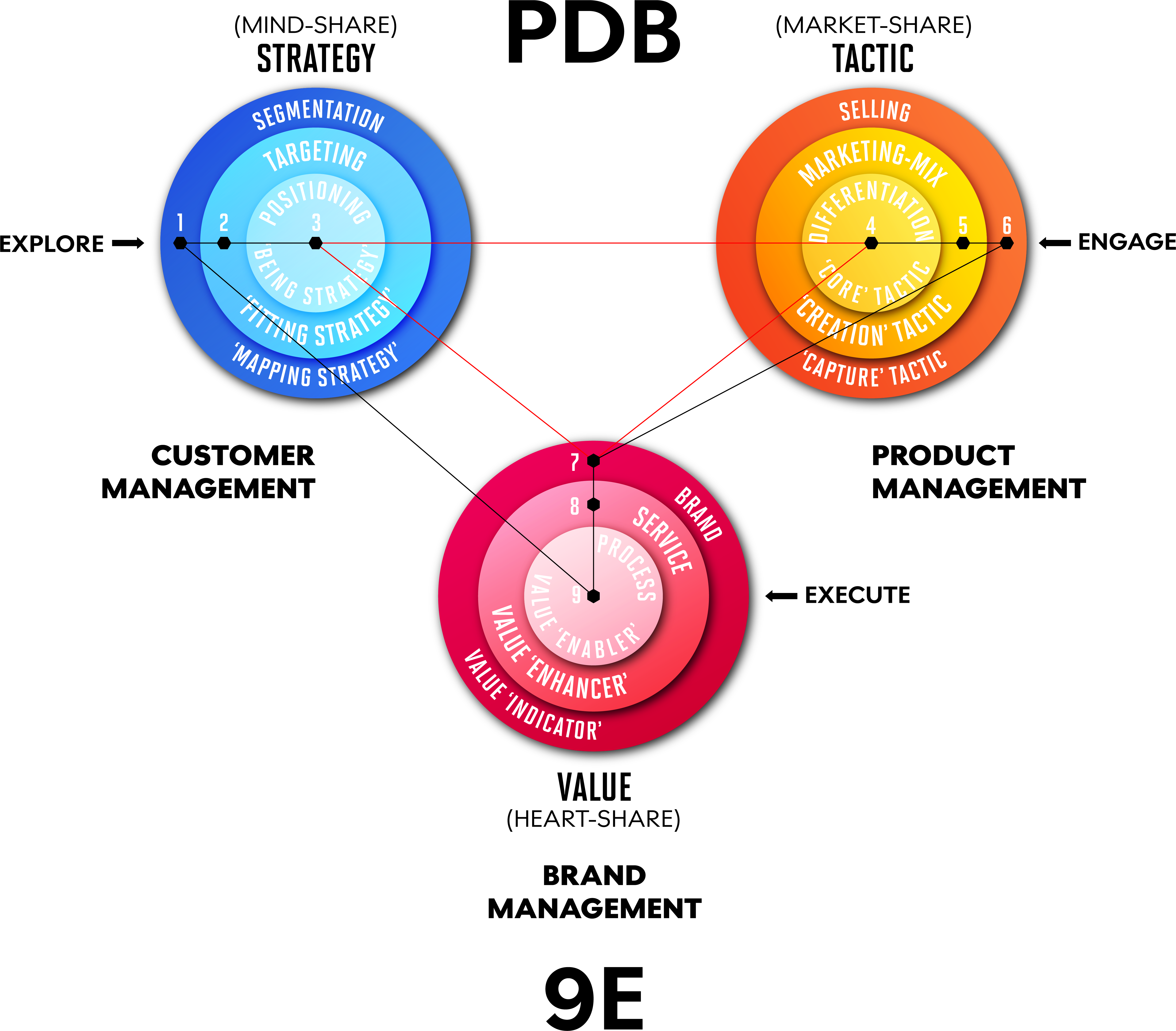
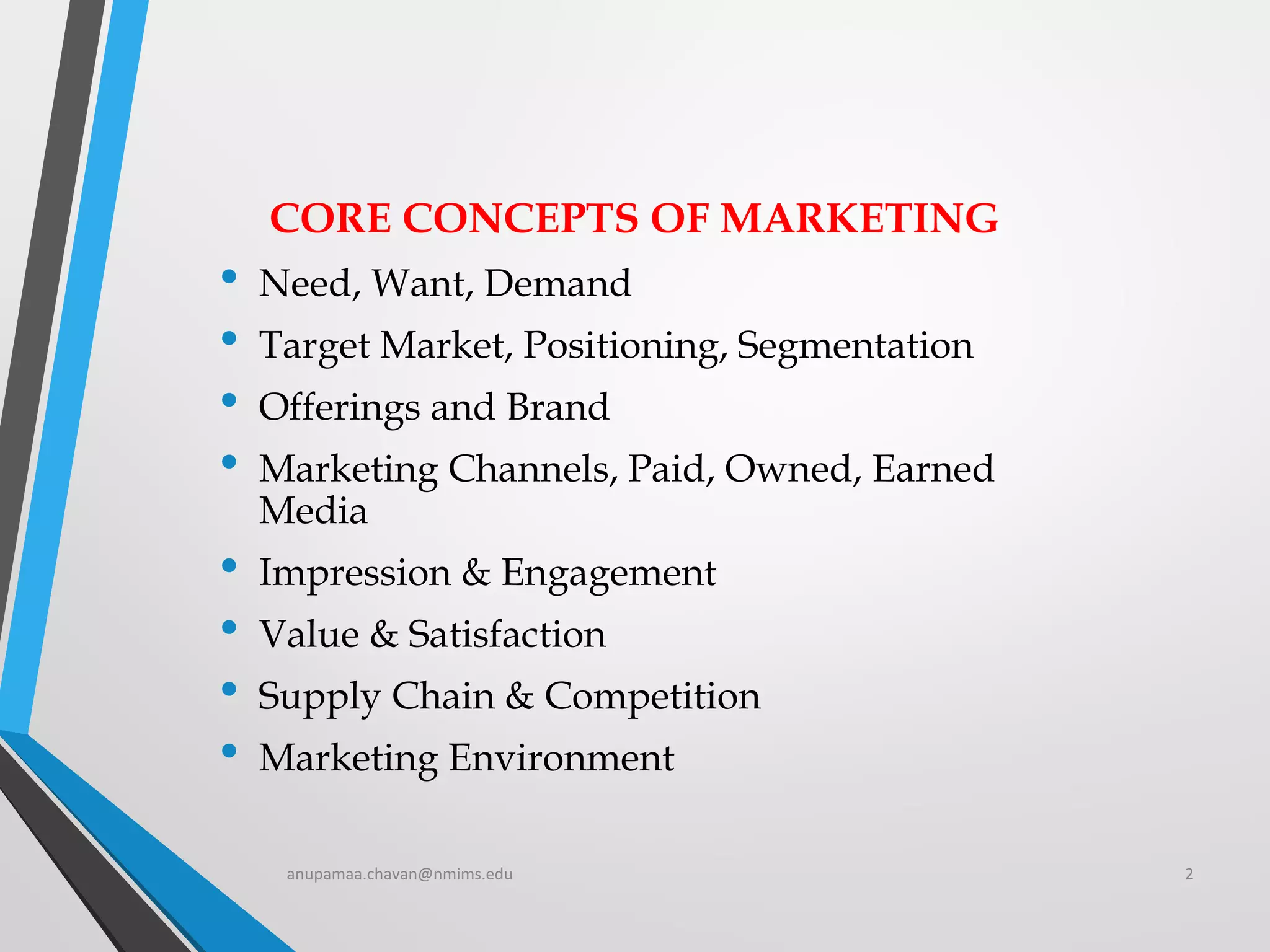
- Market Segmentation: Dividing a broad consumer or business market into sub-groups of consumers based on shared characteristics.
- Targeting: Selecting specific segments that align with the organization’s strengths and have the highest potential for value creation.
- Positioning: Defining how the brand or product should be perceived by the target audience in relation to competitors.
Without these prerequisites, any marketing activity is essentially "spray and pray," consuming resources without delivering a measurable, strategic return.
Common Challenges and Misconceptions
A common error is the failure to adapt to evolving market conditions. As of 2026, the reliance on data-driven decision-making is higher than ever, yet many organizations still base strategies on intuition rather than empirical evidence.
Another persistent issue is the "silo effect." Marketing must be integrated across the entire organization. If the customer service department does not uphold the promises made by the marketing team, the entire concept of value delivery fails. The brand is not just what the marketing department says it is; it is the sum of every touchpoint the customer has with the organization.
Frequently Asked Questions
What is the difference between marketing and advertising?
Marketing is the overarching strategic process of identifying and meeting customer needs through a value proposition. Advertising is a specific subset of marketing—a paid, one-way communication channel used to promote a product or brand.
How has technology changed the core concept of marketing?
While the fundamental goal—value exchange—remains the same, technology has enabled hyper-personalization. Data analytics allows organizations to track customer behavior in real-time, enabling more accurate segmentation and personalized communication that was previously impossible.
Is the core concept of marketing applicable to non-profit organizations?
Yes. Non-profits "sell" the value of their mission to donors, volunteers, and beneficiaries. The exchange is not necessarily monetary in every interaction, but the logic of identifying a need (social, environmental, or community) and providing a solution (the non-profit's work) remains identical.
Why is "value" the most important word in marketing?
Value is subjective. It is the customer's perceived benefit minus the cost. Marketing is essentially the science of maximizing that perception. If a customer does not perceive the value as greater than the cost, the transaction will not occur, regardless of how much advertising is done.
What is the role of market research in the core concept?
Market research is the sensory system of marketing. It provides the empirical evidence required to segment markets, understand competitive threats, and validate the product-market fit. Without research, an organization is guessing at what its customers truly value.
Final Recommendation
To master the core concept of marketing, shift your internal focus from the product you sell to the problem you solve for your customer. Audit your current marketing mix—Product, Price, Place, and Promotion—to ensure each element consistently delivers value to your primary target segment. Begin by analyzing your most loyal customer base to understand exactly what benefit they derive from your brand, and then replicate that value delivery across your broader market.
Image Gallery