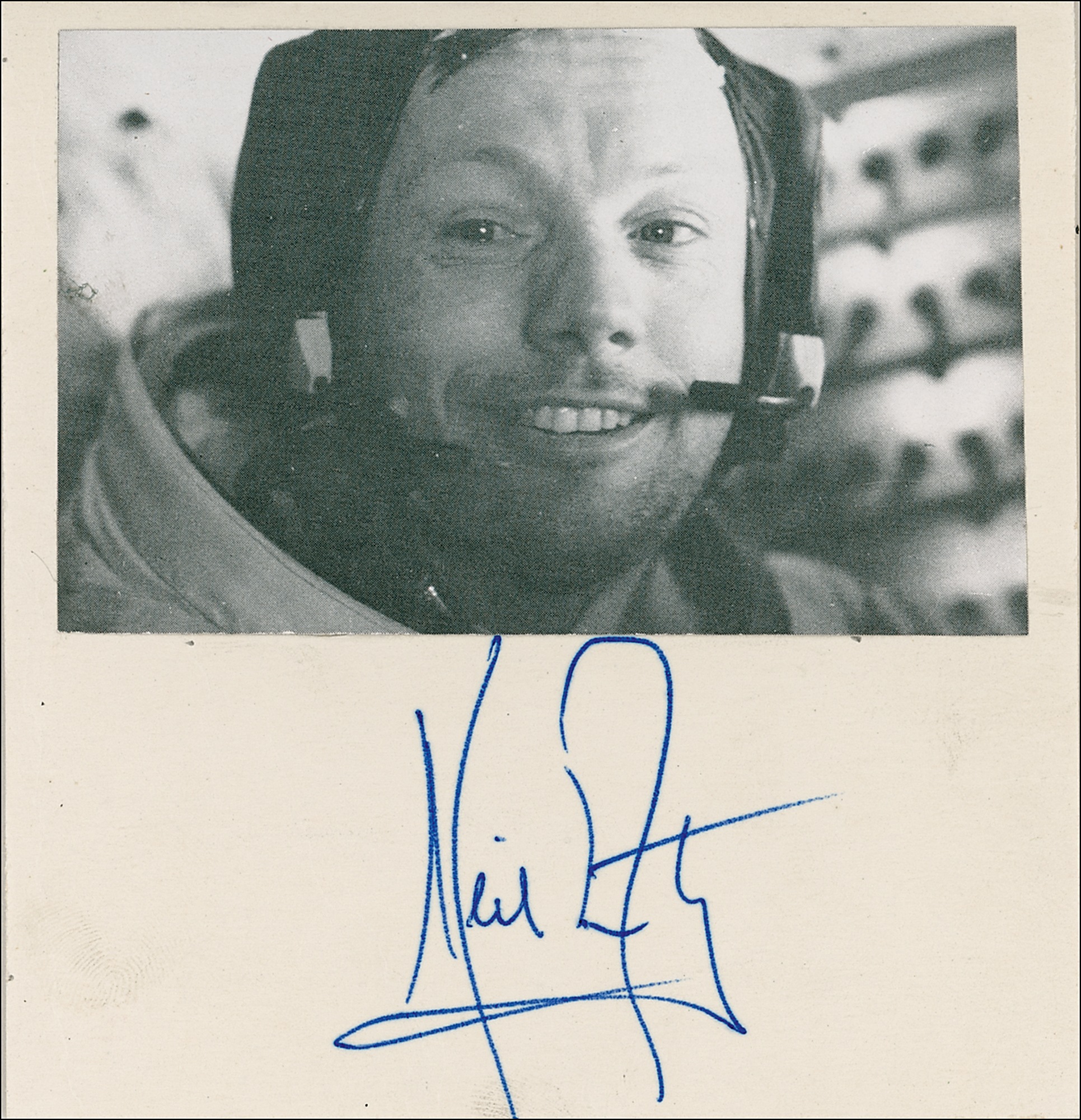
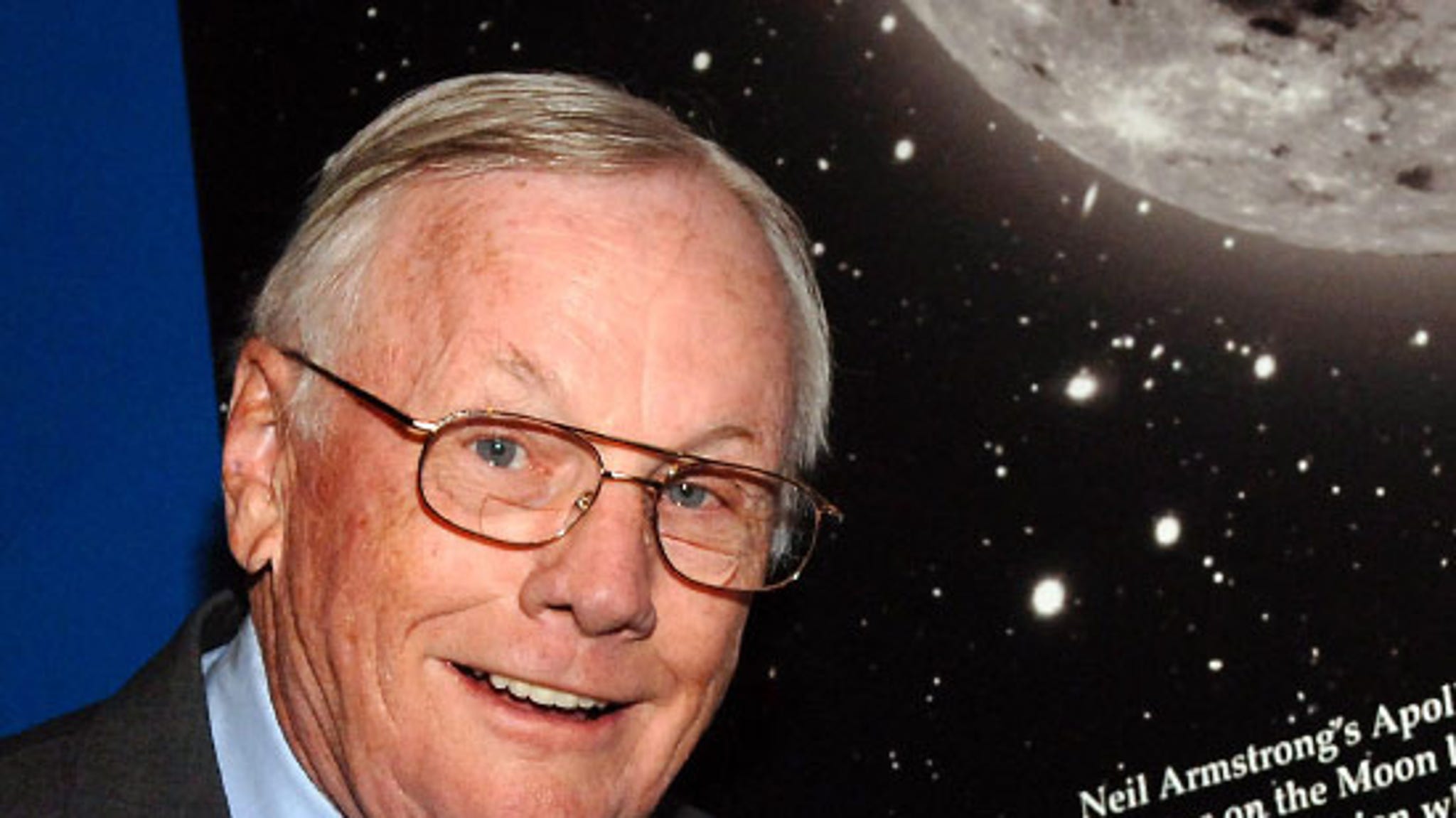
Neil Armstrong Obituary: A Legacy of Lunar Exploration and Public Service
Neil Alden Armstrong, the commander of the Apollo 11 mission and the first human to set foot on the lunar surface, passed away on August 25, 2012, in Cincinnati, Ohio, at the age of 82. His death followed complications resulting from c...
Neil Alden Armstrong, the commander of the Apollo 11 mission and the first human to set foot on the lunar surface, passed away on August 25, 2012, in Cincinnati, Ohio, at the age of 82. His death followed complications resulting from cardiovascular procedures. While the global community mourned the loss of a pioneer who fundamentally reshaped our understanding of the universe, his obituary serves as more than a historical record of a passing; it is a testament to the character of an aviator, engineer, and reluctant celebrity who defined the American space program.
Contents
The Life and Career of a Pioneering Aviator
Born on August 5, 1930, in Wapakoneta, Ohio, Armstrong’s fascination with flight began in early childhood. By age 16, he earned his pilot’s license, even before he possessed a driver’s permit. This early aptitude for aviation led him to Purdue University to study aeronautical engineering, a path briefly interrupted by his service as a naval aviator during the Korean War. Between 1949 and 1952, he flew 78 combat missions, demonstrating the cool-headedness that would later become his trademark in the high-stakes environment of NASA.
Following his military service, Armstrong became a test pilot at the High-Speed Flight Station at Edwards Air Force Base. There, he pushed the boundaries of aviation, piloting experimental aircraft such as the North American X-15, which reached speeds and altitudes that bridged the gap between traditional flight and space exploration. His transition into the astronaut corps in 1962 was not born of a desire for fame, but from a lifelong commitment to the engineering challenges of flight.
The Apollo 11 Mission: A Defining Moment in History
The defining moment of Armstrong's career, and perhaps the most significant technological achievement of the 20th century, occurred on July 20, 1969. As the commander of the Apollo 11 lunar module, Eagle, Armstrong and Lunar Module Pilot Buzz Aldrin navigated a perilous descent to the moon's Sea of Tranquility. Faced with fuel shortages and hazardous, boulder-strewn terrain, Armstrong took manual control of the craft to guide it to a safe landing.
His first steps onto the lunar surface were accompanied by the now-iconic declaration: "That's one small step for [a] man, one giant leap for mankind." This event was not merely a triumph of American ingenuity but a milestone for the species, marking the first time a human had left the cradle of Earth to stand on another celestial body.
Post-NASA Life and Public Persona
After retiring from NASA in 1971, Armstrong consciously avoided the limelight. He resisted the lure of political office and celebrity endorsements, preferring to return to academia. He served as a professor of aerospace engineering at the University of Cincinnati for eight years. During this period, he focused on teaching and private business, serving on various corporate boards and contributing his expertise to aerospace industry investigations, most notably serving as vice-chairman of the Rogers Commission—the investigation into the 1986 Space Shuttle Challenger disaster.
His commitment to integrity and precision remained constant. Armstrong famously maintained that he was merely a representative of the thousands of engineers, scientists, and technicians who made the Apollo program possible. This humility, coupled with his immense professional stature, made him an enduring figure of respect in an era often defined by short-lived public icons.
Historical Context and Comparative Achievements
To understand the scope of Armstrong's career, one must look at the technical hierarchy of the space race. The following table highlights the progression of his major flight achievements, emphasizing the technical evolution of the era.
| Mission/Project | Role | Year | Key Technical Significance |
|---|---|---|---|
| Korean War Service | Naval Aviator | 1950–1952 | Combat experience and carrier-based flight operations. |
| X-15 Program | Research Test Pilot | 1960–1962 | Reached Mach 5.74 and 207,500 feet altitude. |
| Gemini 8 | Command Pilot | 1966 | First successful docking of two vehicles in space. |
| Apollo 11 | Mission Commander | 1969 | First crewed lunar landing and extravehicular activity. |
Legacy and Lasting Impact
Armstrong’s death in 2012 prompted tributes from around the world, including from President Barack Obama, who described him as "among the greatest of American heroes—not just of his time, but of all time." However, the true legacy of Neil Armstrong resides in the continued expansion of human space exploration. The technologies developed for the Apollo missions, ranging from integrated circuitry and fuel cell development to advances in life support and materials science, underpin much of the modern aerospace industry in 2026.
His life provides a model for the synthesis of technical expertise and emotional intelligence. In a high-risk profession where the margin for error is effectively zero, Armstrong’s ability to remain calm under extreme pressure served as the benchmark for future generations of astronauts.
Frequently Asked Questions
Why did Neil Armstrong return to academia after his NASA career? Armstrong preferred the pursuit of knowledge and the quiet of a teaching environment over the public scrutiny that accompanied his fame. He found genuine satisfaction in mentoring the next generation of engineers and avoided capitalizing on his celebrity status.
What was Armstrong’s role in the Challenger investigation? In 1986, President Ronald Reagan appointed Armstrong as vice-chairman of the Presidential Commission on the Space Shuttle Challenger Accident. His technical rigor helped identify the O-ring failure, contributing to a vital re-evaluation of safety protocols within the shuttle program.
Was Neil Armstrong a politician? No. Despite numerous attempts by various political entities to recruit him for office, Armstrong maintained a strict separation between his public service in aviation and the partisan political process. He viewed himself primarily as a pilot and an engineer.
Where is Neil Armstrong buried? Following his death, Armstrong’s remains were cremated, and in accordance with his wishes, his ashes were scattered during a burial at sea ceremony held on the USS Philippine Sea in the Atlantic Ocean.
Did Armstrong ever express regret about his fame? He rarely expressed regret, but he was famously uncomfortable with the "hero" label. He consistently sought to deflect praise toward the thousands of workers who built the Saturn V rocket and the supporting infrastructure of the Apollo program.
Next Steps for Students of Aviation History
For those interested in exploring the life and work of Neil Armstrong further, the most reliable resources are found in official government archives. The NASA History Office maintains a comprehensive database of digitized mission reports, oral history transcripts, and flight logs that provide the raw data for his achievements. Reviewing these primary documents offers a clearer picture of the engineering challenges faced during the 1960s than popular media accounts. Those seeking to understand the technical evolution of the Lunar Module specifically should consult the Apollo Experience Reports hosted by the NASA Technical Reports Server.
Image Gallery