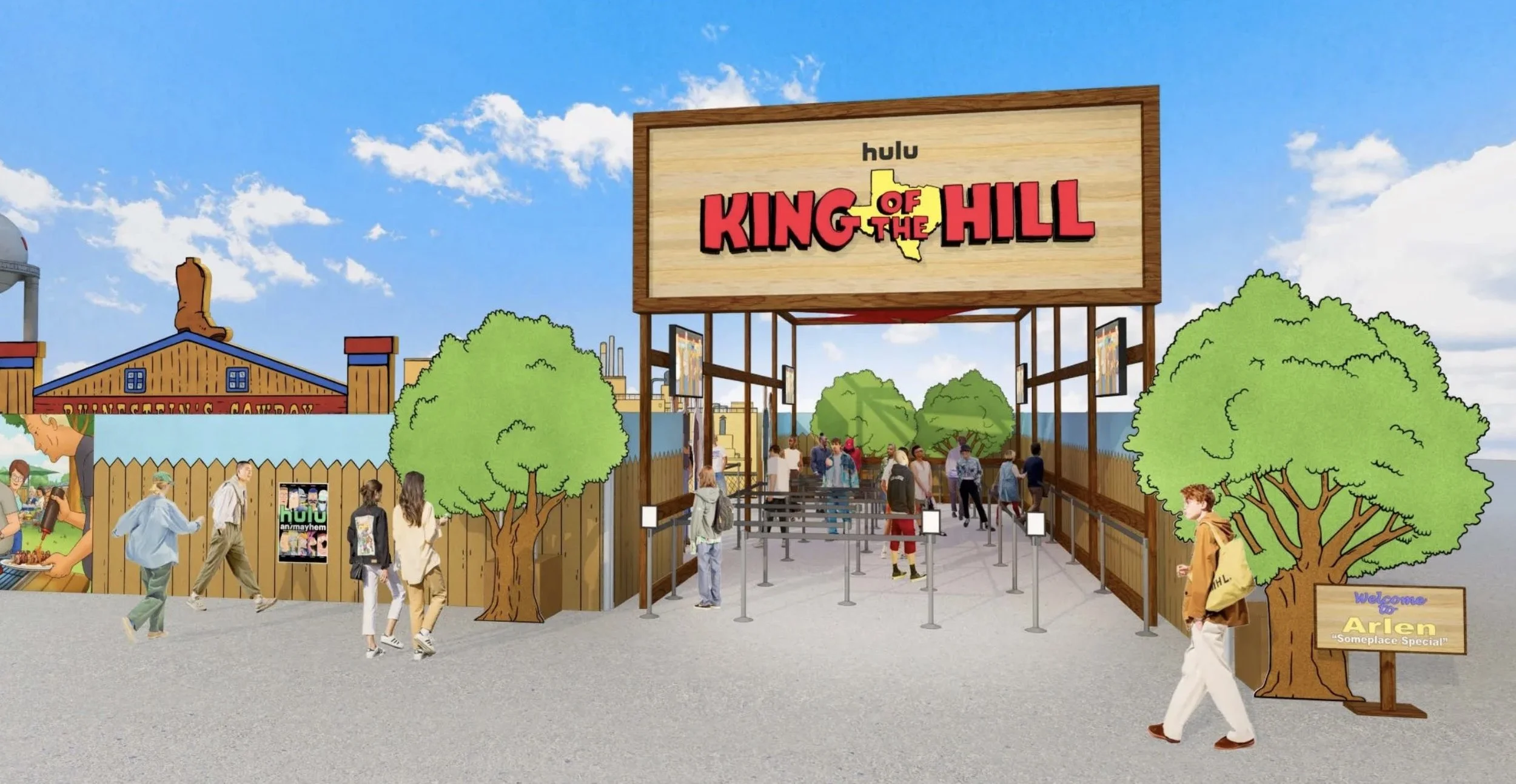
Determining Where Arlen, Texas Is in King of the Hill
Arlen, Texas, the fictional setting of the long-running animated series King of the Hill, is geographically ambiguous by design, though it is definitively modeled after the suburbs of the Dallas-Fort Worth metroplex. While creators Mik...
Arlen, Texas, the fictional setting of the long-running animated series King of the Hill, is geographically ambiguous by design, though it is definitively modeled after the suburbs of the Dallas-Fort Worth metroplex. While creators Mike Judge and Greg Daniels never anchored the town to a single real-world location, evidence from the show’s landscape, regional cultural markers, and travel times consistently places it in North Central Texas.
Contents
The Geography of Arlen: Regional Indicators
For viewers attempting to pin down the exact coordinates of Arlen, the show offers a complex map of clues that often conflict with one another. However, the most reliable evidence comes from the character’s travel habits and local landmarks. Arlen is consistently portrayed as being within driving distance of major Texas hubs like Dallas, Houston, and Austin.
In several episodes, characters make day trips to Dallas, suggesting that Arlen is part of the "exurban" sprawl surrounding the Dallas-Fort Worth (DFW) area. The show’s topography—characterized by flat, sun-baked suburban landscapes, rolling hills, and proximity to major highways—mirrors the aesthetic of North Texas counties such as Denton, Collin, or Tarrant.
Clues from Travel and Connectivity
The narrative structure of King of the Hill relies on the ease of reaching specific Texas icons. When Hank Hill and his friends travel to state parks, football games, or shopping centers, they rarely spend more than a few hours on the road.
- Proximity to Big Cities: The characters frequently mention Dallas as a primary center for commerce and culture, which aligns with the North Central Texas regional identity.
- Climate and Flora: The depiction of heat waves, the reliance on residential air conditioning, and the specific variety of oak and cedar trees shown in the neighborhood indicate a climate consistent with the transitional zone between the Texas Prairies and the cross timbers.
- Local Government and Infrastructure: Arlen is presented as having its own school district, police department, and municipal government, which is typical of the self-contained suburban municipalities that exploded in population around DFW during the 1990s and 2000s.
Comparing Arlen to Real-World Texas Towns
To understand the nature of Arlen, it is helpful to compare it to existing Texas communities that served as inspiration for the creators.
| Feature | Arlen, Texas (Fictional) | Richardson/Garland (Regional Proxy) |
|---|---|---|
| Topography | Suburban plains and slight hills | Flat to rolling North Texas terrain |
| Industry | Propane, local retail, mid-tier offices | Tech hubs, retail, regional distribution |
| Culture | Traditionalist, tight-knit, conservative | Mix of suburban family life and growth |
| Connectivity | Accessible to DFW via major highways | Primary interstate connectivity (US-75, I-635) |
This comparison highlights that Arlen is not meant to represent a specific city, but rather a "composite" town. Mike Judge, who lived in Richardson, Texas, famously drew from his experiences there to craft the neighborhood dynamics, the high school culture, and the mundane frustrations of the Hill family.
Cultural Authenticity and Creative Intent
The decision to keep Arlen’s location vague was a deliberate creative choice. By avoiding a specific real-world pin, the writers allowed Arlen to serve as a proxy for any "middle-class American suburban experience." While the dialect, the obsession with football, and the specific political landscape are undeniably Texan, the show’s humor relies on universal suburban tropes that transcend exact GPS coordinates.
If Arlen were located in a specific town, the show would have been forced to adhere to that town’s actual history, municipal budget, and current events. By keeping the town fictional, the writers maintained total creative freedom to shift the setting from a quiet suburb to a chaotic plot device without being constrained by reality.
Common Questions Regarding Arlen’s Identity
Fans frequently debate the location based on specific "Easter eggs" or throwaway lines in the show. Understanding the context of these questions is essential for a complete picture.
Is Arlen based on a specific town near Dallas? It is widely accepted that the town of Richardson, Texas, heavily influenced the creation of Arlen. Mike Judge’s time in the DFW area provided the architectural and social blueprints for the series, but Arlen is an amalgamation of several suburban communities rather than a 1:1 replica of any single municipality.
Why does the show imply it is far from major cities at times? The writers often utilized distance as a narrative device. When the plot required the characters to be isolated, the town was treated as rural or remote. When the plot required a shopping trip or a visit to a stadium, the town was treated as a suburb. This is a common trope in serialized television known as "elastic geography," where the setting expands or contracts to fit the needs of the episode’s script.
Could Arlen be located in Central Texas? Some viewers argue that the show’s cultural tone aligns better with the Hill Country (Central Texas). However, the frequency of trips to the Dallas-Fort Worth area and the lack of distinct geological features associated with the Hill Country (such as limestone cliffs or rivers) make the North Texas theory more statistically probable according to the show's own internal travel logic.
Technical Limitations of Locating Arlen
Research into the geography of King of the Hill is limited by the fact that the show frequently contradicts its own established facts. For example, in one season, a character might claim that a major city is a "long drive" away, while in another, that same trip is treated as a routine errand. Consequently, readers should view Arlen not as a real geographic point, but as a symbolic representation of the North Texas exurbs.
For those attempting to visit the "real" Arlen, the best approach is to visit the northern suburbs of the Dallas-Fort Worth Metroplex. Driving through areas like Richardson, Garland, or Plano provides the most accurate atmosphere of the environment that inspired the show's visual and social landscape.
Final Next Steps for Interested Researchers
If you are analyzing the show for a project or deep-dive research, prioritize viewing the early seasons (1-3), as these establish the foundational geography before the show began to focus more on abstract character-driven plots. Pay attention to the background scenery during driving scenes, specifically the highway signage and the proximity of industrial sites to residential zones. These elements are the most consistent indicators of the town's intended suburban status.
For additional context on the production, consult interviews with Mike Judge conducted around the show’s debut. His descriptions of his time in Texas are the most authoritative "source" available, as official show canon intentionally leaves the map blank.
Image Gallery