How Marathon Results in the Olympics Shape Future Competition
Olympic marathon results redefine the competitive landscape by establishing new benchmarks for tactical versatility, heat management, and technological integration. These quadrennial performances dictate the evolution of World Athletic...
Olympic marathon results redefine the competitive landscape by establishing new benchmarks for tactical versatility, heat management, and technological integration. These quadrennial performances dictate the evolution of World Athletics qualifying standards, influence footwear innovation, and shift athlete training focuses from pure speed to resilience on varied terrains and environmental extremes for subsequent championship cycles.
Contents
The marathon remains the blue-ribbon event of the Olympic closing weekend, but its impact extends far beyond the medal ceremony. As we look at the professional running circuit in 2026, it is clear that the data, strategies, and physiological breakthroughs witnessed during the most recent Olympic cycle have fundamentally altered how athletes, coaches, and organizers approach the sport. From the inclusion of increasingly difficult course profiles to the tightening of entry requirements, the "Olympic effect" creates a ripple that touches every major city marathon and global championship.
The Shift from Pure Speed to Tactical Versatility
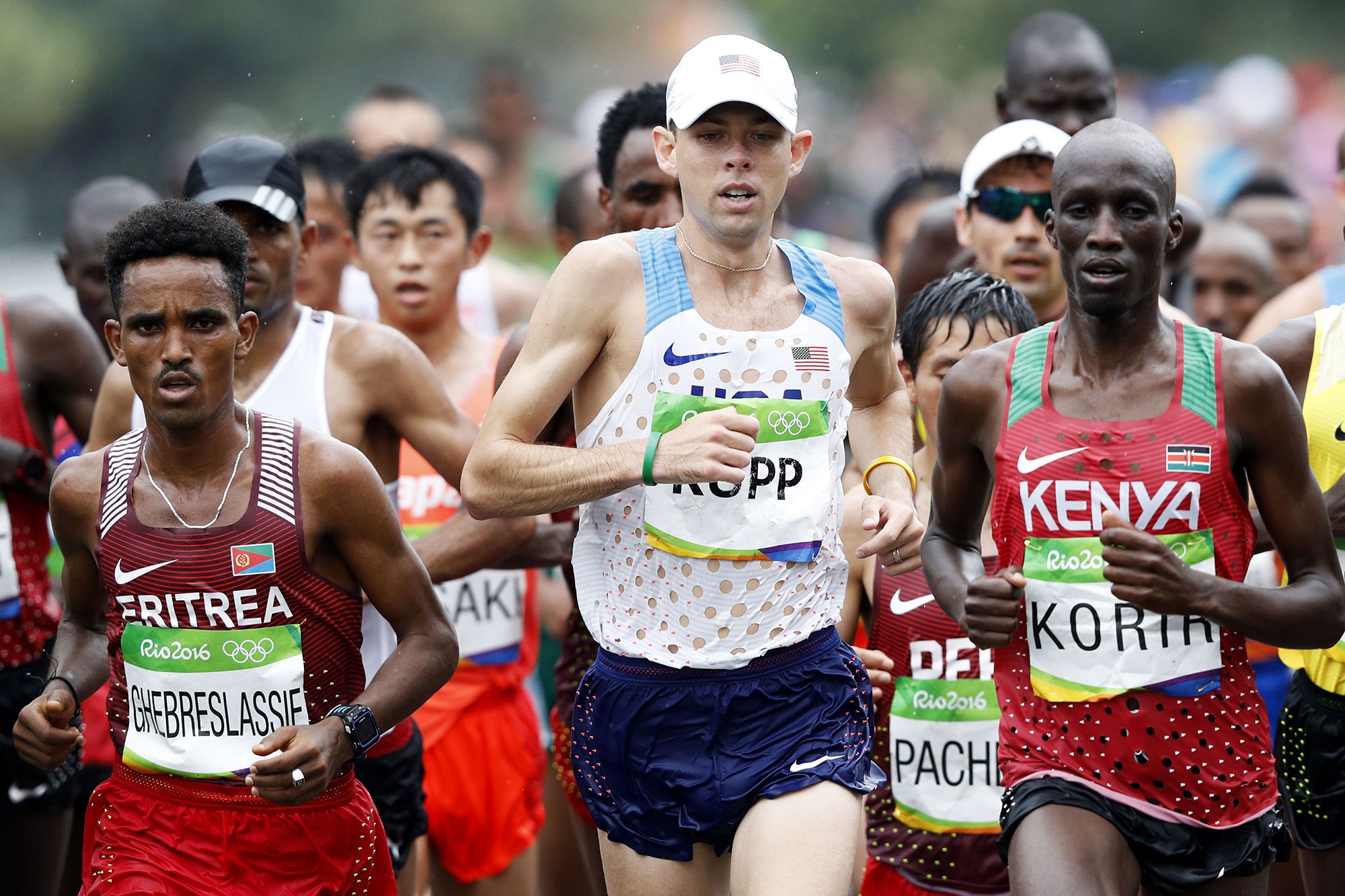
For much of the early 21st century, marathon running was obsessed with the "flat and fast" paradigm. World record attempts at the Berlin Marathon or Chicago Marathon prioritized consistent pacing and ideal weather. However, the results from recent Olympic marathons—most notably the challenging, hilly course of the Paris 2024 Games—have forced a shift in how future competitions are structured and won.
When Tamirat Tola secured gold in Paris with an Olympic record of 2:06:26 on a course featuring a 13.5% gradient, he proved that the modern marathoner must be more than a "metronome." This result has led race directors for the 2025 and 2026 World Marathon Majors to reconsider their course designs, occasionally favoring more technical segments that test a runner's strength rather than just their aerobic capacity.
The Influence of the "Sprint Finish"
The women's race in the most recent Olympics, won by Sifan Hassan, showcased the importance of track-level speed at the end of a 26.2-mile race. Hassan’s ability to transition from a grueling marathon pace to a lethal kick in the final 400 meters has set a new blueprint for future competitors. Coaches in 2026 are now integrating more high-intensity track work into marathon blocks, recognizing that as fields stay bunched longer due to improved fueling, the win will likely be decided by raw speed in the final kilometer.
Evolution of World Athletics Qualifying Standards
Olympic results serve as the primary data point for World Athletics when setting qualifying standards for the next cycle. When a large percentage of the Olympic field finishes under a certain threshold, the governing body interprets this as a sign of "depth" in the sport, leading to stricter entry requirements for the next World Championships and Olympic Games.
- Tightening the "A" Standard: In previous cycles, a 2:11:30 for men was often sufficient for entry. By 2026, we have seen these standards migrate toward sub-2:08:00 as the global pool of talent expands.
- The World Ranking System: Olympic performances carry higher "ranking points" than almost any other event. A strong showing, even without a medal, can catapult an athlete into the top tier of the world rankings, ensuring invitations to high-budget "Gold Label" races for the next two years.
- National Federation Quotas: For powerhouses like Kenya and Ethiopia, Olympic results dictate funding. A "failure" to medal often leads to a complete overhaul of national training camps, which changes the competitive dynamics of the international circuit for the following three years.
Technological Innovation and Regulatory Response
The Olympics are the ultimate proving ground for footwear technology. The "supershoe" revolution, characterized by carbon-fiber plates and high-energy-return foams, reached a level of maturity during the 2024 Games that has now become the baseline for 2026 competition.
Footwear Regulation
The World Athletics Shoe Regulations are often updated following Olympic cycles to ensure that technological gains do not overshadow human performance. The results seen in the Olympics help regulators determine if a specific foam thickness (stack height) or plate configuration provides an "unfair" advantage. In 2026, the current limit of 40mm remains the standard, but the Olympic data has led to stricter testing of "prototypes" to prevent athletes from wearing unreleased shoes that are not available to the general public.
Heat Management and Apparel
Recent Olympics have been held in increasingly warm climates, necessitating breakthroughs in heat-dissipation technology. The "cooling vests" and specialized hydration protocols developed for Olympic athletes have trickled down to the 2026 consumer market. Future competitions now incorporate "wet-bulb globe temperature" (WBGT) sensors more aggressively, a direct result of the safety protocols refined during the last Olympic cycle.
Impact on Training Methodologies
The way elite athletes train in 2026 is a direct response to the physiological demands highlighted by Olympic results. If the Olympic champion won by utilizing a specific fueling strategy—such as high-carb hydrogel intake—the rest of the professional field adopts that strategy within months.
| Aspect of Training | Pre-Olympic Focus | Post-Olympic (2026) Focus |
|---|---|---|
| Fueling | 60–90g Carbs/Hour | 100–120g Carbs/Hour (Hydrogels) |
| Terrain | Flat asphalt | Undulating, technical terrain |
| Acclimatization | Generic altitude training | Heat-and-humidity specific camps |
| Strength | Core and stability | Concentric/eccentric leg strength for hills |
The Rise of Bio-Monitoring
Olympic results have also validated the use of continuous glucose monitors (CGMs) and core temperature sensors. In 2026, these tools are no longer experimental; they are standard equipment for elite marathoners looking to avoid the "bonk" that derailed several high-profile contenders during the last Olympic marathon.
The Commercial and Geographic Expansion
Olympic marathon results significantly shift the "market value" of athletes and the geographic focus of the sport. A surprise medalist from a non-traditional marathon nation (such as various European or North American countries) can trigger a surge in domestic interest and sponsorship.
By 2026, the success of "hybrid" athletes—those who move between the track, cross-country, and the marathon—has led brands to seek out versatile runners rather than marathon specialists. This has changed the recruitment strategies of major professional running teams, which now look for 5,000m and 10,000m specialists who can be "converted" to the marathon earlier in their careers.
Future Competition Comparison: Majors vs. Olympics
While the World Marathon Majors (London, Berlin, Chicago, etc.) offer massive prize purses, the Olympics remains the only race where "time doesn't matter, only place." This creates two distinct types of future competition:
- Time-Trial Races: Where the goal is to break the world record using pacers.
- Championship Races: Where the goal is to outsmart the opponent on a tough course.
In 2026, we are seeing a convergence where even the "fast" majors are inviting tougher competitors who can handle the tactical surges seen in the Olympics, rather than just runners who can follow a pacer for 30 kilometers.
FAQ: Olympic Impact on Marathon Running
How does the Olympic marathon affect the World Marathon Majors?
The Olympics act as a "reset" for the pro field. Following an Olympic year, the World Marathon Majors often see a change in the "hierarchy" of invited elites. New Olympic medalists command higher appearance fees, while those who underperformed may see a reduction in support, shifting the talent density of the Majors for the next several years.
Why do qualifying times get faster after each Olympics?
World Athletics aims to keep the Olympic marathon field to a manageable size (usually around 80 athletes). As training, nutrition, and shoe technology improve global performance, the "average" elite time drops. World Athletics adjusts the entry standards to reflect the top 100 athletes in the world, ensuring that only the most competitive runners qualify.
Does the Olympic course profile influence local marathon organizers?
Yes. The success of the "Marathon Pour Tous" in Paris—where the public ran the same hilly course as the Olympians—has encouraged local race directors to embrace more iconic, albeit difficult, routes. In 2026, there is a growing trend toward "experience-based" marathons that prioritize scenery and challenge over flat, PB-friendly (Personal Best) roads.
How has heat management changed since the last Olympics?
The last few Olympic cycles were held in high-heat environments, which accelerated the development of heat-reflective apparel and advanced electrolyte formulations. In 2026, these technologies are now standard for mass-participation runners in summer marathons, reducing the incidence of heat-related medical issues.
What is the role of pacing in future Olympic-style competitions?
Unlike the World Marathon Majors, the Olympics do not allow pacemakers (rabbits). This result-driven environment teaches athletes how to "race" rather than just "run." Consequently, we are seeing more professional races in 2026 experimenting with "no-pacer" elite fields to replicate the drama and tactical depth of the Olympics.
Moving Forward: Preparing for the Next Cycle
For athletes and fans alike, the lesson of 2026 is that the marathon is no longer just a test of endurance; it is a complex puzzle involving technology, environmental adaptation, and tactical intelligence. To stay competitive, runners must look beyond the stopwatch and analyze the specific conditions that led to Olympic success.
If you are an aspiring marathoner or a dedicated fan, watch the results of the World Athletics Championships closely. These events serve as the mid-point check-ins between Olympic cycles, revealing which athletes have successfully adapted to the new tactical and technological standards set by the previous Games. For those looking to improve their own performance, adopting the heat-management and fueling strategies used by Olympic finalists is the most direct way to apply "pro-level" insights to your own training blocks.
Image Gallery