Understanding Mold Remediation Services in Taylorsville, NC
Professional mold remediation services in Taylorsville, NC, involve a systematic process of identifying moisture sources, isolating contaminated areas, and removing fungal growth according to IICRC S520 standards. This specialized serv...
Professional mold remediation services in Taylorsville, NC, involve a systematic process of identifying moisture sources, isolating contaminated areas, and removing fungal growth according to IICRC S520 standards. This specialized service ensures that indoor air quality is restored and structural integrity is preserved through advanced filtration and specialized cleaning techniques.
Contents
The climate of Alexander County, characterized by its humid subtropical environment and significant annual rainfall, creates a perennial challenge for property owners regarding indoor moisture management. In Taylorsville, where older residential structures and modern developments both face the threat of high humidity, understanding the nuances of mold remediation is essential for maintaining a healthy living or working environment. Mold is not merely a cosmetic issue; it is a biological pollutant that requires a technical approach for effective removal and long-term prevention.
The Local Context: Why Taylorsville Properties Are At Risk
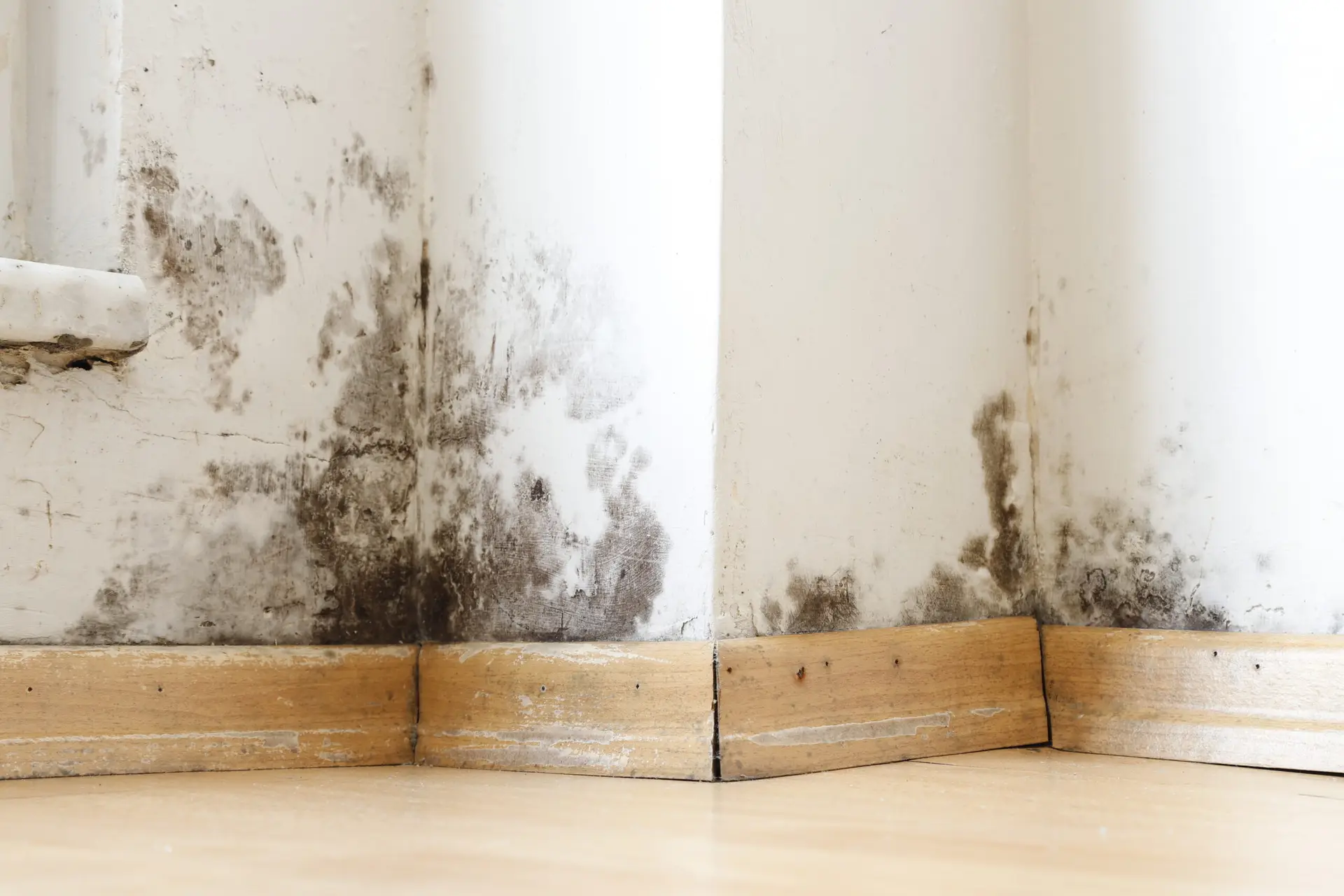
Taylorsville and the surrounding Alexander County region experience a climate that is particularly conducive to fungal growth. With hot, humid summers and consistent precipitation throughout the year, the "vapor drive"—the movement of moisture from outside to inside—is a constant factor. When this outdoor humidity meets the cooled interior of an air-conditioned home, condensation can form within wall cavities, crawlspaces, and attics.
As of 2026, many Taylorsville residents have noted an increase in moisture-related issues following seasonal weather patterns that bring heavy rainfall to the Brushy Mountains. The local geography means that properties at lower elevations or those with poor drainage are susceptible to hydrostatic pressure, which forces water through basement walls. Once organic materials like drywall, wood, or insulation become damp for more than 24 to 48 hours, dormant mold spores can activate and begin to colonize.
Identifying the Need for Professional Remediation
Distinguishing between a minor surface cleaning task and a professional remediation project is critical for safety and efficacy. While small patches of mold (typically under 10 square feet) can often be addressed by homeowners using EPA-approved antimicrobial cleaners, larger infestations require specialized equipment and containment strategies.
In Taylorsville, professional intervention is recommended if:
- The affected area exceeds a 3x3 foot section.
- The mold is the result of contaminated water (such as sewage or local flooding).
- Visible mold is accompanied by persistent "musty" odors that suggest hidden growth.
- Occupants are experiencing respiratory symptoms or allergic reactions while indoors.
- The mold has compromised structural components like floor joists or wall studs.
The Technical Phases of Mold Remediation
Professional services in Taylorsville follow a rigorous protocol designed to prevent cross-contamination. When spores are disturbed during cleaning, they become airborne and can easily spread to unaffected areas of the home if not properly contained.
1. Assessment and Moisture Mapping
The first step is not just finding the mold, but finding the water. Technicians use moisture meters and infrared thermography to detect dampness behind walls and under flooring. By mapping the moisture, professionals can identify the root cause—such as a slow pipe leak or a failing crawlspace vapor barrier—that must be repaired before remediation begins.
2. Containment and Negative Air Pressure
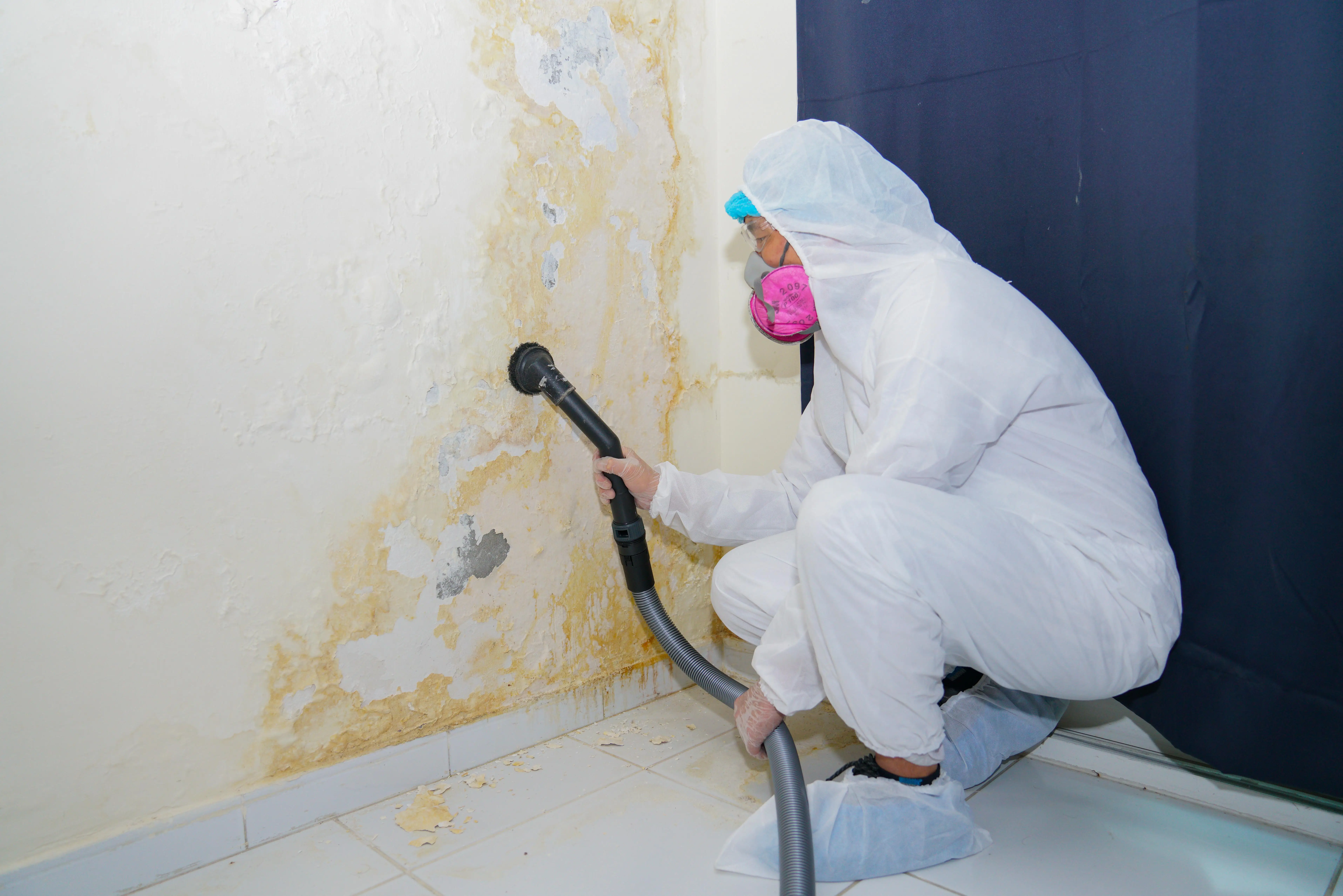
Before any removal occurs, the work area is isolated using heavy-duty polyethylene sheeting. Professional remediators in Taylorsville employ negative air machines equipped with HEPA (High-Efficiency Particulate Air) filters. This setup ensures that air is drawn into the containment area and exhausted outside, preventing spores from escaping into the rest of the building.
3. Air Filtration and Scrubbing
Throughout the process, "air scrubbers" run continuously to capture airborne spores and volatile organic compounds (VOCs). This is a critical technical step that distinguishes professional remediation from DIY attempts. Standard vacuum cleaners or HVAC filters are insufficient to trap microscopic fungal spores; only HEPA-rated equipment can achieve the 99.97% filtration rate required for safety.
4. Controlled Removal of Contaminated Materials
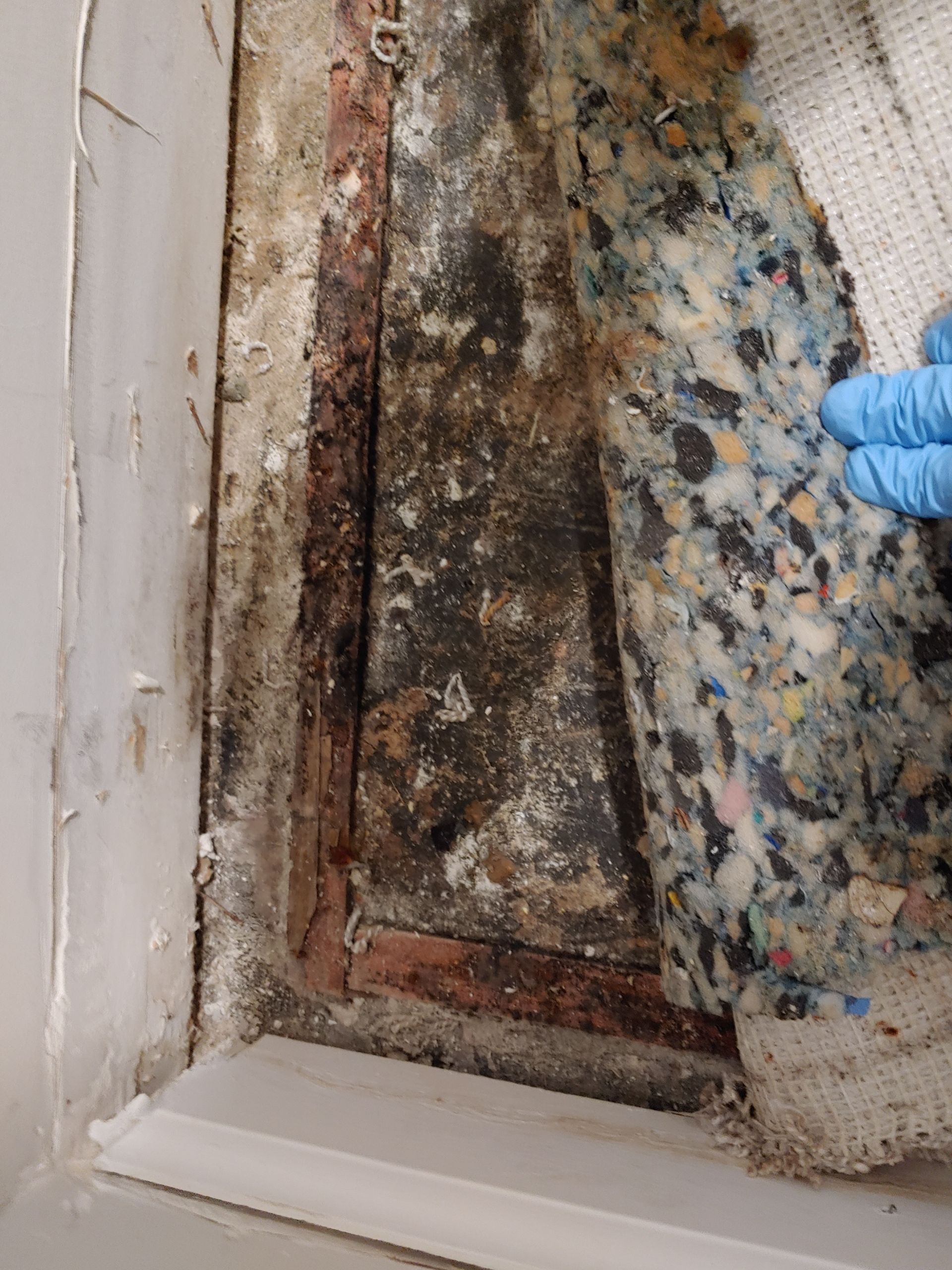
Materials that are porous and heavily infested, such as drywall, carpet padding, and insulation, usually cannot be salvaged. These are carefully double-bagged while still inside the containment area to prevent spore dispersal during transport. Non-porous materials (metal, glass, hard plastics) and semi-porous materials (solid wood) can often be cleaned and treated using specialized abrasive techniques or HEPA vacuuming.
5. Antimicrobial Treatment and Encapsulation
After physical removal, the remaining surfaces are treated with professional-grade antimicrobial solutions. In some cases, particularly in crawlspaces common in Alexander County homes, technicians may apply a specialized "encapsulant." This is a breathable coating that prevents any remaining microscopic spores from colonizing while allowing the wood to continue "breathing" and drying.
Comparison of Remediation Approaches
Understanding the different methods used by Taylorsville contractors can help property owners make informed decisions.
| Method | Best Use Case | Pros | Cons |
|---|---|---|---|
| HEPA Vacuuming | Removing surface spores from solid materials. | Highly effective at capturing microscopic particles. | Does not address mold roots inside porous materials. |
| Abrasive Cleaning | Structural wood, joists, and subflooring. | Removes mold from the "pores" of the wood. | Labor-intensive; requires full containment. |
| Antimicrobial Wiping | Non-porous surfaces and finishing. | Disinfects and prevents immediate regrowth. | Only effective after physical mold removal. |
| Encapsulation | Attic rafters and crawlspace joists. | Provides a long-term protective barrier. | Can mask moisture if applied to wet wood. |
| Media Blasting | Extensive attic or basement infestations. | Fast and thorough for large areas of wood. | Very messy; requires extensive cleanup and setup. |
Cost Factors for Taylorsville Residents
In 2026, the cost of mold remediation in Taylorsville varies significantly based on the scale of the project and the accessibility of the mold. Property owners should expect a detailed estimate that breaks down labor, equipment rentals, and disposal fees.
Key factors influencing price include:
- Accessibility: Remediation in a narrow crawlspace or a cramped attic typically costs more due to the difficulty of movement and the need for specialized PPE (Personal Protective Equipment).
- Extent of Damage: Projects are often priced by the square foot or by the room. Small bathroom remediations may range from $500 to $1,500, while whole-house or extensive crawlspace projects can exceed $6,000.
- Post-Remediation Testing: Independent air quality testing is often recommended to verify the success of the project. While this adds $300 to $600 to the total cost, it provides documented proof that the environment is safe.
- Required Repairs: Remediation removes the mold, but it does not always include the "build-back." Replacing drywall or flooring is usually a separate structural repair cost.
Legal and Regulatory Standards in North Carolina
While North Carolina does not currently require a specific "mold license" as some other states do, reputable firms in Taylorsville adhere to the IICRC S520 Standard and Reference Guide for Professional Mold Remediation. This is the gold standard in the restoration industry.
When hiring a service provider in 2026, residents should verify that the company carries:
- Pollution Liability Insurance: Standard general liability often excludes mold-related claims.
- IICRC Certification: Look for "Applied Microbial Remediation Technician" (AMRT) credentials.
- Workers' Compensation: Vital for protecting the homeowner from liability if a technician is injured on-site.
It is also important to note that many insurance policies in North Carolina have "mold caps" or specific exclusions. Property owners should review their homeowners' insurance to determine if the mold growth was caused by a "covered peril," such as a sudden pipe burst, which may provide coverage for the remediation costs.
Preventing Mold Recurrence in Alexander County
Remediation is only a temporary fix if the underlying moisture problem remains unresolved. In the Taylorsville area, moisture management often requires a multi-pronged approach:
- Crawlspace Encapsulation: Given the local soil types and humidity, sealing the crawlspace with a 20-mil vapor barrier and installing a dedicated dehumidifier is one of the most effective ways to prevent mold.
- Humidity Monitoring: Homeowners should use hygrometers to ensure indoor relative humidity remains below 50%. In the humid North Carolina summers, this often requires supplemental dehumidification beyond what a standard HVAC system can provide.
- Gutter and Drainage Maintenance: Ensuring that rainwater is directed at least 6 to 10 feet away from the foundation prevents basement dampness.
- HVAC Maintenance: Regular duct cleaning and filter changes prevent the HVAC system from becoming a distribution hub for mold spores.
Frequently Asked Questions
Can I stay in my home during the mold remediation process?
In most cases, yes, provided the area is properly contained and the HVAC system is not compromised. However, if the mold is widespread or the occupants have severe respiratory sensitivities, professionals may recommend vacating the property for a few days during the most intensive cleaning phases.
How long does a typical remediation project take in Taylorsville?
Most residential projects can be completed within 3 to 5 days. This includes the setup of containment, the actual cleaning and removal, and the mandatory "dry-out" period for any treated structural elements.
Does bleach kill mold on drywall?
No. Bleach is an oxidant that can kill surface mold on non-porous materials like tile, but on porous materials like drywall or wood, the water in the bleach solution can actually soak into the material and feed the mold roots (mycelium), leading to regrowth. Professional antimicrobial agents are designed to penetrate the surface and neutralize the organism.
Is professional mold testing necessary before remediation?
While not always legally required, testing is highly recommended if you suspect hidden mold or if you need documentation for a real estate transaction or insurance claim. It establishes a "baseline" of spore counts that can be compared to post-remediation results.
Will the mold return after professional cleaning?
Professional remediation removes the existing colony and spores, but it does not make a home "mold-proof." If the moisture source—such as a roof leak or high humidity—is not corrected, new spores (which are naturally present in the outdoor air) will eventually find the damp area and begin a new colony.
Practical Next Actions
If you suspect mold growth in your Taylorsville property, your first priority should be identifying the source of moisture. Before calling a remediation specialist, check for leaking pipes, roof damage, or grading issues around your foundation. Once the water source is identified, contact a certified remediation professional to perform a thorough inspection. Request a written scope of work that details the containment measures, the types of antimicrobial agents to be used, and a plan for post-remediation verification. This documented approach ensures that the environment is truly restored to a "Condition 1" (normal fungal ecology) status, protecting both your property value and your health.
Image Gallery