Understanding the Manufacturing PMI: What Economic Signals Mean for Your Finances and Career
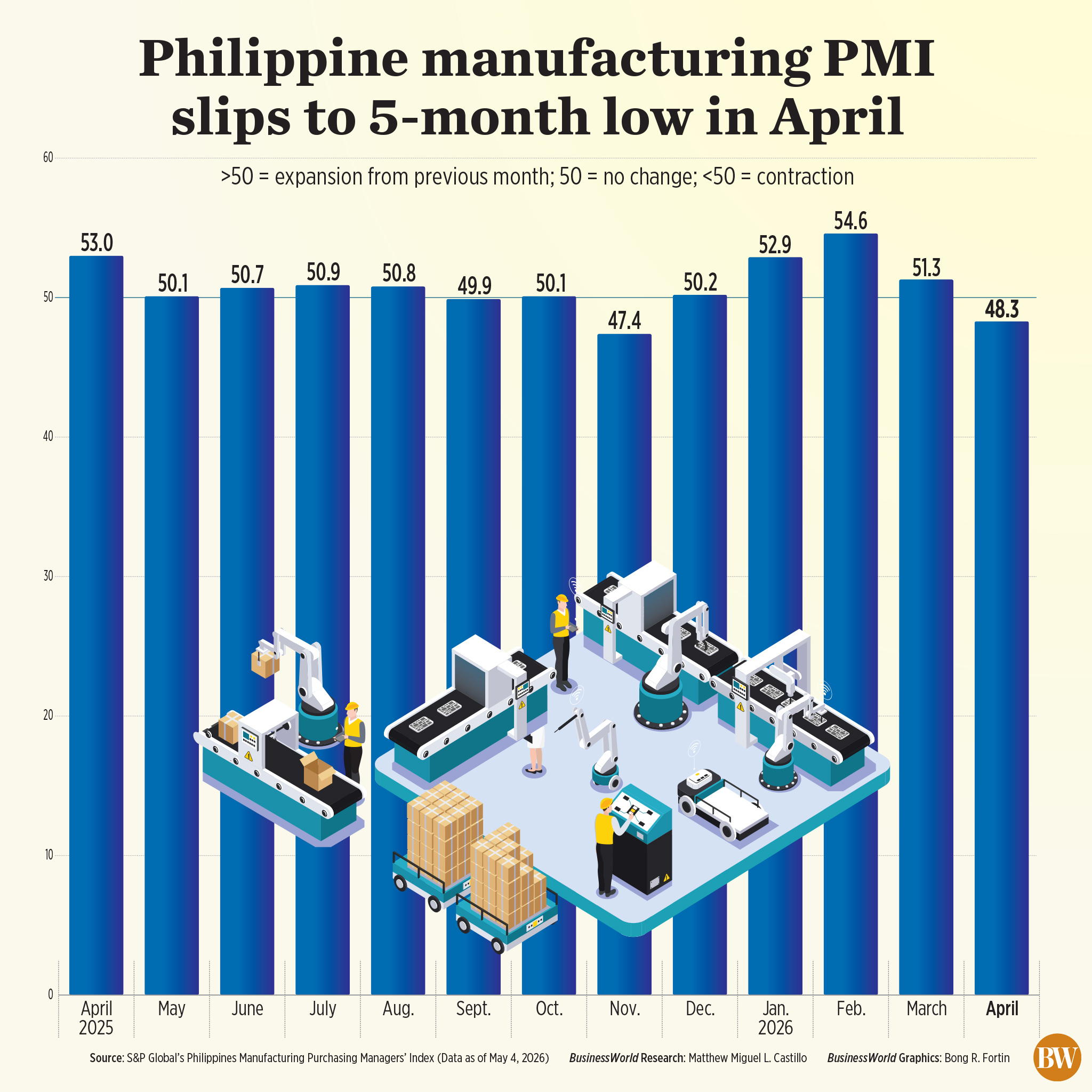
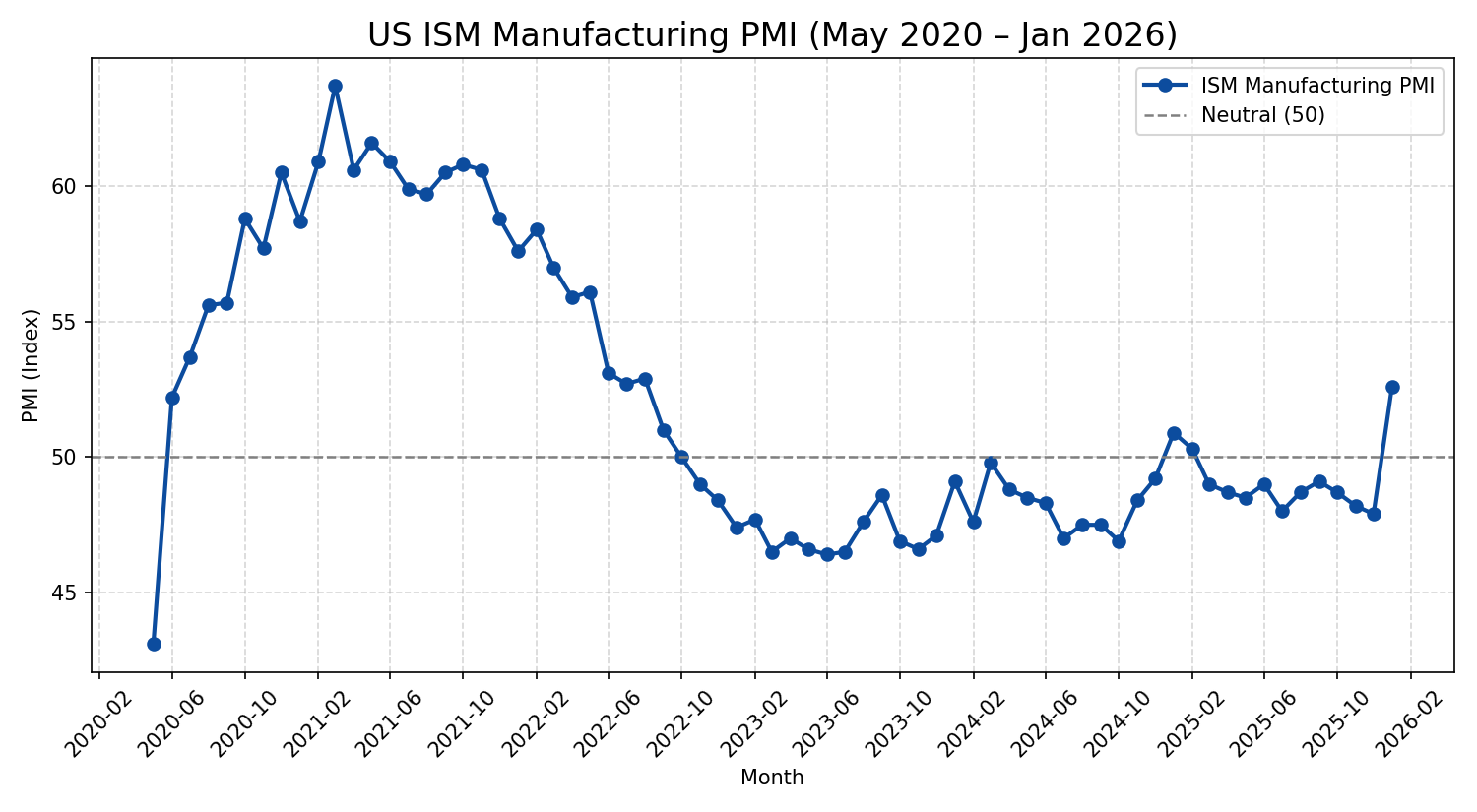
The Manufacturing Purchasing Managers’ Index (PMI) is a leading economic indicator that measures the health of the industrial sector. A reading above 50.0 indicates expansion, while a reading below 50.0 signals contraction. For you, th...
The Manufacturing Purchasing Managers’ Index (PMI) is a leading economic indicator that measures the health of the industrial sector. A reading above 50.0 indicates expansion, while a reading below 50.0 signals contraction. For you, this index serves as an early warning system for stock market volatility, interest rate shifts, job security, and future consumer pricing.
Contents
The Mechanics of the Index: More Than Just a Number
To understand what the Manufacturing PMI means for you in 2026, you must first understand how the data is harvested. The index is a "diffusion index," meaning it tracks the direction of change rather than the absolute volume of production. It is based on monthly surveys sent to purchasing executives at hundreds of companies within the manufacturing sector.
Purchasing managers are selected as the primary data source because they sit at the front lines of the supply chain. They are the first to know when new orders increase, when raw material prices rise, or when inventory levels begin to swell. The Institute for Supply Management (ISM) in the United States and S&P Global internationally are the two most prominent organizations that calculate and release these reports.
The final PMI figure is a weighted average of five major survey areas:
- New Orders (30%): Reflects future demand.
- Production (25%): Measures current output levels.
- Employment (20%): Tracks hiring and firing trends.
- Supplier Deliveries (15%): Measures supply chain speed (slower deliveries often indicate higher demand).
- Inventories (10%): Monitors the level of raw materials on hand.
By monitoring these components, the PMI provides a snapshot of the economy’s "engine room." Because manufacturing often leads the broader economy into and out of recessions, this index is one of the most closely watched reports by Wall Street and central banks alike.
The 50.0 Threshold and Why It Matters in 2026
The number 50.0 is the critical pivot point for the PMI. As we navigate the economic landscape of 2026, understanding the distance from this baseline is essential for interpreting financial risk.
- Above 50.0: This indicates that the manufacturing economy is generally expanding. If the index is significantly above 50 (for example, 55 or higher), it suggests robust economic health. For an individual, this typically correlates with a stronger stock market and higher confidence in job stability.
- Below 50.0: This signals a contraction. A reading of 48.0 doesn't necessarily mean a full-blown recession, but it does mean the manufacturing sector is shrinking.
- The "Recession" Line: Historically, a PMI reading below 42.5 for an extended period is often associated with a contraction in the overall Gross Domestic Product (GDP).
In the current 2026 environment, markets are particularly sensitive to "surprises"—when the actual PMI release differs significantly from what economists predicted. If the consensus was 51.0 and the report comes in at 49.0, you can expect immediate volatility in the bond and equity markets.
What the PMI Means for Individual Investors
For the average investor, the Manufacturing PMI is a predictive tool for corporate earnings and interest rate policy. Because manufacturing involves the production of physical goods, it requires significant capital investment and borrowing.
Impact on the Stock Market
Manufacturing companies are often "cyclical," meaning their stock prices rise and fall with the economic cycle. If the PMI is trending upward, sectors such as industrials, materials, and energy typically perform well. Conversely, a falling PMI often leads investors to shift their money into "defensive" sectors like utilities or consumer staples, which remain stable even when the factory floor slows down.
The Federal Reserve and Interest Rates
Central banks, including the Federal Reserve, use the PMI to gauge whether the economy is "overheating." If the PMI is consistently high (e.g., above 60), it often signals that demand is outstripping supply, which leads to inflation. In response, the Fed may raise interest rates to cool the economy. For you, this means higher mortgage rates, more expensive car loans, and better yields on savings accounts. If you are planning a major purchase in 2026, a rising PMI trend is a sign that borrowing costs may soon increase.
Implications for Small Business Owners and Entrepreneurs
If you run a business, the PMI is more than just an abstract economic stat—it is a forecasting tool for your overhead and supply chain.
Supply Chain Management
The "Supplier Deliveries" component of the PMI is particularly useful for business owners. When this sub-index rises, it means deliveries are slowing down. This is usually a sign that suppliers are busy and have high "pricing power." If you see this trend in 2026, it is a signal to stock up on essential inventory before prices rise or shortages occur.
Pricing Power and Inflation
The "Prices Paid" component of the PMI report tracks the cost of raw materials. If this number is high, your suppliers will likely pass those costs on to you. As a business owner, you must decide whether to absorb those costs (reducing your profit margins) or raise your prices (potentially losing customers). Monitoring the PMI allows you to anticipate these cost increases months before they hit your invoices.
Career and Employment: The Human Element of the PMI
The "Employment" sub-index of the PMI is one of the most reliable predictors of the official monthly jobs report (Non-Farm Payrolls).
If you work in manufacturing, engineering, logistics, or related services, a PMI Employment reading consistently above 50.0 suggests that companies are actively hiring. This creates a "job seeker's market," where you have more leverage to negotiate higher salaries or better benefits.
Conversely, if the PMI drops below 50.0 and stays there for several months, companies will likely begin "belt-tightening." This often starts with a hiring freeze, followed by a reduction in overtime, and eventually, layoffs. By watching the PMI, you can get a 3-to-6-month head start on understanding the stability of your industry. In 2026, as automation and AI continue to integrate into manufacturing, the PMI helps distinguish between structural job losses and temporary economic slowdowns.
Decoding the Global Context: S&P Global vs. ISM
While the ISM report focuses on the United States, S&P Global produces PMI reports for over 40 economies, including the Eurozone, China, and Japan.
For the modern consumer, global PMI data is crucial because so many products—from smartphones to automobiles—rely on global supply chains. If the China Manufacturing PMI (often called the Caixin PMI) drops significantly, it suggests that electronics and textile prices may fluctuate due to production hiccups in Asia. Comparing the U.S. PMI to the Global PMI helps you understand if an economic problem is localized or part of a worldwide trend.
Summary of PMI Levels and Real-World Outcomes
The following table summarizes how different PMI ranges typically impact your financial and professional life:
| PMI Reading Range | Economic Signal | Impact on Your Finances | Impact on Your Career |
|---|---|---|---|
| Above 60.0 | Exceptional Growth | High inflation risk; likely interest rate hikes; strong stock market gains in industrials. | Aggressive hiring; high wage growth; significant overtime opportunities. |
| 52.0 – 59.9 | Steady Expansion | Healthy economy; moderate stock growth; stable borrowing costs. | Moderate hiring; good job security; performance-based raises are likely. |
| 50.1 – 51.9 | Marginal Growth | Caution in markets; "wait and see" approach by the Federal Reserve. | Hiring freezes in some sectors; focus on efficiency and productivity. |
| 45.0 – 49.9 | Contraction | Stock market volatility; potential for interest rate cuts; cooling inflation. | Reduced overtime; limited new job openings; emphasis on cost-cutting. |
| Below 45.0 | Severe Contraction | Recessionary risk; "bear market" potential; flight to safety (gold/bonds). | Risk of layoffs; stagnant wages; industry-wide restructuring. |
Frequently Asked Questions
Is a high PMI always a good thing for me?
Not necessarily. While a high PMI suggests a strong economy, a reading that is "too hot" (usually above 60) can lead to rapid inflation. For you, this means the cost of groceries, gas, and rent may rise faster than your wages. It also prompts the central bank to raise interest rates, making your credit card debt and loans more expensive.
How often is the Manufacturing PMI released?
The Manufacturing PMI is typically released on the first business day of every month. The ISM Manufacturing Report on Business is usually published at 10:00 AM ET. Because it is released so early in the month, it is considered one of the first reliable "check-ups" on the economy's health for the previous month.
How does the Manufacturing PMI differ from the Services PMI?
The Manufacturing PMI focuses on the production of physical goods (factories, mines, utilities). The Services PMI (or Non-Manufacturing PMI) focuses on the much larger service sector, including healthcare, finance, retail, and education. While manufacturing is a smaller part of the total GDP than services, it is much more sensitive to economic changes and often acts as a "canary in the coal mine."
Can the PMI predict a stock market crash?
The PMI is a powerful tool, but it is not a crystal ball. A single bad PMI report rarely causes a crash. However, a consistent downward trend over three to four months is a major red flag that professional investors use to reduce their exposure to risky assets.
Does the PMI affect the value of the U.S. Dollar?
Yes. Generally, a strong Manufacturing PMI strengthens the U.S. Dollar. This is because a strong economy often leads to higher interest rates, which attracts foreign investors looking for better returns on their money. A stronger dollar makes traveling abroad cheaper for you but can hurt the profits of U.S. companies that sell products overseas.
Practical Recommendation: How to Use This Data
To make the most of the Manufacturing PMI in 2026, you don't need to be an economist. Follow this simple three-step strategy:
- Check the Headline Number Monthly: On the first of each month, look for the ISM or S&P Global headline number. If it has moved more than two points in either direction, pay attention.
- Assess Your Major Purchases: If the PMI and "Prices Paid" sub-index are rising sharply, consider making major purchases (like appliances or vehicles) sooner rather than later to avoid price hikes and higher interest rates.
- Evaluate Your Career Risk: If you are in a manufacturing-adjacent field and the PMI stays below 50 for three consecutive months, it is a prudent time to refresh your resume and bolster your emergency fund, even if your specific company seems healthy.
By treating the PMI as a weather report for the economy, you can move from being a passive observer to an informed participant in your financial future.
Image Gallery