The Truth Behind the Love Actually Hat Myth
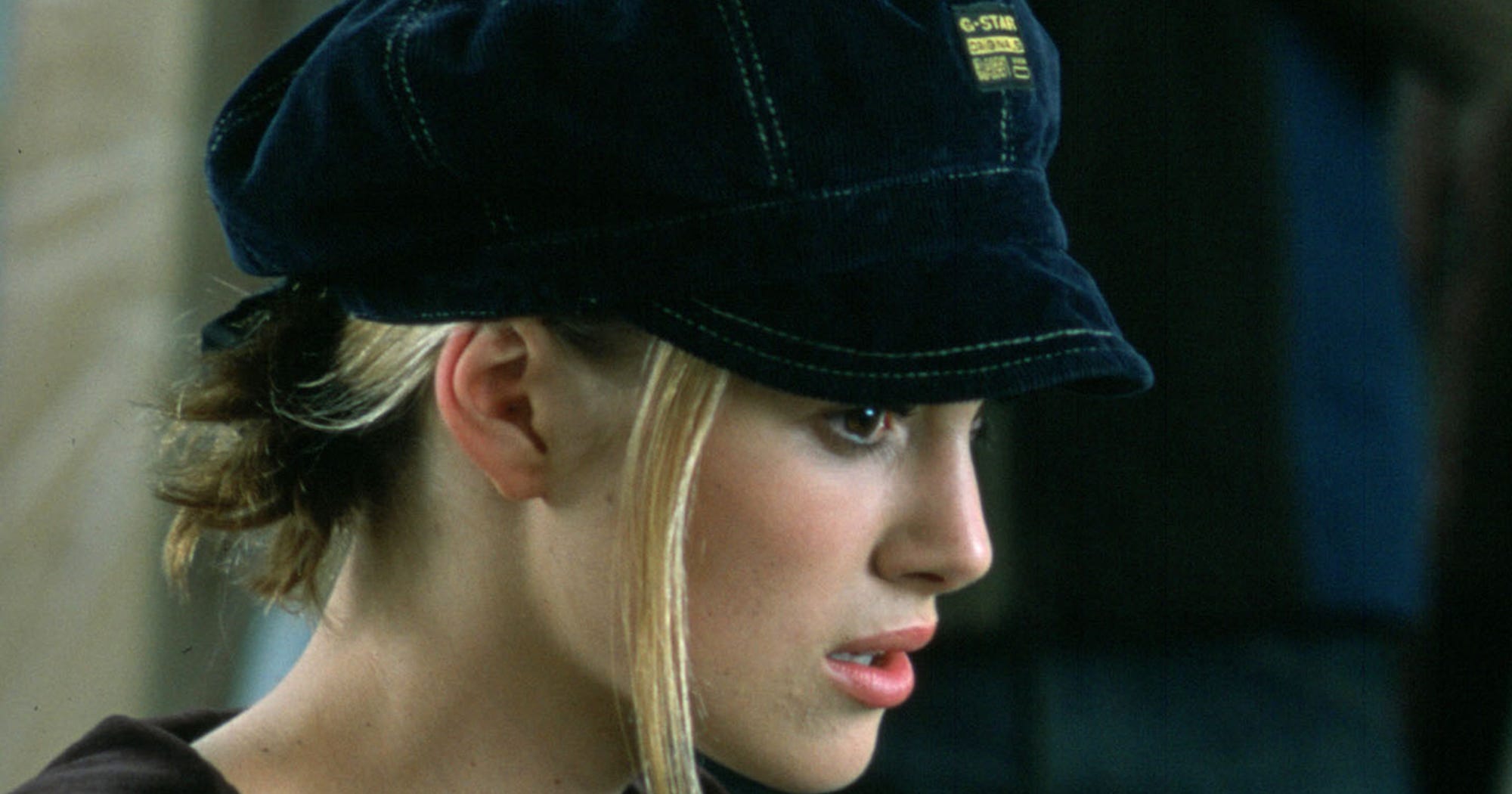
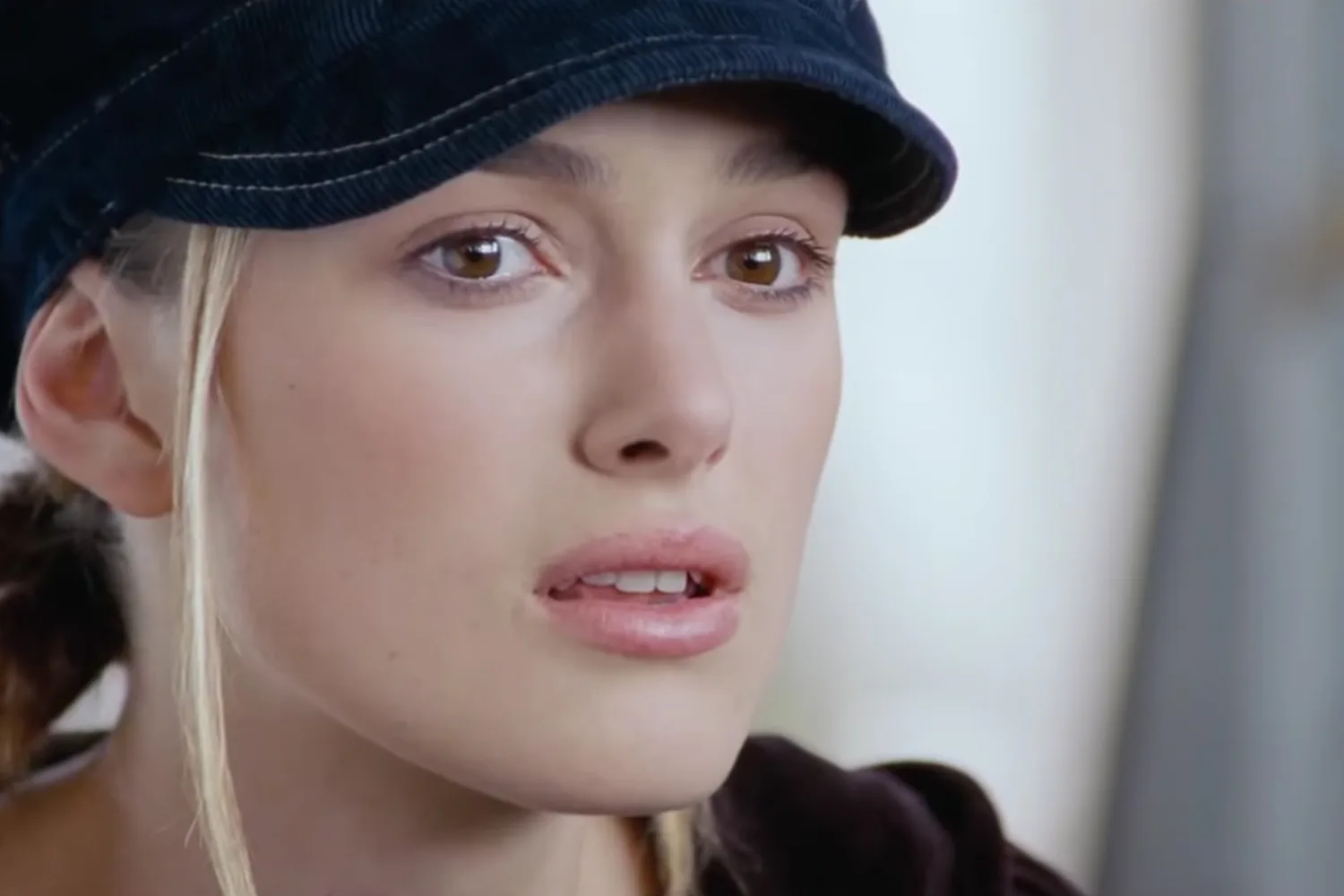
The "Love Actually" hat myth refers to the long-standing rumor that Keira Knightley wore a distinctive blue baker boy hat to hide a massive pimple during filming. Far from being a mere urban legend, this "myth" was officially confirmed...
The "Love Actually" hat myth refers to the long-standing rumor that Keira Knightley wore a distinctive blue baker boy hat to hide a massive pimple during filming. Far from being a mere urban legend, this "myth" was officially confirmed by the actress herself, revealing a relatable production secret behind one of the film’s most famous sequences.
Contents
For over two decades, fans of the 2003 holiday classic Love Actually have scrutinized every frame of the film, looking for hidden details and behind-the-scenes trivia. Among the most discussed elements is the oversized, denim-blue baker boy hat worn by Keira Knightley’s character, Juliet. While many viewers initially assumed the hat was simply a questionable fashion choice indicative of the early 2000s, a more practical—and slightly more "human"—reason exists behind the costume design.
As we look back from 2026, the story of the "Love Actually" hat has transitioned from a whispered set secret to a confirmed piece of cinematic history that highlights the intersection of teenage insecurity and professional filmmaking.
The Origins of the Pimple Problem
In 2003, Keira Knightley was a rising star. Having recently completed Bend It Like Beckham and preparing for the massive rollout of Pirates of the Caribbean: The Curse of the Black Pearl, she was cast as Juliet in Richard Curtis’s ensemble romantic comedy. At the time of filming, Knightley was only 17 or 18 years old.
The "hat myth" centers on the scene where Juliet visits Mark (played by Andrew Lincoln) at his gallery/studio to see the wedding footage he recorded. In this scene, she wears a large, floppy blue hat that sits low on her brow. For years, viewers wondered why such a prominent accessory was chosen for an indoor, intimate scene.
The reality, as confirmed by Knightley in a 2018 interview with BBC Radio 1, was a significant breakout. She described the blemish as a "massive spot" that appeared right in the center of her forehead. Because she was a teenager, her skin was prone to the typical hormonal shifts of adolescence, and the stress of a major film production likely didn't help. This specific blemish was so large and inflamed that it created a literal "third horn" effect, making it impossible to hide with standard makeup and lighting techniques available at the time.
Technical Limitations of Early 2000s Makeup and Post-Production
To understand why a hat was the only solution, one must consider the technical landscape of film production in 2003 compared to the digital capabilities of 2026.
The Problem with 35mm Film and Lighting
Love Actually was shot on 35mm film. Unlike modern digital sensors, film has a specific texture and way of capturing light that can occasionally emphasize physical depth. A raised blemish creates a shadow, and in the "high-key" lighting often used in romantic comedies to make actors look ethereal and glowing, a physical bump on the forehead can be highlighted rather than hidden.
Pre-Digital Retouching Standards
In the early 2000s, "beauty work" (digital retouching of actors' faces) was incredibly expensive and time-consuming. While it existed for high-budget visual effects films, it was not a standard line item in the budget for a British romantic comedy. Today, in 2026, a post-production house could "paint out" a pimple in a matter of hours using AI-driven skin-tracking software. In 2003, the solution had to be physical.
The Role of the Makeup Department
The makeup team on Love Actually reportedly tried several methods to conceal the blemish. However, the more concealer and powder they applied, the more textured the area became. Under the scrutiny of a close-up lens, the heavy makeup looked worse than the pimple itself. This led to a collaborative decision between director Richard Curtis, the costume department, and Knightley to find a wardrobe-based solution.
The Cultural Impact of the Baker Boy Hat
The choice of a baker boy hat (also known as a newsboy or cabbie cap) was a perfect reflection of the fashion zeitgeist of 2003. This was the era of Von Dutch trucker hats, low-rise jeans, and layered polo shirts. By placing Juliet in a large hat, the production team wasn't just hiding a pimple; they were leaning into the "cool girl" aesthetic of the decade.
The hat itself became an unintentional icon. It characterized Juliet as trendy and youthful, contrasting with the more traditional wedding attire seen in her earlier scenes. However, because the hat was so large and somewhat distracting, it eventually fueled the very rumors it was meant to suppress. Fans noticed that it seemed out of place for an indoor scene where she was meant to be comfortable and relaxed, leading to the initial speculation about what might be hiding underneath.
| Feature | Juliet’s Hat Choice (The "Myth") | Standard Rom-Com Costume Logic |
|---|---|---|
| Visibility | High; obscures the upper third of the face. | Low; designed to frame the face and eyes. |
| Setting | Worn indoors in a private studio. | Usually removed when entering a residence. |
| Material | Heavy denim/corduroy texture. | Often lighter silks or wools for "soft" looks. |
| Reasoning | Practical concealment of a skin blemish. | Artistic expression of character personality. |
| Legacy | Becomes a top trivia point for the film. | Usually forgotten in favor of the plot. |
The Mandela Effect: Which Scene Features the Hat?
A fascinating sub-topic of the "Love Actually" hat myth is how people remember it. Many fans suffer from a form of the "Mandela Effect," where they incorrectly recall Knightley wearing the hat during the iconic "Cue Card" scene.
In reality, the hat is absent during the "To me, you are perfect" sequence. In that scene, Juliet is wearing a white, off-the-shoulder feather-trim top, and her forehead is clearly visible (by which time, presumably, the blemish had healed or a different lighting setup was used). The hat appears earlier in the film, during the "Wedding Video" scene. This distinction is important because it shows that the production team only utilized the "hat trick" when absolutely necessary, rather than making it a permanent part of the character's wardrobe.
Why the Myth Endures in 2026
Even as we approach the mid-2020s, the story of Keira Knightley’s pimple remains one of the most shared pieces of movie trivia. Its endurance can be attributed to several factors:
- Relatability: Keira Knightley is often viewed as a pinnacle of Hollywood beauty. Knowing that even she struggled with "enormous" zits at pivotal moments in her career is comforting to audiences.
- The "Ah-Ha" Moment: Once a viewer knows the reason for the hat, they can never watch that scene the same way again. It changes the viewer's perspective from "Why is she wearing that?" to "I see what they did there."
- The 2000s Nostalgia Loop: As Y2K fashion has cycled back into popularity, the baker boy hat has seen several revivals. Each time the style resurfaces, the Love Actually connection is inevitably brought up in fashion and film blogs.
- Director Commentary: Richard Curtis has often spoken about the "homemade" feel of the movie, and the hat story fits perfectly into his narrative of a production that was charmingly chaotic and deeply human.
Common Misconceptions and Troubleshooting the Trivia
When discussing the hat myth, it is easy to conflate different production stories. To maintain accuracy when sharing this trivia, keep the following points in mind:
- It was not a wig issue: Some early rumors suggested Knightley had a bad haircut or a receding hairline from heat damage. These were false. The issue was strictly dermatological.
- The hat was not Keira’s choice: While she agreed to it, the decision was a "panic move" by the crew to ensure they could keep the filming schedule on track without waiting days for the blemish to subside.
- The color was intentional: The blue of the hat was chosen to complement Knightley’s eyes and the blue-toned lighting of Mark’s studio, making the "camouflage" as aesthetically pleasing as possible.
Frequently Asked Questions
Did Keira Knightley really have a pimple in Love Actually?
Yes. Keira Knightley confirmed in a 2018 interview that she had a "massive" blemish on her forehead during the filming of the scene where her character visits Mark's studio. The hat was used specifically to hide it because makeup was insufficient.
Is the blue hat worn in the "To me, you are perfect" scene?
No. This is a common mistake. Juliet wears a white, off-the-shoulder top during the cue card scene at her doorstep. The blue baker boy hat is worn during the scene where she discovers Mark’s secret wedding video of her.
How old was Keira Knightley during the filming of Love Actually?
Knightley was 17 years old when she began filming Love Actually in late 2002. She turned 18 during the production process. Her young age is a primary reason why the acne breakout occurred.
Why couldn't they just use CGI to remove the pimple?
In 2003, digital retouching (often called "beauty work") was prohibitively expensive for romantic comedies. It was mostly reserved for high-budget sci-fi or fantasy films. Physical props like hats were the standard "low-tech" solution for production problems.
Who directed Love Actually and made the decision about the hat?
The film was directed by Richard Curtis. While the specific idea for the hat likely came from the costume designer (Joanna Johnston) or the makeup department, Curtis approved it as a creative way to solve a practical problem on set.
Final Recommendation for Fans and Trivia Buffs
If you are a fan of Love Actually, the best way to appreciate this bit of movie history is to re-watch the "Wedding Video" scene with this knowledge in mind. Observe how the camera angles and the brim of the hat are carefully orchestrated to keep Knightley’s forehead in shadow. It serves as a testament to the ingenuity of film crews who, long before the age of easy digital fixes, had to rely on hats, lighting, and wardrobe to create the "perfect" cinematic image. For those hosting trivia nights or holiday movie marathons in 2026, the "Love Actually hat myth" remains a gold-standard example of how behind-the-scenes challenges often create the most memorable fashion moments in film history.
Image Gallery