How to File a Lawsuit Against an Insurance Company
Filing a lawsuit against an insurance company involves demonstrating that the insurer either breached its contractual obligations or acted in bad faith regarding a valid claim. The process typically requires exhausting all internal app...
Filing a lawsuit against an insurance company involves demonstrating that the insurer either breached its contractual obligations or acted in bad faith regarding a valid claim. The process typically requires exhausting all internal appeals, gathering comprehensive documentation of the loss and communication history, and filing a formal complaint in the appropriate court jurisdiction to seek damages.
Contents
Disputes with insurance providers often arise when a claim is denied, undervalued, or unnecessarily delayed. While most policies provide a framework for internal appeals, these procedures do not always result in a fair resolution. In 2026, the legal landscape for insurance litigation remains complex, governed by a combination of state statutes and federal ERISA (Employee Retirement Income Security Act) laws for employer-sponsored plans. Taking legal action is a significant step that requires a clear understanding of the grounds for suit, the procedural requirements, and the potential costs involved.
Establishing the Legal Grounds for a Lawsuit
Before initiating litigation, a plaintiff must identify the specific legal theory under which they are suing. In the realm of insurance law, most cases fall into two primary categories: breach of contract and insurance bad faith.
Breach of Contract
An insurance policy is a legally binding contract. When you pay premiums, the insurer agrees to provide specific coverages under defined circumstances. A breach of contract occurs if the insurer fails to fulfill its side of the agreement. This might include:
- Direct Denial of Coverage: The insurer claims the event is not covered under the policy language when it clearly falls within the scope of the agreement.
- Failure to Defend: In liability cases (such as auto or professional liability), the insurer may have a "duty to defend" the policyholder against third-party claims. Refusing to provide legal counsel can constitute a breach.
- Underpayment: The insurer acknowledges coverage but refuses to pay the full value of the loss as defined by the policy’s valuation methods (e.g., Replacement Cost Value vs. Actual Cash Value).
Insurance Bad Faith
Bad faith is a more serious allegation that goes beyond a simple disagreement over policy interpretation. It suggests that the insurer acted dishonestly or unfairly. Most jurisdictions recognize an "implied covenant of good faith and fair dealing" in every insurance contract. Examples of bad faith include:
- Inadequate Investigation: Failing to conduct a thorough and prompt investigation of the claim.
- Unreasonable Delays: Purposefully stalling the claims process to pressure the policyholder into a lower settlement.
- Misrepresentation: Intentionally misquoting policy language to the claimant to discourage them from pursuing benefits.
- Low-balling: Offering a settlement that is significantly lower than what a reasonable investigation would suggest the claim is worth.
Pre-Suit Prerequisites and Administrative Exhaustion
In 2026, courts increasingly require proof that the policyholder attempted to resolve the dispute through administrative channels before clogging the court docket.
Exhausting Internal Appeals
Most insurance policies outline a specific internal appeal process. If your claim is denied, the insurer must provide a written explanation. You generally have a set window (often 60 to 180 days) to file a formal appeal. Skipping this step can lead to a judge dismissing your lawsuit for "failure to exhaust administrative remedies," particularly in cases involving health insurance or disability claims governed by ERISA.
Filing a Regulatory Complaint
While not always a legal requirement for filing a suit, filing a complaint with your state’s Department of Insurance (DOI) can be a strategic move. Regulatory bodies like the National Association of Insurance Commissioners (NAIC) provide resources for consumers to reach state regulators. A DOI investigation can sometimes force an insurer to settle or provide additional evidence that can be used later in discovery during a lawsuit.
The Demand Letter
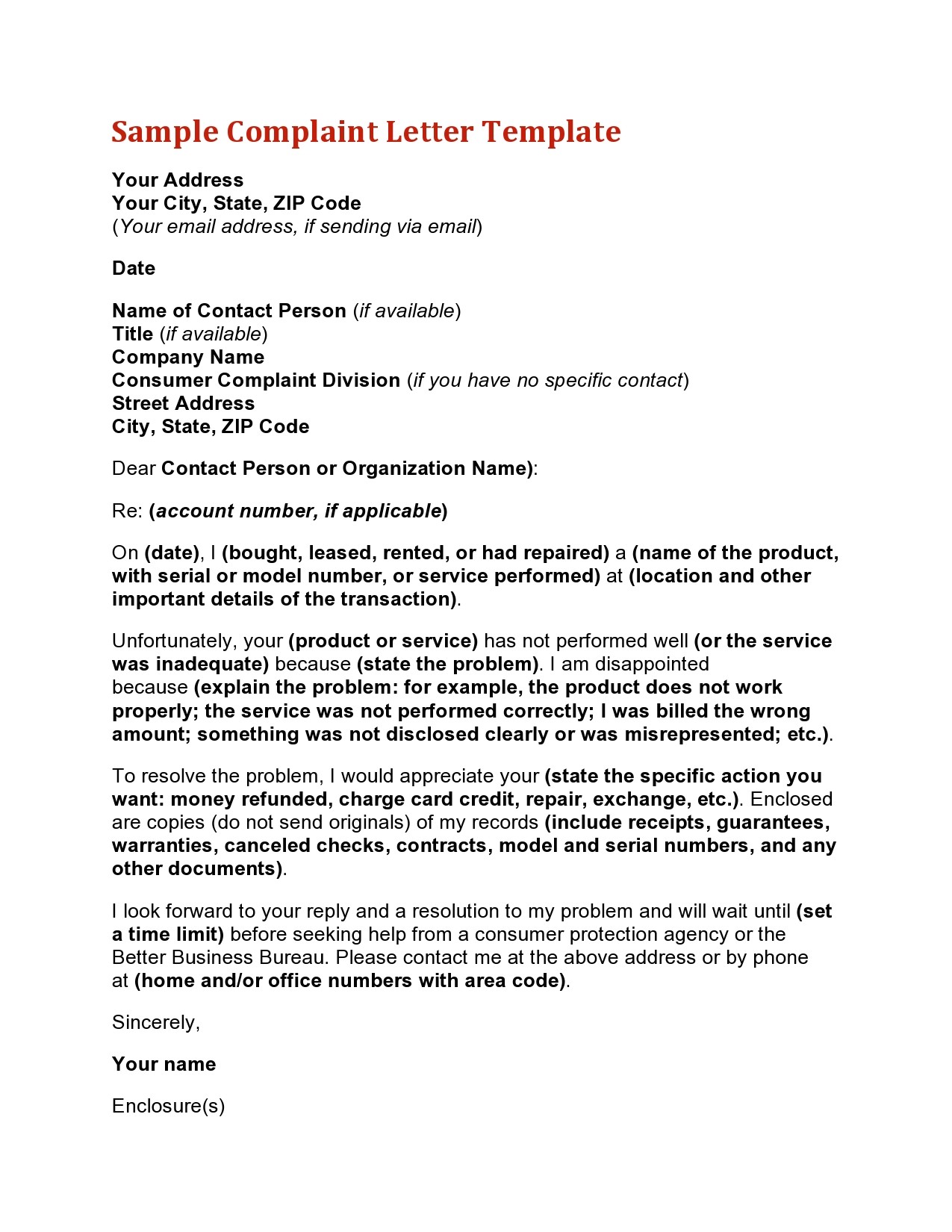
The final step before filing a complaint is usually a formal "demand letter" sent by the policyholder or their attorney. This letter summarizes the facts of the claim, the reasons why the denial or underpayment is unlawful, and a specific monetary demand to settle the matter. It sets a final deadline for the insurer to respond before a lawsuit is officially initiated.
Choosing the Correct Venue: Small Claims vs. Civil Court
The amount of money in dispute largely determines where the lawsuit will be filed. Each state sets its own jurisdictional limits for these courts.
| Feature | Small Claims Court | Civil/District Court |
|---|---|---|
| Monetary Limit | Typically $5,000 – $15,000 | Unlimited |
| Legal Representation | Often self-represented (Pro Se) | Usually requires an attorney |
| Complexity | Simplified rules of evidence | Formal, rigorous procedures |
| Speed | 2–6 months to resolution | 1–3 years to resolution |
| Discovery Process | Limited or none | Extensive (depositions, document requests) |
| Cost | Low filing fees ($50–$500) | High (filing, experts, legal fees) |
If the dispute is over a small amount—such as a $3,000 car repair or a denied $5,000 home maintenance claim—small claims court is the most efficient route. However, for significant losses, such as total fire damage, long-term disability, or medical malpractice, civil court is necessary to recover full damages, including potential punitive awards.
The Formal Litigation Process
Once the decision is made to sue, the legal process follows a structured sequence of events.
1. Filing the Complaint and Summons
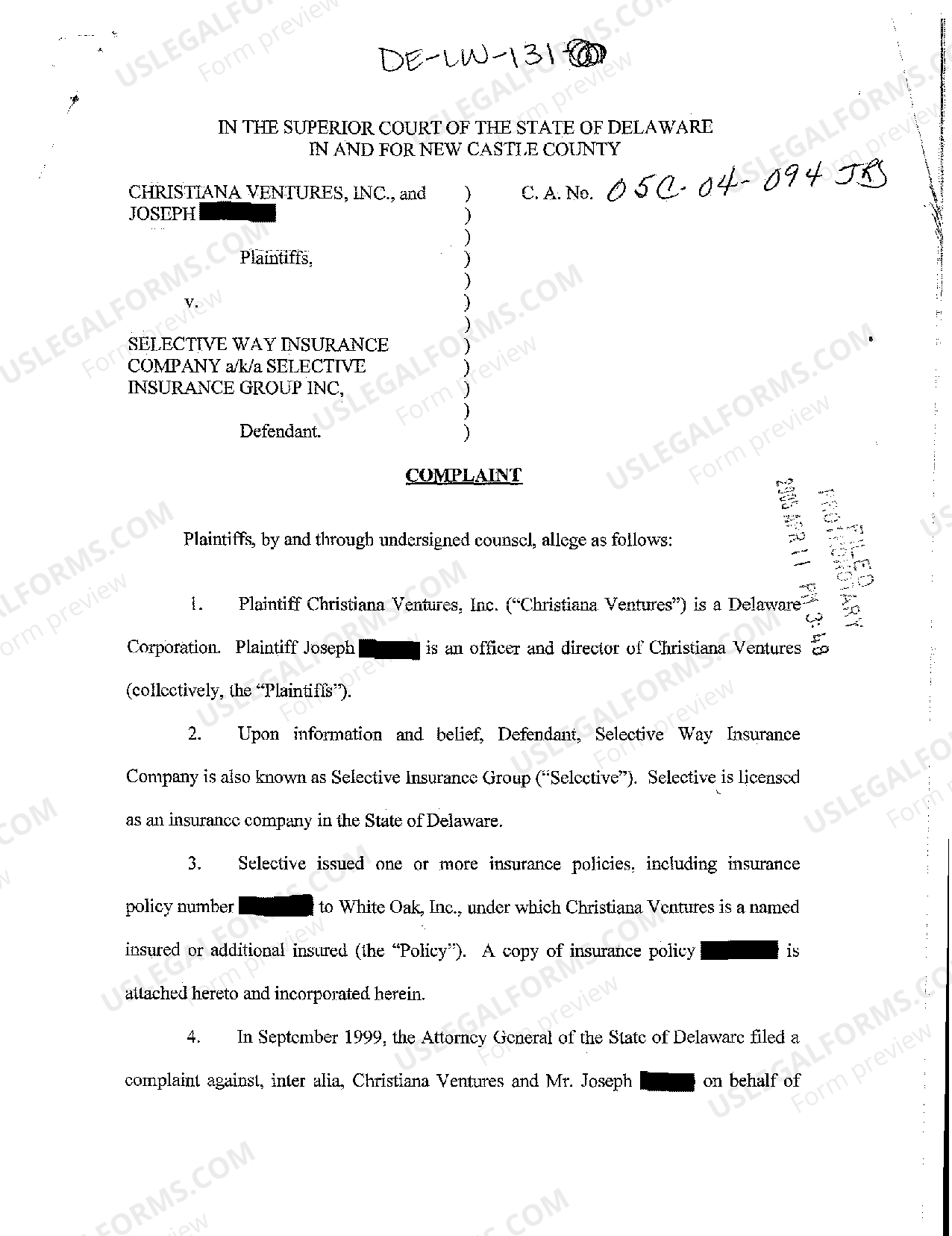
The lawsuit begins when the plaintiff (the policyholder) files a Complaint (or Petition) with the clerk of the court. This document outlines the parties involved, the facts of the case, the legal claims (e.g., breach of contract), and the "prayer for relief" (what you want the court to grant). The insurer is then served with a Summons, giving them a specific timeframe—usually 20 to 30 days—to file a formal Answer.
2. The Discovery Phase
Discovery is often the longest part of the lawsuit. It is the formal process of exchanging information.
- Interrogatories: Written questions that the other party must answer under oath.
- Requests for Production: Asking the insurance company for their internal claims file, emails between adjusters, and claims handling manuals.
- Depositions: Out-of-court oral testimony given under oath, where attorneys question adjusters, supervisors, and expert witnesses.
3. Pre-Trial Motions
Attorneys may file various motions during the process. The most common is a Motion for Summary Judgment. The insurer will likely argue that there are no "genuine issues of material fact" and that the judge should rule in their favor immediately based on the policy language. If the plaintiff survives this motion, the case proceeds toward trial.
4. Mediation and Settlement
Statistics in 2026 show that the vast majority of insurance lawsuits settle before reaching a jury. Courts often mandate mediation, where a neutral third party helps both sides reach a compromise. Insurers often settle at this stage to avoid the unpredictability of a jury trial and the high cost of continued litigation.
5. Trial and Verdict
If no settlement is reached, the case goes to trial. A judge or jury hears the evidence and determines if the insurer breached the contract or acted in bad faith. If the plaintiff wins, the court issues a judgment for damages.
Understanding Costs and Compensation
Litigating against an insurance company is expensive. It is vital to understand the financial structures involved.
Attorney Fees: Most insurance litigation attorneys work on a contingency fee basis. This means they take a percentage (usually 33% to 40%) of the final settlement or judgment. If you lose, you typically do not owe the attorney a fee, but you may still be responsible for "costs."
Legal Costs: These are out-of-pocket expenses incurred during the suit, including:
- Court filing fees.
- Process server fees.
- Court reporter fees for depositions.
- Expert Witness Fees: In insurance cases, you often need to hire independent adjusters, engineers, or medical professionals to testify. These experts can cost thousands of dollars.
Potential Damages:
- Contractual Damages: The amount originally owed under the policy.
- Consequential Damages: Additional losses caused by the denial (e.g., if a business folded because an insurance claim wasn't paid).
- Punitive Damages: In bad faith cases, the court may award extra money to punish the insurer for particularly egregious behavior.
- Attorney's Fees: Some state statutes allow a winning plaintiff to force the insurance company to pay their legal fees.
Critical Deadlines: The Statute of Limitations
The "Statute of Limitations" is the deadline by which you must file your lawsuit. If you miss this date, you lose your right to sue forever. These deadlines vary significantly by state and by the type of claim. For example, a breach of contract claim might have a four-year limit, while a bad faith tort claim might have a two-year limit.
Furthermore, some insurance policies contain a suit limitation clause that attempts to shorten the time you have to sue (e.g., requiring a suit within one year of the date of loss). While not all of these clauses are enforceable in every state, they represent a significant hurdle that requires immediate legal review.
Frequently Asked Questions
Can I sue my insurance company for emotional distress?
Generally, you cannot sue for emotional distress in a simple breach of contract case. However, if you can prove bad faith, many jurisdictions allow for "tort damages," which can include compensation for emotional distress, mental anguish, and even punitive damages if the insurer's conduct was malicious.
How long does a lawsuit against an insurance company take?
The duration depends on the complexity and the court's schedule. Small claims cases usually conclude within a few months. A full civil lawsuit in 2026 typically takes between 18 and 36 months from filing to trial, though settlement can happen at any point during that window.
Do I need a lawyer to sue an insurance company?
While you are legally permitted to represent yourself (pro se), it is highly discouraged for cases involving significant sums. Insurance companies have teams of experienced defense attorneys and vast resources. An experienced insurance litigator understands the nuances of policy interpretation and the "discovery" tactics needed to uncover evidence of bad faith.
What is the "Claims File" and why is it important?
The claims file is the internal record kept by the insurance company regarding your claim. It contains adjuster notes, internal emails, and valuation reports. This file is the "smoking gun" in most bad faith lawsuits, as it may reveal that the company knew the claim was valid while publicly denying it.
Can an insurance company cancel my policy if I sue them?
Most states have laws prohibiting "retaliatory cancellation." However, once your policy term expires, an insurer may choose not to renew your policy for various reasons. While they cannot cancel you specifically for filing a legitimate lawsuit, the underlying claim history may affect your future insurability with that or other carriers.
Next Steps and Recommendations
If you believe your insurance company has acted unlawfully, your first action should be to organize your evidence. Create a chronological log of every phone call, email, and letter exchanged with the insurer. Secure a complete, certified copy of your insurance policy, including all endorsements and riders.
Given the technical complexities of insurance law and the strict deadlines involved, consulting with a specialized insurance litigation attorney is recommended. Most offer free initial consultations to evaluate whether your case has sufficient merit to proceed. For those seeking self-help resources, the American Bar Association (ABA) provides directories and guidance on consumer rights in insurance disputes.
Image Gallery