The Ambassador Doll as a Cultural Envoy
The ambassador doll functions as a miniature representative of a nation's heritage, tradition, and soft power, bridging cultural divides through curated costume, artistry, and international exchange. These dolls are intentionally desig...
The ambassador doll functions as a miniature representative of a nation's heritage, tradition, and soft power, bridging cultural divides through curated costume, artistry, and international exchange. These dolls are intentionally designed to communicate values, foster goodwill, and educate global audiences about distinct historical and contemporary cultures.
Contents
Understanding the Concept of the Cultural Envoy Doll
Objects have long held communicative power, but few cross borders with the specific diplomatic intent of an ambassador doll. Unlike mass-market fashion toys intended purely for entertainment, ambassador dolls are crafted to encapsulate the identity, folklore, and aesthetic achievements of a specific region or country. They serve as physical tokens of diplomacy, frequently presented during state visits, cultural exhibitions, and international educational programs.
The primary objective of these artifacts is to initiate a dialogue without words. By utilizing traditional attire, authentic textiles, and regionally specific craftsmanship, the doll acts as a localized narrator. When a government or cultural institution sends an ambassador doll abroad, it is projecting a carefully curated image of its national heritage. This practice transforms a child's plaything or a collector's item into a formal instrument of soft power and intercultural understanding.
Historical Evolution of International Doll Exchanges
The tradition of utilizing dolls as diplomatic gifts and cultural representatives spans centuries, evolving from royal playthings into institutional symbols of friendship.
Early Royal and Elite Exchanges
Long before modern diplomatic protocols were established, European and Asian royal courts exchanged intricate dolls to demonstrate wealth, artistic superiority, and goodwill. These early figures were often dressed in exact miniature replicas of court attire, complete with precious metals, authentic lace, and hand-embroidered silks. They served as physical evidence of a foreign nation's craftsmanship and technological capabilities in textile production and manufacturing.
The 20th Century Friendship Doll Phenomenon
The most prominent historical example of ambassador dolls used on a mass scale occurred in 1927, spearheaded by American educator Sidney Gulick. Following rising geopolitical tensions between the United States and Japan, Gulick organized the exchange of over 12,000 American "Friendship Dolls" (often called Blue-Eyed Dolls) sent to Japanese elementary schools for the Hina Matsuri festival. In response, the Japanese government and citizens crafted and sent 58 exquisite "Doll Ambassadors" (Ningyo) to the United States. Each Japanese doll was treated as an official guest, complete with passports, travel itineraries, and specialized caretakers, designed to foster peace and mutual respect among the younger generation.
| Era / Event | Origin | Destination | Primary Purpose |
|---|---|---|---|
| Royal Court Exchanges | European / Asian Courts | Foreign Monarchs | Demonstrate wealth, court fashion, and elite craftsmanship |
| 1927 Friendship Dolls | United States | Japan | Ease political tensions and foster goodwill through youth education |
| 1927 Japanese Ningyo | Japan | United States | Reciprocate diplomatic goodwill and showcase traditional artistry |
| Post-War Cultural Diplomacy | National Governments | International Museums | Promote tourism, national identity, and artistic heritage |
Craftsmanship and Authenticity as Diplomatic Tools
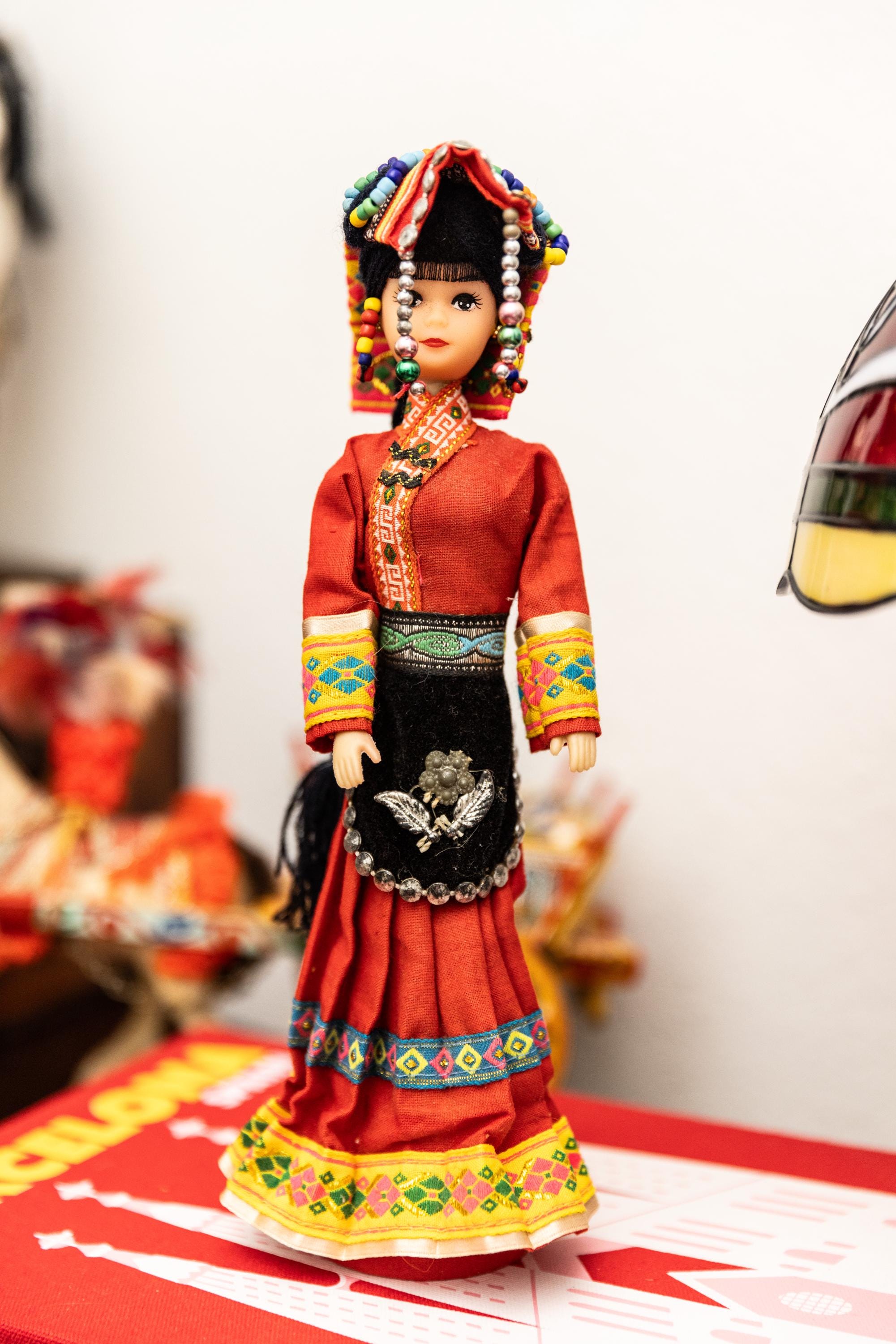
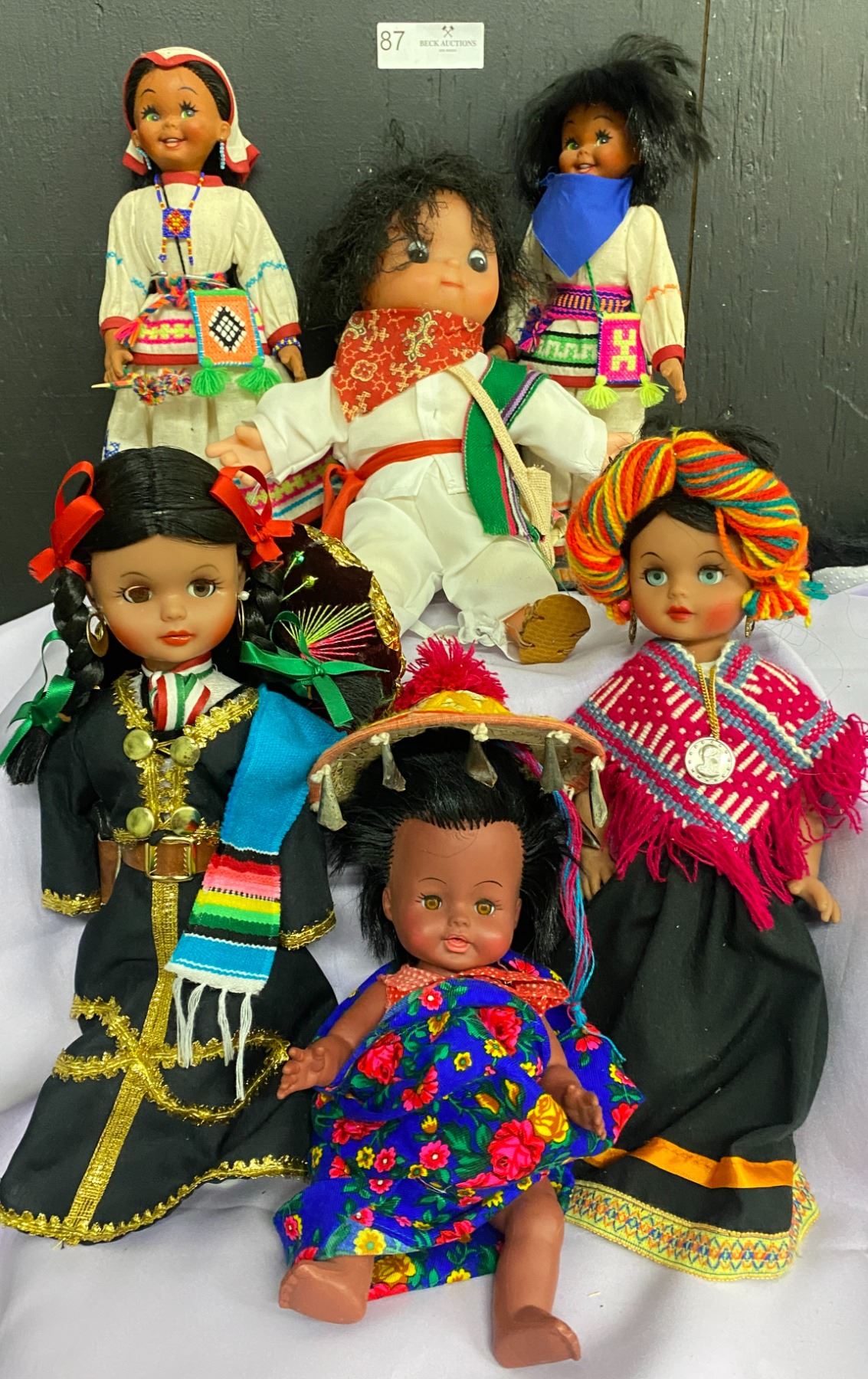
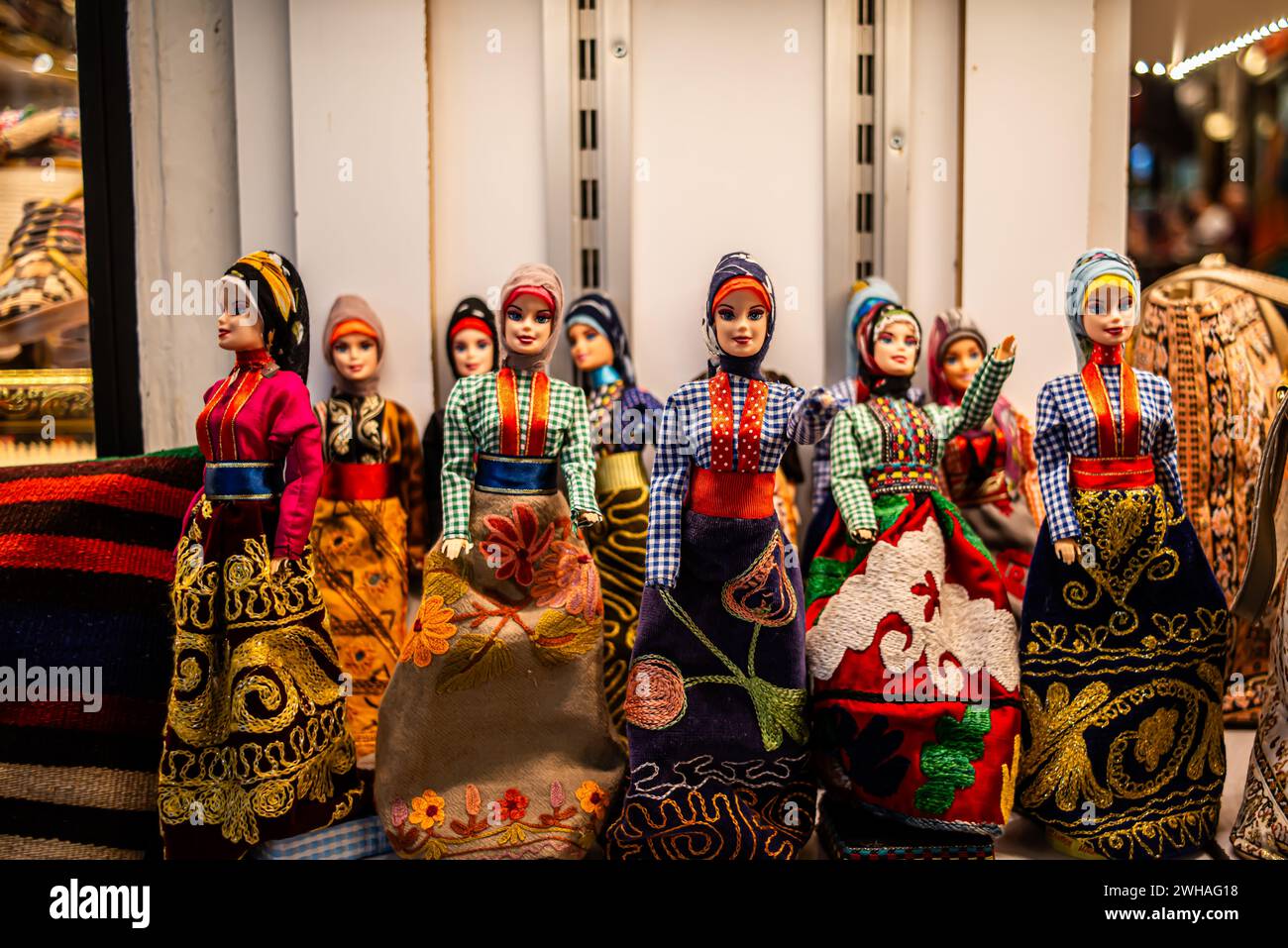
The credibility of an ambassador doll rests entirely on its adherence to cultural authenticity. Every detail, from the fiber of the fabric to the facial features and accessories, must accurately reflect the heritage it represents. Artisans tasked with creating these figures often consult historians, textile experts, and indigenous craftspeople to ensure accuracy.
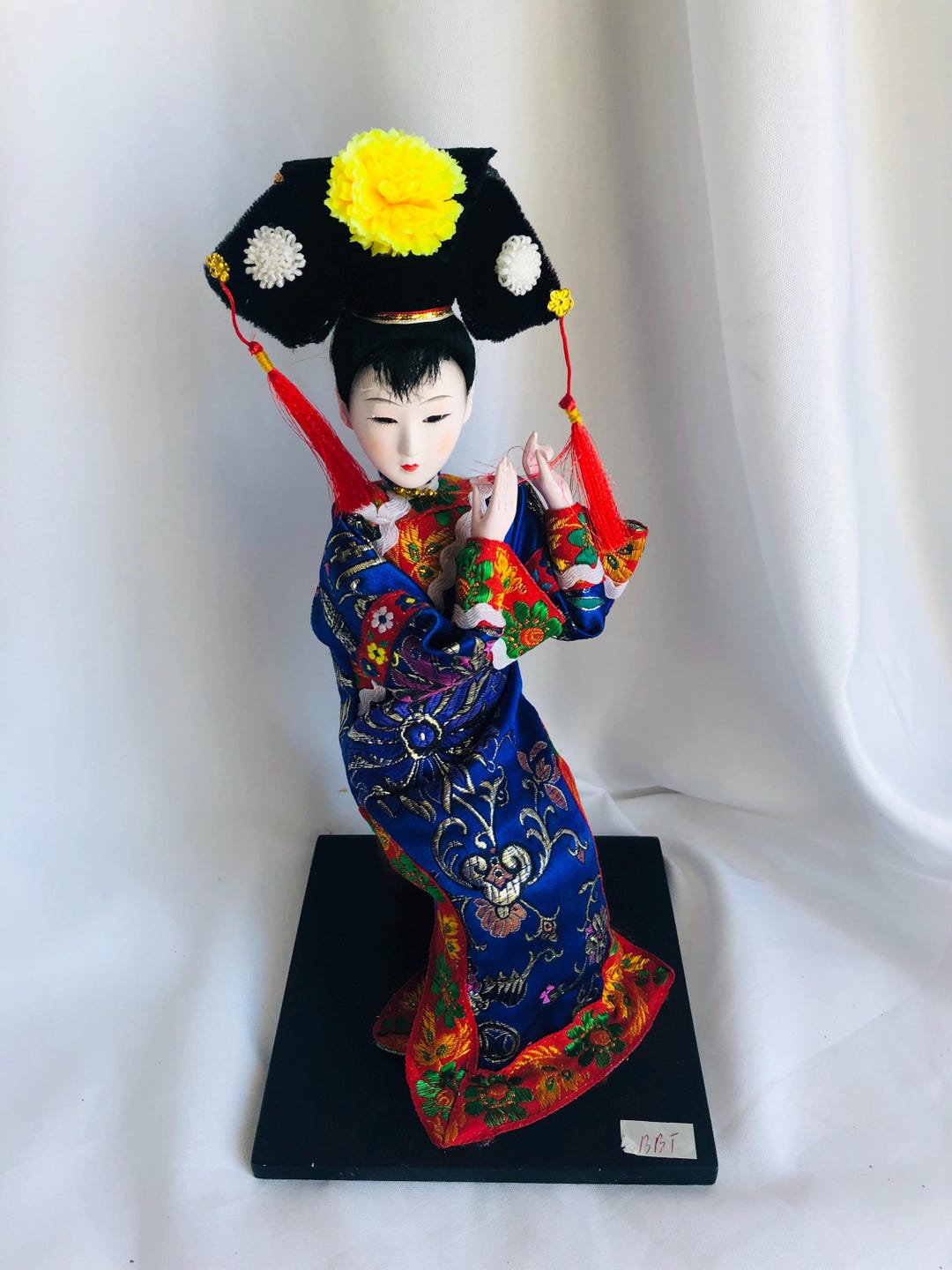
Textiles play a critical role in this representation. Whether it is hand-woven Andean wool, intricate Indian block-print cottons, or Japanese silk brocades, the materials chosen tell a story about the natural resources and industrial history of the homeland. Furthermore, the construction techniques—such as traditional hand-sewing, wood-carving, or ceramic molding—highlight the intangible cultural heritage preserved by local artisans. This rigorous attention to detail elevates the doll from a mere souvenir to a legitimate ambassador of indigenous art.
The Role of Soft Power in Global Cultural Relations
In international relations, soft power refers to the ability to co-opt rather than coerce, shaping the preferences of others through appeal and attraction. Cultural diplomacy is a vital component of this strategy, and the ambassador doll operates efficiently within this domain.
By presenting a friendly, accessible representation of a nation's culture, governments and cultural organizations can humanize abstract geopolitical entities. A doll depicting a traditional dancer, a historical figure, or a local worker invites empathy and curiosity. This approach is particularly effective in educational settings, where children and students interact with the dolls through museum exhibits or school exchange programs. Instead of viewing a foreign country through the lens of political headlines, learners engage with its art, music, and clothing in a tangible, non-threatening format.
Modern Applications and Contemporary Challenges
Today, the tradition of the ambassador doll faces both new opportunities and distinct challenges in an increasingly digital and globalized world.
Modern Exhibitions and Museums
Contemporary ambassador dolls frequently find homes in international museums, cultural centers, and specialized exhibits. Rather than traveling solely as private gifts, they are utilized in curated installations that explore global textile traditions, gender representation in toys, and the history of international diplomacy. These exhibitions allow the public to examine the craftsmanship up close while understanding the historical context of the exchange.
Challenges of Standardization and Stereotyping
A significant risk in the creation of ambassador dolls is the reduction of complex cultures into monolithic stereotypes. When a diverse nation is represented by a single doll in a generalized traditional costume, it can inadvertently reinforce outdated tropes or erase minority cultures within that nation. Modern creators and cultural ministries must navigate this carefully, often producing diverse series of dolls that reflect regional variations, contemporary lifestyles, and multi-ethnic realities.
Frequently Asked Questions
What defines an ambassador doll compared to a regular collectible doll?
An ambassador doll is specifically commissioned, created, or utilized as an official or semi-official representative of a nation's culture, heritage, or diplomatic goodwill. While regular collectible dolls focus on aesthetic value, brand popularity, or historical fashion trends, ambassador dolls prioritize authentic cultural representation and are frequently used in international exchanges or educational diplomacy.
Were the 1927 Japanese Friendship Dolls considered actual diplomats?
Yes, metaphorically and procedurally. The 58 Japanese Ningyo sent to the United States were treated with formal diplomatic protocols. They possessed official passports, traveled with detailed itineraries, were welcomed by American dignitaries at public ceremonies, and were assigned specific host schools across various states.
How do contemporary organizations ensure cultural accuracy in these dolls?
Makers of ambassador dolls typically collaborate with national museums, indigenous craft guilds, and cultural ministries. These institutions provide historical oversight, approving textile patterns, traditional jewelry, footwear, and hairstyles to ensure the final figure accurately reflects the targeted culture without misrepresentation.
Can individuals purchase authentic ambassador dolls for private collections?
Many cultural institutions and state-sponsored artisan guilds produce authorized replicas of official ambassador dolls for collectors and educators. However, true historical ambassador dolls—those exchanged between governments or used in formal diplomatic functions—are typically housed in national archives, museums, or private historical collections.
Next Actions for Collectors and Educators
For educators wishing to incorporate cultural exchange concepts into their curricula, or collectors interested in historical artifacts, the best approach is to begin by examining regional museum collections dedicated to international folk art and textiles. Look for certified artisan-made figures that document the specific lineage, materials, and cultural context of their creation. When evaluating pieces, prioritize provenance and documentation that explain the heritage and craftsmanship behind the doll, ensuring that the object serves as an authentic bridge of understanding rather than a superficial novelty.
Image Gallery