The Definitive Guide to Female Serial Killer Documentaries: Analysis and Essential Viewing
A female serial killer documentary provides an investigative look into the lives, motives, and psychological profiles of women who commit multiple murders. These films distinguish themselves from general true crime by exploring specifi...
A female serial killer documentary provides an investigative look into the lives, motives, and psychological profiles of women who commit multiple murders. These films distinguish themselves from general true crime by exploring specific archetypes such as the "Black Widow" or "Angel of Death," often challenging traditional criminological theories. Through archival footage, expert interviews, and forensic analysis, these documentaries examine how gender roles and societal expectations influence both the crimes and the subsequent legal proceedings.
Contents
The study of female serial killers is a specialized niche within criminology and documentary filmmaking. While male serial killers often dominate mainstream media, female offenders represent a statistically smaller but equally complex demographic. In 2026, the availability of these documentaries has expanded across major streaming platforms, offering viewers a more nuanced understanding of the environmental and biological factors that contribute to lethal behavior in women.
The Psychological Archetypes in Female True Crime
To understand the value of a female serial killer documentary, one must first recognize the categories into which these offenders are often classified. Documentaries in this genre frequently use these archetypes to structure their narratives and explain the "why" behind the crimes.
The Black Widow
The "Black Widow" is perhaps the most common subject in this genre. These women typically murder husbands, partners, or family members for financial gain, such as insurance payouts or inheritance. Documentaries focusing on these cases often highlight a pattern of calculated, methodical planning, frequently involving the use of poison or staged "accidents."
The Angel of Death
This archetype refers to women who kill those under their care, often in medical or domestic settings. Subjects like Beverley Allitt or Genene Jones fall into this category. Documentaries covering these cases focus on the betrayal of trust and the psychological need for power or attention (often linked to Munchausen syndrome by proxy). These films are technically demanding, as they require a deep dive into medical records and hospital protocols.
The Team Killer
Some of the most infamous documentaries involve women who killed alongside a partner. The narrative often centers on the dynamic between the two individuals—questioning whether the woman was a coerced victim or a willing participant. The cases of Myra Hindley and Karla Homolka are prime examples where documentaries analyze the "folie à deux" (shared madness) phenomenon.
Essential Documentaries: Case Studies and Analysis
The following films are considered essential viewing for anyone seeking a serious examination of female serial offenders. They are noted for their journalistic integrity, access to primary sources, and depth of psychological analysis.
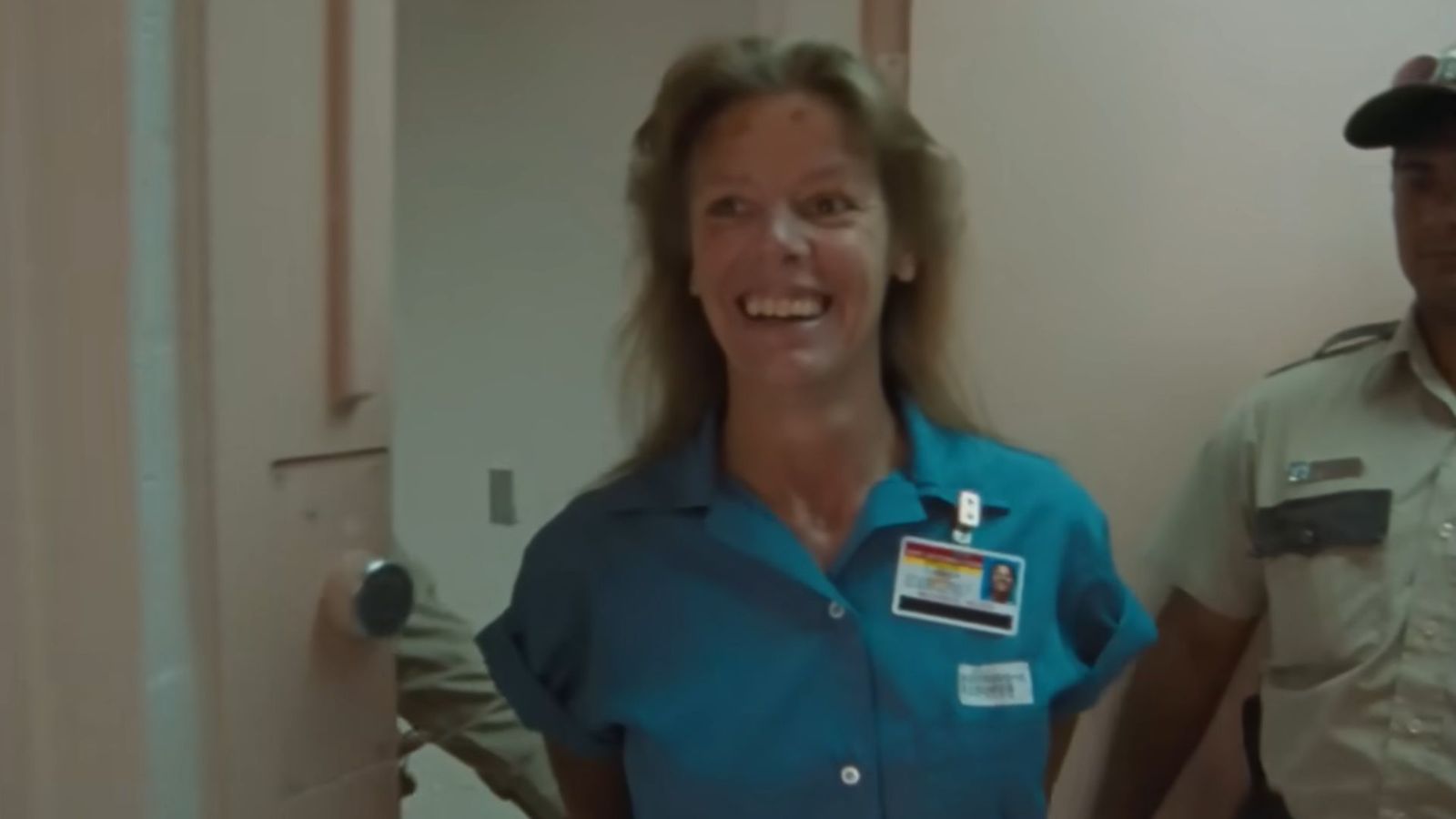
Aileen: Life and Death of a Serial Killer (2003)
Directed by Nick Broomfield, this is a follow-up to his earlier film, Aileen Wuornos: The Selling of a Serial Killer (1992). Broomfield’s work is a landmark in the genre because it provides a raw, unvarnished look at Wuornos’s mental state leading up to her execution. The documentary explores her traumatic childhood, the failures of the legal system, and the exploitation she faced from those claiming to help her. It serves as a cautionary tale about how society creates and then discards its most vulnerable members.
The Giggling Granny: Nannie Doss
Nannie Doss, known as the "Giggling Granny," is a classic example of a Black Widow. Documentaries focusing on Doss often utilize her chillingly cheerful confessions to contrast with the brutality of her crimes—poisoning multiple husbands, children, and her own mother. Analysts in these films point to her obsession with "true romance" magazines as a contributing factor to her distorted view of relationships.
Dorothea Puente: The Death House Landlady
Documentaries on Dorothea Puente examine the case of a grandmotherly figure who ran a boarding house in Sacramento, California. She murdered her elderly and disabled tenants to steal their Social Security checks. These films are particularly effective at demonstrating how Puente used her age and gender to deflect suspicion from law enforcement for years, highlighting the "mask of sanity" that female offenders can effectively wear.
Comparative Motives and Methods
Understanding the technical differences between male and female serial killers is a core component of high-quality documentaries. The following table summarizes the key distinctions often highlighted in these productions.
| Feature | Female Serial Killers | Male Serial Killers |
|---|---|---|
| Primary Motive | Financial gain, power, or "mercy" | Sexual thrill, dominance, or fantasy |
| Common Method | Poison (arsenic, drugs), suffocation | Blunt force trauma, strangulation, stabbing |
| Relationship to Victim | Often known (family, patients, spouse) | Often strangers or casual acquaintances |
| Kill Zone | Generally concentrated (home, workplace) | Often mobile or varying locations |
| Duration of Activity | Often active for longer periods before capture | Typically caught sooner due to aggressive methods |
Production and Ethical Considerations
A high-quality female serial killer documentary must navigate significant ethical hurdles. Unlike sensationalized "tabloid" crime shows, serious documentaries prioritize the testimony of victims' families and the facts established by forensic experts.
Investigative Depth vs. Sensationalism
The most respected documentaries avoid "re-enactment fluff" and instead focus on:
- Original Trial Transcripts: Using actual court records to ground the narrative in fact.
- Expert Testimony: Incorporating insights from forensic psychologists, criminal profilers, and lead investigators.
- Environmental Context: Explaining the socio-economic conditions that may have influenced the offender's trajectory.
The Role of Gender Bias in Reporting
Documentaries often critique how the media portrays female killers. They are frequently labeled as "monsters" or "witches," terms rarely applied to their male counterparts. A sophisticated documentary will analyze how these labels impact the jury's perception and the ultimate sentencing. In 2026, many newer productions are revisiting older cases to see if gender-based tropes led to miscarriages of justice or overlooked evidence.
Where to Stream and How to Evaluate Content
In 2026, true crime content is abundant, making it difficult to distinguish between rigorous journalism and low-budget entertainment. To find the most accurate and insightful documentaries, viewers should look for productions associated with reputable organizations.
- Specialized Streaming Services: Platforms like Discovery+, MagellanTV, and Crime + Investigation often host long-form documentaries that go beyond the 40-minute television format.
- Public Broadcasting: Organizations like the BBC or PBS (Frontline) occasionally produce deep-dive episodes into the criminology of female offenders.
- Educational Databases: For those looking for academic depth, databases like Films on Demand provide documentaries used in criminal justice curricula.
When evaluating a documentary, check the credits for the involvement of recognized experts such as former FBI profilers or specialized historians. Avoid films that rely heavily on dramatic music and jump-scares at the expense of verified evidence.
Frequently Asked Questions
Why are there fewer documentaries about female serial killers than males?
Statistically, female serial killers are much rarer, making up approximately 10-15% of the total serial killer population. Because their methods are often less "graphic" (e.g., poisoning vs. physical assault) and their motives are frequently financial rather than sensational, they traditionally received less media attention. However, this has changed as criminologists identify the unique complexities of female-led crimes.
Do female serial killers have different psychological profiles?
Yes. While male serial killers often exhibit predatory sexual deviance, female serial killers are more likely to demonstrate "instrumental violence." This means the killing is a means to an end—usually money, resources, or the elimination of a perceived burden. Documentaries often explore high rates of past trauma and personality disorders in these subjects.
What is the best documentary for beginners in this niche?
Aileen: Life and Death of a Serial Killer remains the gold standard. It provides a comprehensive look at the intersection of crime, psychology, and the legal system. For those interested in historical cases, docuseries like Deadly Women (while more episodic) provide a broad overview of many different cases across several centuries.
Are female serial killers usually caught?
Historically, female serial killers remained active for longer periods than males because their methods (poisoning and medical tampering) were often mistaken for natural deaths or illnesses. Modern toxicology and digital record-keeping have significantly increased the detection rate, a fact frequently discussed in contemporary forensic documentaries.
Is the "Black Widow" still a common phenomenon?
While the term is still used, modern documentaries highlight that "Black Widows" are increasingly rare due to more stringent insurance fraud investigations and advanced post-mortem testing. Most contemporary cases of female serial killing now involve healthcare settings or domestic clusters.
Next Steps for Researchers and Viewers
For those interested in a deeper understanding of this subject, the next step is to move beyond documentaries and into primary source materials. Reading the trial transcripts of cases like those of Aileen Wuornos or the investigative reports on Genene Jones provides a level of detail that even a 120-minute film cannot fully capture. Additionally, staying updated with the American Journal of Criminology or similar peer-reviewed publications can provide the latest statistical data on female offending patterns as they are understood in 2026.
When watching, maintain a critical eye toward the narrative structure. Ask whether the film is attempting to humanize the offender at the expense of the victims, or if it is providing a balanced, evidence-based view of the tragedy.
Image Gallery